
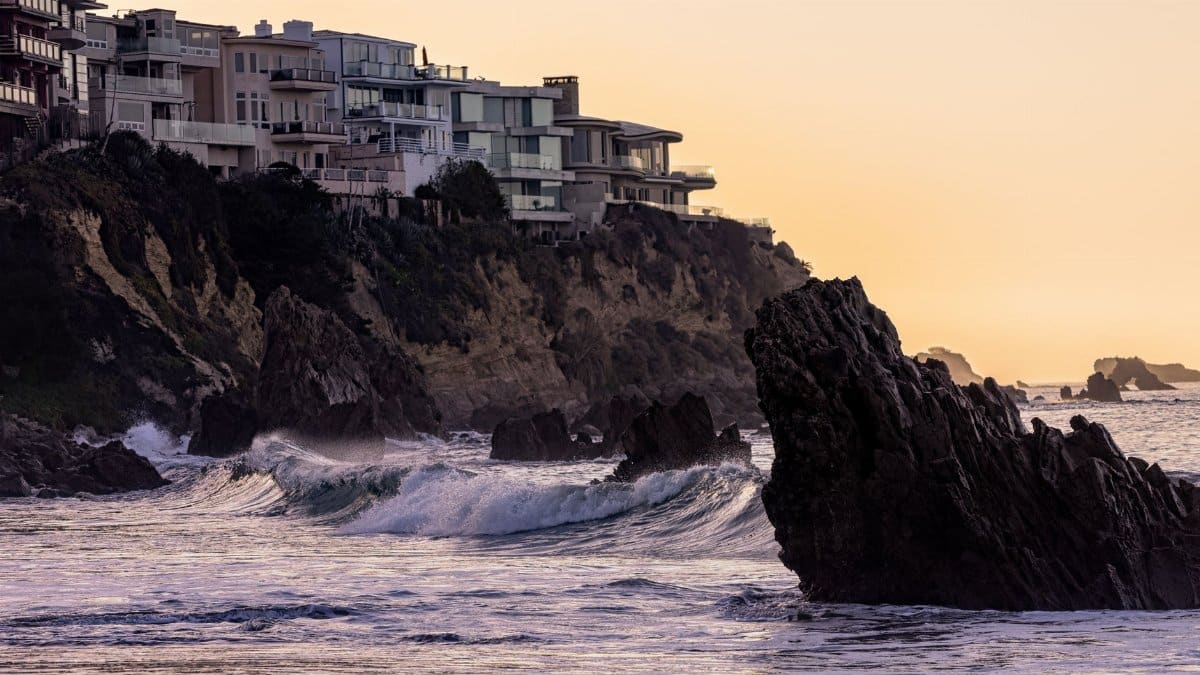
On a bright October morning the Pacific did not stay where the maps say it belongs. Streets along the Balboa Peninsula held about a foot of seawater after a massive swell pushed inland, and city leaders declared a local emergency while other coastal spots reported the same restless ocean. In the jumble of texts and posts that followed, one awkward string kept surfacing: Newport Beach flooding Rachel. It was not a forecast product and not an official bulletin. It was the way people tried to name a video, a neighbor, and a fear in the same breath, as if a single clumsy phrase could hold a whole morning still.
Streets that briefly belonged to the ocean
The water did not arrive as a wall. It came in sheets, then in a slow shine across asphalt, then in a brown green layer that lapped at curbs and slipped under garage doors. Residents on the peninsula described a sound more like a filled sink than a storm, a soft insistence that did not match the blue sky overhead. Cars sat in water to the wheel wells. Patio furniture drifted a few feet and stopped, as if reconsidering. A foot does not sound like much until it is inside a living room, lifting rugs and finding every low outlet.
Newport Beach has long lived with the bargain of beauty and exposure. On ordinary days the bargain feels generous. On this morning it felt exact. The swell was massive enough to overtop familiar edges and polite enough, at first, to let people film it. That combination is how a local emergency begins: not always with sirens, but with the recognition that the ordinary tools of a neighborhood, towels and shop vacs and a neighbor with a truck, will not be enough if the ocean keeps its appointment.
A peninsula built close to the water
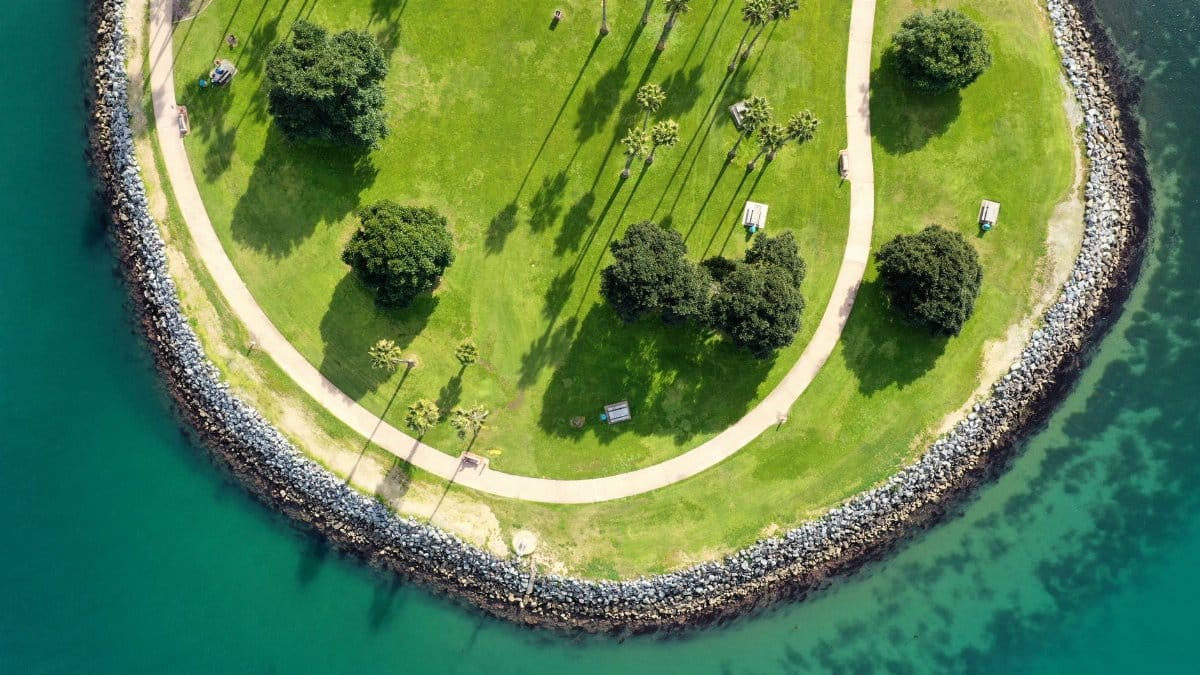
The Balboa Peninsula is a narrow finger of land between bay and open sea, a place where porches face light and streets sit only a little above the reach of a high tide. People move there for the walk to the sand, the smell of salt, the evening color on the water. They also inherit a geography that does not negotiate. When a swell stacks on top of a high tide, the margin disappears. Storm drains that usually carry rain toward the bay can run the other way. Seawater finds the lowest path and takes it without drama.
I have walked those blocks on calmer afternoons, when the biggest decision is where to buy coffee. The same grid, under a foot of ocean, looks like a different city. Addresses remain. The meaning of a ground floor changes. What had been a charming closeness to the water becomes a design fact with consequences: flooring, wiring, family photographs on the bottom shelf, the dog bed by the door. None of that is abstract when you are standing in it in sneakers that will not dry by evening.
The phrase that carried a neighbors face

Search interest has a way of welding unrelated words into a handle. Newport Beach flooding Rachel traveled because a clip from a resident named Rachel moved faster than any city statement. People who had never set foot on the peninsula could watch water cross a street they could not locate on a map, and they reached for her name as a landmark. The phrase was imprecise and oddly intimate. It turned a civic event into a person, which is how attention works now, for better and for worse.
Rachel, as neighbors described her in the hours after the swell, was not trying to become a symbol. She was trying to show relatives that the street really was wet, that the photos were not a trick of light. The camera caught a mailbox, a palm, a thin line of foam at a driveway. Those details did more explanatory work than a press release. They also risked flattening a wide inconvenience into one face. A local emergency is a system under strain, not a single video. Still, the human frame is what made strangers stop scrolling.
Why officials called a local emergency

A local emergency is a legal and practical door, not only a tone of voice. It tells departments to shift staff, to stage pumps, to warn people who might otherwise treat the water as a spectacle. In Newport Beach the declaration followed reports of flooded streets on the Balboa Peninsula and concern that more damage was still possible as the swell continued its cycle. Officials asked residents to prepare for further harm, a plain instruction that covers cars, electrical gear, and the temptation to drive through water whose depth is hard to judge from a dry sidewalk.
The phrase Newport Beach flooding Rachel kept appearing beside those official notes, a folk caption running parallel to the formal one. That split is familiar in coastal cities. The city speaks in procedures. The public speaks in names. Both are trying to answer the same question: is this a passing nuisance or a day that will cost money, sleep, and trust? Declaring an emergency does not calm the ocean. It does organize the human response, which is the only part of the morning a city can actually manage.
Other coastal spots in the same swell
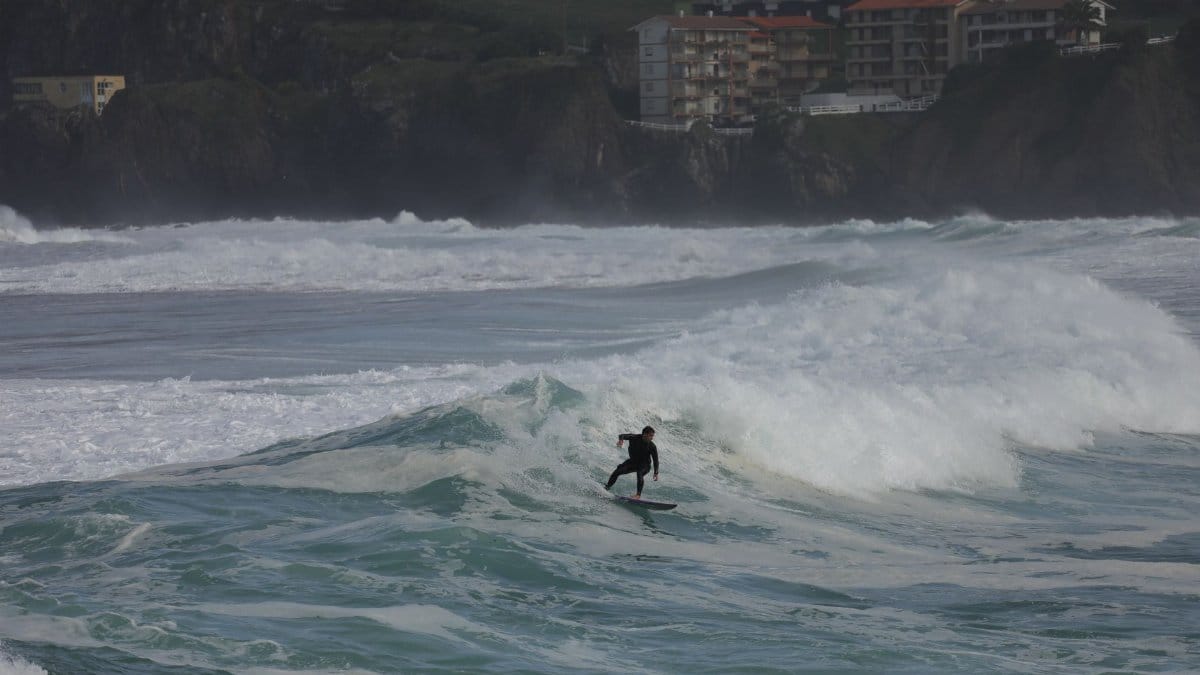
Newport Beach was not alone. Other coastal spots along the same stretch of shore reported flooding, closed lots, and water pushing into places that usually stay dry except in the worst winters. A massive swell does not respect municipal borders. It spends its energy wherever the seafloor, the tide, and the shape of the coast agree to let it in. One town may see a foot in the street. Another may see only spray and a beach stair buried in sand. The difference can be a few feet of elevation and a turn in the shoreline.
For readers inland, the map of damage can look random. For people who live with the fetch of the Pacific, it looks like a pattern they have been taught to watch. Harbors, piers, and low roads take the first instruction from the sea. Beaches give up sand and then, sometimes, take it back on the next tide. The instruction to prepare for more damage was aimed at that uncertainty. A swell can ease and then rebuild. A street that drains by noon can be wet again after dark.
Congregations that became dry ground
In a category of news that often looks for meaning beyond the forecast, the more interesting story was not mystical. It was practical charity with a spiritual accent. Parish halls and church basements near the flooded blocks opened as places to charge phones, to sit, to sort wet papers on tables that were not also wet. Volunteers who usually arrange flowers or stack hymnals moved sandbags and made coffee. No one needed a sermon to understand the gesture. Shelter is an old religious idea, and it does not require ornament when the floor at home is shining.
People talked quietly about gratitude and about fragility, the two notes that coastal weather tends to strike together. A few said they had prayed for the water to turn. More said they had prayed for neighbors they could not reach by phone. That is not a substitute for pumps. It is a record of how communities metabolize fear. The searches for Newport Beach flooding Rachel sat beside another kind of search, the one that asks who has a dry couch and who can take a dog for the night. Faith, in that hour, looked like logistics with a longer memory.
What a foot of water actually does
A foot of seawater is heavy, salty, and rude to machines. It ruins drywall from the bottom up, leaves a mineral crust on tile, and turns a car into a repair bill even if the engine starts again later. It finds photographs in boxes people meant to move upstairs someday. It does not care about the stories attached to those objects. Insurance, when it applies, moves more slowly than the tide. Deductibles and exclusions become kitchen table subjects by evening, spoken in the careful voice people use when they are afraid of sounding dramatic and also afraid of understating the loss.
Salt is the part visitors forget. Rainwater flooding is damaging. Ocean flooding adds corrosion. Hinges, outlets, and the undersides of appliances begin a quieter failure that may not announce itself for weeks. That is one reason officials talk about more damage after the street looks passable again. The visible water is only the first invoice. The second arrives as rust, mold, and the sour smell that no candle quite covers. Residents who have been through lesser floods know to photograph everything before the cleanup instinct takes over.
The quiet work of pumps and patience
Recovery from a swell flood is mostly unphotogenic. Pumps mutter. Hoses cross sidewalks. People in boots carry buckets with the resigned rhythm of a chore that will not be finished by dinner. City crews check drains that may still be running backward. Lifeguards and public works staff, more used to summer crowds, spend their attention on low spots and on drivers who believe a familiar road cannot be deep. The advice is old and still ignored: if you cannot see the pavement, do not drive it. A foot is enough to stall an engine and enough to hide a missing manhole.
Patience is harder to organize than equipment. Children want the street back as a place to play. Shop owners want the smell of wet carpet gone before the weekend. Renters want to know whether they should sleep elsewhere. Landlords want to know who pays. None of those questions are answered by a viral clip, even one attached to a name people can remember. They are answered, slowly, by towels, contractors, and the recession of the swell. The ocean does not apologize on a schedule. It simply spends its energy and leaves the accounting to everyone else.
Memory, faith, and the next high tide
Coastal memory is short in real estate brochures and long in families who have replaced the same floor twice. After the water left the Balboa Peninsula, people stood in driveways and compared notes the way congregations compare hymns, each person sure of the verse they lived. Some spoke of blessing, meaning no one was swept away. Some spoke of warning, meaning the next massive swell will not feel theoretical. Spiritual language showed up without costume. Awe at the size of the ocean. Humility about a house that had seemed permanent. Gratitude for a stranger with a pump.
The awkward keyword Newport Beach flooding Rachel will fade from search bars, as these handles do. What should not fade is the plain lesson of the morning. A local emergency declared after streets hold a foot of water is a civic sentence worth keeping. It says the city saw the ocean cross a line and chose to name the crossing. Other coastal spots will have their own sentences on other mornings. Preparation is not pessimism. It is a form of respect, for physics and for neighbors, offered before the next high tide makes the same argument in salt water.
How a city talks about water after the water leaves
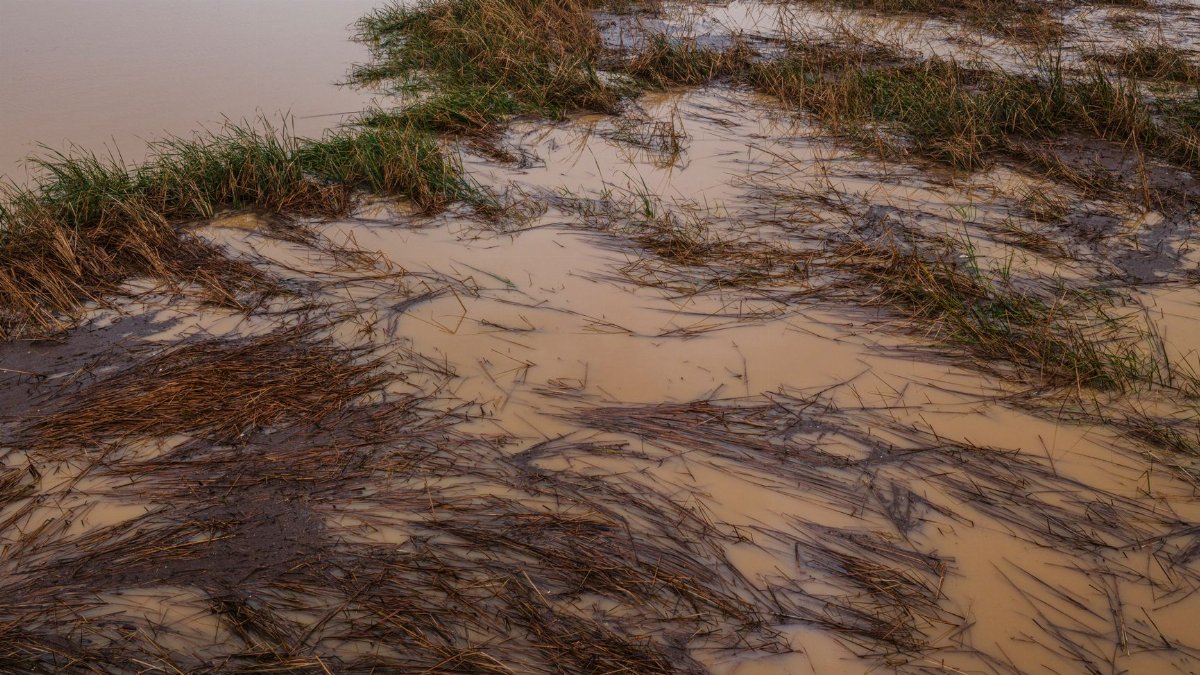
When the streets shine only with leftover damp, the public conversation shifts from spectacle to maintenance. Were the warnings early enough. Did people in low homes hear them. Are there places where a portable barrier would have spared a row of garages. These are not glamorous questions, and they do not travel as well as a clip of water under a palm. They are the questions that decide whether the next swell is a story or a repeat bill. Newport Beach, like every shore town that sells a view, has to hold two truths without letting either cancel the other: the coast is a gift, and the coast is a force.
Journalism can overplay either truth. A feature can romanticize the foam or scold the homeowners for living where they live. The more honest account is smaller. People chose a peninsula because it is beautiful. A massive swell reminded them of the terms. Officials declared a local emergency and told them to prepare for more damage. Neighbors helped. A woman named Rachel became, briefly, a way for the wider world to look. The phrase Newport Beach flooding Rachel is a clumsy relic of that looking. The clearer relic is a waterline on a wall, faint, salty, and specific, marking the height of a morning the ocean decided to come indoors.