
In clinic hallways from Erie to Philadelphia, the same worry has been repeating itself in quiet voices. A fever that will not break. A cough that arrived before any rash. A calendar full of school events, church suppers, and family visits. The Pennsylvania measles outbreak 2026 has turned those ordinary worries into a statewide emergency. The Philadelphia Inquirer reported on October 9, 2026 that Pennsylvania had recorded more than 1,000 measles cases and five deaths, the worst stretch of measles in the state in three decades. For readers trying to sort rumor from risk, the useful questions are plain. How many people are sick. Who has died. And whether vaccination still offers the protection families were promised.
What officials have put on the record

Health departments tracking the Pennsylvania measles outbreak 2026 are no longer describing a handful of imported infections that burned out in a week. The Inquirer account placed the tally above 1,000 cases, with five deaths, a scale Pennsylvania has not seen in roughly thirty years. Those figures should be read as a snapshot from early October, not as a final ledger. Case counts move as laboratories confirm results, as people who were exposed develop symptoms, and as investigators connect illnesses that first looked unrelated.
A large number can hide as much as it reveals. It does not, by itself, say which counties are driving transmission, how many patients needed hospital care, or how many of the sick were infants too young for routine shots. It does say the virus has found enough susceptible people to keep moving. When a state crosses four figures, the problem is no longer a travel story. It is a community story about immunity, access, and trust.
How measles finds the next person
Measles is among the most contagious infections known to clinicians. The virus spreads through the air when an infected person breathes, coughs, or sneezes, and it can linger in a room after that person has left. Someone can pass it on before the rash appears, which is why a school pickup line or a crowded waiting room can matter more than people expect. The Centers for Disease Control and Prevention describes this pattern, and the ease of spread, on its public measles pages at cdc.gov/measles/about.
That biology explains why a single introduction can become a long chain. In a group where nearly everyone has immunity, the chain breaks. In a group where immunity is thin, the chain lengthens. Maps of the Pennsylvania measles outbreak 2026 will keep changing, but the mechanism will not. The virus does not need malice, a crowded stadium, or a dramatic event. It needs proximity and a person who has neither vaccine protection nor immunity from a prior infection.
Who carries the greatest risk
Infants, pregnant people, and anyone with a weakened immune system face the hardest complications. Babies often cannot receive the routine measles vaccine until the age clinicians recommend, so they depend on the immunity of everyone around them. Pregnant patients can become severely ill, and infection during pregnancy can threaten the pregnancy itself. People undergoing cancer treatment, living with advanced immune disease, or taking medicines that suppress immunity may not be able to rely on vaccination in the same way healthier neighbors can.
Risk is not only medical. It is also practical. Families without a regular clinician, workers who cannot miss a shift, and parents who have heard conflicting advice online are slower to get tested and slower to isolate. Rural distance and urban clinic shortages can produce the same delay. An outbreak of this size punishes hesitation, not because sick people are careless, but because measles moves faster than most appointment books.
Symptoms worth recognizing early
The illness usually begins like a hard winter virus. Fever, cough, a runny nose, and red, watery eyes can arrive days before any rash. Some patients develop tiny white spots inside the mouth. The rash tends to start on the face and spread downward. Not every fever in Pennsylvania is measles, and not every rash is this virus. Still, in a year when more than 1,000 infections have already been reported, those early signs deserve a phone call before a trip to a packed waiting room.
Calling ahead is not a courtesy. It is infection control. Clinics can mask a patient, clear a room, and avoid exposing a newborn in the next chair. People who think they were exposed should say so, including the date, because timing changes what a clinician can offer. Home remedies do not treat measles. Rest and fluids matter for comfort, but they do not replace medical care when breathing worsens, fever climbs, or a child becomes hard to wake.
What five deaths do and do not mean
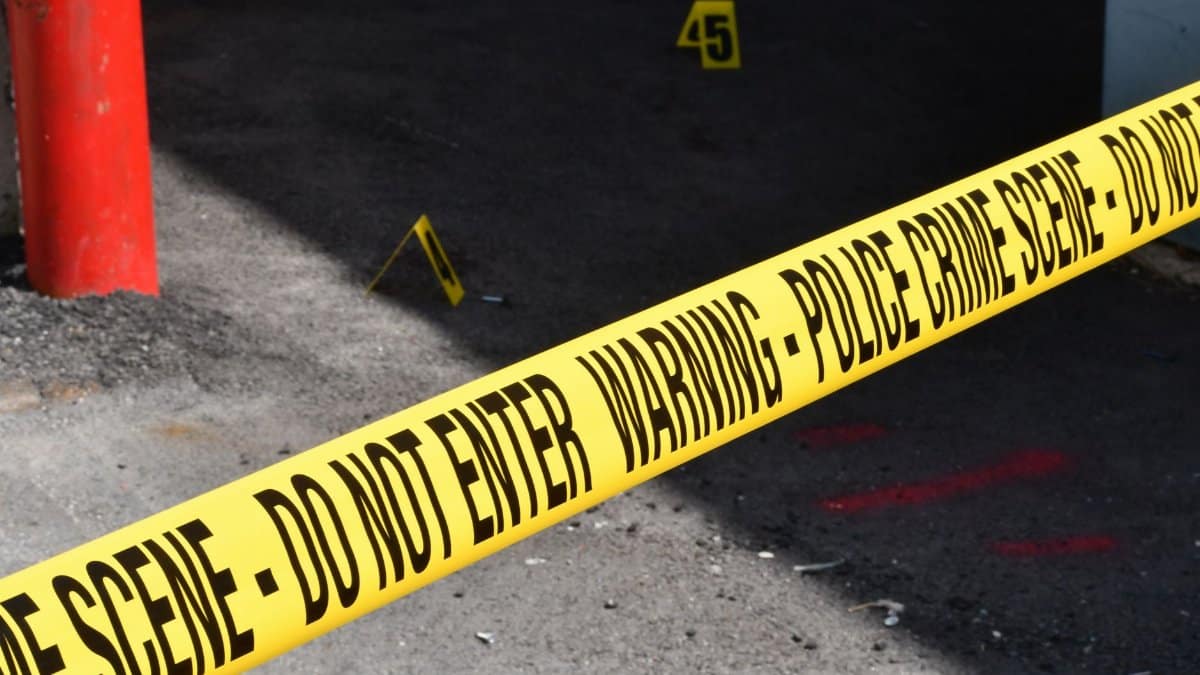
Five deaths in one state outbreak is a serious public fact, and it should be stated without theater. Measles can kill. Pneumonia is a common severe complication. Brain inflammation is rarer and can leave lasting injury or end a life. In countries with strong hospitals, death is uncommon, which is exactly why a cluster of deaths alarms health officials. It suggests delayed care, very young patients, pregnancy, fragile immunity, or some mix of those conditions. The published tally does not, on its own, identify the people who died, and this account will not invent those details.
Grief is not a statistic, and neither is blame. A death from a vaccine preventable disease is a failure of systems as well as a private loss. It can reflect missed shots, bad information, insurance gaps, or exposure that no parent could have seen coming. Using those deaths to shame a neighborhood, a congregation, or a political group does not stop the next infection. Clear information and easier access to vaccine do.
Vaccination and the question of immunity
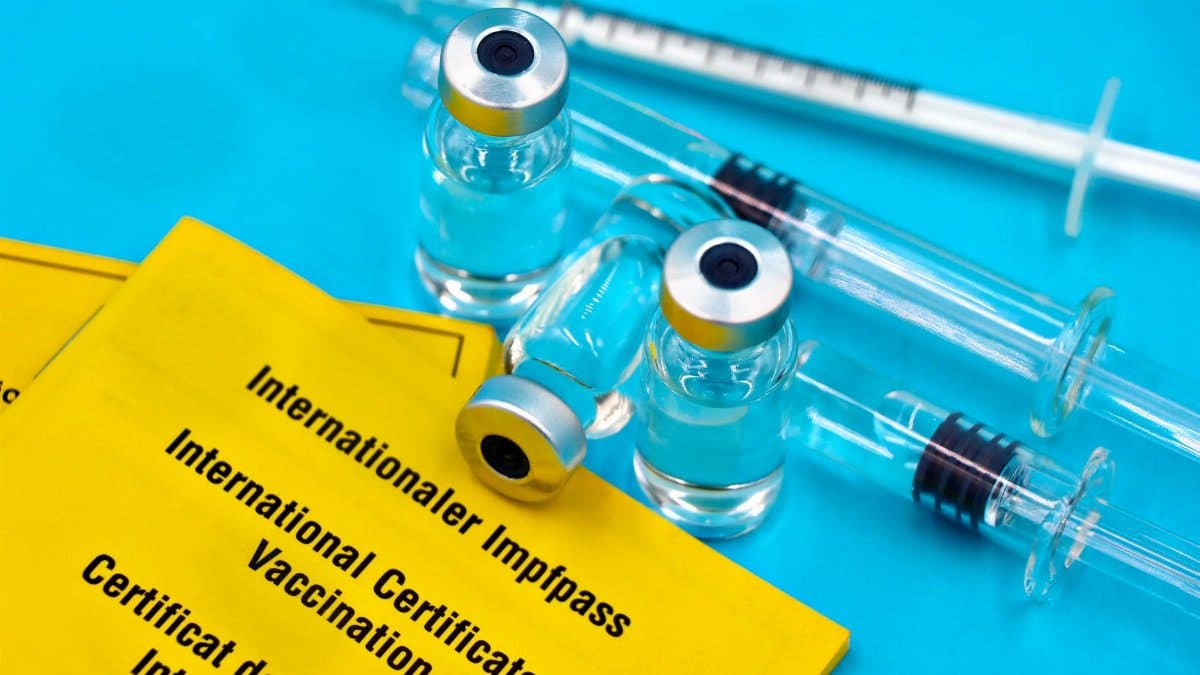
Two doses of measles, mumps, and rubella vaccine remain the central protection. Federal health authorities say two doses are about 97 percent effective at preventing measles, a figure explained alongside routine recommendations at cdc.gov/measles/vaccines. One dose helps, but it leaves a wider gap. People born in years when measles was common may have immunity from infection, yet memory is a poor medical record. A clinician can often order a blood test for measles antibodies when the shot history is missing.
Testing immunity is not the same as treating disease. A positive antibody result can reassure. A negative result is a reason to vaccinate, unless a medical reason rules the shot out. During an outbreak, health departments sometimes expand clinic hours, send teams to schools, or advise an earlier dose for infants in affected areas. Those decisions belong to public health authorities and treating clinicians, not to social media threads. Anyone unsure of their record should ask for it rather than assume.
The answers people want about the Pennsylvania measles outbreak 2026 often circle back to this point. The vaccine is not new, and it is not theoretical. Decades of use have shown that high coverage stops chains of transmission. When coverage falls in pockets, even a state with strong overall numbers can host a large outbreak. The gap is local, and so is the repair.
Schools, workplaces, and houses of worship
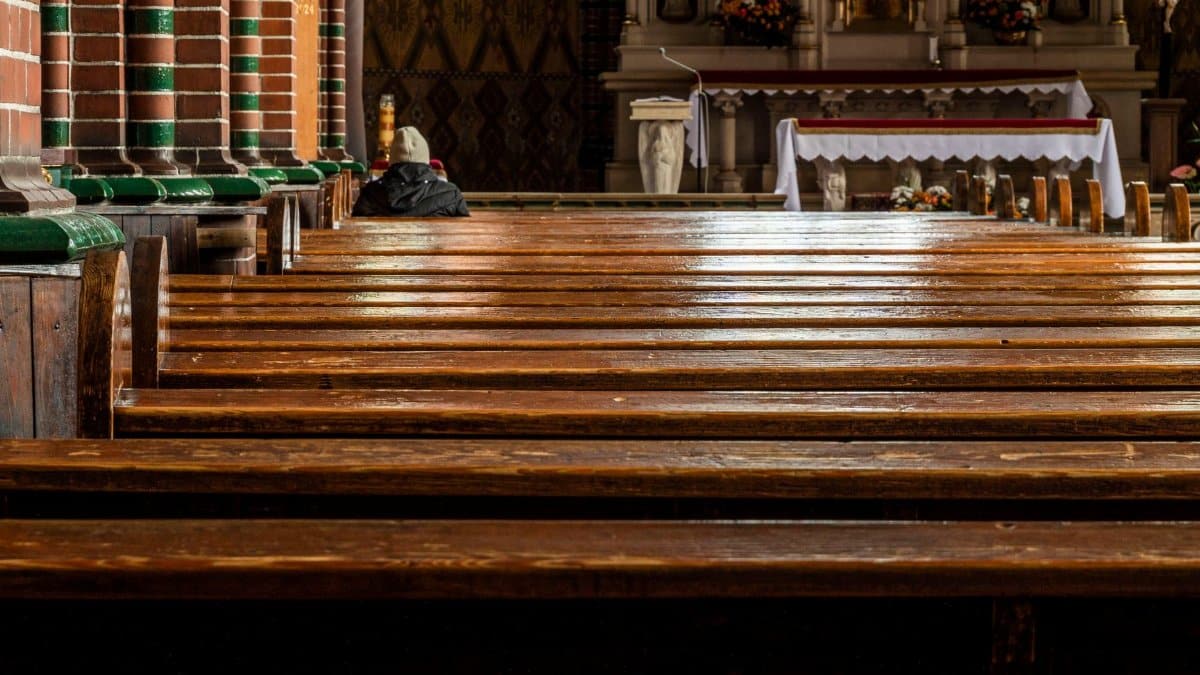
Measles follows the calendar of ordinary life. Classrooms, day care centers, college dorms, break rooms, and weekend services all gather people who trust one another. That trust is a social good. It is also how a respiratory virus travels. School nurses and district leaders have been through this before with other infections, and the useful habits are familiar: send sick children home, share exposure notices quickly, and avoid turning health rules into public humiliation.
Faith communities occupy a particular place in a story filed under spiritual life as well as public health. A parish hall, a mosque, a synagogue, or a storefront church can be the most trusted room in a town. Leaders who speak plainly about vaccination, who host a clinic after services, and who check on homebound members do practical ministry. They also reduce the chance that a supper, a choir practice, or a funeral becomes an exposure event. Shame is a weak teacher. A ride to a clinic is a better one.
Employers have a quieter role. Paid time to get a shot, or to stay home while contagious, is not a luxury during an outbreak of this size. A worker who comes in febrile because the rent is due can seed a whole shift. Policies that punish absence will keep showing up in case investigations, whether or not anyone writes them into a health bulletin.
Steps that still reduce harm

None of this requires special equipment. Check vaccination records for every child and adult in the household. If a record is lost, ask a clinic about antibody testing or a catch up dose. If someone has fever and cough after a known exposure, call a clinician or a local health department before arriving in person. Isolate at home when measles is suspected, and keep distance from infants and from people who cannot be vaccinated.
After a documented exposure, clinicians sometimes give vaccine very soon, or immune globulin to people who cannot receive the shot or who face higher risk. Timing matters, which is another reason to report exposure rather than wait for a rash. Travelers should review shots before leaving, because measles remains common in parts of the world and comes home in airplanes. None of these steps replaces emergency care. Trouble breathing, severe headache, confusion, or a child who will not drink are reasons to seek help at once, with a warning to staff that measles is possible.
What this year asks of Pennsylvania
The Pennsylvania measles outbreak 2026 will be remembered less for a single number than for whether the number stopped climbing. More than 1,000 cases and five deaths already mark a break with the quiet years when many parents had never seen the rash. Recovery is not mysterious. It is high vaccine coverage, fast notices, clinics people can actually reach, and public voices who refuse to treat a virus as a loyalty test.
Readers do not need a new theory of contagion. They need a record card, a phone number, and neighbors who will not make them choose between belonging and protection. Measles is old. The work of keeping it from the next infant is current, local, and still unfinished.