
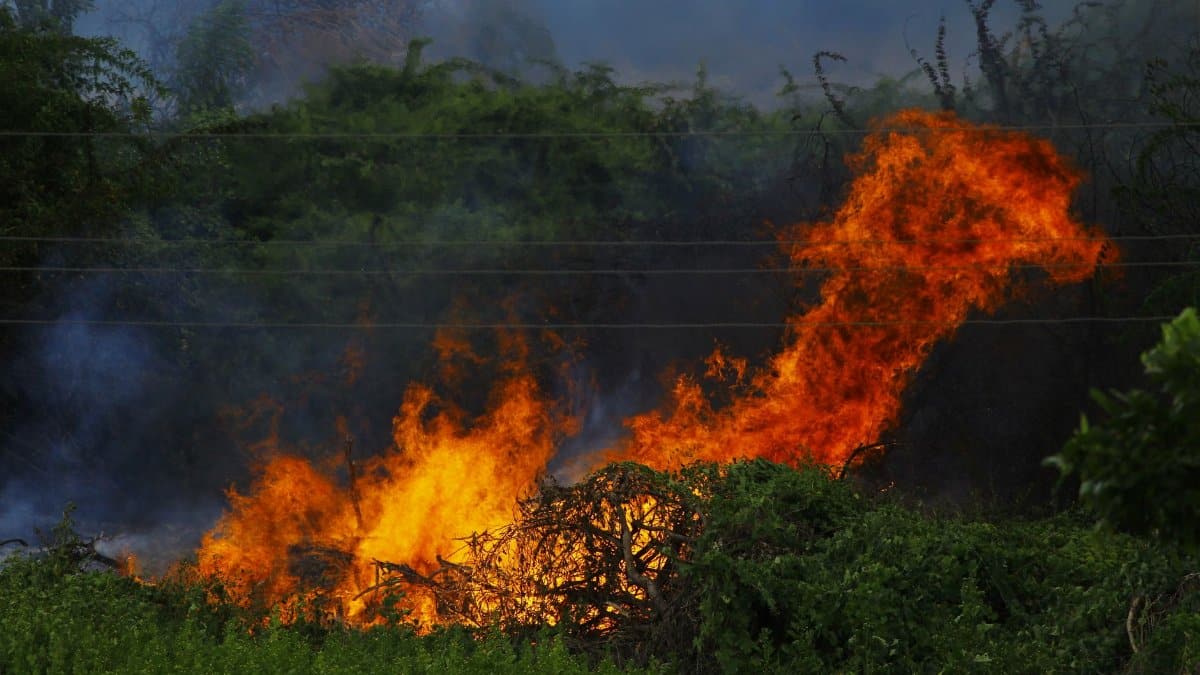
On a Saturday when many families in Los Angeles County expected only heat and ordinary weekend traffic, smoke over the Angeles National Forest turned routine plans into urgent departures. Bouquet Fire evacuations began as the blaze, reported that day, moved quickly across dry slopes and reached 843 acres with no containment, according to early public reporting. People near canyon roads watched the sky change and made the oldest calculation in wildfire country: what to carry, whom to call, and how soon to leave.
A Saturday that did not stay ordinary

Wildfire news often arrives in fragments. A neighbor posts a photo. A scanner app chirps. A relative texts from a ridge with a clearer view. By the time a name attaches to the smoke, the practical questions have already started. Is the road still open. Are animals already loaded. Did anyone check on the house at the end of the lane.
The San Francisco Chronicle reported the Bouquet Fire as a fast moving wildfire in Los Angeles County that had grown to 843 acres with no containment. That single set of facts is enough to explain the mood on the ground. Acreage is not an abstraction when the fuel is chaparral and the wind has a reputation. No containment means crews are still trying to get ahead of a fire that has not agreed to a boundary.
Readers far from the forest sometimes treat these updates as a scoreboard. Residents do not. They hear a number and translate it into drive time, into whether a child is at a birthday party across town, into whether a parent who does not text well has seen the alert.
Why this forest burns in the public imagination
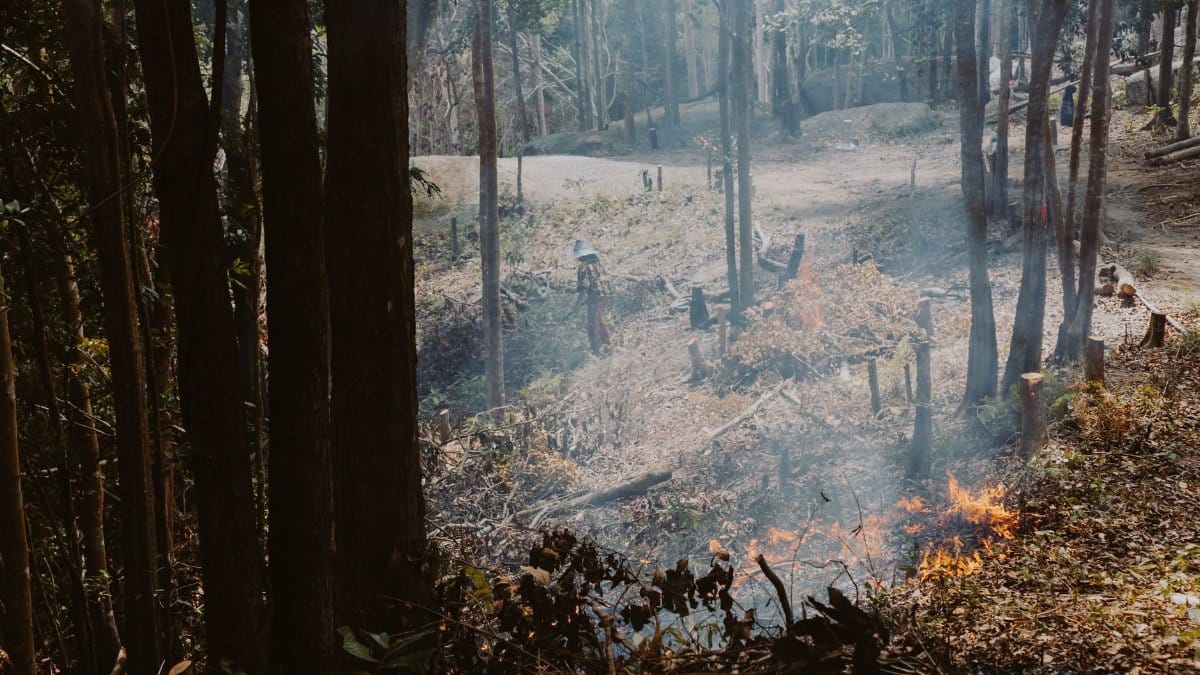
The Angeles National Forest is not a distant wilderness in the way outsiders sometimes picture national forest land. It rises behind a vast metropolitan region. Trailheads, reservoirs, scattered homes, and recreation sites sit inside a landscape that can look gentle in spring and severe by late summer. When fire starts there, the city feels it in the air before many people can point to the ignition on a map.
That proximity shapes the story. Evacuation is not only a rural ritual. It can involve commuters, weekend hikers, caretakers of small properties, and people who moved to the edge of the hills for quiet and now keep go bags by the door. The forest is recreation, watershed, habitat, and, on days like this, a source of risk that does not respect a property line.
Journalists covering California fire have learned to describe that edge carefully. Beauty and hazard occupy the same view. A canyon that looks like a postcard in June can funnel wind in August. None of that is new. What changes is who is standing in the driveway when the order comes.
The human pace of leaving

Bouquet Fire evacuations are measured in official notices, but they are lived in minutes. Someone grabs medications and leaves the good coat. Someone else circles back for a dog that slipped a collar. A third person sits in a car at the end of a street, engine running, trying to decide whether a warning is the same as an order. Those choices look simple from a newsroom desk. They are not simple when smoke is the only clock that matters.
Public safety agencies urge people to leave early, and the reason is blunt. Roads narrow. Visibility drops. A traffic jam in a canyon is not the same inconvenience as a traffic jam on a freeway. The moral pressure runs in two directions at once. Stay and you may block crews or trap yourself. Leave and you may abandon a place that holds a life of objects, none of which can be ranked perfectly in a rush.
I have stood in enough smoky parking lots, as a reporter and as a neighbor, to know that people do not perform bravery for the cameras as often as television suggests. They look tired. They ask whether the wind is supposed to shift. They apologize for asking the same question twice.
What early reporting can and cannot say
Early fire reporting is a discipline of limits. Acreage can change between updates. Containment can remain at zero while crews cut line that will matter later. Cause is often unknown, and guessing at it is a disservice. The responsible sentence is the short one: a fire is moving, people are leaving, and officials have not yet drawn a box around it.
The Chronicle account placed the Bouquet Fire in Los Angeles County on Saturday and described growth to 843 acres without containment. Readers should treat that as a snapshot, not a final portrait. Wildfire stories punish false precision. A figure that is accurate at noon can be incomplete by dusk, not because anyone lied, but because fire does not file on a news cycle.
That uncertainty is itself news. Families making Bouquet Fire evacuations decisions rarely get the luxury of a complete map. They get a direction of travel, a road closure, a color on an alert screen. Good journalism names what is known and refuses to decorate the rest.
Shelter, animals, and the inventory of a life
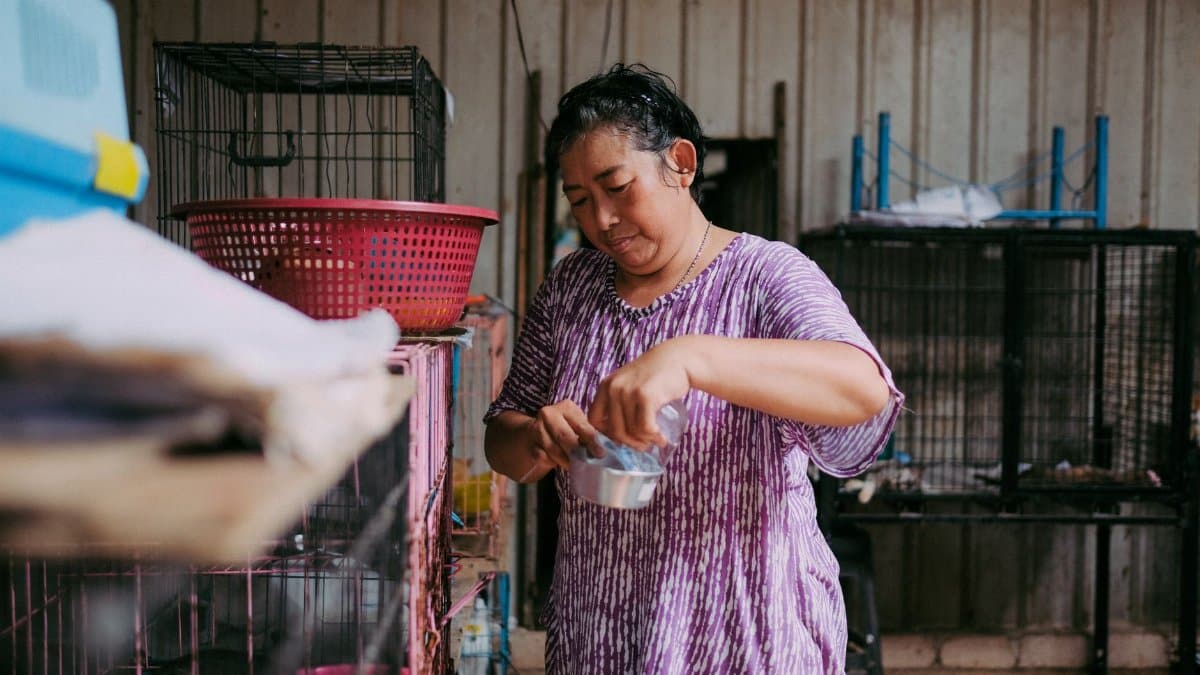
Evacuation centers, when they open, reveal a quieter census than the flame photos. Folding chairs. Phone chargers. People comparing notes on which street was told to go and which street was told to prepare. Horses and other animals complicate every plan. A sedan cannot solve a pasture. Neighbors with trailers become infrastructure.
What people carry is a kind of autobiography written in haste. Papers. A hard drive. A quilt. A bottle of a parent’s medicine. The objects look random until you hear the sentence attached to each one. Then they look inevitable. Loss, if it comes, will not be evenly distributed. A rented room and a family house do not evacuate on the same terms, even when the smoke is the same.
Local mutual aid often starts before formal systems finish their first briefing. That is not a romance about self reliance. It is a description of time. The first hour belongs to whoever is already there.
Faith on the edge of the hills
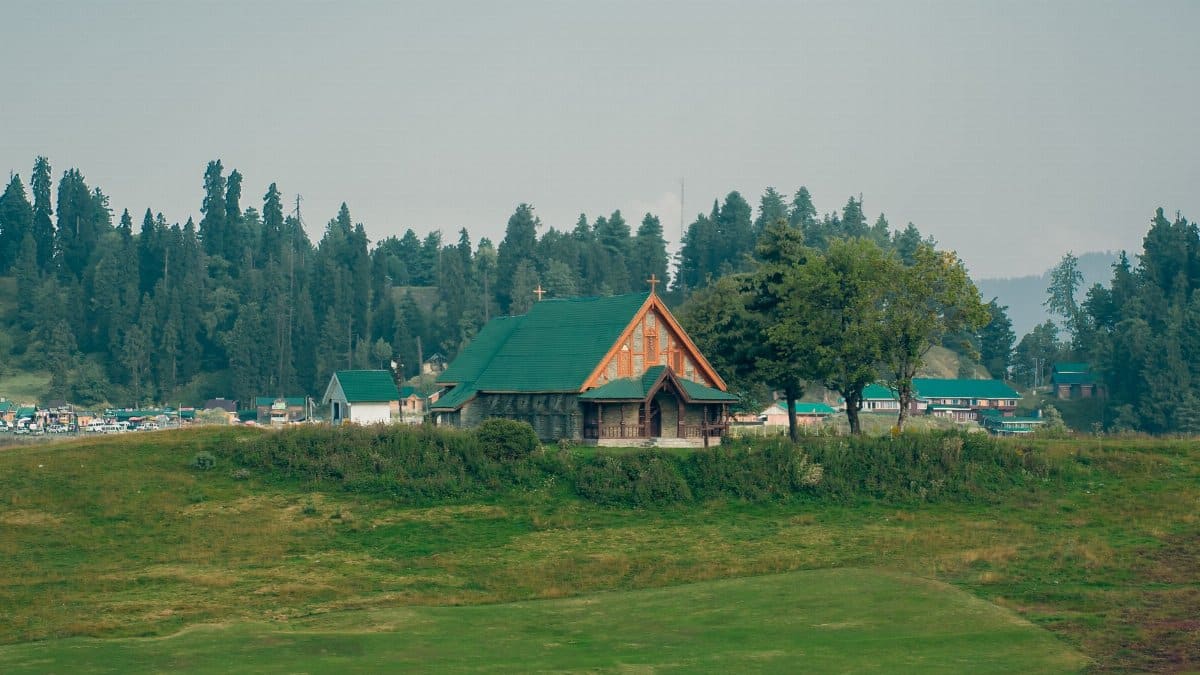
This fire is a civic emergency, not a sermon. Still, in a region where spiritual communities sit alongside fire stations and feed stores, belief shows up in practical forms. A parish hall becomes a cooling place. A congregation texts a roll call. Someone prays in a car with the windows up against the smell. Someone else, with no church at all, stands outside and watches the ridge because watching feels like a duty.
Spiritual language can be misused in disaster, especially when it papers over preventable harm or treats suffering as a lesson. The better use is smaller. People ask to be kept in mind. They ask for calm. They ask that crews come home. Those requests do not change acreage. They do change how a night feels when sleep is unlikely.
Trends in how Americans talk about disaster have shifted toward both data and ritual. Alert apps and candlelight can occupy the same kitchen table. Neither replaces the other. A community that only counts acres may miss the fear. A community that only prays may miss the road closure.
The work crews do out of public view
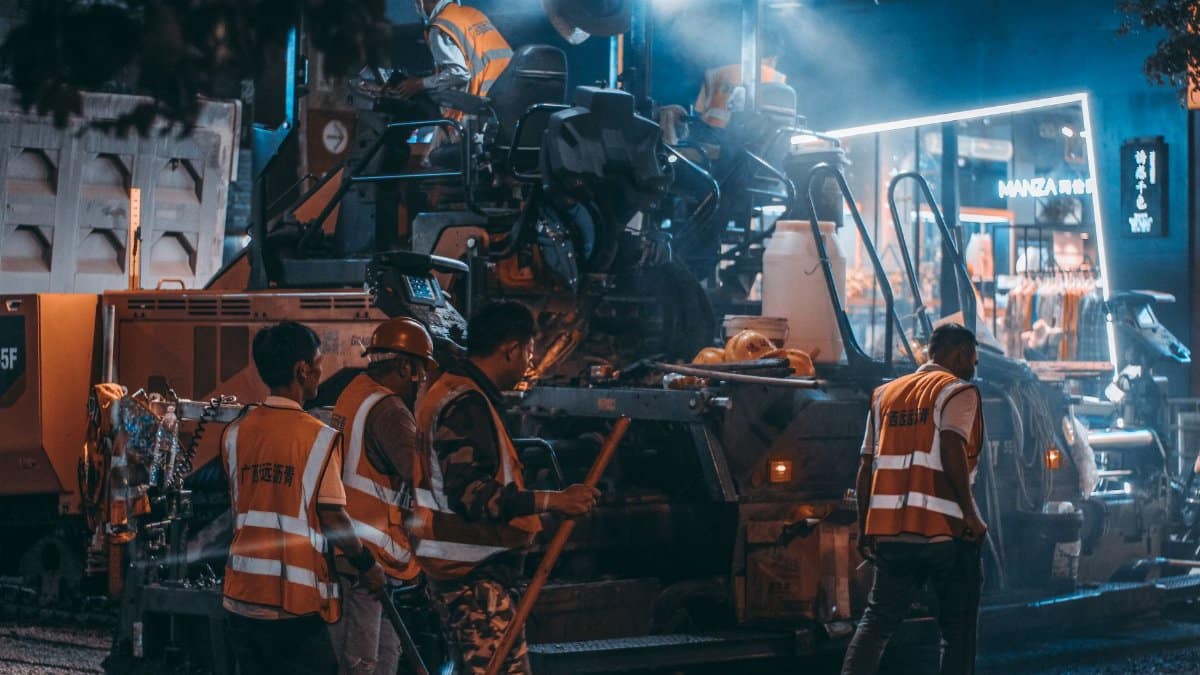
Most of the labor that decides a fire’s next hour is hard to film. Hand crews, engine companies, aircraft, lookouts, and dispatchers build a picture from heat, wind, and terrain. Residents see tankers and infer a plot. Firefighters see slope, fuel, and access. The gap between those views is where rumors grow.
No containment is not a verdict that nothing is being done. It is a status. It means the fire has not been held inside a completed line. People under evacuation pressure deserve that distinction without being talked down to. Hope that is honest sounds different from hope that is promotional.
Reporters should also resist turning every crew into a symbol. The work is skilled, dangerous, and specific. Gratitude does not require mythology. It requires accuracy about risk and about the limits of what any team can promise when weather still has a vote.
Air, health, and the city beyond the flame
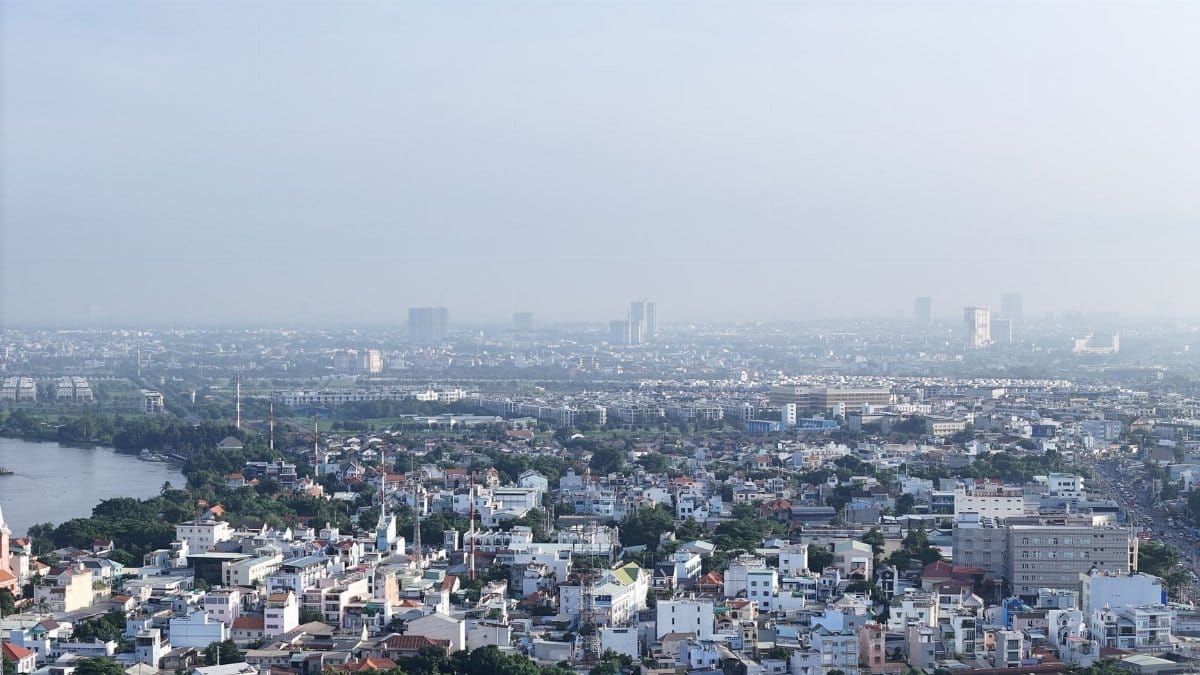
Even households that never receive an evacuation notice inherit the fire through the air. Smoke does not stop at the forest boundary. Older adults, children, and people with heart or lung illness feel that inheritance first. Public health advice in these episodes is familiar and still worth repeating in plain words: stay inside if officials say so, reduce outdoor exertion, and pay attention to people who cannot easily change their environment.
A wildfire story that stays only on the flame front misses this wider map. Bouquet Fire evacuations are the sharp edge. The duller edge is a region breathing the same afternoon. Schools, outdoor workers, and people without sealed housing all sit on that duller edge. Policy arguments about housing, forest management, and climate belong in the larger record. They should not be used to blur the immediate fact that a named fire is moving and people are being told to go.
Memory in a state that knows this season

California readers carry a private archive of fire names. Each new one lands on that archive whether or not the acres match. The comparison can help, because communities remember what worked: leave early, keep a list, check on the person who lives alone. The comparison can also harm, because no two fires share a script. A past escape is not a guarantee. A past loss is not a prophecy.
Angeles National Forest has appeared in that archive before, as have canyons and communities around it. Familiarity should produce preparedness, not numbness. The Saturday report of 843 acres and no containment is a reminder that the season does not wait for anyone to feel ready. It also does not ask permission to interrupt a weekend.
For families in the path, the meaningful comparison is local and immediate. Is this street on the list. Is the animal trailer hitched. Is the phone charged. National narratives can wait until the road is behind them.
How to read the next update

The next official note may raise the acreage, announce a percentage of containment, shrink or widen evacuation zones, or correct an early detail. Readers should expect revision. That is not instability in the press so much as the nature of an event still underway. The useful habit is to follow primary alerts for safety decisions and to treat news stories as context, not as a substitute for an order to leave.
Bouquet Fire evacuations will be remembered less by the first headline than by how cleanly information moved. Did warnings arrive in time. Did roads stay passable. Did shelters have room. Did anyone get left out of the notification because of language, disability, or a dead phone battery. Those questions measure a response more honestly than a single dramatic image.
Until those answers settle, the honest account remains the one already in front of the public. A fire reported Saturday in Los Angeles County grew quickly inside and beside a national forest landscape that millions of people can see from their ordinary lives. It stood at 843 acres with no containment in the early account. People left because waiting for a neater story is not a safety plan.
After the smoke thins
When containment eventually comes, the narrative will shift toward damage, investigation, and return. Some residents will find homes standing and still feel unable to sleep. Others will face a harder inventory. Insurance, rebuilding rules, and the slow argument over what the hills can hold will outlast the news cycle. Spiritual communities and secular neighbors alike tend to discover, in that later week, that casseroles and paperwork both matter.
The first duty, while zones are active, is simpler. Listen to evacuation guidance. Make room for people and animals who had less time than you did. Do not spread unverified ignition stories. Let crews work. The forest will still be there to argue about when the air clears. The people leaving it this weekend need the argument to wait.