
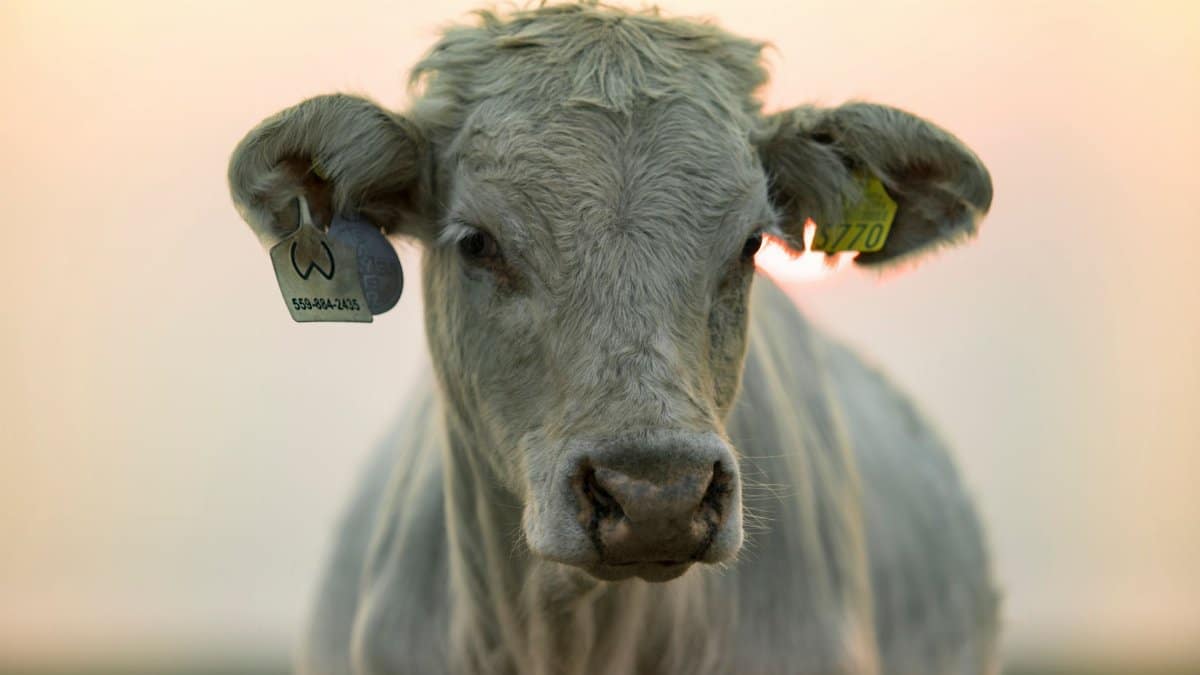
The flags along the route into Grand Island snap in a dry wind, and the talk in the parking lots is not only about crowds and cameras. President Trump is coming to campaign with Senator Pete Ricketts, and the argument traveling with him has a blunt name among cattle people: Trump Nebraska beef imports. Ranchers who have spent a hard season watching margins shrink say a warmer welcome for foreign beef would undercut the very communities the visit is meant to flatter. Shoppers, packers, and trade officials hear a different story, one about high prices and thin supplies. The stop is politics. The dispute underneath it is about who gets paid when America eats.
A campaign stop with a cattle argument attached

Grand Island sits in the middle of a state that still measures parts of its identity in acres, herds, and the long drive to a sale. A presidential visit turns ordinary streets into a stage, but the stage has a script that local producers did not write. According to reporting in the Boston Globe, the president is campaigning with Senator Pete Ricketts while ranchers press their opposition to more foreign beef. That pairing is awkward on purpose. Nebraska rewards politicians who sound like allies of agriculture. It also punishes them when a national message treats cattle as a price problem rather than a livelihood.
The White House frame is familiar. Voters feel grocery bills. Beef has been expensive. A promise to loosen supply sounds, in a rally, like relief. On a ranch, the same promise sounds like someone else capturing the recovery just as domestic herds begin to matter again. Neither hearing is silly. They simply start from different kitchens.
Why ranchers hear imports as a threat
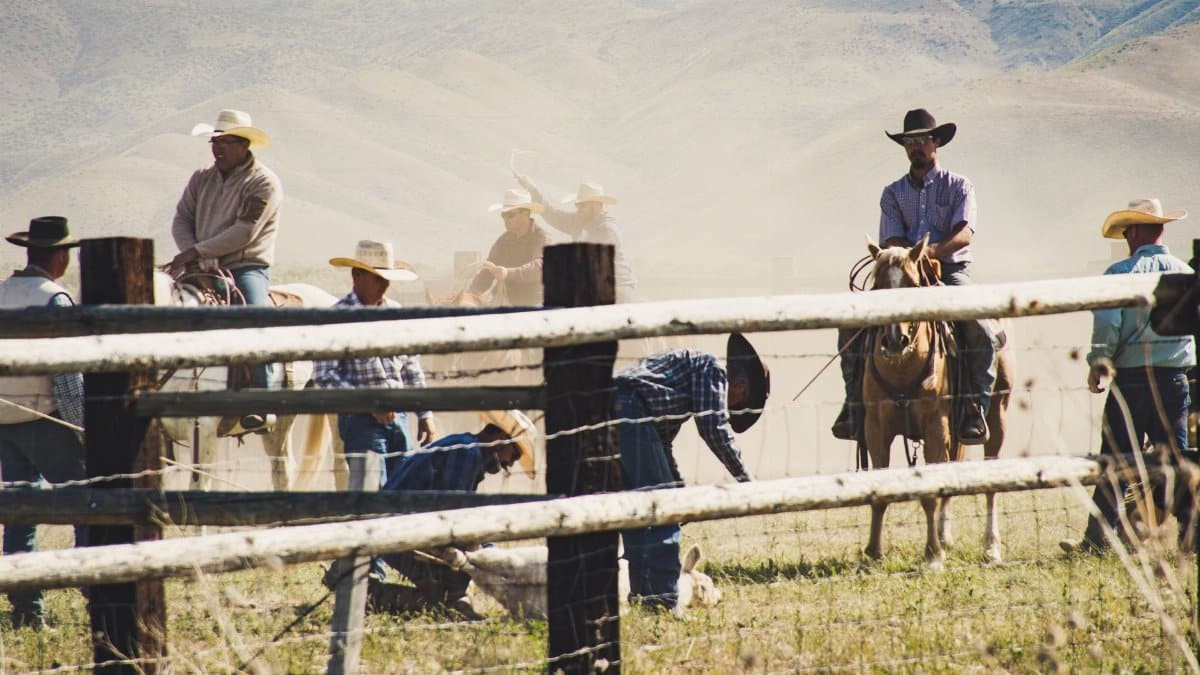
Cattle production is slow in a way that few other industries still are. A decision to keep a heifer instead of selling her does not show up as extra beef next month. It shows up years later, after feed, weather, interest, and luck have had their say. Ranchers argue that import policy moves faster than biology. If Washington signals that foreign beef will fill any gap, lenders and young operators read that signal as a reason not to rebuild.
They also argue about fairness of rules. Producers here live with inspection, labeling fights, environmental expectations, and a packing sector concentrated enough to set the terms of trade. Meat from abroad can meet American food safety gates and still come from a cost structure that a family operation in the Sandhills cannot match. The objection is not a cartoon of closed borders. It is a claim that expanded access, timed against a thin herd, transfers value away from the people who stayed in the business through the hard years.
The consumer case that travels well on a stage

The other side of the argument does not require a villain. Households have watched beef move from a weeknight habit toward a special occasion. Restaurants trim portions or swap proteins. For a president who likes to talk about prices as a verdict on leadership, foreign supply is an available lever. Imports do not create cattle overnight either, but they can add boxes of product to a market that feels short.
Economists who study meat markets tend to describe imports as a shock absorber. When drought, disease, or a smaller calf crop tightens domestic supply, beef from trusted partners can keep plants running and keep some cuts from spiking further. That logic is clean on a chart. It is less clean in a county where the chart is a neighbor who sold the herd. The political skill, if there is any, lies in admitting both truths without pretending they cancel.
What Trump Nebraska beef imports means in practice
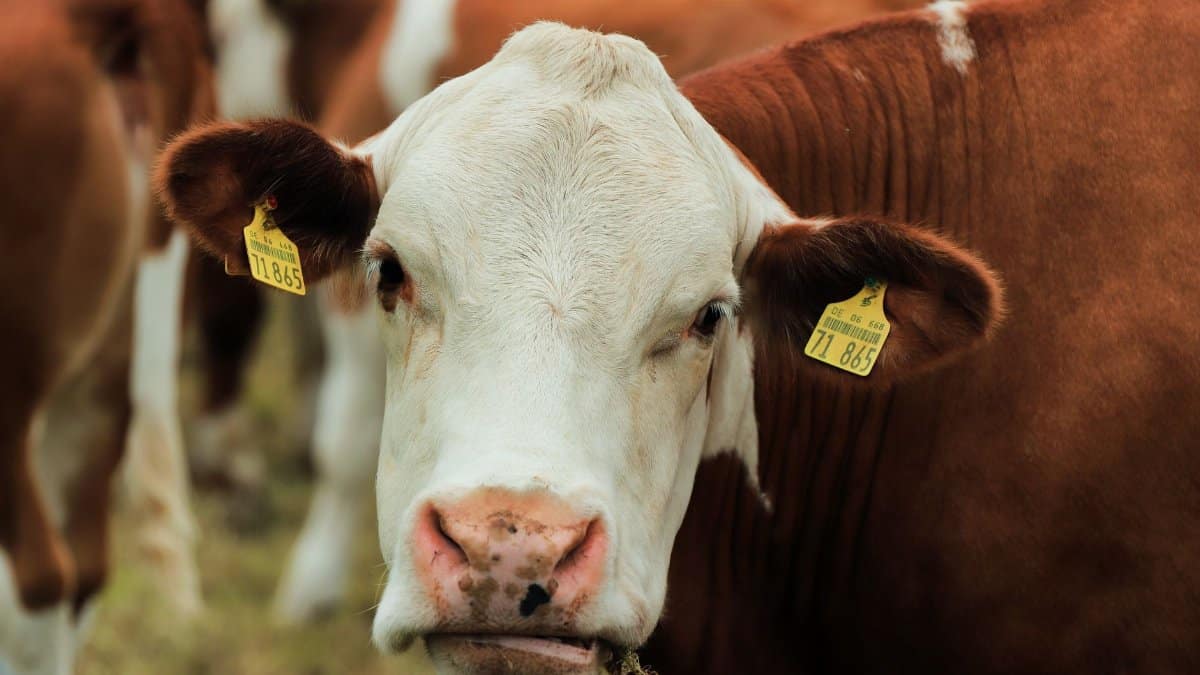
The phrase Trump Nebraska beef imports is less a statute than a collision. It names a president, a state with deep cattle roots, and a policy direction that many of those roots reject. In practice it points to tariff talk, quota talk, and the quieter administrative choices that decide how much product clears the border in a given year. Ranch groups want tighter limits or at least a pause while domestic numbers recover. Import advocates want flexibility, especially if retail prices stay elevated and trading partners press for access.
Voters will not parse quota math at a fairground. They will hear whether the president treats ranchers as partners or as an obstacle to a cheaper steak. Ricketts, standing beside him, will be read the same way. A senator from Nebraska does not get to be vague about cattle for long. Proximity to power is an asset only if the people back home believe it was used.
Pete Ricketts and the local translation

Senator Pete Ricketts arrives at this stop with a résumé that already includes the governor’s office and a close public alignment with Trump. That history makes him a useful companion on the trail and a necessary interpreter once the motorcade leaves. Nebraska politics still has room for retail persuasion: sale barns, equipment dealers, church suppers, the long conversation after a high school game. A national line about imports has to survive that conversation.
Allies of the senator will say he can carry rancher frustration into rooms that most producers never enter. Critics will say a shared stage endorses the policy even when the speech includes a few careful sentences of sympathy. Both claims can be true in part. Campaign appearances are not hearings. They are photographs with consequences. The consequence here is whether cattle country leaves feeling consulted or managed.
Drought, debt, and a smaller herd
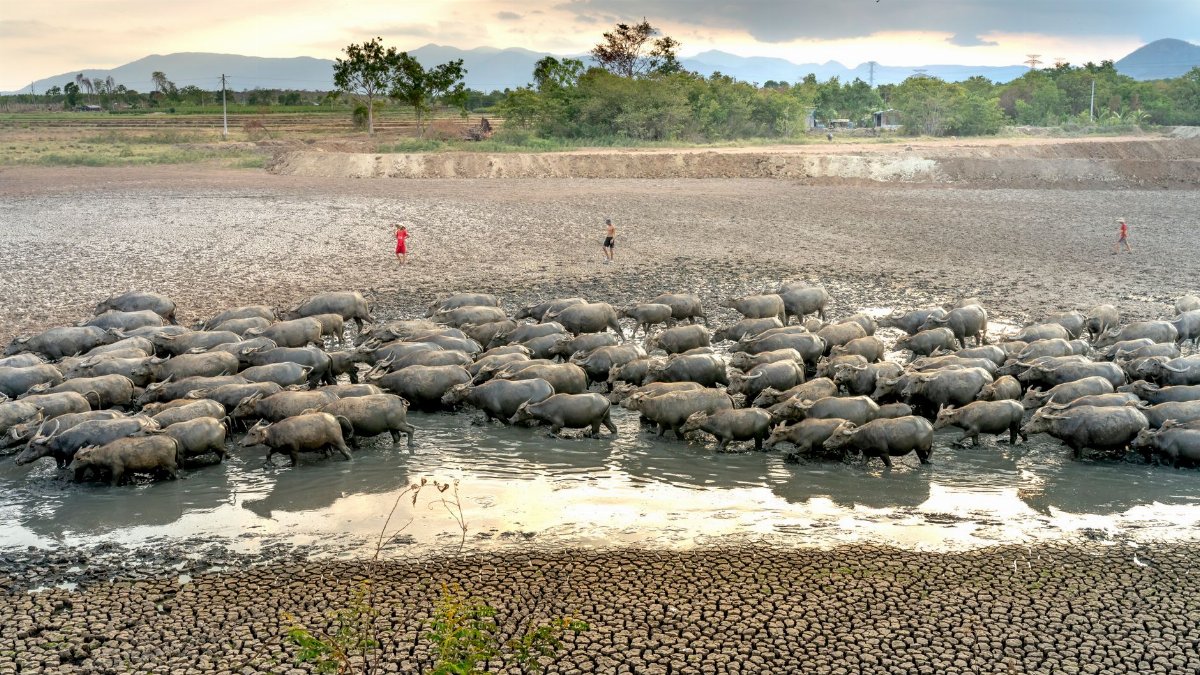
Any honest account of beef prices has to leave the rally and look at weather. Years of dry conditions pushed producers to sell animals they would rather have kept. Feed grew costly. Pasture thinned. The national herd contracted, and contraction is the most reliable recipe for higher cattle prices later. Those higher prices are not a conspiracy. They are the market paying for scarcity that nature and prior decisions helped create.
Scarcity is also why the import fight feels urgent rather than theoretical. When cattle are plentiful, an extra shipment is a footnote. When they are not, every shipment is a rival bid for the consumer dollar. Young ranchers trying to buy land or restock after a selloff watch interest costs and ask whether the recovery will last long enough to justify the risk. Policy that looks like a short bridge for shoppers can look like a collapsed bridge for them.
Packers, ports, and the middle of the market
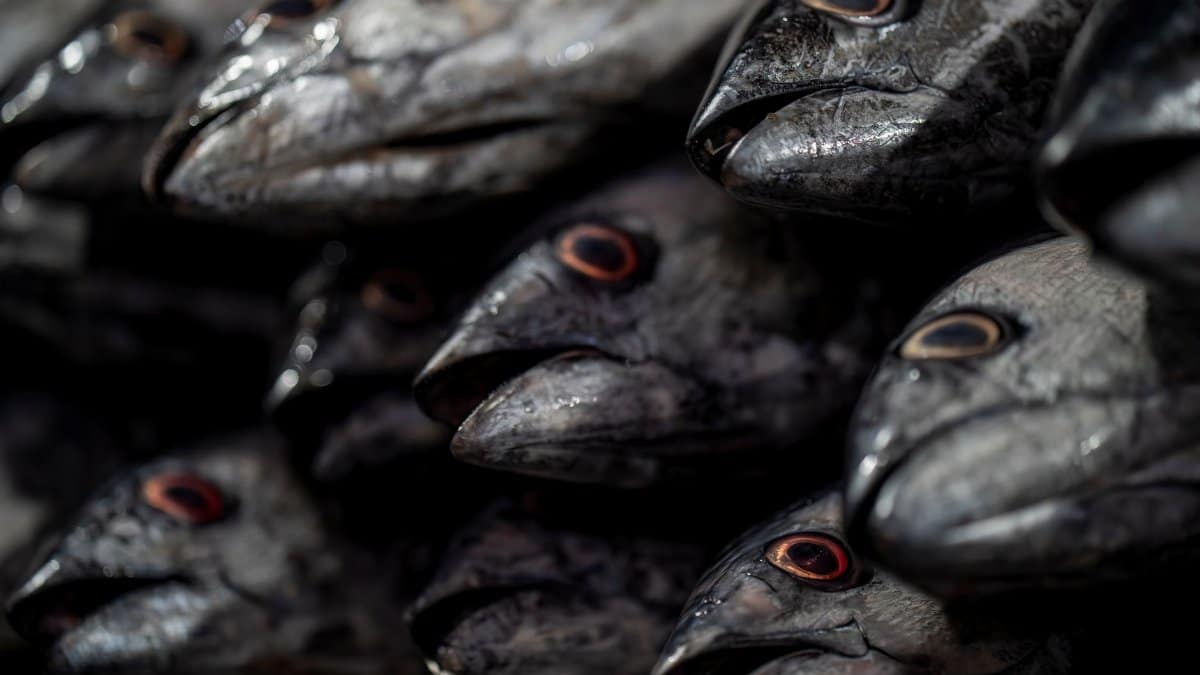
Between the pasture and the plate sits a narrow set of companies that slaughter, box, and ship beef. Ranchers have distrusted that middle for generations, and the distrust survives changes in party. When imports rise, producers ask who captures the margin: the foreign supplier, the packer, the retailer, or the family that still owns the cows. The answer is rarely posted on a rally sign.
Packers and some retailers argue that imported beef keeps shifts scheduled and keeps ground beef, in particular, from becoming a luxury. Ground beef is where a large share of American meals still live. A policy debate that talks only about ribeyes misses the weeknight reality. A debate that talks only about weeknights misses the people who produced the animal. Grand Island, with its plants and its surrounding counties, is a place where both sentences are local.
Faith, land, and a harder kind of loyalty
In much of rural Nebraska the argument is not only economic. Churches still set the week’s rhythm, and plenty of ranch families talk about land as a trust rather than a pure asset. That language can sound soft to a trade lawyer. It is not soft to people who bury parents in the same county where the calves are born. Stewardship, in that telling, includes paying the note and keeping the place intact for someone who is not in the room yet.
A campaign that asks for loyalty has to reckon with that kind of loyalty. Ranchers who vote Republican are not automatic votes for every Republican trade idea. They can cheer a candidate on immigration, courts, or taxes and still reject a beef policy they believe treats their work as interchangeable with a container at a port. Spiritual conviction here often shows up as stubbornness about place. It does not fit cleanly on a teleprompter.
How the rest of cattle country is watching
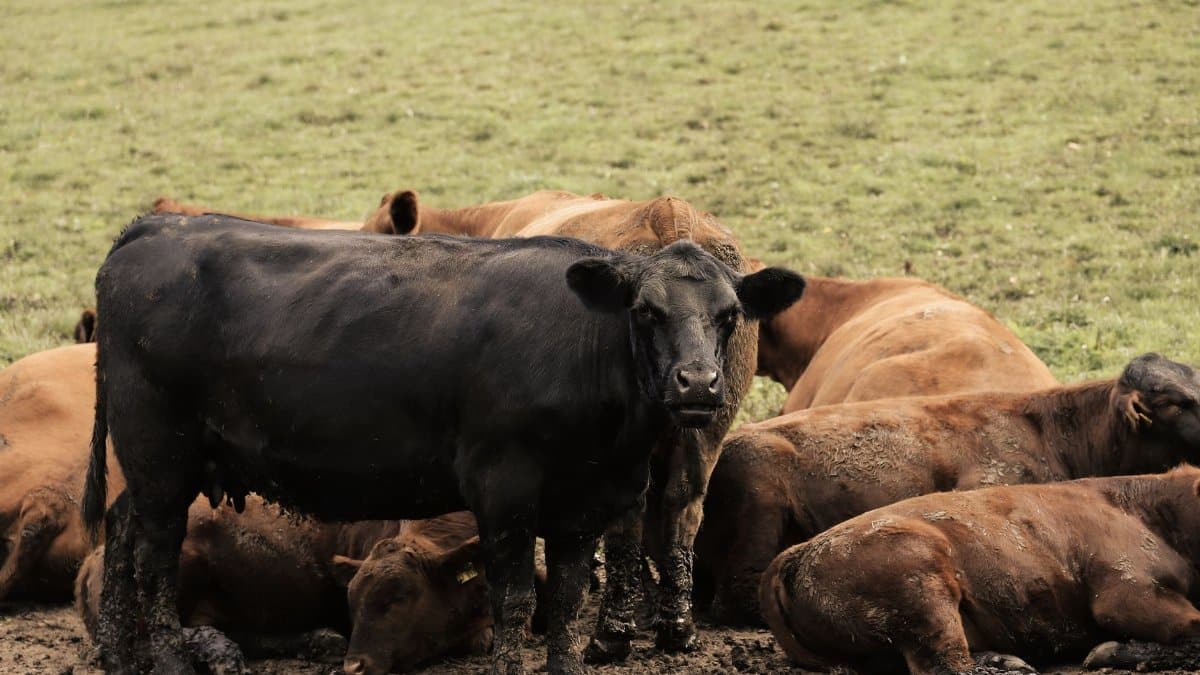
Nebraska is not the only state with a stake. Texas, Kansas, Oklahoma, the Dakotas, and pockets of the Mountain West raise cattle under different grass, different drought patterns, and different politics. What happens in the Trump Nebraska beef imports argument will be read in those places as a test of whether the administration hears producers when the consumer story is louder. Farm groups trade notes. So do governors who would rather not choose between a president of their party and a county that funds the state fair.
There is also a foreign audience. Exporters in Australia, Brazil, Canada, Mexico, and elsewhere watch American quota and tariff signals the way ranchers watch the futures board. A speech in Grand Island is not a treaty. It can still move expectations. Trading partners remember when access was promised and then narrowed, and they remember the reverse. Predictability is a form of respect in commerce, and this dispute has not been predictable.
Prices, labels, and what shoppers can actually see
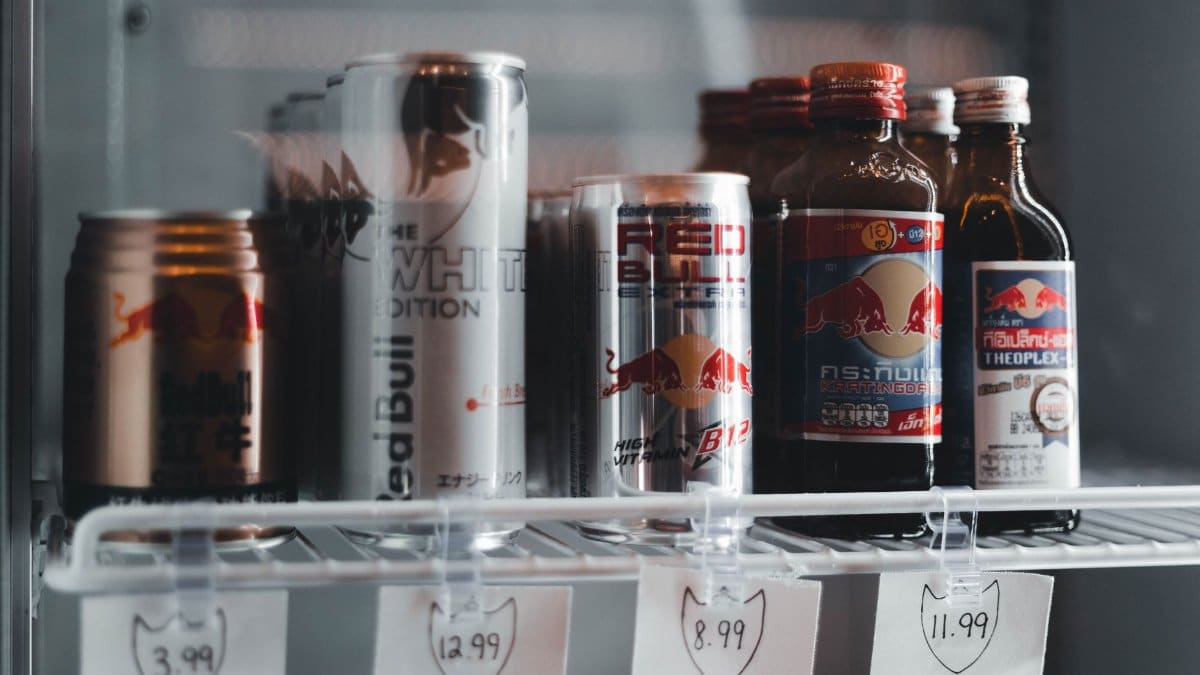
Most shoppers do not stand in the aisle and reconstruct herd cycles. They see a number on a package. Labeling rules, country of origin fights, and the blending of ground beef have made that number even harder to interpret. A steak may be clearly domestic. A tray of ground product may be a mix. When politicians say imports will help, consumers deserve a plain account of which cuts, which volumes, and which safeguards. When ranchers say imports will hurt, they deserve a plain account of how much, and for how long, before a rebuilt herd changes the math.
Clarity would not end the conflict. It would at least stop both sides from hiding behind adjectives. Cheap, safe, fair, and American are not synonyms. A serious visit would treat them as separate claims that each need evidence.
What a speech can and cannot settle

No single appearance in Grand Island will set next year’s import levels. Those choices move through agencies, trade talks, and the dull machinery of quotas. A speech can still matter because it tells ranchers whether their objection is welcome in the coalition or merely tolerated until the cameras leave. It tells shoppers whether price relief is a real plan or a line. It tells Ricketts whether standing on that stage bought influence or only a photograph.
The wiser political move is also the harder one: name the tradeoff. More foreign beef can ease some prices and still bruise domestic rebuild plans. Protecting ranchers can support rural counties and still leave households paying more for longer. Pretending one side is painless is how trust erodes in places that already feel talked about more than talked with.
After the motorcade

When the president leaves, Grand Island goes back to shifts, school nights, and the ordinary price of diesel. The phrase Trump Nebraska beef imports will linger in a more practical form: calls to congressional offices, comments on proposed rules, arguments at the co op counter, and decisions about whether to keep heifers another year. Those decisions are the real herd policy of the country. Washington can encourage them or spook them. It cannot sign them into being.
Ranchers opposing more beef imports are not asking for a parade. They are asking not to be the cost of a promise made somewhere else. Shoppers are asking not to be told that patience is a moral duty while the receipt gets longer. A campaign stop can honor both asks only if it refuses the easy cheer. Nebraska has heard plenty of cheers. It is waiting to see whether this one comes with a number, a timetable, and the nerve to say who pays.