

The lights at Petco Park stayed bright long after the last out, and the visitors from Chicago had already started the quiet walk that ends a season. A Cubs Padres wild-card sweep is a short sentence for a long disappointment. Two games, one extra base hit, and a flight home before the rest of the sport had even settled its longer series. For a club that spent months selling belief, the ending arrived with almost no warning and almost no thunder.
A series that never opened up

Sweep is a hard word because it suggests dominance, and the results carried that implication even if individual moments felt closer than the final record. Chicago did not need a blowout to be finished. One extra base hit across two games is not a brief slump. It is a near disappearance of the contact that stretches a rally. In October, a double is not decoration. It moves a runner ninety feet farther than a single, changes the infield, and forces a manager to spend a pitcher he hoped to save. San Diego did not have to be perfect. It had to keep Chicago ordinary, and ordinary was enough to close the series.
That absence of damage also flattened the drama people expect from a playoff night. Close games can still feel large when the ball jumps. These games stayed small. The Cubs reached the postseason door and then played as if the door were narrower than the summer had suggested.
What one extra base hit reveals
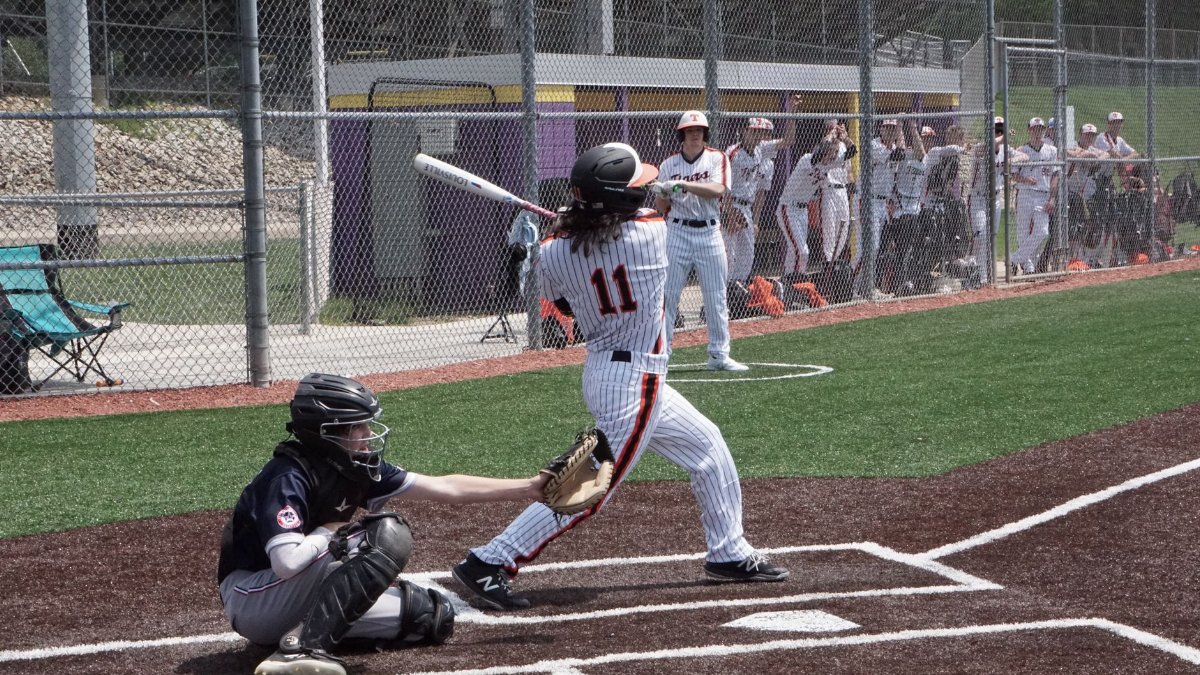
An extra base hit is a small event with a large shadow. It turns a routine inning into a problem for the defense. It punishes a pitcher who lives on weak contact. Without it, an offense lives on singles, walks, and the hope that someone will eventually miss a spot. Hope is a poor plan against a staff willing to throw strikes. For two nights Chicago looked like a team waiting for a mistake that never arrived in a form it could punish.
The season ended in San Diego not because one famous swing failed, but because the swing that creates gravity barely appeared. Fans can argue about luck, wind, and umpires. The cleaner fact is simpler. A lineup that cannot reach the gap cannot make a superior pitching plan uncomfortable. Discomfort is how underdogs steal games. Comfort is how favorites, or simply better prepared clubs, finish them.
October shrinks every margin
A full summer can hide a quiet bat or a bullpen inning that wanders. A two game series cannot. Analysts like to talk about sample size, and sample size is a fair caution in June. It is a weaker comfort in the first week of October, when the sample is the entire remaining season. One extra base hit is not a moral verdict on a roster built over years. It is a factual description of how little pressure Chicago put on San Diego.
Pressure is the currency of a short series. You earn it with traffic, with deep counts, and with the occasional ball that finds grass beyond an outfielder. The Cubs spent that currency too quickly. When the nights grew late, there was little left to spend. A club can be talented and still be easy to manage for two games. Talent that does not travel into the strike zone at the right time is talent the opponent does not have to fear.
How San Diego kept the game small

I have watched enough Octobers to know that the team which makes the game smaller usually wins the short one. San Diego did that work. Whether by scouting, by execution, or by the simple habit of attacking the zone, the Padres kept Chicago from stretching contact into something louder. A sweep in this setting is often described as a failure of nerve. Nerve matters. So does the plan. The home club controlled enough of the strike zone that the visitors could not build the slow rallies that rescue a quiet lineup.
That is not glamorous baseball. It is effective baseball, and effective baseball ends seasons. San Diego did not need a myth. It needed outs, and it collected them before Chicago could change the shape of an inning. The visitors will study the plan. The winners get to keep playing it.
The clubhouse and the long walk

There is a particular silence after a series ends on the road. Equipment is packed with the efficiency of people who have done this before and hoped not to do it yet. Players speak in short sentences because long ones invite questions they cannot answer cleanly. What do you say about one extra base hit? You can praise the opponent, which is true and insufficient. You can promise a look in the mirror, which is also true and also insufficient.
The Cubs Padres wild-card sweep will be remembered less for any single pitch than for the hit that never arrived to change a dugout. Absence is harder to coach in the moment. It becomes a winter subject, passed from manager to hitting coach to players who will watch the same swings and disagree about what they see. The walk from the field to the bus is short. The conversation it starts is not.
Questions the front office cannot postpone

Chicago does not get to treat this as a coin flip that landed wrong and then move on without a file. An exit this abrupt asks about roster shape, about which bats were trusted when the count favored the pitcher, and about whether the pitching plan matched the opponent. None of those questions require a public hanging. They do require honesty. Did the lineup have enough players who can drive the ball when a pitcher refuses to nibble? Did the bench offer a different look, or only the same look with a different name?
The Cubs Padres wild-card sweep is now evidence. Evidence is not the same thing as blame, but it is a poor foundation for denial. A front office can talk about process and still name the missing damage. If the process cannot explain two games of almost no extra bases, the process needs a harder edit than a news conference usually allows.
Fans who made the trip

Chicago fans in San Diego are a familiar sight, blue shirts against a bay breeze, convinced that presence itself might tilt a close game. Presence does not tilt a game in which the ball rarely leaves the infield with authority. Still, the trip matters. People buy flights, miss work, and stand for anthems because a team is a kind of civic ritual. When the ritual ends in two games, the disappointment is not only athletic. It is logistical and emotional.
The flight home is longer when the reason for the flight has already collapsed. That does not make the fans naive. It makes them the people who carry the season after the players have boarded. Back in Chicago, bars that had planned a week of noise returned to ordinary weeknights. The city absorbs the loss the way it absorbs weather. It does not forget the date.
A quieter reading of a short ending

Sports writing sometimes borrows the language of faith because losing asks familiar questions. What did a city trust, and was the trust earned? A baseball series is not a sacrament. A city does organize hope around a schedule, and a schedule can betray that hope without cruelty. The Cubs Padres wild-card sweep is a small event in the life of a large city, and also not small to the people who arranged October around it.
Meaning is not found by pretending the result was noble. Meaning, if it arrives, arrives later, when the club decides what the silence was trying to say. Some endings instruct. This one instructs by subtraction. It shows what was missing, not what was glorious. That kind of lesson is harder to put on a poster and easier to use in a meeting.
What other clubs will take from the tape
Other teams will study the games for reasons that have nothing to do with loyalty. They will look for the pitches Chicago chased, the counts that ended innings, and the defensive alignments that turned possible gaps into outs. A sweep teaches opponents that a quiet lineup can be kept quiet if the plan is disciplined. It also teaches them not to romanticize talent that does not show up in the largest spots.
San Diego leaves with momentum and with the practical benefit of not having spent a third game. Chicago leaves with film. Film is useful. It is not comforting. The rest of the bracket moves on, and the clubs still alive will borrow whatever San Diego did that kept the ball on the ground and in the infield. October is a copying machine as much as it is a tournament.
The winter that starts on the tarmac

What comes next is not a slogan. It is a set of choices about payroll, development, and the courage to change a group that may still be talented. Some players will return and be better because October embarrassment is a fierce teacher. Some roles will change because a two game silence cannot be filed under bad luck alone. The front office will speak about process. Fans will ask about results. Both can be right if the process is specific.
Specific means naming the lack of extra base damage, not hiding it inside a paragraph about competing. The offseason will bring rumors, meetings, and careful language. Careful language is fine if it still points at the problem. A roster that reaches this stage and produces one extra base hit has a problem that development talks alone will not solve.
A last look before the lights dim

Petco Park will host other games, and the standings will move on without Chicago. That is the ordinary cruelty of the sport. The Cubs Padres wild-card sweep belongs now to the record, a two game ending defined by one extra base hit and by everything that hit failed to start. There will be hotter takes and colder analyses. The cleanest version is still the simplest.
A team reached the door of a longer October and could not produce the contact that opens it. San Diego was ready. Chicago was not, at least not in the way that counts when the schedule stops waiting. The lights will come on again next spring. The questions from this week should still be in the room.