
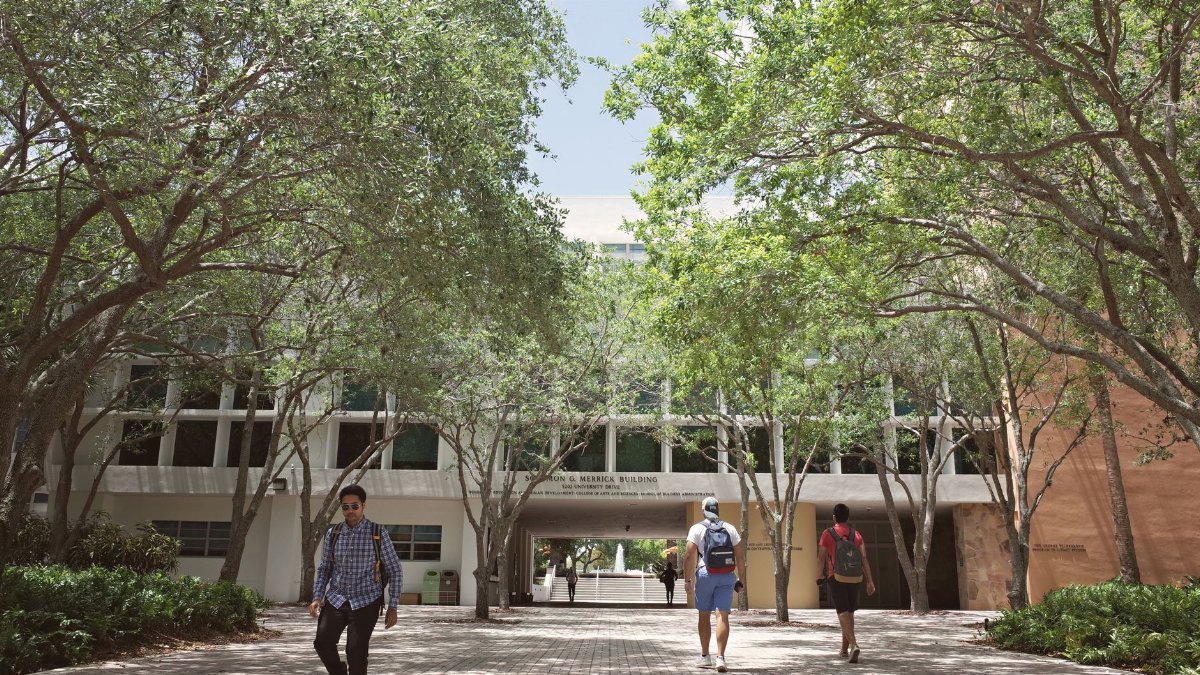
On a humid morning under the elevated tracks, the shade arrives before the breeze. Cyclists thread past dog walkers, and the concrete columns throw long bars of light across a path that did not exist a decade ago. That ordinary scene is the point of a vote that put Coral Gables Underline funding on the city ledger, half a million dollars toward a park that treats transit land as something residents can actually use.
A vote that splits the request in half
Coral Gables agreed to contribute $500,000 after organizers asked the city for $1 million. The figure is not the whole cost of the corridor, and it is not a blank check for every future phase. It is a municipal share of a regional project whose spine runs beneath Metrorail for about 10 miles, from the urban core toward the southern suburbs.
For a city of this size, half a million dollars is real money. It is also a familiar kind of civic arithmetic. Commissioners weigh a visible public amenity against streets, drainage, pensions, and the quieter bills that never make a ribbon cutting. The decision says the path is worth a place in that competition, not that the competition is over.
What the corridor is trying to become
The Underline is a linear park and trail built in the right of way under the elevated rail. Where the ground was once mostly leftover space, the plan calls for walking and biking routes, native planting, lighting, and places to sit. The idea is simple enough to explain to a neighbor and hard enough to finish that it has taken years of design, fundraising, and construction in stages.
Friends of The Underline and public partners have treated the project as both transportation and landscape. A person who bikes part of a commute is one user. A person who never boards a train, and only wants a shaded loop after work, is another. The same strip of land has to serve both without pretending that a park can fix traffic, housing, or the summer heat.
Why Coral Gables is in the picture
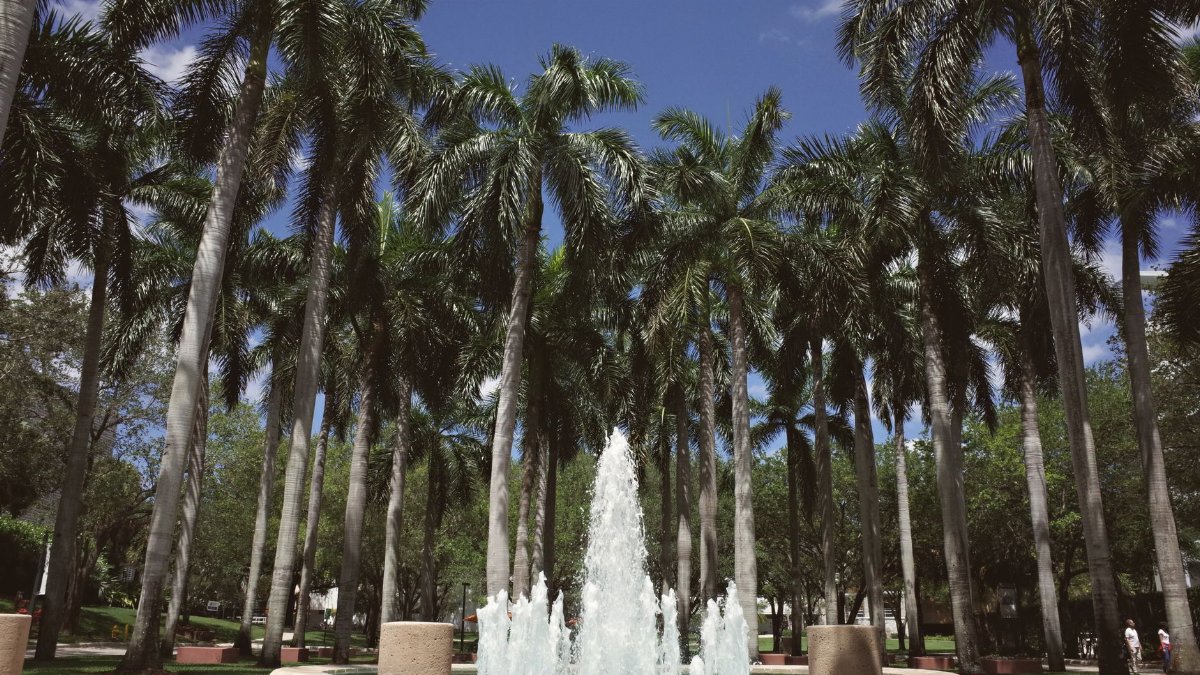
The city does not own the rail line, and it does not control every block the path will touch. It does sit along a stretch of the southern corridor, and its residents already use the stations, the roads that cross underneath, and the neighborhoods that feel the construction. When a project of this scale asks a city for money, the question is not only generosity. It is whether the segment near home will be finished to a standard the city can live with.
Coral Gables has long sold itself on trees, streets, and a certain care with public design. A path under a highway of trains tests that reputation. Columns, noise, and drainage are not the canvas most landscape architects would choose. They are the canvas the region actually has.
Half a million in a much larger ledger
Anyone reading the headline can miss the scale. Building a continuous park under active transit is not a single appropriation. Land agreements, utility moves, lighting, soil, irrigation, and years of maintenance sit behind the planting plan. County, state, federal, and private dollars have all been part of the story at different moments. A city check is one tile in that mosaic.
That is why the split matters. Organizers asked for $1 million. The city funded half. Supporters can call it a meaningful yes. Skeptics can call it a partial yes that still leaves a gap. Both descriptions can be true at once. Public projects often advance on that kind of incomplete agreement, then return when the next phase needs cash or when costs move.
The case for spending it here

The argument for the money is not abstract. Shaded routes matter in a county where walking at midday can be a health decision as much as a leisure one. A protected path can shorten some car trips and make station access less hostile. Planting under the guideway can cool a harsh space and give stormwater somewhere to go besides a clogged inlet.
There is also a civic argument that does not depend on ridership charts. Cities that only invest in roads and buildings eventually discover they have no room left for unstructured time. A linear park is a modest correction. It does not replace a waterfront. It reclaims land the region already paid for when it built the train.
The case for caution

Caution is not the same as opposition. Residents can like the path and still ask what the city is buying. Will the funds be restricted to work inside or beside Coral Gables, or can they support a phase whose benefits land mostly elsewhere? Who pays to keep lights working, irrigation honest, and plantings alive after the photographers leave? A beautiful opening day is cheaper than a beautiful tenth year.
Construction under live rail also brings disruption. Lane closures, noise, and temporary loss of informal parking are not theoretical. People who live closest to the columns often bear those costs while the marketing photos emphasize the finished shade. A fair funding debate names that imbalance instead of treating every critic as hostile to parks.
Design under a machine that never really stops
The engineering constraint is the story as much as the planting. Trains keep running. Maintenance crews still need access. Drainage has to work when a summer storm dumps an afternoon of rain in an hour. Lighting has to make the path feel usable after dark without flooding bedroom windows. Benches have to survive heat, salt air, and the occasional storm that reminds South Florida who is in charge.
None of that is glamorous, which is why it belongs in the public record. When Coral Gables Underline funding shows up as a round number, the number hides a pile of specifications. Residents deserve to know which of those specifications the city considers nonnegotiable, and which it is willing to leave to partners.
How a small city speaks to a regional project
Miami Dade has a habit of building big systems and then arguing, block by block, about what those systems owe the neighborhoods underneath them. Metrorail is a county asset. The land beneath it is experienced locally. That mismatch produces exactly this kind of request. A nonprofit or agency assembles a vision. Cities along the line are asked to help pay for the pieces they will see every day.
Coral Gables is not the only municipality with a stake, and it should not pretend to be. South Miami, Miami, and the county each sit in the same geography of columns and crossings. A contribution can be a vote of confidence and a claim on attention. It tells partners that this city expects consultation when plans change, not a courtesy email after the concrete is poured.
What residents can reasonably ask next
The useful questions are concrete. Where, on a map, will this money be spent? What is the schedule, and what happens if bids come in high? Is there a maintenance agreement, and does it name a responsible party in year five as well as year one? Will the city publish a short accounting when the funds are drawn, in language a non accountant can read?
Those questions do not require a crusade. They require the ordinary habits of local government: an agenda item, a staff memo, a chance for the public to speak before the check is treated as history. The path will be judged by how it feels on a Tuesday evening, not by the press release that announced the vote.
A park measured in ordinary hours
If the project succeeds, most people will not remember the appropriation. They will remember whether the crossing at a busy street feels safe, whether the water fountain works, whether the shade is real or merely promised on a rendering. They will notice if the path connects to a station or dead ends at a fence. They will notice if it welcomes an older walker with a bad knee as well as a fast cyclist.
That is a humble standard, and it is the right one. Public space earns trust in small transactions. A parent lets a teenager ride to the station. A worker cuts ten minutes off a hot walk. A neighbor who was skeptical starts using the route because it is simply there. No single budget line creates that trust. A series of kept promises might.
Keeping the number in proportion

It is easy to inflate a vote into a verdict on the whole city. Five hundred thousand dollars will not remake mobility in Miami Dade, and refusing it would not have settled the larger fights over transit, housing, or climate. The honest frame is narrower. A city looked at a $1 million request for a 10 mile park under the rail and chose to fund half.
That choice deserves a clear record more than a slogan. Supporters should be able to point to finished work. Critics should be able to point to costs that were waved aside. Future commissions should be able to see what this one thought it was buying. Coral Gables Underline funding is legible only if the follow through is legible too.
The shade that has to last

Stand again under the tracks and the romance thins out, which is useful. The columns are massive. The trains are loud. The ground has to be built up into something gentler than infrastructure usually allows. Money is how a city says it wants that gentleness to be more than a rendering.
The commission has said yes, in part. The harder sentence is the next one: yes, and here is how we will know the money did what we said it would do. Until that sentence is written in schedules, maps, and maintenance duties, the path remains a promise with a price tag. Residents who walk it later will not quote the ordinance. They will feel whether anyone stayed to finish the shade.