
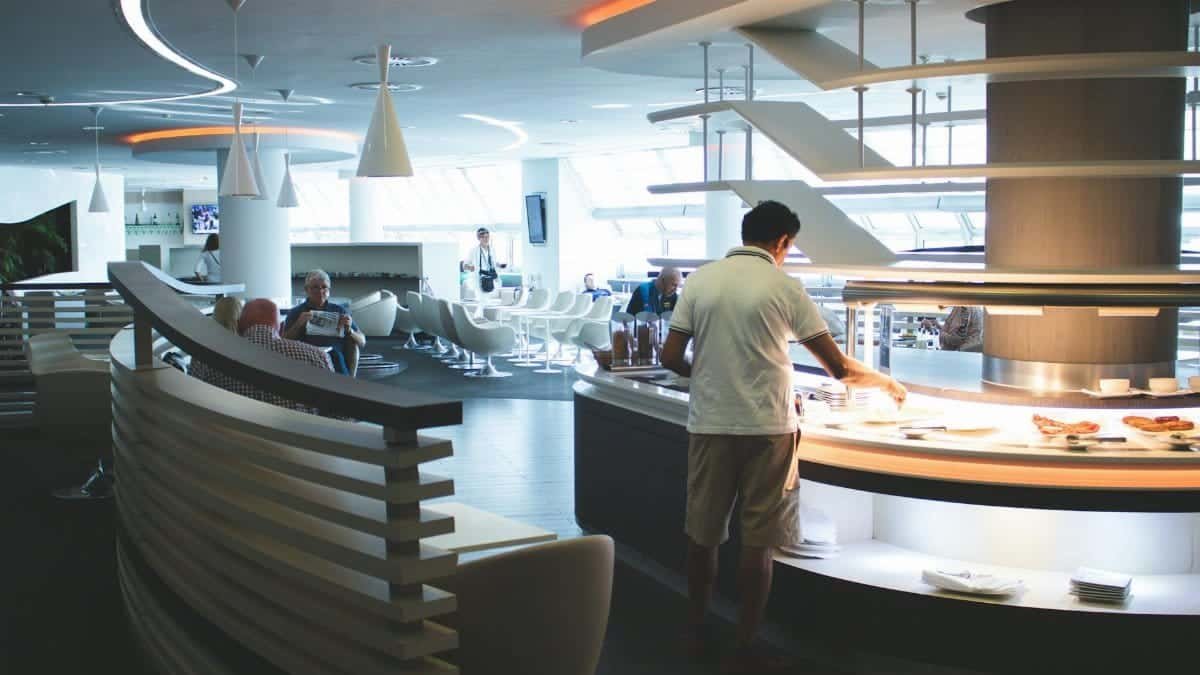
Is georgia airport wellness the future of travel stress relief? At Hartsfield-Jackson Atlanta International Airport, a groundbreaking experiment is underway to soothe frazzled passengers. On May 5, 2025, the busiest airport in the U.S. unveiled a 2,500-square-foot lounge designed to promote calm with innovative features like inhale-exhale lighting and noise-damping panels. Early signs suggest it’s making a difference, with TSA noting fewer passenger conflicts nearby. As travel stress continues to plague millions, this initiative could signal a shift in how airports address mental well-being.
A New Oasis at Hartsfield-Jackson

Travelers passing through Atlanta’s Hartsfield-Jackson now have a unique refuge from the chaos of modern air travel. The recently opened lounge, spanning 2,500 square feet, is a deliberate attempt to counter the sensory overload of crowded terminals. With soft, rhythmic lighting that mimics breathing patterns—dubbed EgoEase inhale-exhale lighting—the space aims to guide visitors into a state of relaxation. It’s a small but intentional step toward redefining the airport experience, prioritizing passenger peace over the usual hustle.
Noise Reduction for Mental Clarity

One of the lounge’s standout features is its use of noise-damping panels. These specialized walls absorb the relentless clamor of announcements, rolling suitcases, and chattering crowds that define airport environments. By creating a quieter space, the lounge offers a rare chance for travelers to reset before boarding. For many, the constant noise of travel is a hidden stressor, and this design choice directly tackles that issue, providing a sanctuary where silence isn’t just golden—it’s essential.
Complimentary Calm with Breath-Mint Tea

Adding to the lounge’s appeal, visitors can sip on complimentary breath-mint tea, a subtle nod to mindfulness. The beverage, served free of charge, isn’t just a refreshment; it’s part of the broader ethos of encouraging small, grounding rituals amid the rush of travel. While it may seem like a minor detail, offering something tangible and soothing helps reinforce the lounge’s mission to ease tension, one calming sip at a time.
TSA Observes Behavioral Shifts

Early feedback from the Transportation Security Administration (TSA) points to a surprising ripple effect. At checkpoints adjacent to the new lounge, agents have reported a noticeable drop in passenger altercations. While no hard data quantifies this trend yet, the observation suggests that a brief escape to a calming environment might temper the frustration often sparked by long lines and security protocols. If true, this could redefine how airports manage crowd dynamics.
Delta’s Investment in Stress Research

Delta Air Lines, a major player at Hartsfield-Jackson, is taking the concept of georgia airport wellness a step further. The airline is funding a study to explore whether time spent in the lounge can measurably reduce flight-related cortisol spikes—those stress hormone surges that often accompany air travel. With stress being a well-documented issue for frequent flyers, Delta’s initiative could provide hard evidence on whether sensory-focused spaces make a physiological difference.
Why Airport Wellness Matters in 2025
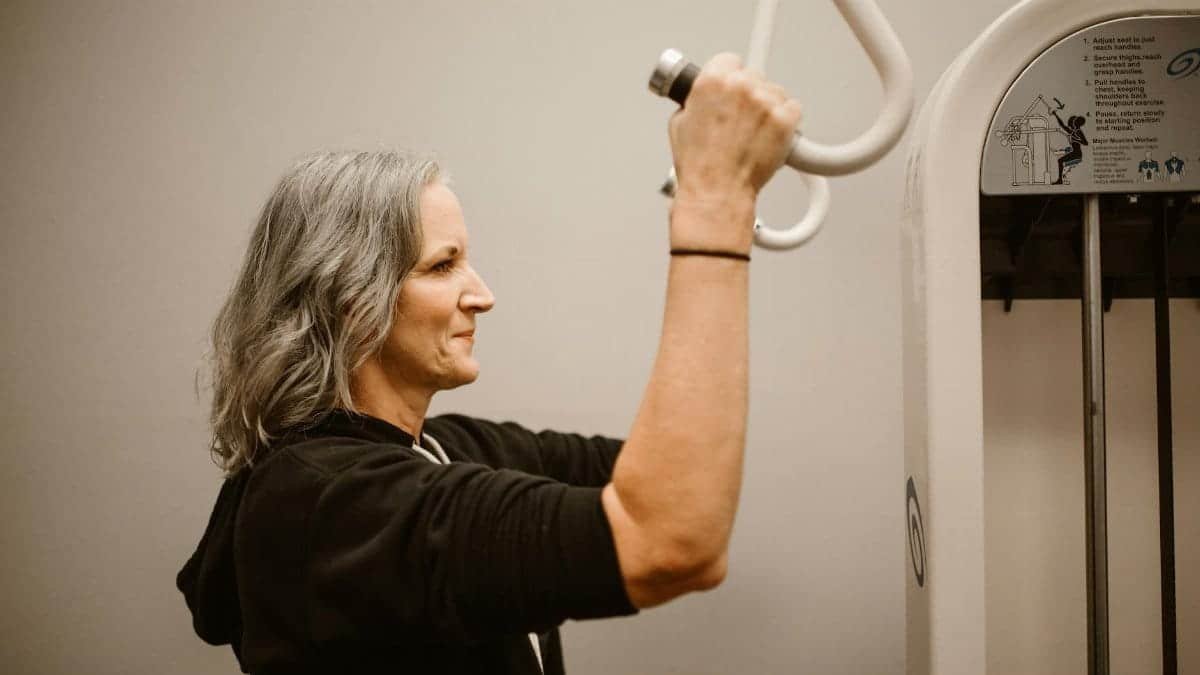
As travel volumes continue to climb in 2025, the mental toll on passengers is becoming harder to ignore. Airports, once seen as mere transit hubs, are increasingly viewed as environments that shape traveler health. Hartsfield-Jackson’s lounge is among the first in the U.S. to address this head-on, joining a broader trend of wellness-focused design in public spaces. For context, studies from organizations like the Centers for Disease Control and Prevention highlight how travel stress impacts well-being, underscoring the need for such innovations.
Potential for Broader Impact

If the lounge proves successful, it could inspire similar setups at other major hubs across the country. The idea of georgia airport wellness isn’t just about one airport; it’s about rethinking how millions of travelers experience stress in transit. With mental health gaining attention in public policy—evidenced by resources from the National Institute of Mental Health —airports might soon become key players in promoting calm on a national scale.
Challenges in Scaling Serenity

Despite the promise, scaling a concept like this isn’t without hurdles. Space constraints, funding, and varying passenger needs could complicate efforts to replicate the lounge elsewhere. Hartsfield-Jackson benefits from its size and resources, but smaller airports might struggle to carve out room for wellness zones. Still, the early buzz around this initiative suggests that demand for stress relief in travel settings isn’t going away anytime soon.