
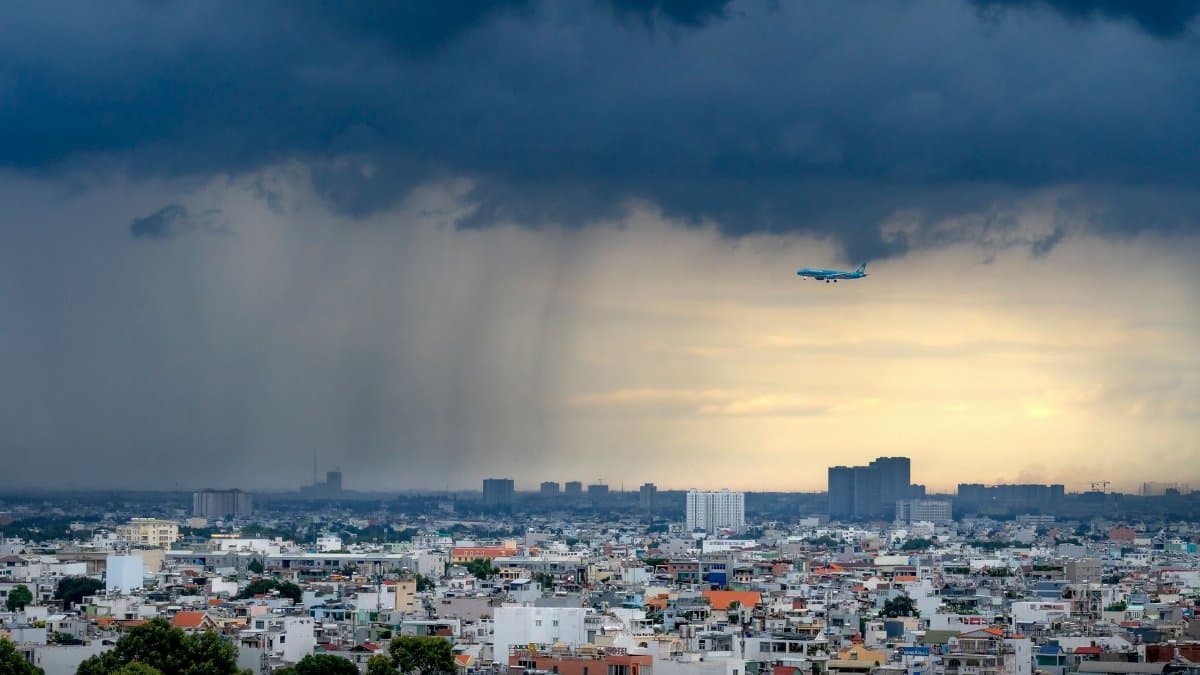
By late morning the parking lots at Dallas Fort Worth International Airport looked less like a gateway and more like a waiting room with wings. Travelers stood under awnings, refreshed weather apps, and watched sheets of water move across the tarmac. For a region that had gone weeks without a real soaking, the arrival of DFW Hurricane Polo rain felt both welcome and disruptive, a storm that closed stretches of road, slowed the evening rush, and pushed hundreds of flights into delay without turning the day into a catastrophe. People who had spent the summer watering brittle lawns suddenly needed wipers, patience, and a different plan for getting home.
A Thursday that broke a long dry spell

Thursday brought the first widespread measurable rain since mid July, and that fact alone explains why the day felt larger than the radar sometimes suggested. North Texas had learned the look of a hard summer: pale grass, hot pavement, and storms that promised more than they delivered. When rain finally arrived in a broad band rather than a brief cell, it reset the mood of the region even as it complicated the schedule. Meteorologists would call it measurable. Commuters called it the first time in weeks that the sky did the work the sprinklers had been doing.
The storm did not need to be historic to matter. After a stretch of heat, even a moderate rain changes how a city sounds. Tires hiss. Gutters fill. The afternoon light goes flat. In offices and school pickup lines, people compared notes the way they do when weather becomes the main civic event. Was your street flooded? Did your flight move? Did the creek behind the grocery store rise, or did it only look angry for an hour?
Roads closed where water found the low ground
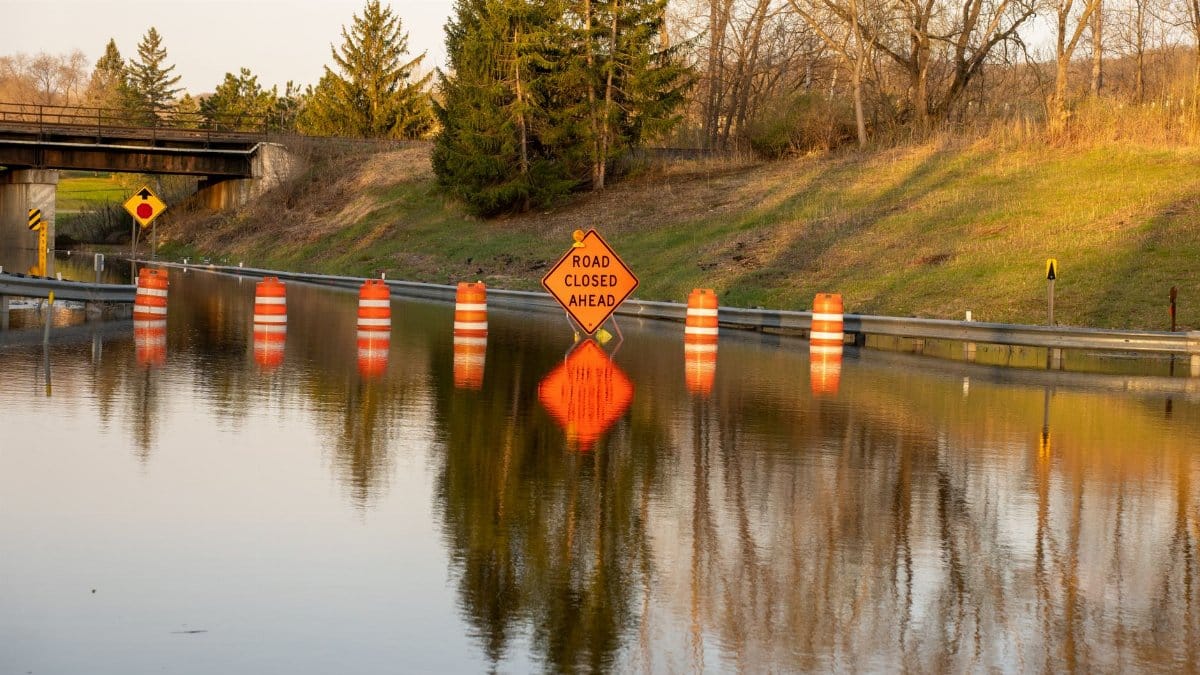
The most immediate trouble showed up where North Texas roads dip toward creeks, underpasses, and frontage lanes that were never designed as rivers. Officials closed some of those stretches as water covered the pavement, a familiar precaution in a region that has learned, sometimes the hard way, that a stalled car in moving water is not a minor inconvenience. Drivers who tried to guess their way through standing water found the guess more expensive than the delay.
This is the ordinary danger of a Texas rain day, and it is easy to underestimate because it looks local. A closed crossing in one neighborhood does not make the evening news in another. Taken together, those closures slow a metro area that depends on timing: shift changes, school routes, airport runs, deliveries that were supposed to arrive before dinner. The storm asked thousands of people to add twenty minutes, then forty, then to turn around.
City crews and police did the unglamorous work of cones, barricades, and repeated warnings. None of that looks dramatic from a dry living room. On the road it is the difference between a wet commute and a rescue. The day stayed short of disaster, which is not the same as saying it was easy.
Airports absorbed the delay
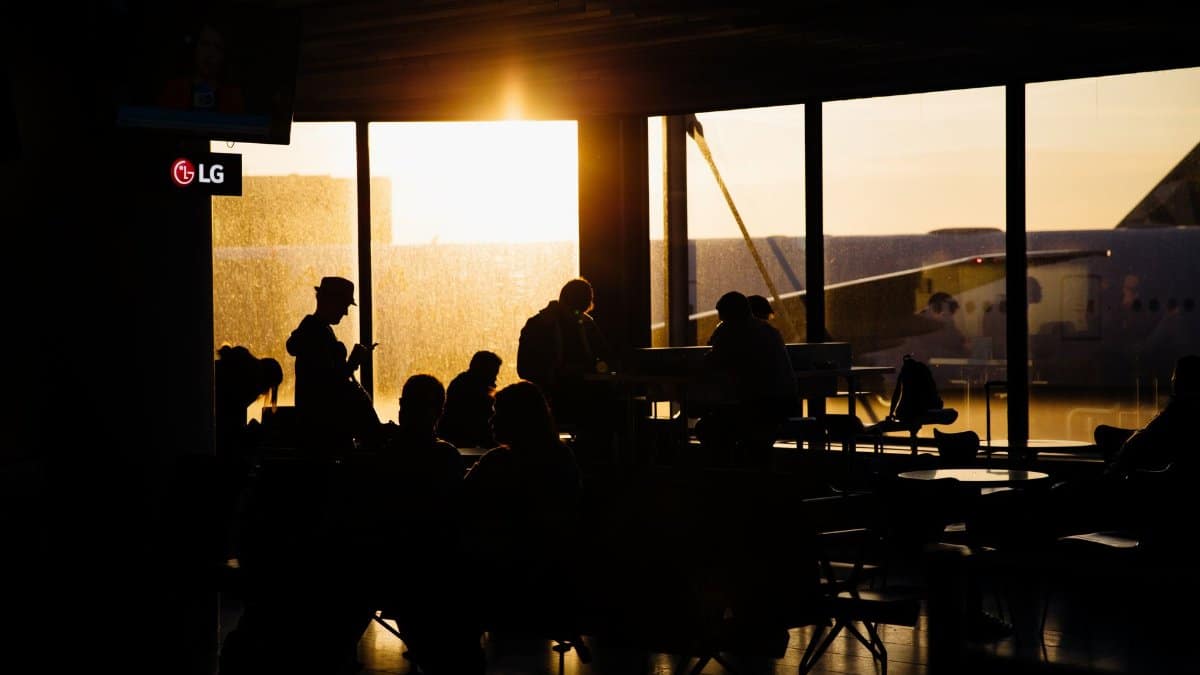
At the airports, rain translated into a long arithmetic problem. Hundreds of flights were delayed as crews, gates, and arrival slots slipped out of alignment. A storm does not have to shut a runway for hours to tangle a hub. It only has to slow the sequence. One late inbound becomes a late outbound. A crew times out. A connection that looked comfortable at breakfast becomes a night in a terminal chair.
Travelers described the usual mix of resignation and irritation. Some had built padding into their plans. Others had not, because summer in this part of the country trains people to expect heat, not a regionwide soak. Concession lines grew. Phone batteries dropped. The public address system kept offering new departure times that felt provisional even when they were official.
Airlines will total the delays in their own ledgers. For passengers the number that mattered was personal: how late, which hotel, whether a child was waiting at the other end. Weather delay is one of the few disruptions that still earns a measure of forgiveness, and even that forgiveness thins after the third revised gate.
Moisture with a hurricane in its history

What set this rain apart from a routine popup storm was its connection to a larger tropical system. DFW Hurricane Polo rain arrived as moisture associated with Hurricane Polo worked inland, feeding a broad shield rather than a single violent core over downtown. That distinction matters. A hurricane at the coast and a rain day on the prairie are not the same event, yet they can share a family history in the atmosphere. The name travels farther than the eye.
Inland, the threat shifts. Wind that defines a hurricane near the Gulf becomes, hundreds of miles later, a question of how much water the air can still hold and where that water falls. North Texas sat in the part of the story where the drama is quieter and the inconvenience is wide. Yards drank. Streets sheeted. Creeks answered later than the radar, which is how flooding often works: the danger peaks after the heaviest rain has already moved on.
Residents who follow tropical forecasts have learned to watch storms that will never make a direct hit. Polo did not need to park over Dallas to change a Thursday. It needed only to send enough moisture north to end a dry run and to test drainage that had been idle since mid July.
Relief that arrived with a cost

There is a particular gratitude in rain after a hot, sparse stretch, and it should not be talked out of existence just because the same rain snarled traffic. Gardeners stood at windows. Ranch ponds that had shrunk took a small payment against a larger debt. The air, for a few hours, lost its baked edge. People who spend their days outside, on job sites and in school athletic fields, got a break the forecast had withheld for weeks.
Gratitude and caution lived in the same afternoon. A soaked field is a mercy until it becomes a canceled practice and a muddy parking lot. A greener lawn is welcome until the street in front of it is closed. The spiritual habit, if the day had one, was attention: noticing what the land needed and what the roads could not handle at the same time. Communities that pray for rain, in churches or only in private, rarely picture the flight board when they do it. Thursday included both prayers and gate changes.
Neighborhoods read the creeks
Away from the airports, the storm was a neighborhood story. In older sections of Dallas and Fort Worth, and in suburbs built fast across clay soil, people know which intersection floods first. They know the dip by the park, the drain that clogs with leaves, the alley that becomes a channel. Thursday gave those informal maps a test. Some held. Some did not.
Social media filled with the small evidence of a shared weather day: a patio chair on its side, a dog refusing the walk, a photo of water at the curb that stopped just short of the driveway. Those images are easy to dismiss as minor. They are also how a region decides whether a storm was a nuisance or something worse. By evening the consensus leaned toward disruption without calamity. Basements were not the headline. Closed roads and late planes were.
That consensus can erase people who had a harder time of it. A worker who could not reach a shift, a parent circling a flooded route to daycare, a traveler who missed a connection and a paycheck on the other side: their Thursday was not a mild anecdote. A storm can be regionally manageable and still expensive for the person who absorbed the delay.
Why the first rain in weeks feels like news

Weather becomes news when it interrupts a pattern. The pattern here was absence. Since mid July, widespread measurable rain had not visited the region in a way people could share. Isolated showers do not count in the same way. They bless one county and skip the next, leaving the broader story intact: dry, hot, waiting. DFW Hurricane Polo rain broke that pattern across a wide area, which is why it registered as an event rather than a lucky cell.
Pattern breaks also reset expectations. After one good rain, people ask whether the pattern has turned or whether this was a visitor. Forecasters will be cautious, as they should be. One Thursday does not rewrite a summer. It does remind a metro area that its infrastructure, from culverts to flight schedules, is built for a climate that still delivers sudden water.
There is a journalistic temptation to rank every storm against the worst storm. That ranking is useful for emergency managers and misleading for everyone else. A day can matter without approaching the disasters that still organize local memory. Thursday belonged in the middle category: serious enough to change plans, limited enough that most people slept in their own beds.
The long wait as a civic exercise
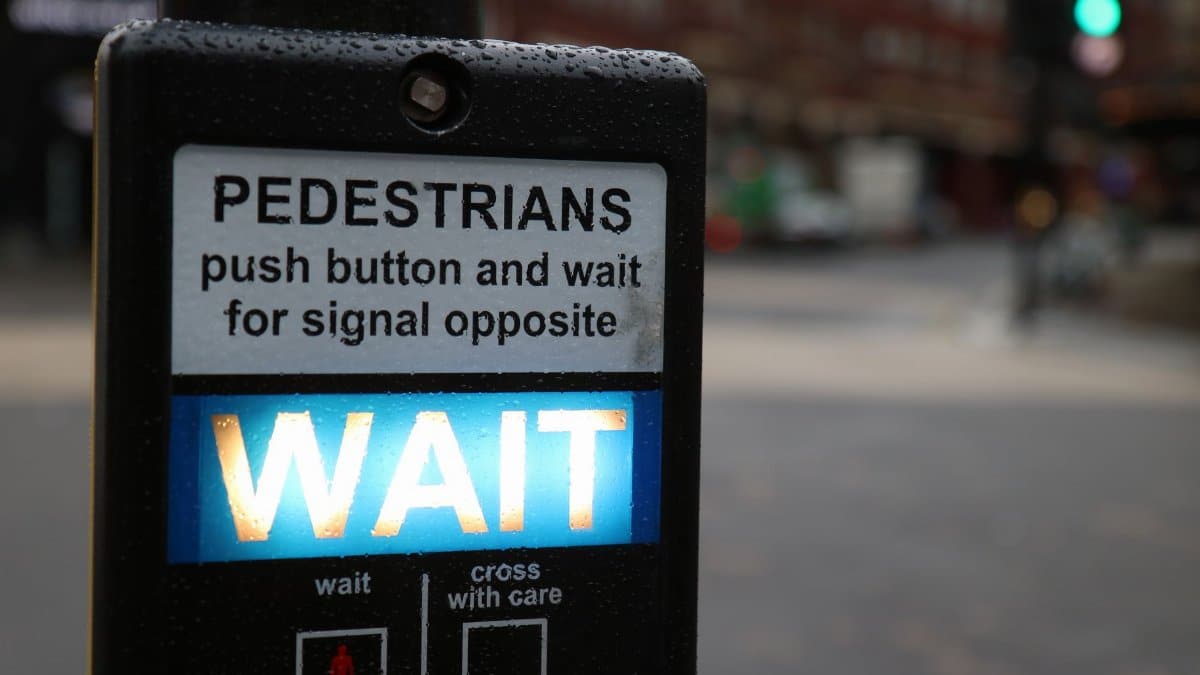
Delays have a moral weather of their own. In a terminal, strangers negotiate space, outlets, and the tone of complaint. Most people managed it. A few did not. The same scene played out in cars stacked on frontage roads, where the hazard was less emotional and more physical. Patience is not a strategy for floodwater. It is a strategy for a gate that will not open on time.
I kept thinking about how rarely a city practices waiting together anymore. Remote work and private cars shrink the number of rooms where delay is shared. An airport during DFW Hurricane Polo rain is one of those rooms. So is a line of brake lights at a closed low water crossing. The experience is irritating, and it is also a brief course in the fact that weather still governs schedules that software pretends to own.
What the day did not become

It is worth stating the negative clearly, because panic travels faster than puddles. This was not a disaster declaration kind of day. It was not a story of widespread structural collapse or a region cut off from itself. Emergency crews were busy. They were not overwhelmed in the way they are when a tropical system arrives intact. The headline, if it stays honest, is rain, closures, and delays, with flooding that stayed in the category of hazard rather than ruin.
Honesty also refuses the opposite exaggeration, the shrug that says nothing happened because nobody famous was stranded. Hundreds of delayed flights are a real cost in missed meetings, missed wages, and missed care. Closed roads are a real cost in risk avoided and risk taken by drivers who ignored the barricade. The accurate sentence is the longer one: the region got the rain it had lacked, and it paid for that rain in time.
Drainage, memory, and the next band of clouds
Every decent rain in North Texas becomes a referendum on drainage. Did the new development hold its water, or did it send the problem downhill? Did the old culvert keep up? Those questions outlast the news cycle, and they rarely get a full answer from a single Thursday. They accumulate. Residents who have watched lots replace prairie already know the argument. The storm simply supplied fresh evidence, street by street.
Memory works the same way. People will file this day beside other rain days that closed the usual roads and beside the hotter weeks that preceded it. If another plume of tropical moisture follows, the filing system will matter. A public that remembers where not to drive is a public safety asset no app fully replaces.
Forecasters will keep watching the larger tropics because that is where the next surprise often starts. A name on a map in the Gulf can become, days later, a wet afternoon in Dallas or a nothing burger that disappoints the lawns again. The skill is holding both possibilities without turning either into certainty. Polo already demonstrated the inland version of that lesson.
A soaked ordinary day
By night the rain had done what inland rain usually does. It tapered. It left standing water in the usual places. It left a cleaner smell in the air and a mess of revised itineraries in inboxes. Airports worked through the backlog. Crews reopened roads as gauges fell. The region returned, not all at once, to the ordinary machinery of a weekday.
What lingered was the contrast. For weeks the story had been dryness. For one Thursday the story was water in the wrong lanes and water, finally, on the ground that needed it. DFW Hurricane Polo rain will not be remembered as the storm that remade North Texas. It may be remembered as the day the dry spell broke in public, in delays and closures and a widespread measurable rain that people could agree they had actually seen. That is a smaller kind of news. It is also the kind most people live inside.