
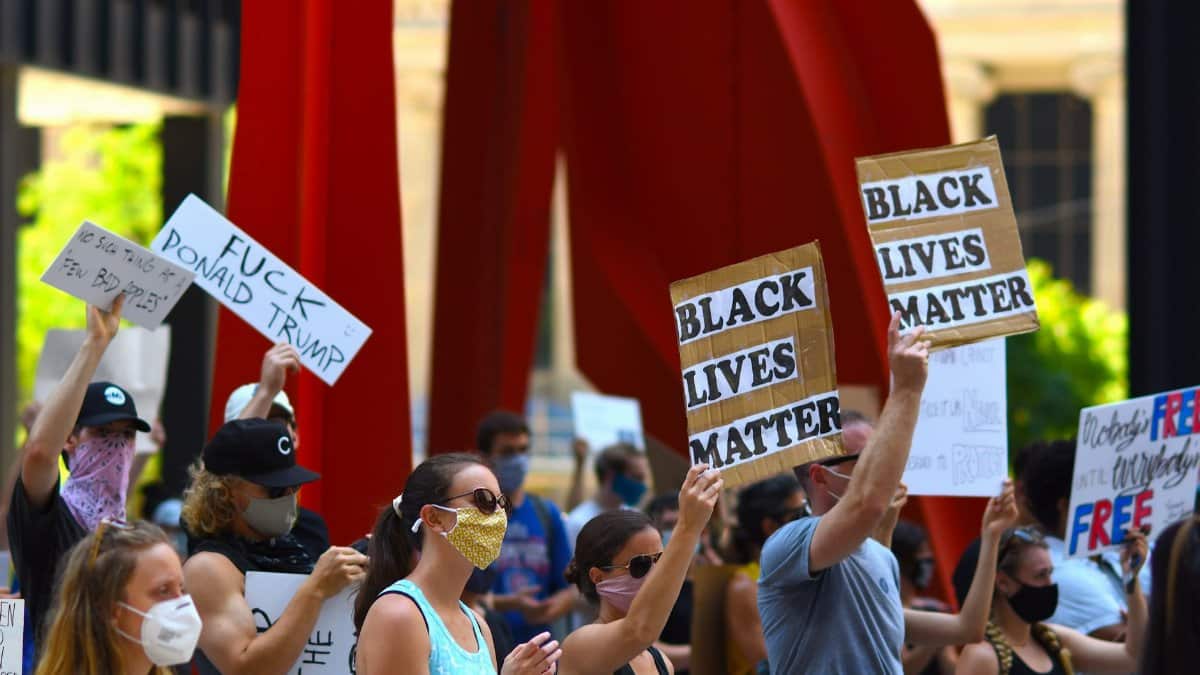
The lights came up over the waterfront and the crowd answered before the first sentence landed. In Mobile, a president who treats Alabama as a political homecoming stood before supporters who already knew the rhythm of the night. The Trump Mobile Alabama rally was less a discovery tour than a reminder of where his coalition still gathers without apology, and of how a Saturday return can be promised before the echoes of the first visit fade.
A familiar stage on the Gulf
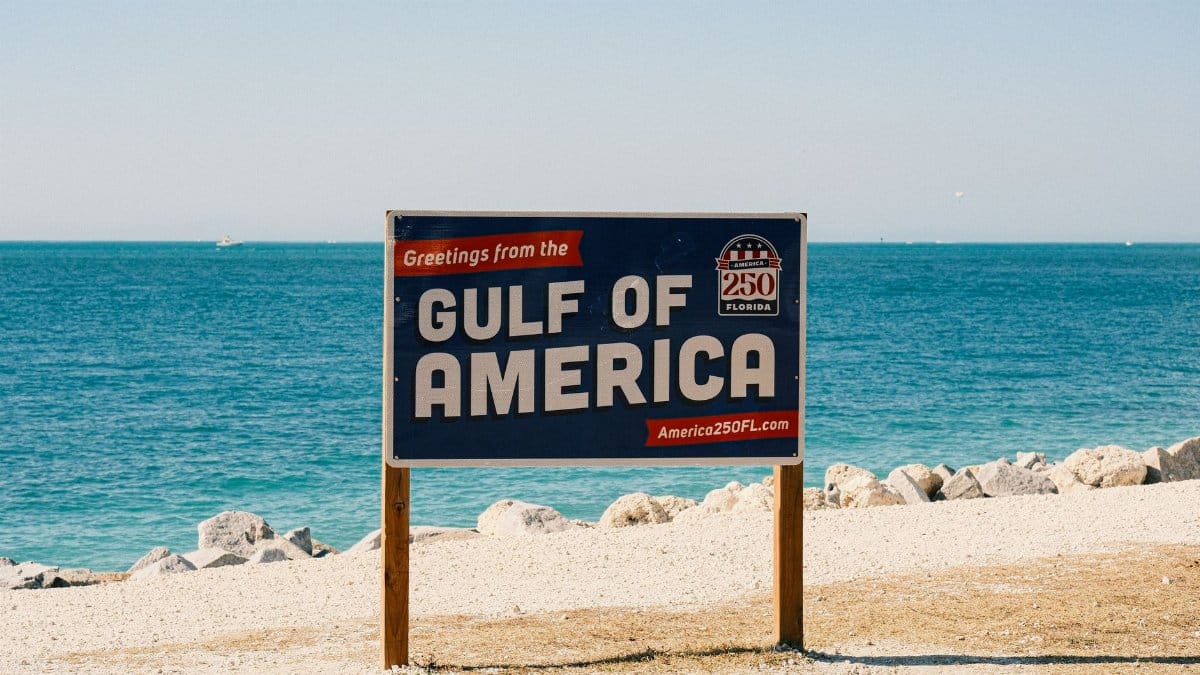
Mobile has long served as a measuring stick for Republican enthusiasm in the Deep South. The city sits at the edge of a state that has rewarded the party in recent presidential cycles, and the waterfront setting gives organizers a backdrop that photographs well and fills easily. People arrived early, many in hats and shirts bought at previous stops, and the program moved with the practiced pace of a campaign that knows its audience.
What distinguished this appearance was not novelty. It was repetition with intent. The president framed Alabama as a place he returns to because the welcome is reliable, and he told the crowd he would be back the following Saturday. That promise turned a single evening into a two part engagement, a way of telling local allies that the visit was not a courtesy call on the way to somewhere else.
Endorsements offered in plain view
The political business of the night sat close to the surface. The president backed Tommy Tuberville, the senator whose style has often mirrored the confrontational tone of the national party, and he also put his weight behind Marques in a contest that state Republicans are watching closely. In a deep red state, a presidential endorsement does not always decide a race, but it can sort donors, volunteers, and local officials who prefer to be seen on the winning side early.
Tuberville has built a profile that travels well on conservative media, and the Mobile stage gave him a chance to stand in the same frame as the party’s dominant figure. Marques received the kind of mention that campaigns clip and send to county chairs by morning. Neither introduction required a long argument. In this room, alignment was the argument.
What the crowd came to hear
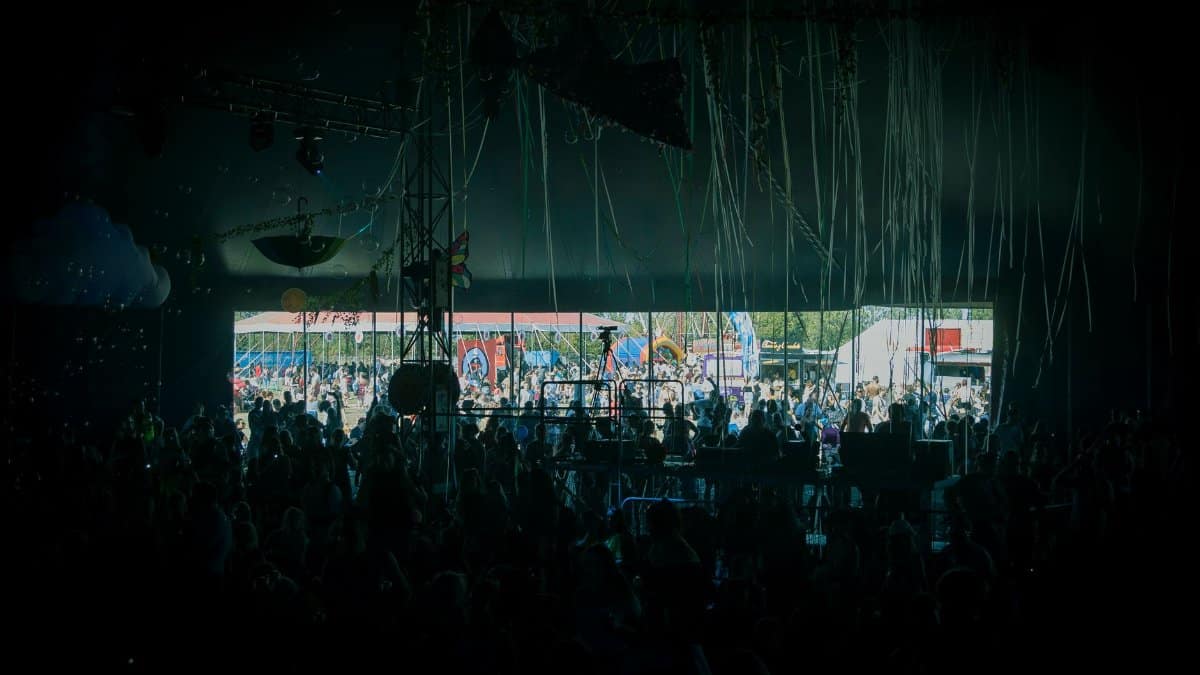
Supporters described the draw in practical terms. Some wanted a photograph. Some wanted to hear familiar lines about borders, prices, and a Washington they believe has stopped listening. Others came because a neighbor asked them to, which is still how a lot of Alabama politics actually moves. The speeches ran long, as they usually do, and the applause arrived on cue at the mentions of energy production, military strength, and a promise to undo regulations associated with the previous administration.
Journalists on the rope line heard less surprise than confirmation. People who had driven from Baldwin County or from farther inland said they already knew how they would vote. The rally functioned as reinforcement, a public ritual that makes private preference feel like a crowd.
Reading the approval numbers

From the stage, the president pointed to a new approval reading from the AP NORC Center for Public Affairs Research, treating the figure as evidence that his standing had not collapsed in the way critics predicted. National approval is a blunt instrument. It does not map cleanly onto a single Alabama county, and it can move with gas prices, court rulings, or a week of grim headlines. Still, campaigns cite what they can cite, and a fresh national number gives a speaker a prop that sounds more current than a memory of the last election.
Readers who want the underlying questionnaire and the margin of error can consult the AP NORC site at https://apnorc.org rather than rely on a rally paraphrase. The political use of the number in Mobile was simpler than the methodology. It was offered as a rebuttal to the idea that the presidency had become politically isolated.
Why Alabama still matters to the itinerary
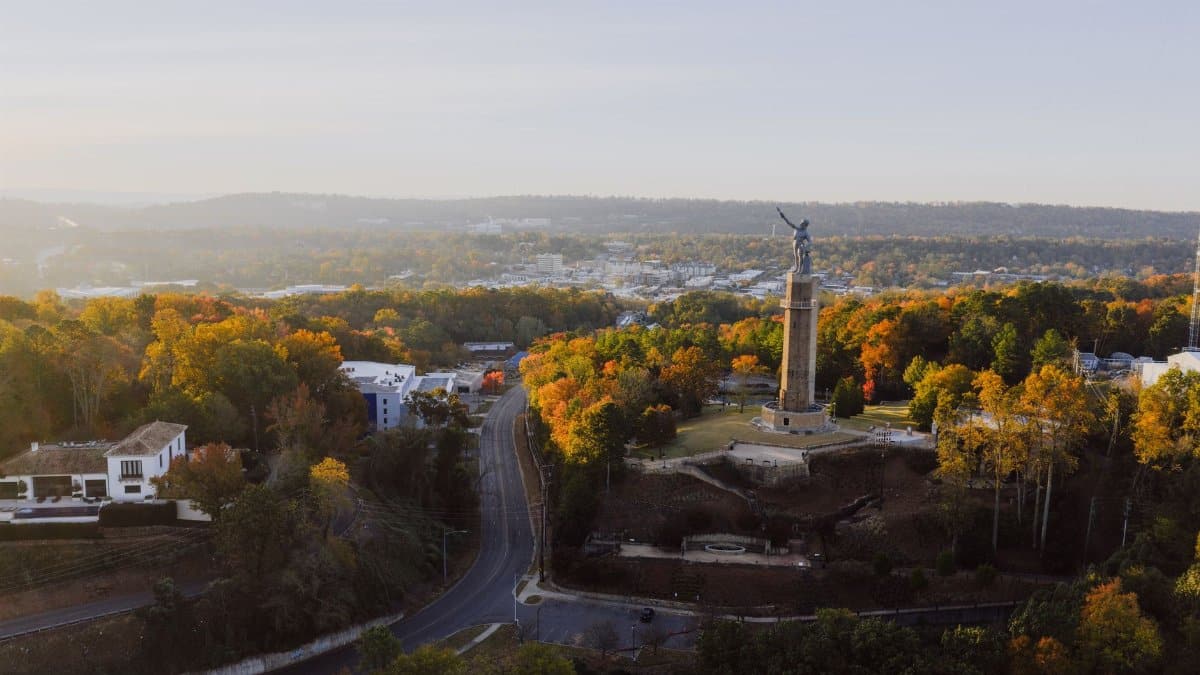
Alabama is not a battleground in the presidential map that consumes cable news in October. That is precisely why a stop here can be useful. Safe territory lets a candidate harvest footage, test lines, and reward loyal officeholders without the risk of a thin crowd in a swing suburb. It also lets national reporters file from a place where the mood is unambiguous, which can distort coverage if it is treated as a sample of the whole country.
The Trump Mobile Alabama rally fit that pattern. Organizers did not need to persuade a skeptical middle. They needed to demonstrate capacity: parking, security, local officials on stage, and a promise of another Saturday that keeps the story alive for another news cycle. In campaign arithmetic, attention is a resource even when electoral votes are not in doubt.
The Saturday return as a message
Promising to come back next Saturday is a small sentence with a large organizational effect. Volunteers hear that their lists will be used again. Donors hear that the candidate is not finished with the state. Rivals inside the party hear that proximity to the president remains a live asset. For local media, a second visit is a second front page, which matters in a summer when national stories can bury regional politics.
There is also a personal register to the pledge. Politicians who feel embraced often say they will return, and sometimes they do. The test is logistical. A second Saturday requires aircraft, a secure site, and a reason that survives the first night’s headlines. If the return happens, Mobile will have hosted not a cameo but a short residency. If it slips, the promise will join a long list of rally lines that sounded binding in the moment and flexible afterward.
Faith, ritual, and the political gathering
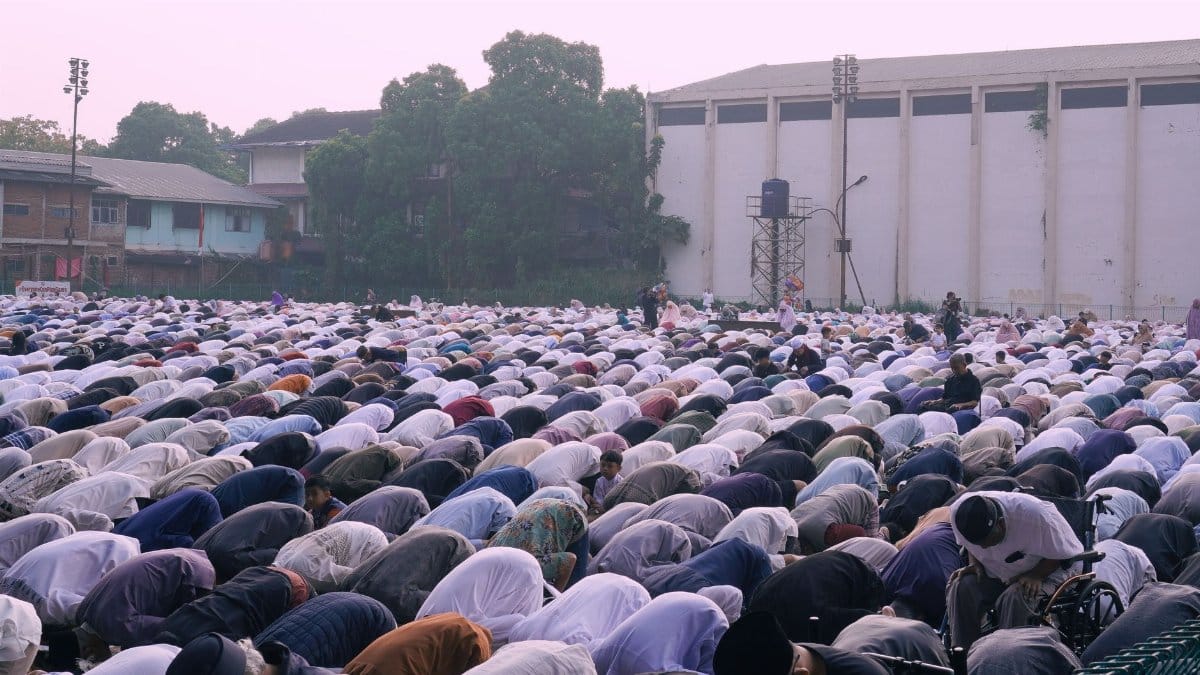
In a state where church calendars still shape the week, a large political rally can resemble a revival without being one. Prayers open the program. Scripture is quoted. The language of blessing sits beside the language of grievance. That mix is not new in American politics, and it is especially visible in Alabama, where congregations and party structures often share members if not formal control.
Observers who cover the intersection of belief and public life should be careful not to flatten the crowd into a single theology. The people on the ground included regular churchgoers, occasional attenders, and voters whose faith is cultural more than doctrinal. What they shared on this night was a willingness to treat politics as a communal event, something you dress for and talk about at lunch the next day. The spiritual vocabulary was present. The organizing purpose was electoral.
How opponents heard the same night
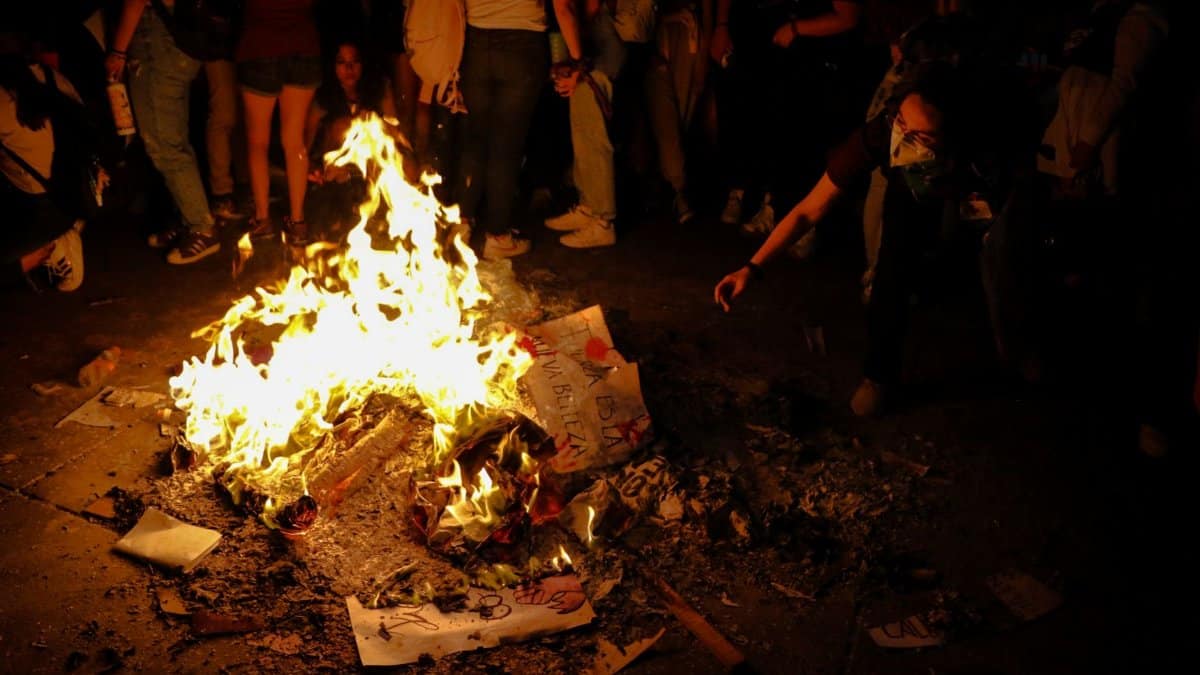
Democrats in Alabama are a minority party with pockets of strength in cities and among Black voters who have carried the state’s progressive hopes for generations. From their perspective, a packed Mobile rally confirms a map they already know. It does not, by itself, reveal whether suburban professionals in other states are moving, or whether economic anxiety will cut against the president by autumn.
National Democrats tend to answer such events with a different set of numbers: special election margins, fundraising among small donors, and turnout among younger voters who do not attend waterfront rallies. Both sides can be locally correct. A roaring crowd in Mobile can coexist with a tight race in a state the president must actually win. The error is to let one picture stand in for the other.
Tuberville and the Senate backdrop
Tuberville’s place on the program also pointed beyond Alabama. His tenure has included high profile fights in Washington that delighted supporters and frustrated colleagues who wanted quieter legislating. A presidential embrace in Mobile signals that those fights have not made him a liability inside the party that matters for his future. It also reminds voters that Senate politics and presidential politics are now sold as a single brand more often than as separate institutions.
That branding has costs. When every local race is nationalized, compromise becomes harder to explain at home. When every national figure needs a friendly state to land in, states like Alabama absorb an outsized share of the spectacle. Residents who like the attention get it. Residents who wanted a quieter politics do not.
Marques and the down ballot stakes

The mention of Marques mattered for a different reason. Down ballot candidates live and die by name recognition, and a presidential rally is one of the few remaining stages where a name can be planted in thousands of ears at once. Whether that mention becomes votes depends on the race, the opponent, and the work done after the cameras leave. Endorsements are not magic. They are invitations to organize.
County parties will now be asked to treat the endorsement as a directive. Some will. Some will nod and return to their own rivalries. Alabama Republican politics has never been a single choir, even when it sings the same chorus at a rally. The morning after is when slates, sample ballots, and quiet disagreements reappear.
Media, memory, and the next headline

Coverage of the Trump Mobile Alabama rally will travel farther than the crowd itself. Clips will be cut for friendly outlets and for critics who want the sharpest line isolated from the rest of the speech. That is the modern condition of political events. The room is real. The afterlife is edited.
For readers trying to judge what happened, a few questions are more useful than the volume of the cheers. Did the promised Saturday return get a date, a site, and a permit, or only a sentence? Did the endorsements of Tuberville and Marques come with money and staff, or with applause alone? Did the AP NORC citation match the published result, or was it rounded into a story the speaker preferred? Those checks do not require cynicism. They require the ordinary habits of reading past the first paragraph.
What Mobile reveals and what it cannot

A rally in a loyal state reveals intensity, organization, and the continuing power of a personal bond between a leader and a region. It cannot reveal the country. Mobile can tell you that the president’s base remains willing to stand for hours and to cheer a promise of return. It can tell you that Tuberville and Marques were deemed worth the microphone. It can tell you that a fresh approval reading was considered useful enough to mention.
It cannot tell you how a nurse in Arizona or a factory worker in Wisconsin will weigh prices against immigration, or how courts and Congress will shape the months ahead. Those judgments will be made in quieter rooms. The lights on the Gulf are part of the story. They are not the whole of it. If the president does come back next Saturday, Alabama will get another chapter. The rest of the map will still be waiting for its own.