
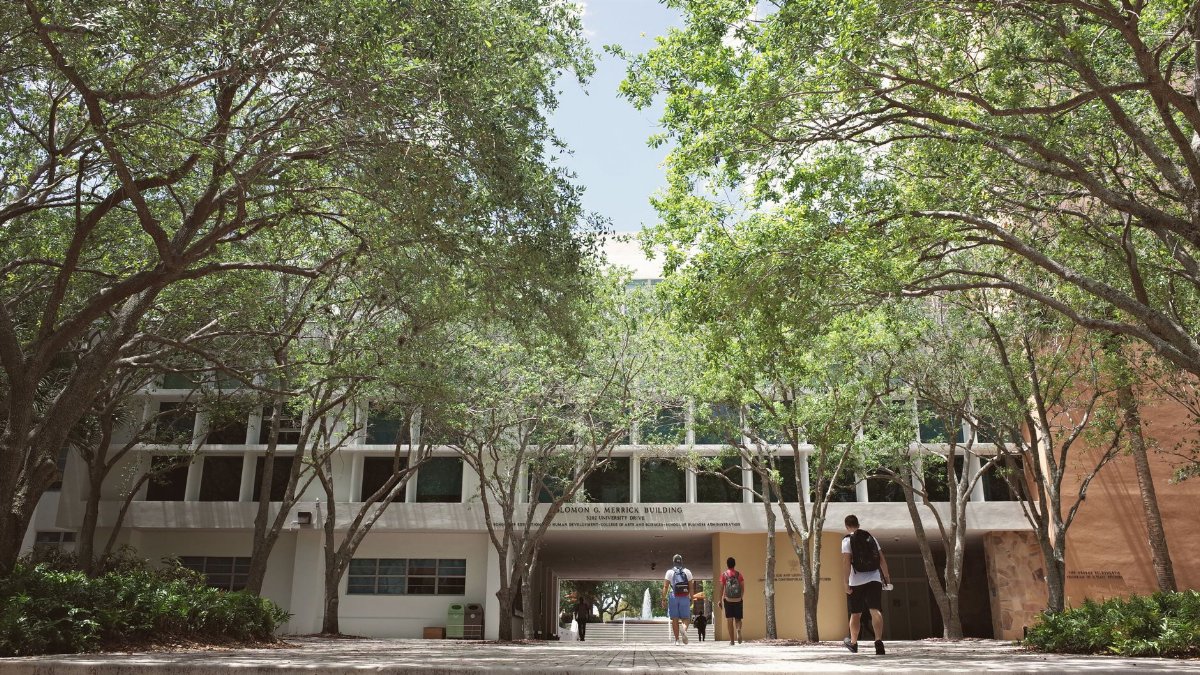
On a humid September morning, the lawns around North Broad still looked full. Orientation banners fluttered, tour groups paused for photos, and a record entering class seemed to promise a rebound. A year later, that picture had thinned. The Temple freshman retention drop left the university holding only about three quarters of the nearly 5,400 freshmen it had enrolled in 2025, a loss large enough to reshape budgets, classrooms, and the stories families tell about whether a big city campus is worth the risk.
A celebration that did not last the year

Enrollment offices live on headlines. A record class is proof that marketing worked, that aid packages landed, that Philadelphia still pulls students who might otherwise have stayed closer to home. Retention is the quieter test. It asks whether those students found a reason to stay once the banners came down.
According to reporting by The Philadelphia Inquirer, Temple kept 77 percent of that entering group for sophomore year. Nearly a quarter did not return. For a public research university that has spent years rebuilding confidence after enrollment swings, pandemic disruption, and neighborhood tension, that gap is not a rounding error. It is the difference between a class that fills lecture halls and a class that leaves empty seats, unused housing, and advisers scrambling to understand who left and why.
The Temple freshman retention drop matters because the students who leave are not abstract percentages. They are commuters who could not afford another semester of rent, first generation students who never found an adult who knew their name, and high achievers who decided a smaller campus would notice them sooner.
What the percentage hides

Seventy seven percent can sound respectable until you place it next to the promise of a record class. National freshman retention at four year colleges often sits in the mid to high seventies, and stronger publics aim higher. A single year does not define an institution. A sharp fall after a historic intake does force a harder question: did the university admit more students than it was ready to hold?
Large classes strain the systems that keep students enrolled. Advising appointments stretch. Introductory courses swell. Residence halls fill with students who have never shared a bathroom or navigated a transit strike. When support is thin, the students most likely to leave are often the ones the university most wanted to recruit: those from modest incomes, those far from family, those still learning how college works.
A quarter of 5,400 is more than a thousand people. Each departure carries tuition the university will not collect, a bed that may sit empty, and a family that may warn the next neighbor not to bother. Retention is a financial story and a reputational one at the same time.
Money as the quiet exit
Ask students why they leave and money arrives early in the conversation, even when the official reason code says something softer. Philadelphia rents climbed for years. Meal plans, books, and transit passes stack on top of tuition that already feels steep to families who chose a public university expecting relief. A package that looked workable in April can fail by November if a parent loses hours or a summer job never materialized.
Stop outs, students who pause rather than formally withdraw, complicate the picture. Some intend to return. Many do not. Emergency grants and short term loans can catch a crisis if a student knows they exist and if an office answers before the drop deadline. When those tools are slow or obscure, the practical choice is to go home, work, and tell friends the city was too expensive.
Temple is not unique in this bind. Public universities across the region have watched living costs outrun aid. What is distinct is scale. A record class multiplies every affordability crack. The students who can absorb a surprise bill stay. The students who cannot become the missing quarter.
Belonging on a campus that feels enormous
Academic trouble is the explanation administrators reach for first. It is real. Students arrive with uneven preparation, and gateway courses in writing, math, and science still sort people out. Yet many who leave are not failing. They are lonely, or bored, or convinced that nobody would notice if they vanished.
A university of Temple’s size can feel like a transit hub. You move between buildings, you sit in the back of a hall, you eat alone. For students from small high schools, that anonymity is a shock. Clubs and living learning communities help, but they fill quickly, and the students least likely to join are often the ones who need them most.
Faculty who teach first year courses describe a familiar pattern. Attendance slips after the first exam. Emails go unanswered. By spring, the student has already decided. The decision rarely arrives as a dramatic break. It arrives as a slow fade, which is harder for an institution to see in time.
Philadelphia is not a neutral backdrop

Temple sits in a city that students both crave and fear. The energy of North Philadelphia, the reach of the subway, the internships along Market Street: those are recruiting tools. Safety worries, long commutes, and the gap between campus maps and actual blocks are reasons some families pull their children home after one uneasy semester.
Crime headlines travel faster than campus safety briefings. A parent in the suburbs reads one alarming story and starts calculating. Students who grew up in the city often read those same stories differently. Retention data rarely captures that split, but advisers hear it in exit conversations. Some students leave because the city felt hostile. Others leave because campus never felt like theirs.
Housing policy sits in the middle of that tension. When on campus beds run short, first year students spill into rentals they are not ready to manage. Roommates clash. Leases outlast enrollment. A student who might have stayed in a staffed residence hall becomes a tenant with a problem no dean can easily fix.
Peers, pressure, and a regional pattern

Temple’s experience sits inside a wider Philadelphia story. Regional colleges have reported softer persistence as students shop more aggressively, stack dual enrollment credits, and treat the first year as a trial rather than a commitment. Community colleges and state campuses compete for the same students with lower prices and shorter commutes. A record class at one university can be a temporary win in a market where loyalty is thin.
Comparisons should be careful. A highly selective private college with a residential tradition will post a higher retention rate than an urban public that serves commuters, transfers, and working adults. The fair question is not whether Temple matches an Ivy. It is whether Temple is holding the students it chose to admit, at a rate that justifies the growth it celebrated.
The Inquirer account of falling persistence across local campuses suggests the Temple freshman retention drop is part of a pattern, not a lone embarrassment. Patterns still demand owners. Each campus controls advising ratios, course bottlenecks, and the clarity of its bills. Those are not regional mysteries. They are management choices.
The classrooms that decide the second year

If there is a single place where retention is won or lost, it is the large introductory course. A student who cannot get a seat in the class required for a major begins to doubt the whole plan. A student who fails that class without a clear path to recover often leaves rather than spend another year and another tuition bill repairing a transcript.
Supplemental instruction, embedded tutors, and early alerts can change those odds, but only if they are staffed at the scale of the entering class. A pilot that serves two hundred students does little for five thousand. Faculty who already carry heavy loads cannot also be the early warning system unless the university pays for time, training, and enough sections that a struggling student is visible.
Major exploration matters just as much. Students who arrive undeclared, or who discover in October that nursing or business will not have them, need a fast second path. When that path is a maze of forms, they choose a different university that will claim them cleanly.
What families hear after the fact

Parents rarely see the internal dashboards. They see a child who came home quieter than expected, or a bill that did not match the net price calculator, or a roommate situation that residence life treated as a personality clash. By the time a family calls to ask what happened, the student has often already registered elsewhere or taken a job.
Universities that retain well tend to call early. They notice missed classes in week three, not week twelve. They assign a human, not a portal, to students flagged as high risk. They publish, in plain language, what share of each entering class is still enrolled a year later, broken out by income, race, and whether the student lived on campus. Sunlight does not fix a weak support system. It does make excuses harder.
Temple has public reasons to do that reporting well. A record class was a public victory. The Temple freshman retention drop should be a public accounting, not a figure that surfaces only when a newspaper asks.
The budget math nobody puts on the banner

Every student who does not return is revenue deferred or lost. Universities build budgets on the assumption that most freshmen become sophomores, then juniors, then graduates who pay for four years and later give. When that ladder loses a rung, the hole shows up in hiring freezes, larger classes, and deferred maintenance. The students who stay feel the consequence as fewer sections and longer waits for advising, which can push still more people out. Retention failure feeds itself.
There is a moral version of the same math. Public universities exist to move students through a degree, not to collect a single year of tuition and wave goodbye. A class that shrinks by nearly a quarter has not failed only as a business. It has failed a set of families who trusted the institution with a decisive year of a young life.
What a recovery would actually require
Recovery is not a slogan about belonging. It is a set of unglamorous fixes. Aid that remains stable after the first year, when merit discounts sometimes shrink. Enough residence staff that a crisis at midnight finds a person, not a recording. Gateway courses with enough seats and enough tutors that failure is a detour, not an exit. Advisers whose caseloads allow them to know who is fading.
It also requires honesty with the next recruiting cycle. If the university cannot support 5,400 new students at a high standard of care, a slightly smaller class with a higher stay rate is not a retreat. It is a correction. Growth that leaks a quarter of its gains is not growth. It is churn.
Students who left are not gone from the story. Some will return if the door is simple to reopen, if credits transfer cleanly, and if the bill for a second try does not punish the first. Stop out recovery is slower than prevention, but it is part of treating people as more than a missed target.
A measure worth watching

Next fall will tell whether this year was a shock or a new normal. Watch the share of this year’s freshmen who are still enrolled, and watch whether the university publishes that share without being asked. Watch whether introductory courses shrink, whether emergency aid moves faster, and whether families can explain, in one sentence, what it costs to stay.
The lawns will fill again. Banners will return. The test is whether the students under those banners are still there when the weather turns and the work gets hard. Until that answer improves, the Temple freshman retention drop remains the more honest headline: not how many arrived, but how many the university proved it could keep.