
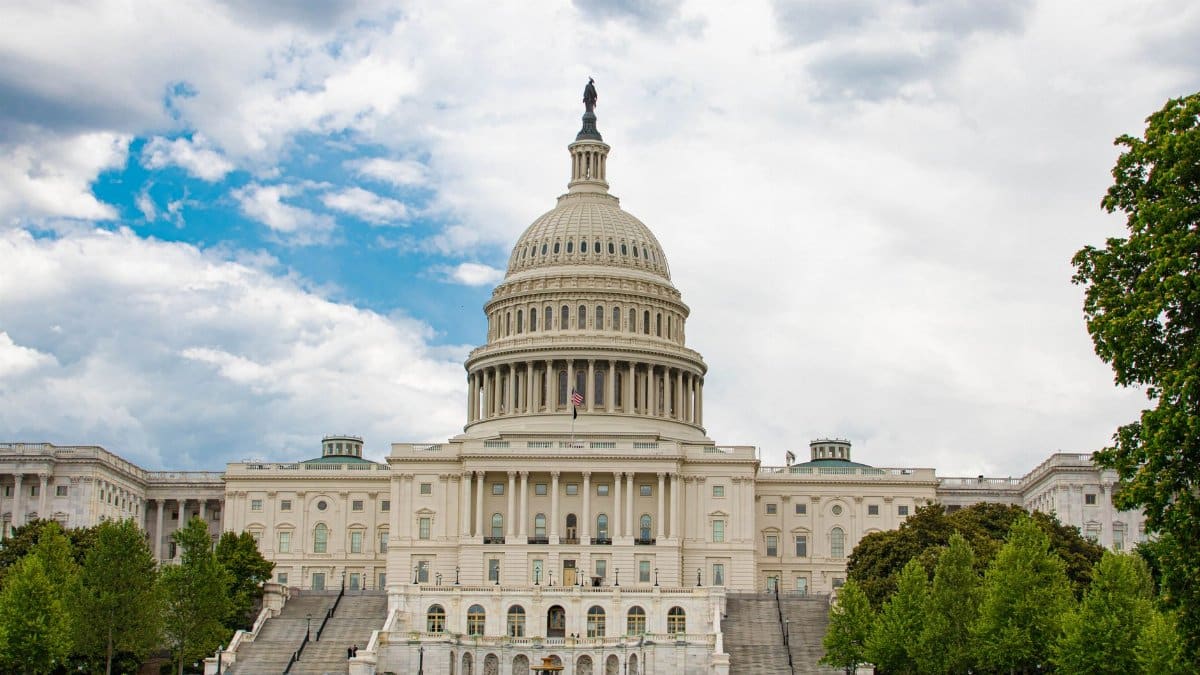
On a warm afternoon in Washington, a handful of senators who spend most weeks talking past one another stood in the same room and described a Senate energy permitting deal that would shorten reviews for new power projects and ask large computing campuses to pay for the extra electricity they demand. The vote, they said, would wait until after the midterms. For towns watching substations age and bills rise, the delay felt both prudent and painfully familiar.
Why the paperwork became the story

Permitting is the unglamorous middle of the energy system. A wind farm, a gas plant, a transmission line, or a battery yard can be financed and engineered long before a single foundation is poured, yet still sit for years while agencies collect comments, models, and lawsuits. Supporters of faster reviews argue that the country cannot add the power it needs if every project inherits the same calendar as the last contested pipeline. Critics answer that speed without scrutiny is how communities discover a substation in the backyard after the decision is already dressed up as inevitable.
The bargain now circulating among senators tries to split that difference. Reviews would have deadlines. Incomplete applications would not linger forever. Agencies would be pushed to work from a shared record instead of restarting the argument at every desk. None of that erases environmental law. It changes the tempo.
What lawmakers say they agreed to
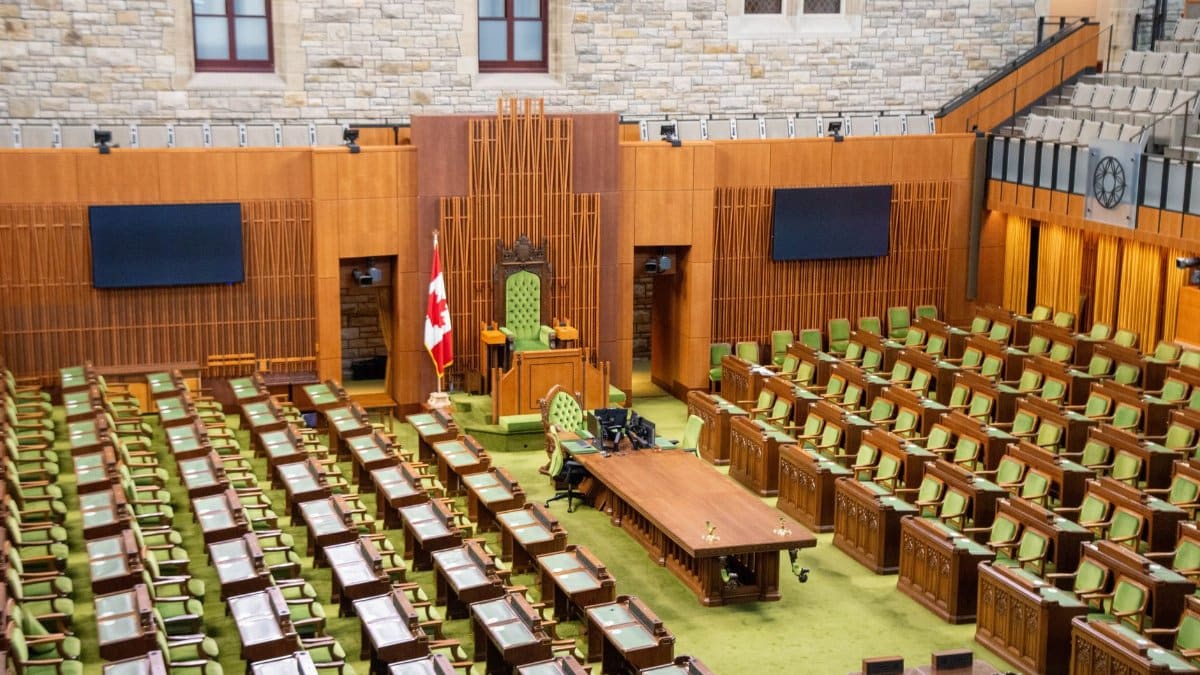
According to reporting on the negotiations, including an account in the Seattle Times, the outline pairs shorter federal reviews with a requirement that artificial intelligence data centers cover the cost of electricity beyond ordinary grid demand. The political logic is easy to sketch. Households are tired of paying for someone else’s boom. Tech companies want certainty that power will arrive. Utilities want permission to build before the next heat wave exposes a thin margin.
A Senate energy permitting deal of this kind is less a single statute than a stack of compromises. One section speaks to transmission. Another speaks to generation. A third tries to keep states from being steamrolled when a line crosses a river or a ridge they consider their own. The fine print will matter more than the handshake, which is why several offices have been careful not to call the text final.
The surge that made delay expensive

Electricity demand in the United States was nearly flat for a long stretch. Efficiency offset new gadgets. Factories closed or modernized. Then computing changed the curve. Training large models and running them around the clock requires halls of servers, cooling systems, and a steady diet of megawatts. Add electric vehicles, heat pumps, and a manufacturing revival, and planners who once argued about retiring plants are now arguing about where the next ones will stand.
I have sat in county hearings where the loudest voice was not an activist or a utility lawyer but a school board member asking whether the new load would raise rates before the tax base caught up. That question is not abstract. It is the reason a permitting fight in Washington now includes a bill for data centers rather than a vague promise that growth will pay for itself.
Making computing campuses carry their load

The idea that large users should pay for the infrastructure they trigger is older than the current computing rush. Factories, mines, and server farms have all been asked, in one jurisdiction or another, to fund substations, lines, or backup generation. What is newer is the scale and the speed. A single campus can resemble the demand of a small city, arriving in a handful of construction seasons.
Under the approach described by negotiators, those campuses would pay for electricity above the baseline the grid was built to serve. The phrase sounds clean. The accounting will not be. Who measures the baseline? Over what years? Does a company get credit for bringing its own generation, or for signing a contract that merely shifts someone else’s power across a congested line? Those questions will occupy regulators long after the press conference fades.
Still, the political message is deliberate. The Senate energy permitting deal is meant to tell voters that the cost of the computing boom will not be quietly folded into the residential rate case.
Clocks, lawsuits, and the meaning of a deadline

Deadlines are the part of permitting reform that sounds most like common sense and works least like a stopwatch. An agency can be ordered to finish a review in a set number of months. If the science is incomplete, or a tribe has not been consulted in good faith, or a map misses a wetland, a hard stop can produce a thin document that loses in court. Then the project waits longer than it would have under a slower, sturdier process.
Veterans of these fights tend to prefer early coordination over late heroics. Bring the Fish and Wildlife Service, the state historic office, and the affected community into the room before the application is polished. Publish the data. Limit the number of times an opponent can reopen a settled factual question without new evidence. That is reform. A slogan about cutting red tape is not.
Communities that live with the hardware

Transmission lines do not land in the abstract. They cross pastures, suburbs, and reservations. Gas plants bring jobs and emissions. Solar fields change the look of a valley and the use of the soil. Batteries promise backup and also raise questions about fire and disposal. A faster permit does not make those tradeoffs disappear. It decides who has time to speak before the concrete arrives.
Rural counties often want the tax revenue and fear the traffic, the noise, and the loss of control. Cities want the power and rarely host the generation. The fairest versions of this legislation would fund local capacity so that a town of eight thousand can hire counsel as competent as the developer’s. Without that, speed becomes a subsidy for whoever already knows the process.
Climate goals and the fuels still in the mix
Any deal that speeds all energy projects will speed projects climate advocates love and projects they oppose. That is the bruise at the center of the talks. Clean power needs transmission, and transmission has been strangled by the same delays that slow fossil infrastructure. Some environmental groups have therefore accepted narrower timelines in exchange for lines that unlock wind and solar. Others see a trap: a bipartisan vehicle that greases gas while offering solar a press release.
The honest version of the argument admits both risks. A grid that cannot connect new clean generation will keep old plants running. A grid that treats every fuel as equally urgent may lock in emissions the country said it would cut. The Senate energy permitting deal will be judged, years from now, by which of those futures it actually served.
States, tribes, and the federal reach
Energy siting in this country is a braid of authorities. States license many power plants. The federal government oversees interstate transmission, certain waters, public lands, and species. Tribes hold treaty rights and a government to government status that is not a public comment period. A statute that pretends one agency can tidy all of that will fail in court and in practice.
The more durable path is coordination with teeth. Shared timelines. A lead agency that can compel answers. Respect for tribal consultation that begins early enough to change a route, not merely to record an objection. Senators from Western states have been especially alert to this, because so much of the buildable land and so many of the contested lines sit in their districts.
The midterm pause and what it signals

Waiting to vote until after the midterms is a political choice dressed as scheduling. Members in tight races do not want a floor fight about pipelines, rates, or tech billionaires in October. Leaders want a text that can survive the election without becoming a weapon. There is a cost to that caution. Projects in the queue do not pause because a campaign does. Transformers have lead times. Construction crews book seasons in advance. A deal announced and not enacted is a rumor with better lighting.
It is also a test of whether the agreement is real. If the outline collapses once the ballots are counted, the afternoon unity was theater. If it holds, Congress will have shown it can still do the dull work of infrastructure when the incentives line up.
What households might actually feel

Most readers will never read a permitting statute. They will feel it, if at all, in the bill, the reliability of the lights, and the arguments at the planning board. Faster approvals could ease shortages that show up as higher wholesale prices during peaks. They could also front load construction costs that utilities recover from customers. The data center provision is supposed to lean against that second outcome. Whether it does depends on enforcement, not on the summary released to reporters.
A practical test is simple. In three years, can a utility point to a line or a plant that moved because the clock was real, and can a residential customer point to a rate case where a computing campus paid its share? If both answers are yes, the bargain worked. If only the developers noticed, it did not.
The argument that remains open

There is no version of this debate in which everyone leaves satisfied. Builders want certainty. Conservationists want limits. Communities want a veto that is something more than a suggestion. Tech firms want power without becoming the villain of the rate hearing. Senators want a vote they can explain at a diner.
The Senate energy permitting deal, as described so far, is an attempt to give each of those parties a piece they can tolerate. Shorter reviews. A bill for extraordinary electric demand. A vote on the other side of an election. It is not a national energy strategy, and it should not be sold as one. It is a procedural bet that the country can build faster without pretending the conflicts are fake.
That bet is worth taking only if the text, when it finally appears, matches the promise made in the room. Deadlines that courts will respect. Cost recovery that accountants can audit. Consultation that is early enough to matter. Anything less is another announcement about the future of power, filed beside the projects still waiting for a signature.