

On a stretch of Dakota County farmland that still smells of turned soil in spring, city leaders and international organizers have agreed on a future that will be louder, greener, and far more crowded. The Lakeville Expo 2031 site, nearly 57 acres beside Interstate 35, is now the chosen ground for a horticulture world’s fair expected to draw millions of visitors from May to October 2031. For a suburb better known for youth sports and commuter traffic than for global exhibitions, the decision is both a compliment and a test. Residents will spend the next several years watching survey stakes become pavilions, and wondering what a season of gardens will ask of their roads, their businesses, and their sense of place.
A suburb steps onto a larger stage

Lakeville has grown the way many Twin Cities suburbs have grown: school additions, retail pads, and housing that fills former fields one plat at a time. An international horticulture exposition is a different kind of arrival. It asks a city to host not only guests from neighboring towns but delegations, designers, and casual travelers who may never have heard the name before a headline. Organizers, as reported by the Star Tribune, settled on Lakeville after weighing access, available land, and the chance to stage a fair with a clear theme of plants, cultivation, and public landscape.
That choice matters because world’s fairs of this type are not pop up festivals. They are planned years ahead, with national gardens, demonstration plots, and a calendar that runs through an entire growing season. May to October is not a weekend. It is the length of a Minnesota summer plus the shoulders of spring and fall, when weather can still surprise anyone who planned a picnic in April.
What the agreement actually covers

The public outline is plain enough to repeat without embroidery. Organizers signed for nearly 57 acres off Interstate 35. They expect millions of visitors across those months in 2031. The theme is horticulture, which in practice means everything from display gardens and new plant trials to exhibits about soil, water, food, and the design of shared outdoor space. It does not, on the facts now public, mean a permanent amusement park or a second downtown.
Still, scale changes the meaning of a signature. Millions of people do not pass through a suburb without leaving tire marks, restaurant receipts, and arguments about parking. The Lakeville Expo 2031 site will be judged less by the press release that announced it than by whether the city can absorb that pressure without treating neighbors as an afterthought.
Reading the land before the plans harden

Fifty seven acres sounds large until you stand at the edge of a field and try to imagine pavilions, paths, service roads, and the back of house space that visitors never photograph. Horticulture fairs need room for living exhibits, which cannot be stacked the way trade show booths can. Trees need years. Perennials need a season to look like anything other than hope. Soil that has grown corn or soy does not automatically become a show garden because a map says it will.
Anyone who has watched a subdivision rise knows the first loss is often quiet: a sightline, a drainage swale, a place where kids cut across on bikes. The fair’s promise is that the loss is temporary and the gain is beauty. Temporary is a word cities should treat with care. Temporary structures still require utilities, stormwater plans, and a theory of what the ground should be when the tents come down.
Gardens as a public language
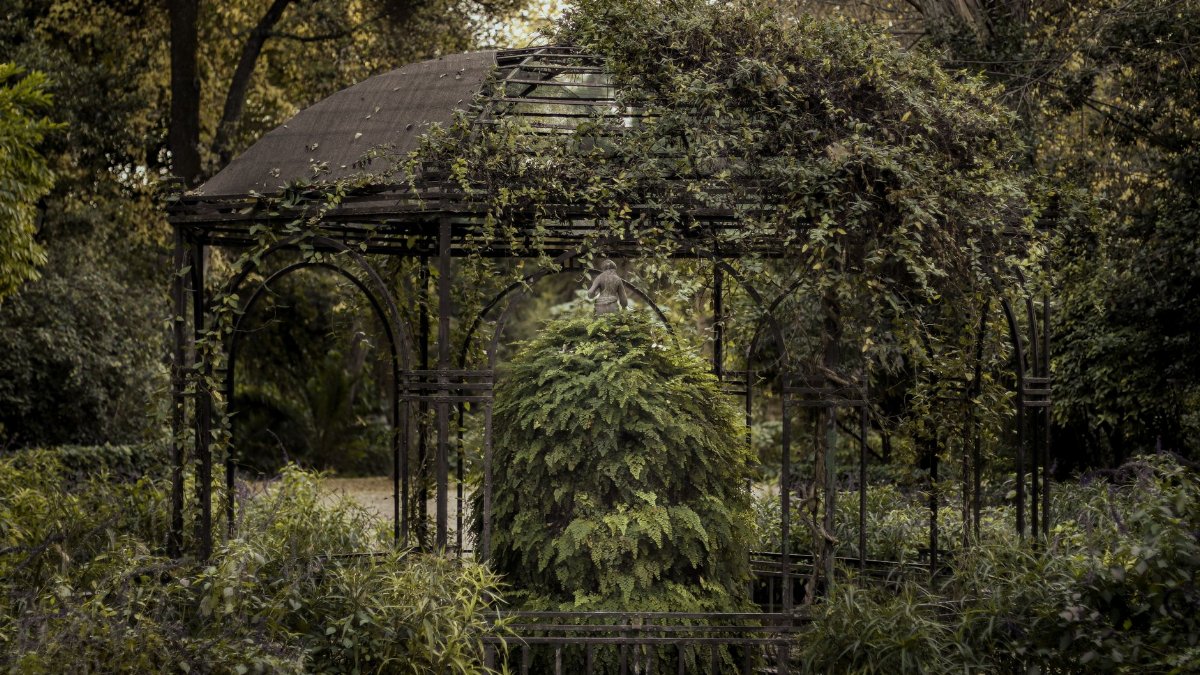
Horticulture is easy to sentimentalize and hard to do well in public. A garden can be a catalog of rare plants or a place where a tired person sits for ten minutes and feels less cornered by the week. The best public landscapes do both without announcing the lesson. If Expo 2031 is serious about horticulture rather than spectacle alone, visitors should leave knowing something they did not know about prairie plants, urban trees, food grown close to home, or the labor of keeping anything alive through a hot July.
There is a spiritual dimension here that does not require a creed. Cultivation is one of the oldest metaphors people use for patience, repair, and attention. A world’s fair built on that metaphor will either honor it or cheapen it. Rows of sponsor logos in front of thirsty annuals would cheapen it. Shade, water, seating, and gardens that still make sense to a local gardener in 2032 would honor it.
What local business should expect

For shops, restaurants, hotels, and contractors, the fair is a six month argument about capacity. Some owners will hire early and stock for crowds that arrive in waves rather than in a steady line. Others will discover that visitors who come to see gardens do not automatically wander three miles to a strip mall unless the city makes that wander obvious and pleasant. Transit, signage, and evening hours will matter as much as floral displays.
The risk for small business is not only missing the boom. It is building a cost structure around a boom that ends in October. A cafe that adds a patio for fair traffic still has to pay for that patio in November. Wise cities treat expositions as a rehearsal for ordinary hospitality: clearer wayfinding, better sidewalks, a habit of welcoming people who do not already know which exit to take. If Lakeville uses the fair that way, local business gains something that outlasts ticket sales.
Roads, water, and the hours after dark

Interstate 35 is the reason the site makes sense on a regional map and the reason neighbors will lose sleep if planning is lazy. Millions of visits compressed into warm months means peak days that feel nothing like a Tuesday in March. Ingress and egress, shuttle plans, and freight deliveries for living plants are not details to settle in 2030. They are the project.
Water is the other quiet constraint. Display gardens fail in public when irrigation is an afterthought or when stormwater from new hard surfaces floods the next field over. Minnesota summers can be wet, dry, or both in the same week. A horticulture fair that cannot explain its water use will have a credibility problem with the very audience it hopes to impress. Neighbors will ask, fairly, who pays for extra policing, extra trash routes, and the nights when music or lighting spills past a property line.
Who gets to narrate the place

International expositions tell stories about nations, regions, and the future of land. Those stories can flatten the people who already live beside the chosen acres. Dakota County’s landscape is not a blank slide for a design competition. It has farm families, newer residents, tribal histories that long predate the suburb, and a ecology of oak, wetland, and prairie remnant that does not reset when a fair ends.
A serious program would put local growers, tribal knowledge holders where they wish to participate, extension educators, and city gardeners in the exhibits rather than in a courtesy paragraph. The Lakeville Expo 2031 site will photograph well either way. It will mean more if the people who know this soil are authors of the fair and not only ushers.
Gathering, rest, and the inner weather of a crowd

Large public events test more than infrastructure. They test whether a community can be among strangers without treating strangers as a threat or a wallet. Churches, mosques, temples, and informal circles of neighbors often become the unplanned hospitality network: extra parking on a Sunday, a quiet room, a meal for workers who are not on the tourist map. Spiritual communities in Lakeville do not need to bless the fair to be affected by it. They will meet visitors who are delighted, lost, grieving, or simply overwhelmed by heat and noise.
That is not a side issue. Horticulture fairs attract people looking for beauty and people looking for a day out. Both deserve shade and a place to sit that is not a sales floor. If planners leave room for contemplation, not only for queues, the event will feel less like a mall with flowers and more like a civic garden. The category of news that tracks belief and practice should pay attention here, because a season of gathering always brushes against questions of welcome, rest, and what a city owes the people who pass through it.
The morning after October
Every fair has an afterlife that the opening speeches skip. Some sites become parks. Some become housing. Some linger as maintenance problems nobody budgeted for. The honest question for Lakeville is what nearly 57 acres should be in 2032, 2035, and 2040. If the answer is only “we will see,” the city is volunteering for a fight later. If the answer is a public landscape that keeps some of the fair’s paths, trees, and water systems, then design in the early years should serve that later life, not fight it.
Legacy is a word officials like because it sounds finished. Legacy is actually a maintenance budget, a governance structure, and a willingness to say no to the highest temporary bid if it ruins the long use of the ground. Residents should ask for that answer before the first pavilion contract is signed, not after the last visitor leaves.
Years of ordinary work before opening day

Between now and May 2031 there will be hearings, design reviews, contractor bids, and at least one season when the site looks like mud and promise in equal measure. That stretch is when public trust is either built or spent. Clear timelines, honest traffic studies, and a record of who is paid to do what will matter more than renderings of perfect blooms.
Journalists and neighbors alike should keep a simple ledger. How many acres stay open to the public after the fair. How water is sourced and returned. How local firms share the work. How workers are housed and paid. How the city measures success besides attendance. Those are not hostile questions. They are the questions a competent host asks of itself.
A fair that has to earn its season

World’s fairs succeed when the theme is visible in the ground, not only in the logo. For this one, the theme is horticulture, and the place is a specific field beside a busy freeway in a growing suburb. The Lakeville Expo 2031 site can become a reason people talk about Minnesota gardens with respect, or a reason they remember traffic and a gift shop. The difference will not be settled by the signing ceremony.
It will be settled by whether planners treat plants as living things with needs, neighbors as partners with standing, and visitors as guests rather than throughput. Millions of people may come. What they find, and what Lakeville keeps when they go, is still unwritten. That uncertainty is not a flaw in the story. It is the part of the story that still belongs to the people who live here.