
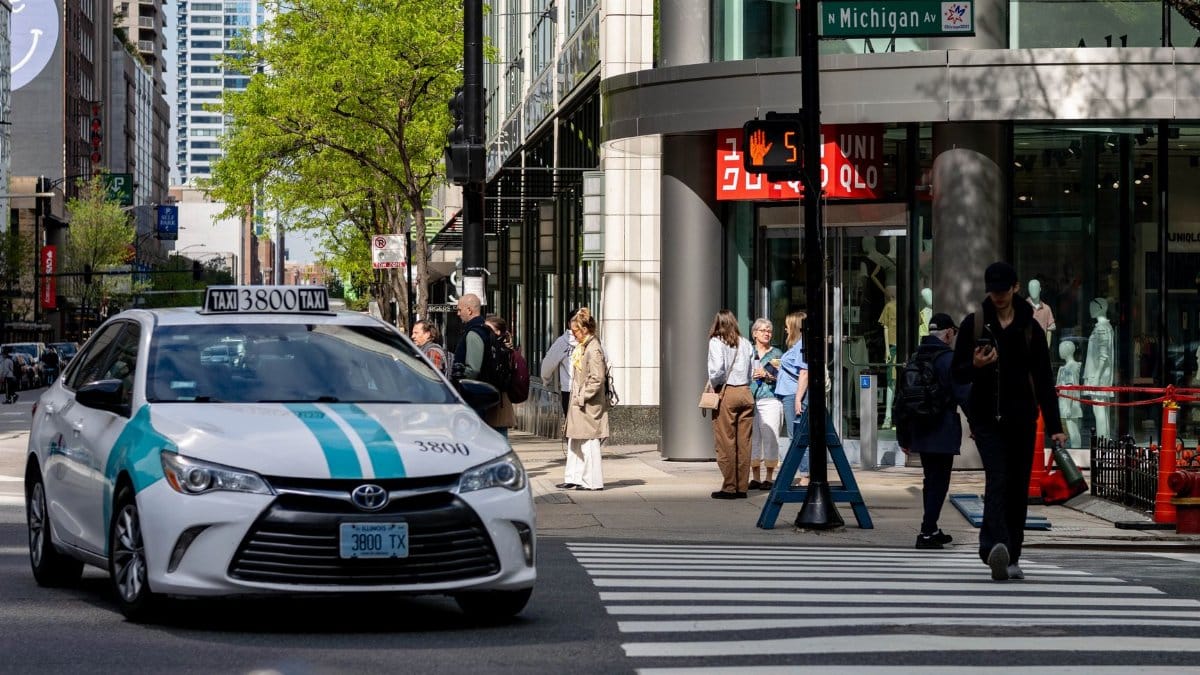
On a gray weekday morning the buses along Michigan Avenue bunch together like a slow parade, doors sighing open while the rest of the Loop keeps a faster clock. Into that familiar congestion Chicago plans to paint a northbound Michigan Avenue bus lane from Roosevelt Road to Wacker Drive, a stripe meant to give transit a clearer path through the densest stretch of downtown. The idea is simple enough to explain on a sidewalk. Whether it changes the morning is a harder question, and it will be answered not in a press statement but in the minutes riders gain or lose.
A stripe through the densest part of downtown
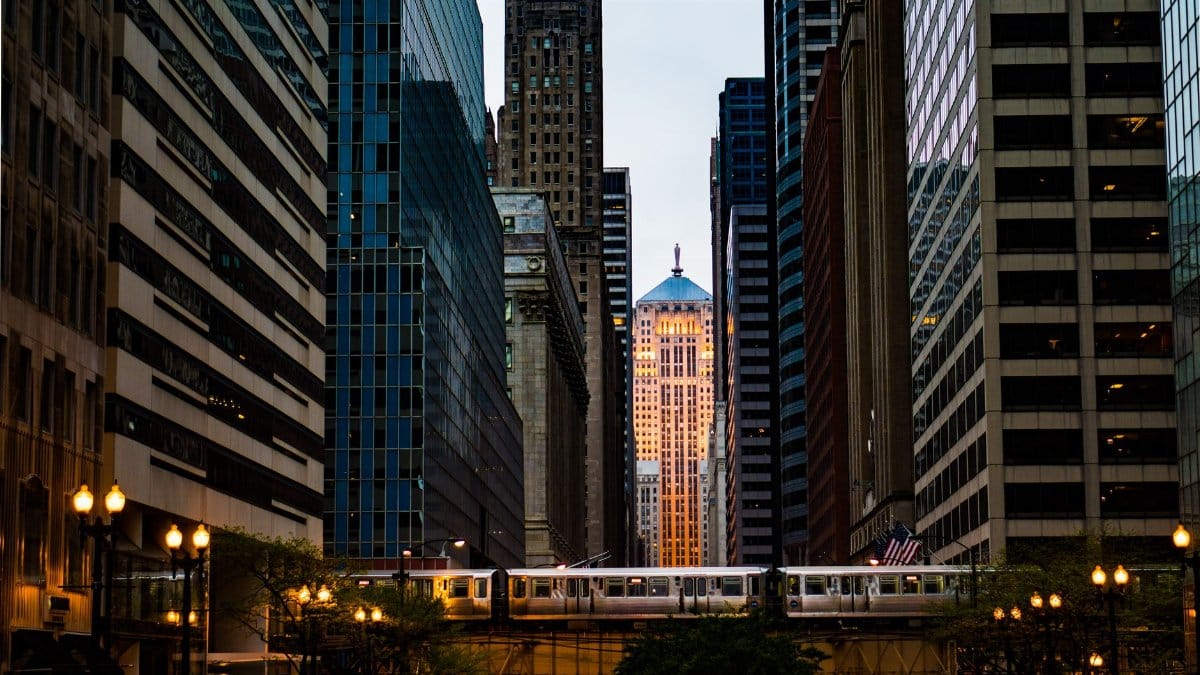
The stretch from Roosevelt Road to Wacker Drive is short on a map and long in the life of the city. It passes museums, hotels, office towers, and the open edge of Grant Park. It is also a working street, full of delivery vans, tour buses, taxis, and people who are simply trying to get from one appointment to the next. A painted lane does not rebuild the avenue. It redraws who may use a slice of it, and it asks everyone else to yield.
City leaders have framed the project as a practical fix for buses that already carry a heavy share of downtown trips. Paint is cheaper and faster than concrete. It can be adjusted if the first layout proves clumsy. That flexibility is part of the appeal, and also part of the risk. A lane that exists only as color on asphalt depends on habits, signs, and the willingness of other drivers to treat it as real.
The avenue as people already live it
Michigan Avenue is not one street in the public mind. South of the river it is a civic front porch, lined with institutions that Chicago shows to visitors. North of the river it becomes the shopping corridor that postcards still sell. The bus lane under discussion sits on the southern piece, in the Loop, where office workers, students, hotel staff, and tourists share the curb with a blunt lack of ceremony.
Anyone who has waited at those stops knows the particular frustration of watching a bus approach and then sit, blocked by a car that stopped for thirty seconds and stayed for five minutes. The delay is rarely dramatic. It is ordinary, and ordinary delays are what make a commute feel longer than the schedule promised. A lane is an attempt to protect that ordinary time.
Minutes that riders already count

Transit debates often drift toward grand language about the future of cities. Riders tend to talk in smaller units. Will the bus still be there if I leave the office at 5:10. Will I make the train at Roosevelt. Will I stand in the cold while three cars use the stop as a brief parking space. Those questions do not require a planning degree. They require a watch.
Supporters of the Michigan Avenue bus lane argue that even a modest gain, repeated twice a day, becomes a real change in a workweek. Critics answer that a painted lane can create new delays for everyone else, and that a bus moving freely does little good if the next bottleneck simply shifts a few blocks north. Both claims can be true on the same afternoon. The honest test is whether the buses run more reliably, not whether the paint looks decisive in a photograph.
What paint can do and what it cannot

A bus lane is a rule written on the street. It tells drivers that a portion of the roadway is reserved, at least in the direction and during the hours the city designates. It does not add a new bus. It does not hire a new operator. It does not fix a broken signal or a stop so crowded that boarding takes as long as the ride. Those limits matter, because disappointment often follows projects that were asked to solve more than they were built to solve.
Paint also fades. Winter salt, summer heat, and the daily grind of tires will test whatever the city lays down. If the markings grow faint, the rule grows faint with them. Maintenance is not a glamorous part of the story, yet it is the part that decides whether the lane still exists in February, when downtown is dark by late afternoon and nobody is taking pictures of fresh stripes.
Drivers, cabs, and the shared curb
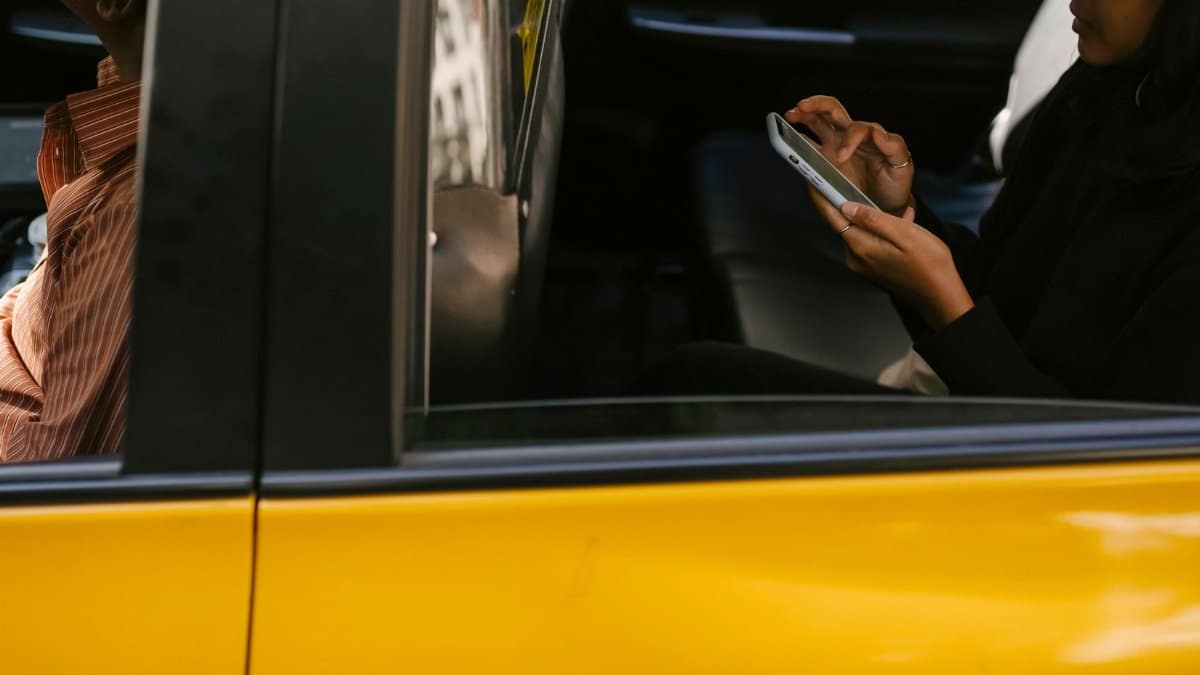
The people most likely to feel the change immediately are not only bus riders. Cab drivers, ride hail drivers, delivery workers, and anyone who uses the curb for a quick stop will have to relearn a block they thought they knew. Some of that relearning will be fair. A curb is not a private driveway. Some of it will be inconvenient in ways that fall hardest on workers whose pay depends on how many stops they can make before the next hour.
Enforcement will decide the tone of the experiment. A lane that is ignored becomes a suggestion, and suggestions do not move buses. A lane that is policed with surprise and little warning becomes a source of tickets and resentment. Cities that have tried similar projects have learned that signs, a period of education, and consistent follow through matter as much as the color of the paint. Chicago will have to choose how firm it wants to be, and how visible that firmness is to people who do not read transit memos.
A downtown that sells itself on movement
Chicago has spent years telling a story about a downtown that is open, walkable, and worth the trip. Michigan Avenue is central to that story, even on the blocks that are more office than shop window. When buses crawl, the story frays for the people who use them, many of whom are going to work rather than to a museum. A faster bus is a small piece of a larger promise: that the center of the city remains reachable without a private car.
There is a tension here that planners rarely say out loud. The same avenue is asked to be a scenic approach, a commercial address, a loading zone, and a transit spine. Those jobs conflict at the curb. Giving buses a lane is a choice about which job comes first on a narrow piece of public land. It is not a neutral choice, and it should not be described as one. It favors people who ride over people who want to pause. In a city where riding is how a great many workers arrive, that favor has a logic. It still has costs.
Who stands to gain if the buses keep moving
The gains, if they come, will not be distributed evenly. Riders on routes that already run often through the Loop may feel them first. Visitors who board once a year may not notice. Employers near the avenue may notice if staff arrive less frayed. Hotels may notice if guests stop complaining about a ten minute ride that took twenty. None of that is guaranteed. It is the plausible shape of a benefit, and it depends on whether the lane stays clear during the hours when the street is most tempted to fill every gap.
There is also a quieter group: people who cannot easily walk a longer distance from a farther stop, or who time a transfer to the minute. Reliability is a form of access. A bus that comes when the sign says it will come is not a luxury. For someone balancing a shift and a school pickup, it is the difference between a plan and a scramble. If the Michigan Avenue bus lane does nothing else, protecting that reliability would justify a great deal of inconvenience for drivers who have other options.
The politics of one painted line

A single lane can carry more argument than its width suggests. Business groups worry about access. Transit advocates worry that a timid design will be cited later as proof that bus lanes do not work. Neighbors worry about diversion onto side streets. Elected officials worry about being blamed for a ticket, a delay, or a photo of an empty red stripe beside a traffic jam. All of those worries are political, and all of them are also practical.
The healthiest version of this debate would stay close to evidence that the city can actually collect. Travel times before and after. How often the lane is blocked. How boarding works at the busiest stops. Whether side streets absorb a surge or merely a rumor of one. Publishing those numbers in plain language would do more for trust than another round of renderings. People can accept a tradeoff they can see. They resent a tradeoff that is described only in adjectives.
What would count as success

Success should be boring. Buses that keep a steadier pace between Roosevelt Road and Wacker Drive. Fewer stops used as informal parking. Fewer riders who abandon a trip because the next bus is stuck out of sight. A design that drivers can understand without a briefing. If those things happen, the lane will have earned its place, even if nobody writes a second story about it.
Failure would also be recognizable. A lane that is blocked so often that operators ignore it. Markings that disappear. A rule so confusing that enforcement feels arbitrary. Or a project so narrowly drawn that it cannot be judged at all, because nobody measured the street before the paint went down. Chicago has the chance to avoid that last failure simply by counting, and by saying what the count shows.
After the first stripe dries
The launch will be a beginning, not a verdict. Paint can be adjusted. Hours can be changed. A stop can be moved if it proves to be the real problem. What cannot be adjusted as easily is public patience. If the first weeks are chaotic, the story will harden around the chaos. If the first weeks are quiet and the buses are a little faster, the story may never harden at all, which is its own kind of success.
Michigan Avenue has absorbed parades, protests, construction, and the ordinary crush of a workday. It can absorb a bus lane. The question is whether the city treats the lane as a finished gesture or as a tool that has to be watched. Riders will know the difference before any official report does. They will know it in the small mercy of a bus that does not sit, doors closed, while the avenue inches forward around it.