

For years a San Francisco diner could open the paper, find a number beside a restaurant name, and know whether a Thursday table was worth the trouble. That shorthand vanished, and with it a public argument about taste that the city had treated as civic habit. Now Chronicle starred reviews return, and the Bay Area is again being asked to read dinner as a scored experience rather than a private preference. The paper will rate restaurants from zero to four stars after an eight year break, restoring a scale that once filled rooms, bruised egos, and gave readers a shared language for a meal they had not yet eaten.
A symbol with a long local memory

Starred criticism at the Chronicle was never only a consumer tip. It was a weekly referendum on who belonged in the city’s idea of good food. Readers argued in letters, chefs framed clippings, and reservation books moved when a rating shifted. The practice sat inside a broader American newspaper tradition in which a critic, employed by a local institution, translated a night of service into a durable judgment. That judgment traveled farther than any single table because print, and later the web, gave it a life beyond the dining room.
The absence of stars did not end reviewing. Writers still described plates, rooms, and the feel of a night out. What disappeared was the compression of that description into a mark everyone could quote. Without the mark, praise could be warm and still ambiguous. A restaurant might be called essential and still leave a reader unsure whether to book. The return of a scale answers that ambiguity with a number, which is both the point and the risk.
Why the stars went quiet

Newspapers pulled back from starred systems for reasons that were practical as well as philosophical. A fixed scale can flatten a cuisine that does not want to be compared with the room next door. It can reward polish over intention, or punish a young cook for a room that is still finding its voice. It can also concentrate power in one byline at a moment when readers were learning to trust a crowd of phones more than a single desk.
There was a labor question too. A fair star requires repeat visits, anonymity, and time that shrinking newsrooms struggled to protect. If the visits are thin, the star becomes theater. Editors who cared about the craft had reason to ask whether a symbol they could not fully earn should stay on the page. The long pause was, in that sense, a form of restraint. Chronicle starred reviews return only if the paper is prepared to spend the nights that the symbol demands.
What zero to four is meant to say

A four point range is blunt on purpose. Zero signals a meal that fails the basic contract of hospitality. One suggests a place with a reason to exist and serious flaws. Two is competent, sometimes pleasant, rarely urgent. Three is a destination. Four is rare, and should stay rare if the scale is to mean anything. Readers do not need a decimal to decide whether to cross a bridge. They need a promise that the same rules apply on both sides of the bay.
The danger is false precision. A three at a taco counter and a three at a tasting menu are not the same kind of success, even if the number matches. Good criticism will have to carry the context the star cannot hold: price, neighborhood, ambition, and whether the kitchen is cooking for regulars or for a debut. The star is a headline. The review is the argument. If the argument is lazy, the headline will do damage the prose cannot repair.
How a mark moves money

Anyone who has worked a floor knows that a public rating is not abstract. It changes covers, tips, and whether a line cook keeps a shift. In a city where rent already decides which concepts survive, a sudden rush can be as stressful as a slump. Kitchens staff up. Wine lists expand. Then the rush fades and the payroll remains. A responsible critic does not pretend the words are weightless. The job is to tell the truth anyway, with enough visits that a bad night is not mistaken for a bad restaurant.
Owners will read the star before they read the lede. That is human. It is also why the surrounding sentences matter. A place can be imperfect and still worth protecting if the writing explains what it is trying to do. A place can be fashionable and still undeserving if the food does not match the noise. The Chronicle’s choice to score again will be judged less by the announcement than by whether early ratings show that distinction.
Stars, guides, and the crowd

Bay Area diners already live among other systems. Tire company guides, app scores, and influencer posts all claim authority. Newspaper stars are different because they are signed, edited, and tied to a local institution that can be argued with in public. An anonymous aggregate can bury a grudge inside a decimal. A named review can be answered, corrected, and remembered. That accountability is the remaining advantage of the form.
It is not an advantage if the paper chases the same restaurants everyone else is photographing. The value of a local critic is range: the strip mall lunch, the long running dining room, the new project in a neighborhood the guides treat as a drive by. Chronicle starred reviews return as a useful civic tool only if the map is wider than the obvious postcodes. Otherwise the scale will confirm a city readers already know how to find.
Trust, anonymity, and the critic’s limits

Anonymity is harder than it used to be. Faces circulate. Reservations leave traces. A kitchen that suspects a critic may perform, and a performance is not the meal a regular receives on a wet Wednesday. The honest response is not to abandon standards. It is to visit often enough that performance cannot hold, and to say when a room seemed to know. Readers can forgive a recognized critic. They cannot forgive a rating built on a single staged night.
There is a limit to what one palate should decide. Allergies, budgets, and cultural fluency shape what tastes like care. A critic who treats personal preference as universal law will lose the room, even with a perfect scale. The better model is transparent method: how many visits, what was ordered, what the bill looked like, and where the writer may be a poor guide. Humility is not softness. It is how a score stays believable after the first controversy.
The diners who never saw the old system

Eight years is long enough for a cohort of readers to have come of age without newspaper stars. They learned restaurants through group chats, short video, and friends who eat out more than they do. For them a star may look antique, a relic of a paper that arrived on a doorstep. The task is to show that a considered review still does something a clip cannot: sit with a place, notice service over time, and risk a judgment that might be wrong in public.
Older readers may feel the opposite pull, a nostalgia for certainty. Nostalgia is a poor editor. The old scale had blind spots, including too little attention to cooks who did not fit a fine dining script. Bringing the symbol back without widening the beat would repeat the error with better typography. The interesting version of this revival is not restoration. It is a correction dressed as a comeback.
Chefs, letters, and the public argument

When stars existed, disagreement was part of the product. A harsh review produced phone calls, rival critics, and dinners organized in protest or in tribute. That friction can look unkind from inside a kitchen working on thin margins. From outside, it is one of the few remaining spaces where taste is debated with names attached. A city that only praises will not know what it values. A city that only scores will not know why.
The healthiest response from restaurants is not silence and not a social media campaign. It is the work itself, improved or defended on the plate. Readers can help by treating a star as a start, not a verdict they outsource forever. Go, or do not go, and then say what you tasted. Chronicle starred reviews return to a culture that already talks constantly about food. The paper’s job is to make that talk more precise, not louder.
What the first months should prove

The early reviews will teach the audience how to read the new scale. If four stars arrive quickly and often, the top will inflate and the middle will lose meaning. If harsh marks cluster on inexpensive rooms while expensive ones receive essays of excuse, trust will collapse. Consistency across price and geography is the only advertisement that matters. Method, published plainly, will do more for credibility than any redesigned badge.
Editors should also expect error. A missed dish, a closed kitchen, a fact that needs a correction. The speed of the correction will signal whether the star is a brand or a piece of journalism. Brands protect the image. Journalism fixes the record. Readers who lived through the last era of starred criticism will be watching for that difference before they celebrate the symbol itself.
A shared table, still unfinished
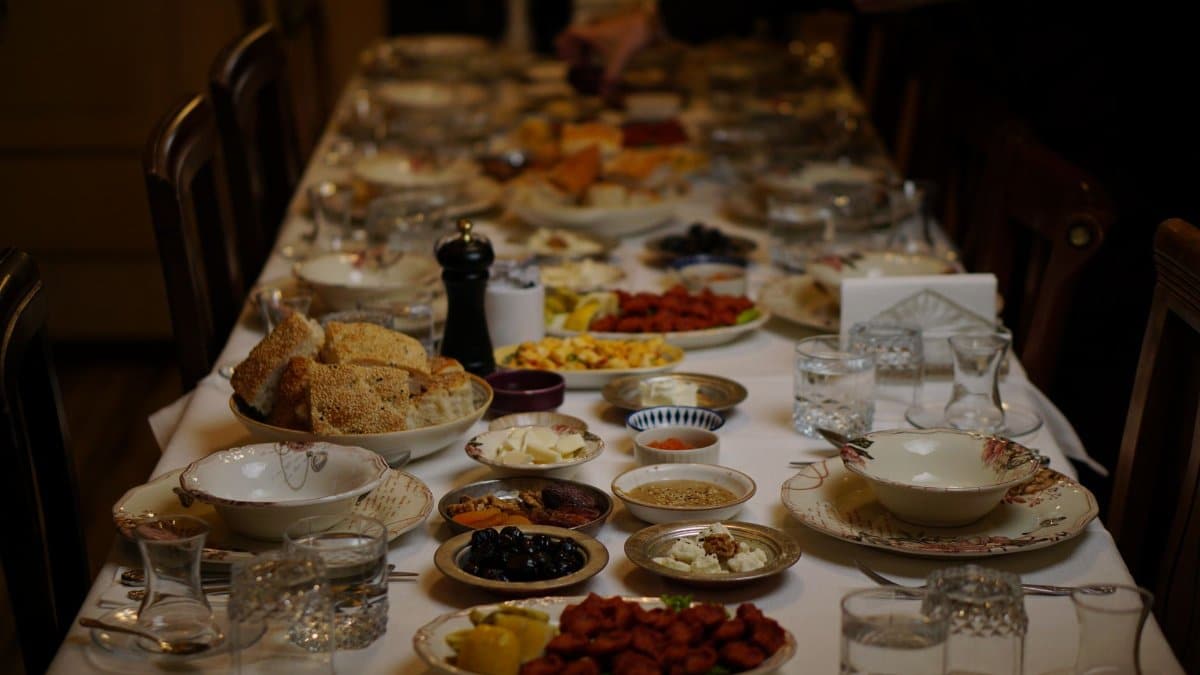
Food criticism will not solve rent, staffing, or the cost of a weeknight out. It can, at its best, describe a city through the rooms where people choose to sit together. That is a modest civic function and a real one. The return of a scale gives that function a handle people can grip. Handles can be used carelessly. They can also let more readers into a conversation that had started to feel private, insider, and impossible to enter without already knowing the right names.
Chronicle starred reviews return at a moment when many local institutions are thinner than they were and many dining rooms are more fragile. The fitting ambition is not to crown a scene. It is to look carefully, score sparingly, and write as if the people on both sides of the pass are adults who can bear a clear sentence. If the paper does that, the star will be worth the ink. If it does not, the number will be just another noise in a city that already has enough.