
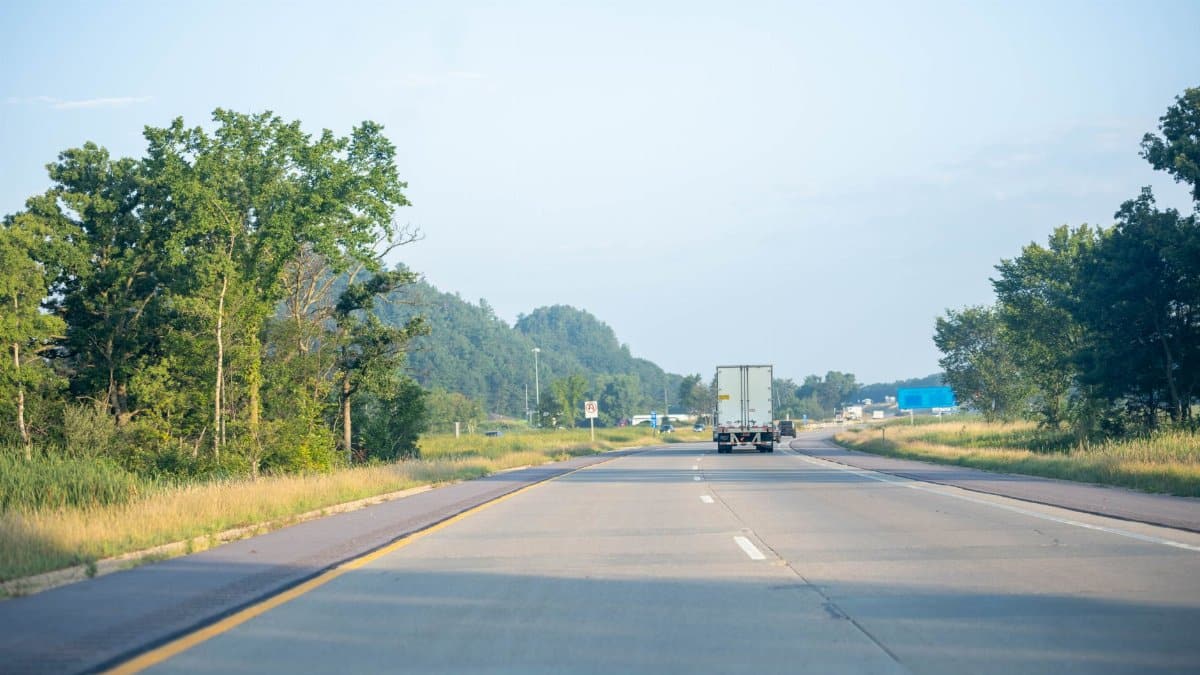
On a weeknight in Plymouth, the council chamber held more people than the usual zoning dispute. Residents had come to argue about cameras fixed above busy roads, devices that photograph license plates and keep a searchable record for police. The Minnesota Flock camera backlash had left the comment sections and arrived as a formal demand: end the contract, or explain why a private company should hold a map of local movement. Council members, who had once treated the system as a routine public safety purchase, now faced a room that no longer accepted that framing.
What Plymouth chose to stop

Plymouth ended its contract after months of complaint, vandalism, and a growing sense that the city had bought more surveillance than it had explained. The cameras, sold by Flock Safety, sit on poles and overpasses and log plates as cars pass. Police like the speed. A stolen vehicle, a witness who remembers only a partial plate, a pattern of cars near a burglary: the pitch is that a search replaces days of guesswork.
That pitch worked in a lot of Minnesota suburbs until it did not. In Plymouth the argument shifted from whether the cameras catch suspects to whether residents had truly consented to a standing record of their comings and goings. Ending the contract did not erase every photo already stored, and it did not quiet the people who wanted the poles gone yesterday. It did signal that a city can walk away when trust collapses.
How a plate reader actually behaves

A license plate camera is not a body camera and it is not a red light camera in the old sense. It is built to read characters, attach a time and a place, and hold that pair long enough for an investigator to query it. Vendors say the image is narrow. Critics say the power is in the archive, not the single frame. One pass is a fact. Thousands of passes, searched across weeks, become a route.
Cities often approve these systems inside a technology budget, beside radios and interview rooms. The vote can look small. The capability is not small. Once the network is live, a detective in one department may be able to ask whether a plate appeared near a park, a clinic, or a place of worship. That question can solve a case. It can also reveal a life that the driver never agreed to narrate.
Privacy fights that refused to stay local

The Minnesota Flock camera backlash did not begin as a single ordinance fight and then politely stop at a city line. People in one suburb watched hearings in another. Activists traded footage of damaged equipment. Civil liberties groups warned that plate data can outlive the reason it was collected, especially if a vendor hosts the archive and partner agencies can search it.
Residents raised familiar worries with unusual force. Who owns the images. How long they remain. Whether federal agencies, or police in another state, can run a query without a fresh local debate. Whether error, a dirty plate, a similar character set, can send officers toward the wrong car. None of those questions require a person to oppose policing in general. They require a city to admit that a convenience for investigators is also a record of innocent travel.
Vandalism and the cost of anger

Somewhere in this fight, argument gave way to damage. Cameras were spray painted, blinded, or torn at. City officials called it vandalism, and they were right about the law. Destroying public equipment is a crime, and it hands opponents of the program a mess they did not ask for. It also tells leaders something uncomfortable: a share of the public experiences these poles as an occupation of ordinary streets, not as a neutral tool.
I have covered enough local hearings to know that property damage rarely clarifies a policy. It hardens both sides. Police see an attack on a tool that recovered stolen cars. Neighbors see a city that heard dissent and answered with more cameras, or with silence. The better measure of the backlash is not the broken housing on a pole. It is the crowd that still shows up, week after week, asking for a vote in daylight.
Duluth takes the argument north
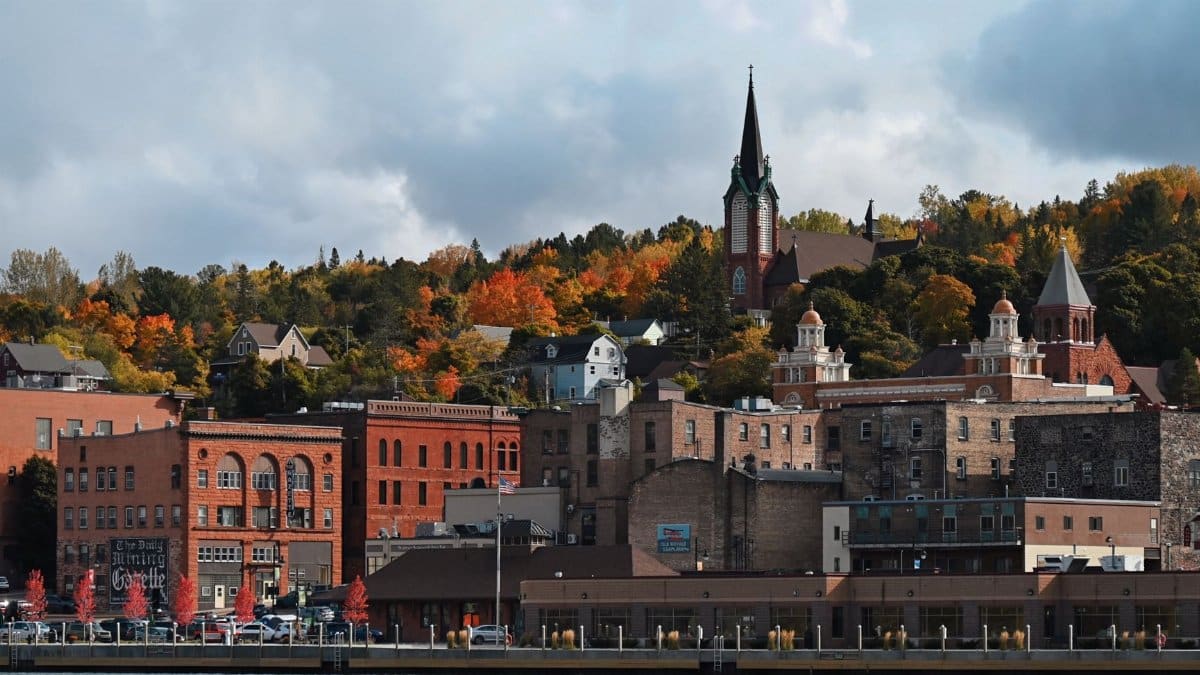
Duluth is not a ring suburb, and its politics do not copy Plymouth. Still, the same company and the same promise arrived, and so did the same objections. Residents asked whether a port city with a distinct civic culture should import a surveillance model designed for fast growing metros. Council members heard from people who want faster arrests and from people who worry that a searchable map of plates will follow activists, patients, and worshippers as readily as it follows car thieves.
The Minnesota Flock camera backlash in Duluth has been less about a single viral incident than about jurisdiction. Who sets retention. Who audits searches. What happens if the vendor changes its terms. A northern city can love its police department and still refuse to treat a private dashboard as an extension of the city charter. That distinction is easy to mock in a comment thread and hard to dismiss in a formal hearing.
Edina and the suburban unease
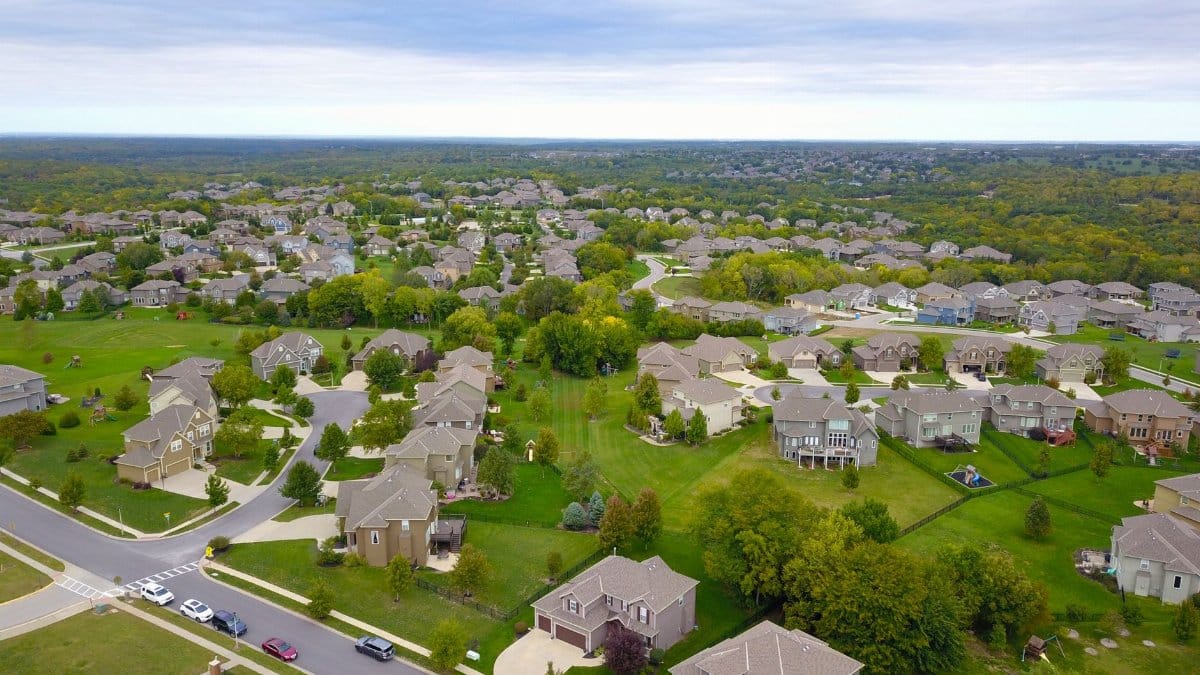
Edina, like other comfortable suburbs, bought into plate readers on the theory that crime does not respect a border and neither should evidence. The backlash there has sounded more procedural than theatrical. Residents with lawyers in the family asked for contracts, data maps, and a plain account of which outside agencies can log in. They wanted to know whether a search requires a case number, a supervisor, or only a curious password.
That is a useful kind of pressure. It does not deny that plate readers have helped recover vehicles and identify suspects. It denies that help is the whole story. A city that cannot explain its own access rules is not ready to multiply cameras. Edina’s debate, and similar fights in other communities, shows how quickly a safety purchase becomes a governance test.
The case police still make

It would be dishonest to write this only from the sidewalk. Investigators describe cases in which a plate hit turned a cold trail into an address within hours. They argue that human memory is worse than a camera, and that victims deserve tools that work at the speed of a getaway. In departments short on detectives, a query can feel like staffing.
Those claims deserve a hearing, not a sneer. The question is proportion. A tool that occasionally solves a serious crime can still be too broad if it records everyone in order to find someone. Police leaders who want to keep the cameras will have to accept limits that feel slow to them: shorter retention, narrower sharing, public logs of searches, and a real penalty when an officer goes fishing. Without those limits, every success story arrives already discounted by distrust.
Who else can see the archive

The sharpest fear is not the local officer who knows the neighborhood. It is the network. Flock and similar vendors market cooperation. A plate seen in one city can be checked against alerts from another. That feature is the product. It is also the point where local consent frays. A resident who spoke at a Plymouth hearing did not vote for a search run from far away, under rules they never read.
Data sharing agreements are where the Minnesota Flock camera backlash becomes more than a mood. If a city cannot list every agency with access, it does not control the system it thinks it bought. If images live on vendor servers, a contract cancellation is not the same as deletion. Councils that treat these details as fine print are learning that residents now read the fine print aloud.
Councils caught in the middle

Local government is where this lands because that is who signed the purchase order. Mayors and council members are not surveillance theorists. They are people who also answer for burglaries, for response times, and for a budget line that looked sensible two years ago. Walking away costs money. Staying costs legitimacy.
More than a dozen Minnesota communities have felt some version of this pressure, according to reporting in the Star Tribune. The pattern is not identical in each place. Some cities paused expansion. Some demanded new policies. Some, like Plymouth, moved to end the deal. What they share is a public that no longer treats plate readers as street furniture. The cameras are political objects now, as visible as a zoning fight and harder to undo.
Rules residents might actually accept

A durable policy would be boring on purpose. Short retention, measured in days rather than seasons. A written reason for every search, available to an auditor and, in summary, to the public. No sharing beyond a named list that the council must renew in public. A ban on using the archive to monitor protests, clinics, or houses of worship. Independent review when a query looks personal rather than investigative.
None of that guarantees perfection. Plate readers will still miss dirty characters and still tempt the impatient. But rules of that kind tell residents the city knows what it purchased. They also give police a defense that is better than trust us. If a department cannot live with a paper trail, it is asking for a power that local government should not rent from a vendor.
After the contract, the argument remains

Ending a contract is a headline. It is not an ending. Poles come down slowly. Data lingers. Neighboring cities keep their own networks, and a driver who leaves Plymouth still enters someone else’s frame. The Minnesota Flock camera backlash will keep moving as long as the product does, from suburb to harbor city to the next council packet that lists cameras beside squad cars.
What has changed is the burden of proof. For a while, companies and police could treat adoption as the default and objection as fringe. That default is gone in a widening set of Minnesota communities. Safety still matters. So does the right to move through a city without building a private archive of the trip. The councils that remember both facts will write the next contracts, or decline them, with fewer surprises waiting in the chamber.