

Dallas has spent years arguing that American finance does not have to live only on the Hudson. This spring that argument acquired a harder number. TXSE Group, parent of the planned Texas Stock Exchange, said a third capital round lifted the total raised to $430 million, clearing the $400 million mark that separates a concept from a build. For anyone following Texas Stock Exchange funding, the figure is a receipt more than a celebration: a national market costs real money long before the first listing bell, and the people writing checks have now shown they expect one.
What $430 million actually buys
An exchange is not a logo and a lease. It is market technology, surveillance systems, membership rules, legal staff, and a relationship with regulators that can last years before a single share changes hands. Cash at this scale pays for that wait. It also signals to brokers and corporate treasurers that the project is staffed for a long campaign, not a conference announcement. Passing $400 million does not open the doors. It makes abandonment more expensive for the sponsors, which is a different kind of commitment. Companies deciding where to list notice that distinction. So do the two incumbents that already own most of the American listing business.
Who has been willing to write checks

Earlier rounds drew names that matter in market structure, including BlackRock and Citadel Securities, alongside other trading firms and financial institutions that live inside the plumbing of equities. Those investors are not sentimental about Texas. They care about fees, routing, data, and whether a third venue can loosen the grip of Nasdaq and the New York Stock Exchange on listings and the services wrapped around them. Later money, the kind that pushed the parent past $400 million, tends to arrive only after early backers have seen a regulatory path that is at least plausible. That does not mean the path is short. It means sophisticated capital has decided the odds are worth funding.
Dallas and the geography of listings
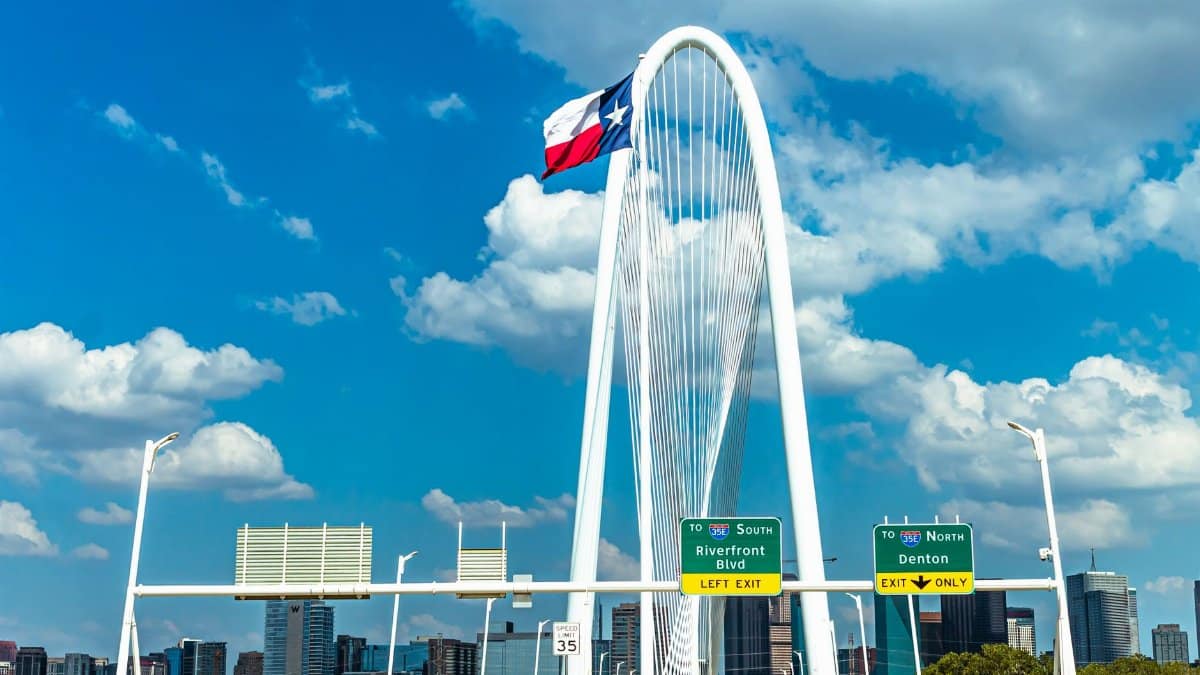
The pitch is geographic and cultural at once. Texas already holds a thick slice of corporate headquarters, energy producers, banks, and fast growing private companies that will need public markets. Executives in the state have complained for years about listing costs, governance fashion imported from the coasts, and a sense that New York treats the rest of the country as a source of issuers rather than a peer. A Dallas based exchange promises proximity: roadshows that do not require a dawn flight, a regulator facing staff that understands energy and industrials, and a brand that flatters local pride. Pride does not clear trades. Geography can still matter when a chief financial officer is choosing among venues that look similar on a fee schedule.
How permission actually works

No amount of private capital lets a company call itself a national securities exchange and start matching orders. The Securities and Exchange Commission must approve exchange registration, rulebooks, and the plumbing that connects a new venue to the national market system. That process is public, technical, and slow. Comment letters arrive from competitors. Member standards, listing criteria, and surveillance plans get picked apart. TXSE Group has described an ambition to begin operations after that approval, with listings to follow. Until the commission signs off, the $430 million is preparation, not revenue. Readers should treat timelines as intentions. Regulatory calendars slip, and a missed quarter is cheaper than a flawed rulebook.
What issuers might gain, and what they might not

A new venue can compete on listing fees, on the services bundled with a ticker, and on the tone of its governance standards. Some companies want a simpler public face and fewer symbolic fights over board composition. Others want the opposite: the prestige and analyst coverage that still cluster around the older brands. Texas Stock Exchange funding does not rewrite that tradeoff. It only makes a third option financially real. Dual listings, transfers, and the first wave of initial public offerings will test whether issuers move for price, for politics, or for neither. History suggests most will move only when bankers, index providers, and large asset managers treat the new tape as ordinary. That social proof takes time and a few clean, visible deals.
The incumbents are not spectators

Nasdaq and the New York Stock Exchange did not become dominant by ignoring challengers. They can cut fees, sweeten services, and remind issuers that liquidity, options markets, and index inclusion still sit with them. Regional efforts have failed before when technology worked and demand did not. The difference this time is scale and sponsorship. Hundreds of millions of dollars, plus owners who already route enormous order flow, is a more serious threat than a municipal branding campaign. Even so, incumbents can absorb a price war longer than a startup can fund one. The parent company’s war chest is large for a launch. It is small next to the franchise value of the markets it hopes to dent.
Risks that capital does not cancel
Technology can fail on day one. A thin order book can embarrass a high profile listing. A political brand can attract issuers and repel others in the same season. Lawsuits, delayed approvals, and a cold market for new offerings can all stretch the cash. Investors in the parent are buying an option on market share, not a guaranteed exchange. If listings do not follow the headlines, later rounds get harder and more dilutive. That is the ordinary risk of infrastructure finance, dressed up in cowboy imagery. The honest question is not whether Texas deserves an exchange. It is whether enough corporate issuers will pay to be there when New York still answers the phone.
What the backers are really purchasing

Follow the incentives and the romance thins out. Trading firms want another venue that might improve execution or bargaining power with existing exchanges. Asset managers want competition in data and listing services that they ultimately pay for. Texas business leaders want a trophy that keeps talent and headlines at home. None of those motives is shady. Together they explain why Texas Stock Exchange funding climbed past $400 million without a single trade. The buyers are funding an option on pressure: pressure on fees, on rulemaking, and on the idea that two venues are enough for the world’s deepest equity market. If the option expires worthless, they will have spent heavily to learn that the moat was wider than Dallas believed.
A wider shift in where finance sits

The capital raise sits inside a larger migration. Asset managers, banks, and corporate headquarters have added jobs in Texas, Florida, and other states for a decade, chasing taxes, housing, and a political climate they prefer. Markets, unlike offices, are networks. They move only when enough participants move together. A funded exchange is an attempt to drag the network, not just the payroll. Whether that works will show up in transfer announcements and in the dry tables of market share, not in ribbon cuttings. For now the parent company has done the part private capital can do. It has made the attempt expensive enough to be taken seriously in New York.
What to watch as the cash is spent

Three markers matter more than the next press release. First, the shape of the rule filings and how competitors respond. Second, named commitments from banks that will actually bring deals, not just praise the idea. Third, evidence that technology vendors and surveillance staff are in place before any marketing blitz. Fresh Texas Stock Exchange funding can hire those people. It cannot substitute for them. If those markers appear, $430 million will look like the down payment on a real third market. If they stall, the number will read as the high water mark of a campaign that outran its market. Either outcome will teach the country something about whether listings still belong to two cities, or whether money and patience can move the map.