
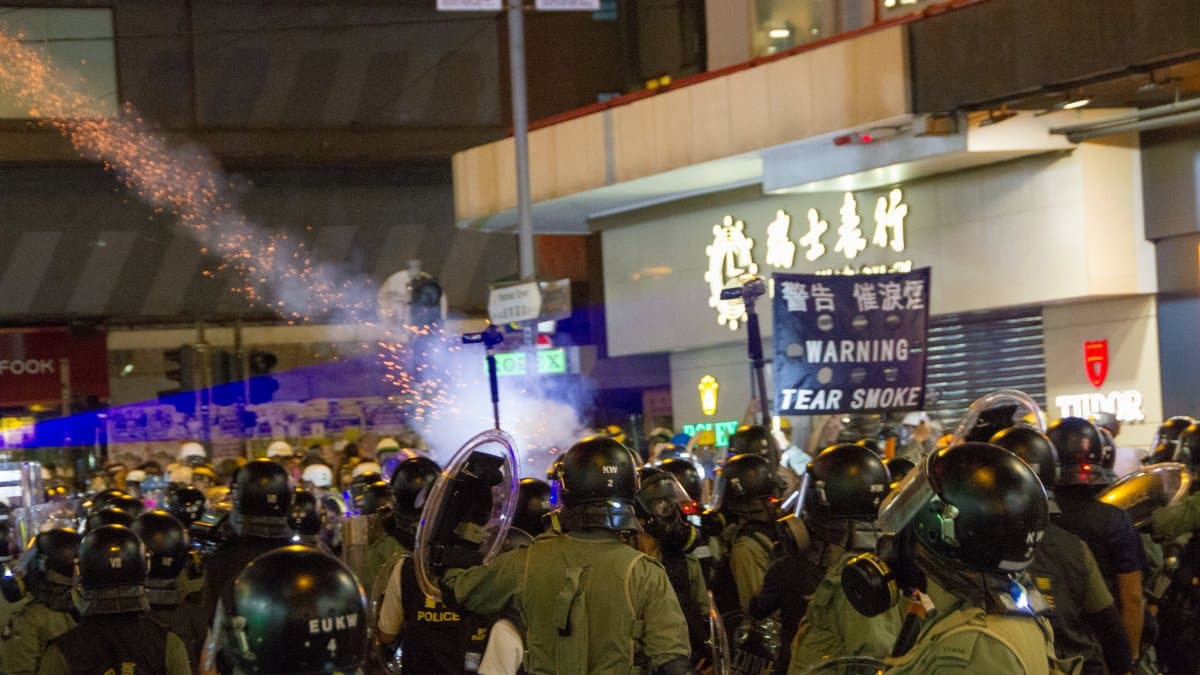
Berkeley has again declined to loosen a rule that limits how police may disperse a crowd or end a dangerous standoff. The Berkeley tear gas ban remains after the City Council rejected, on a five to four vote, a plan to allow chemical agents in limited high risk operations. The majority treated the restriction as a civic boundary worth keeping. The minority warned that a total bar can fail the moment a life is at immediate risk. In a city that argues in public about almost everything, the narrow margin felt familiar and still decisive.
What the council refused to reopen
The question before the council was not whether officers may use force at all. It was whether a sealed category of tools should be unsealed for rare cases. The rejected plan would have allowed chemical agents only in operations described as limited and high risk. Supporters of that change said the current rule is blunt. A ban written for street protest, they argued, now also covers situations that look nothing like a march: a barricaded gunman, a hostage threat, a crowd that has already turned to arson or assault.
Opponents answered that the phrase limited is where exceptions go to grow. Once a department may deploy an irritant in one kind of crisis, the next crisis will be described in similar words. The five to four vote closed that door for now. The Berkeley tear gas ban is not a slogan in a resolution. It is an operating constraint on what equipment can leave the locker.
Why tear gas became a moral line here
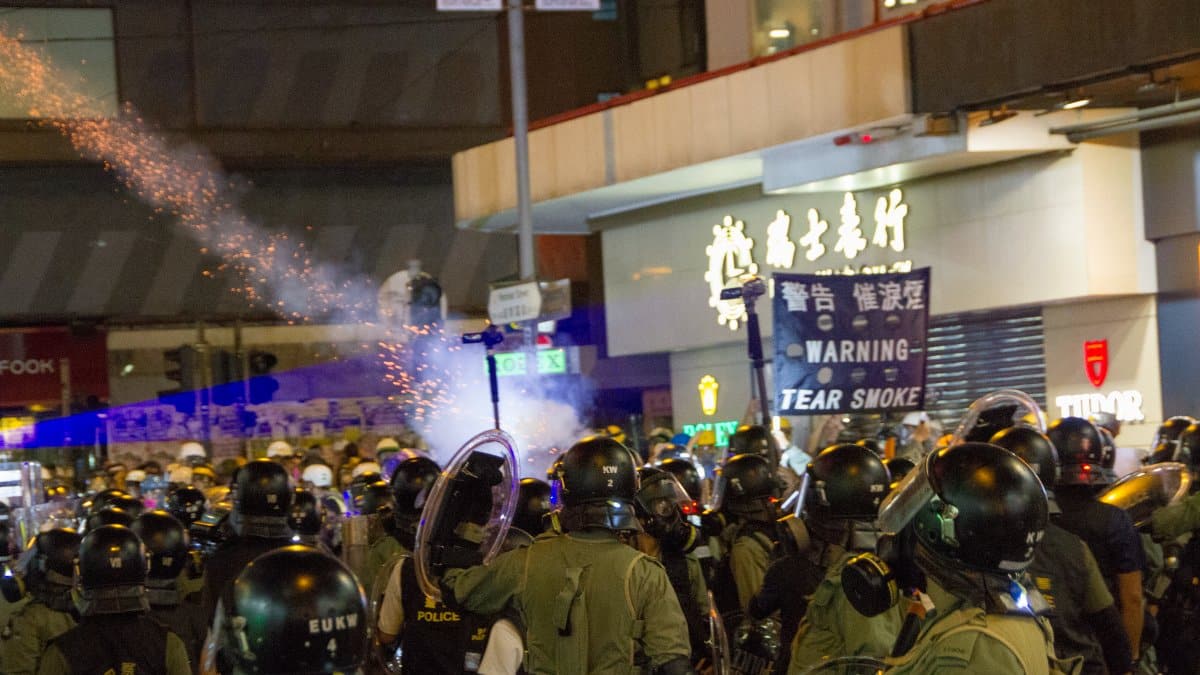
Berkeley’s argument about chemical agents did not begin in a committee room. It began in the street, in the summer of 2020, when protests over police violence filled cities across the country and local departments faced furious questions about crowd control. Residents who inhaled irritant gas, or watched neighbors do so, came away with a simple claim. A tool that blinds, burns the throat, and scatters families is not a neutral device. It is a punishment delivered to whoever happens to be downwind.
That claim stuck. In a university city with a long memory of protest, the ban became part of how many people understand the social contract with their own police. Keeping it was, for the majority, a way of saying that the lesson of those months still binds. Repealing even a slice of it would have said the lesson had an expiration date.
The case for a narrow exception

The losing side did not, in the main, ask for a return to routine use at demonstrations. The pitch was narrower, and that narrowness is what made the vote close. Police and their allies on the council described scenarios in which talking has failed, distance is gone, and the alternative to a chemical agent is a bullet or a prolonged siege that puts more people in danger. In that telling, a ban written to protect protesters can also protect a person who is trying to kill.
They also argued that neighboring agencies do not all live under the same rule. If Berkeley officers cannot use a tool that mutual aid partners can use, command in a joint operation becomes confused. Rank and training matter less, they said, than a patchwork of permissions. A city that wants regional help in a true emergency should not arrive at the scene with a unique prohibition and hope everyone else adjusts.
The case for leaving the rule alone
The winning argument was about slippery categories and unequal lungs. Chemical agents do not ask for identification. They drift into apartments, transit stops, and the faces of people who came to watch, to help, or simply to get home. Older residents, children, and anyone with asthma pay a cost that a use of force report rarely captures in full. A policy that treats those effects as acceptable collateral, critics said, asks the public to trust a judgment call made in smoke and noise.
There is also an institutional point. Rules that bend under pressure tend to stay bent. If the council had approved chemical agents for a short list of operations, the next request would likely cite the first approval as precedent. Members who voted to keep the ban treated that pattern as more reliable than any promise of restraint. They preferred a bright line to a well intentioned gray one.
How a one vote majority still governs
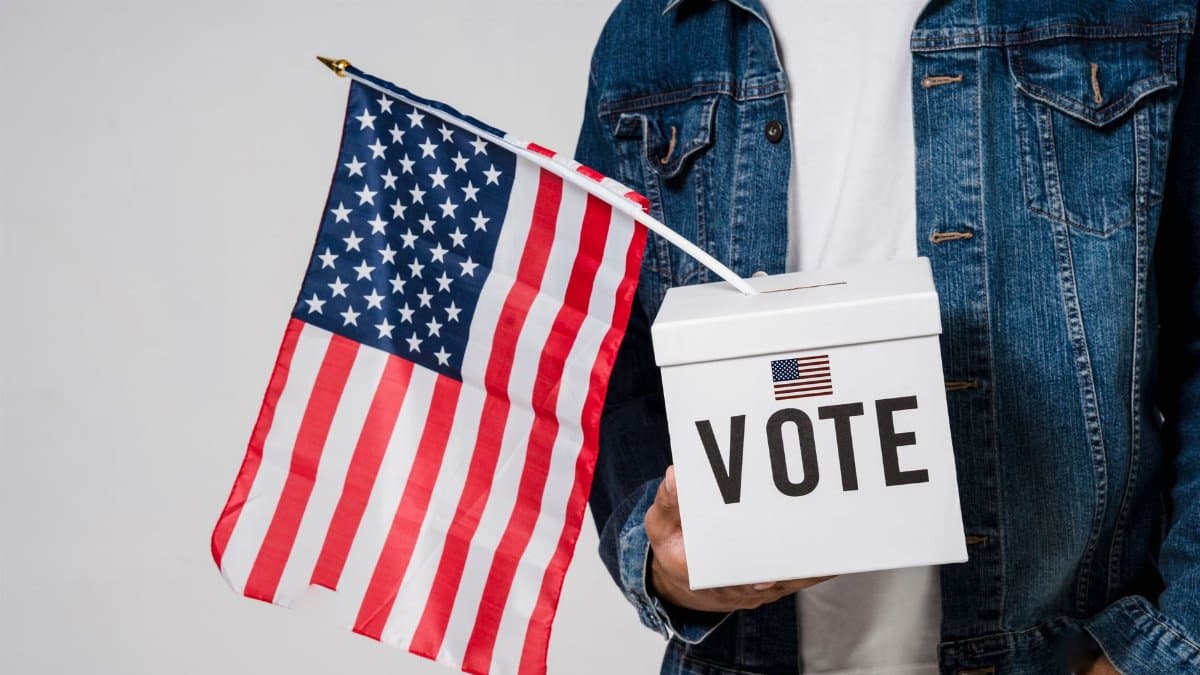
Five to four is not a mandate in the emotional sense. It is a mandate in the legal one. The plan failed. Training, purchasing, and field policy must follow the restriction that survived. In local government, that is the whole point of counting hands. A city does not need consensus to have a rule. It needs a majority that is willing to own the consequences.
Those consequences cut both ways. If a future incident ends badly and critics say officers lacked a tool, the majority will hear that charge in the next election and the next budget hearing. If an incident involves chemical agents somewhere else and the footage is ugly, the minority will hear the opposite charge. Close votes do not end arguments. They assign responsibility.
What residents are really arguing about

Strip away the ordinance language and the fight is about fear, and about who is entitled to have their fear count. Some residents fear the uniformed state more than they fear disorder. They remember gas in the air and see any exception as the first step back. Others fear a night when police hesitate and someone dies because a prohibited canister stayed on the shelf. Both fears are sincere. Neither is abstract. They attach to real bodies and real streets.
I have sat through enough local hearings to know that people rarely change camps in the room. They come to be witnessed. The value of the hearing is not conversion. It is a record. Berkeley now has a fresh record that a slim majority would rather accept operational risk than reopen a tool many neighbors experienced as indiscriminate.
Chemical agents are not a surgical instrument

Part of the confusion in these debates is vocabulary. Officials speak of munitions, irritants, and less lethal options, as if the adjectives do the safety work. Tear gas is less lethal than a firearm in the obvious sense that it is not designed to kill. It is not mild. It inflames eyes and airways, triggers panic, and can injure people who fall, who are trampled, or who cannot leave a cloud quickly. Medical groups have long warned that crowd use is hard to confine and hard to justify as precise.
That imprecision is the policy problem. A rifle, for all its horror, has a direction. A cloud has a weather report. Wind, alleys, and open windows decide part of the outcome. A council that refuses to pretend otherwise is not being sentimental. It is being literal about physics.
Protest, policing, and the memory of 2020
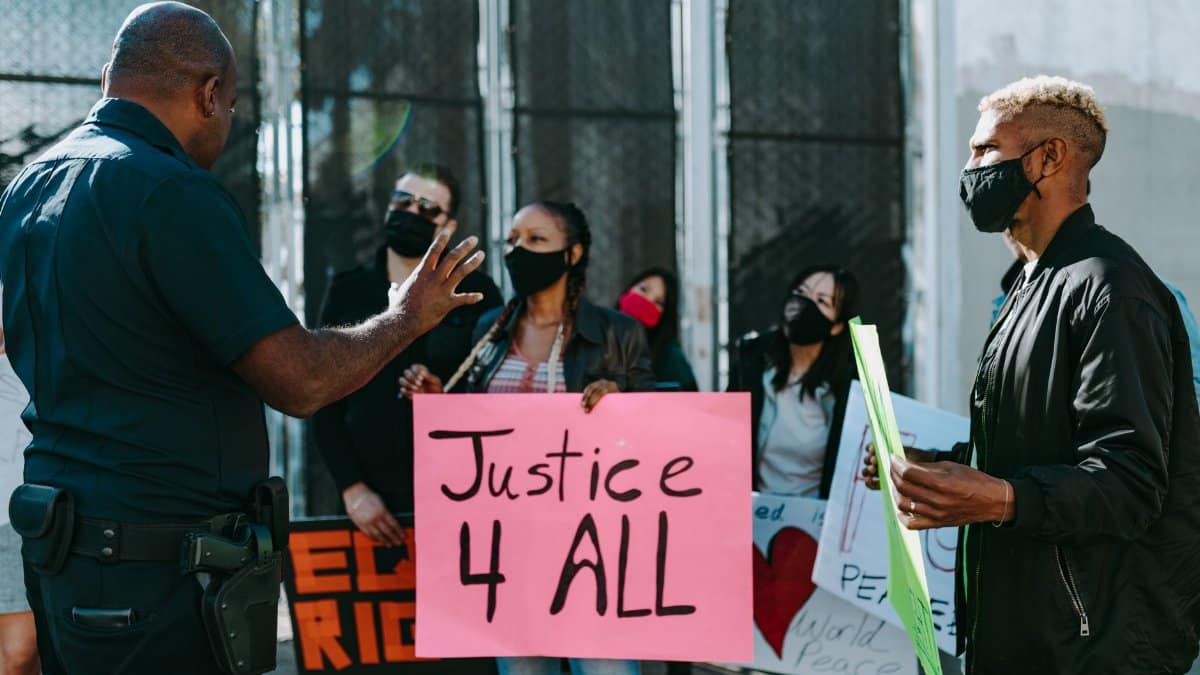
Any Bay Area debate about crowd control still lives in the shadow of 2020. Departments across the region faced lawsuits, video, and a collapse of trust that recruitment numbers have not fully repaired. Some cities tightened rules and then quietly loosened them. Others kept tighter limits and absorbed criticism from police associations. Berkeley chose the second path and, with this vote, chose it again.
Memory is not the same as strategy. A ban can be morally coherent and still leave commanders with ugly choices. Honesty requires saying both things. The council did not discover a way to disperse a violent crowd without harm. It decided which harms it is willing to authorize in advance, and which harms it will not put on the authorized list.
What police can still do
A tear gas ban is not a ban on policing. Officers retain presence, commands, arrests, barriers, and other force options that state law and local policy allow. They can call for help. They can wait. They can treat a barricaded suspect as a negotiation problem for as long as negotiation is plausible. None of that is glamorous, and none of it guarantees a peaceful ending. It does mean the city has not disarmed itself in the broad sense critics sometimes imply.
The harder operational question is speed. Chemical agents are attractive to some commanders because they change a scene quickly. Slower tools ask for more officers, more time, and more public patience when footage shows a standoff dragging on. Berkeley has effectively said it will pay that cost in time rather than pay it in gas. Whether that trade holds in a genuine catastrophe is the test the majority has accepted.
Regional pressure and the temptation to match neighbors
Cities do not police in isolation. Mutual aid, highway chases, and large events pull departments across borders. When one city forbids a tool that another treats as standard, officers notice. So do elected officials who dislike being the outlier. The pressure to conform is real, and it will return the next time a regional incident makes Berkeley’s rule look eccentric on television.
Conformity is not the same as wisdom. A city can decide that its own history justifies a stricter line, even if the line complicates cooperation. The Berkeley tear gas ban is exactly that kind of local choice. It will be praised as leadership by some neighbors and dismissed as vanity by others. Both reactions miss the narrower truth. It is a choice about this department, this council, and this public, not a model that other cities are obliged to copy.
The language of exception is where policy goes to blur
Read enough use of force proposals and a pattern appears. The exception is always small. The scenario is always extreme. The oversight is always promised. Then a year passes, a sergeant interprets a phrase in the field, and the exception has a case file. That is not corruption in every instance. It is how discretionary systems behave. People under stress reach for the authority they have, and they describe the moment in the words that make the authority fit.
Council members who voted no were voting against that habit as much as against a particular canister. They were saying that if the city wants chemical agents available, it should say so plainly, for ordinary as well as extraordinary days, and defend that choice in daylight. A limited high risk clause, in their view, was a way to avoid the plain sentence.
Trust is the scarce resource

Equipment debates are often trust debates in disguise. If residents believed that every deployment would be rare, recorded, and punished when abusive, a narrow exception might have passed. The five to four split suggests that belief is not widely shared. Some members trust command staff to hold a line. Others trust the ordinance more than they trust any administration, including ones they otherwise support.
That mistrust has costs. It can make good officers feel collectively accused. It can also be earned. Communities that have watched rules dissolve under political heat are not cynical for preferring ink to assurances. Rebuilding trust would require years of transparent reporting, not a single hearing. Until that record exists, a ban is the instrument some residents trust because it does not depend on mood.
What the vote does not settle
The council did not settle the ethics of force. It settled a purchasing and policy question for the current term. A future council can revisit it. A court can constrain it. A state law can override it. An emergency can make the restriction feel either wise or intolerable, depending on what happens in the street and who is hurt. Policy is provisional even when the vote is final for tonight.
What the vote does settle is the present instruction to the department. Do not plan on chemical agents. Do not train as if the exception is around the corner. Do not tell the public one thing and the locker another. Clarity is a form of respect, including for officers who need to know the boundary before the siren sounds.
A civic boundary, kept on purpose
There is a spiritual habit in civic life that has little to do with doctrine. It is the habit of deciding what you will not do, even when doing it would be easier. Berkeley exercised that habit by a single vote. The Berkeley tear gas ban survives because five members judged that ease was not a sufficient reason to blur a line drawn after a season of harm.
Readers outside the city can treat the result as a local curiosity. They can also treat it as a test of their own standards. If a tool is too indiscriminate for a protest, is it acceptable for a siege two blocks from the same apartments. If it is acceptable for a siege, who writes the definition, and who lives with the drift. Berkeley answered for itself, narrowly, and left the harder national argument where it usually sits: unfinished, and waiting for the next city willing to count the hands.