
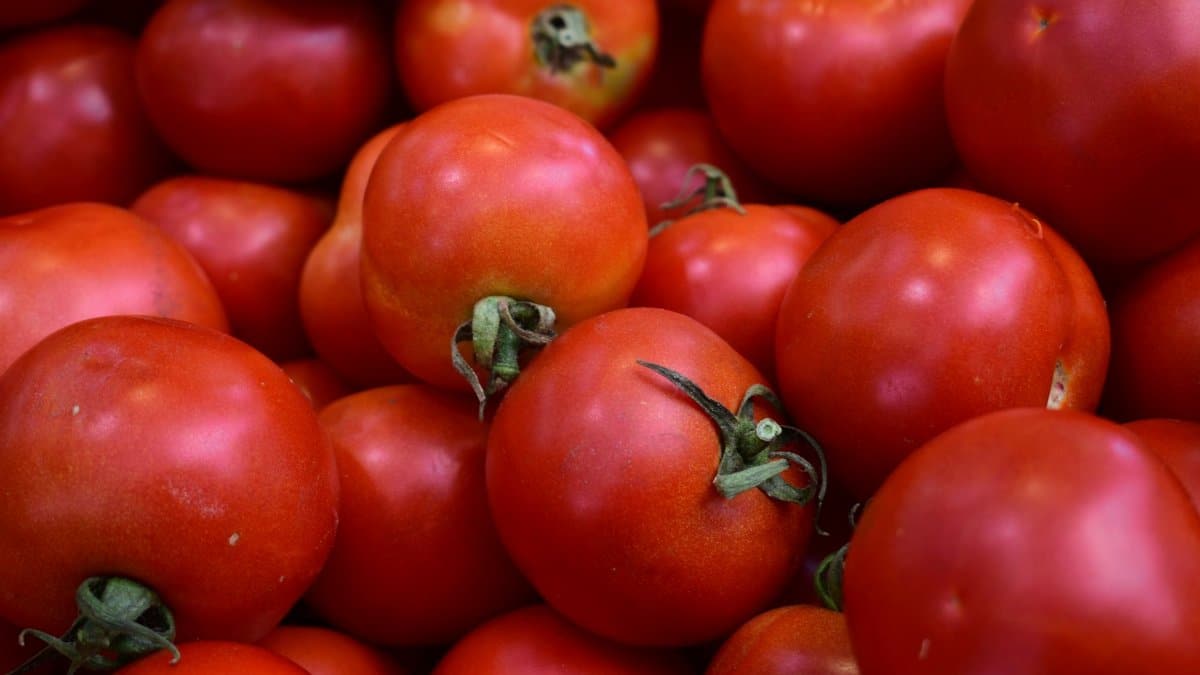
On a cool morning in the south suburbs, crates of apples and late tomatoes sat in uneven rows while neighbors sorted what would feed families who had already stretched a grocery budget past its limit. The work belonged to Blue Island Hope Center, a local nonprofit marking Hunger Action Day as its donated food total closed in on 2,000 pounds. Nobody treated the number as a trophy. It was a measure of what a small city can move when hunger is treated as a shared fact rather than a private failure.
A morning built around crates and lists

The scene had the plain look of a church basement and a loading dock at once. Volunteers checked boxes, wiped soil from greens, and set aside produce too soft to travel. A handwritten list tracked pounds the way a shopkeeper tracks inventory, without ceremony and without waste. People spoke in short practical sentences. This bag goes north. That case stays for the evening distribution. Someone needs a ride because the bus does not run late enough.
Hunger Action Day gave the labor a public name, but the habits behind it were older. Sorting food is repetitive. It rewards people who can stand for an hour, read a label, and resist the urge to rush. In Blue Island, that patience is not abstract. It is how donated groceries become meals instead of spoilage.
What the local hunger gap actually means
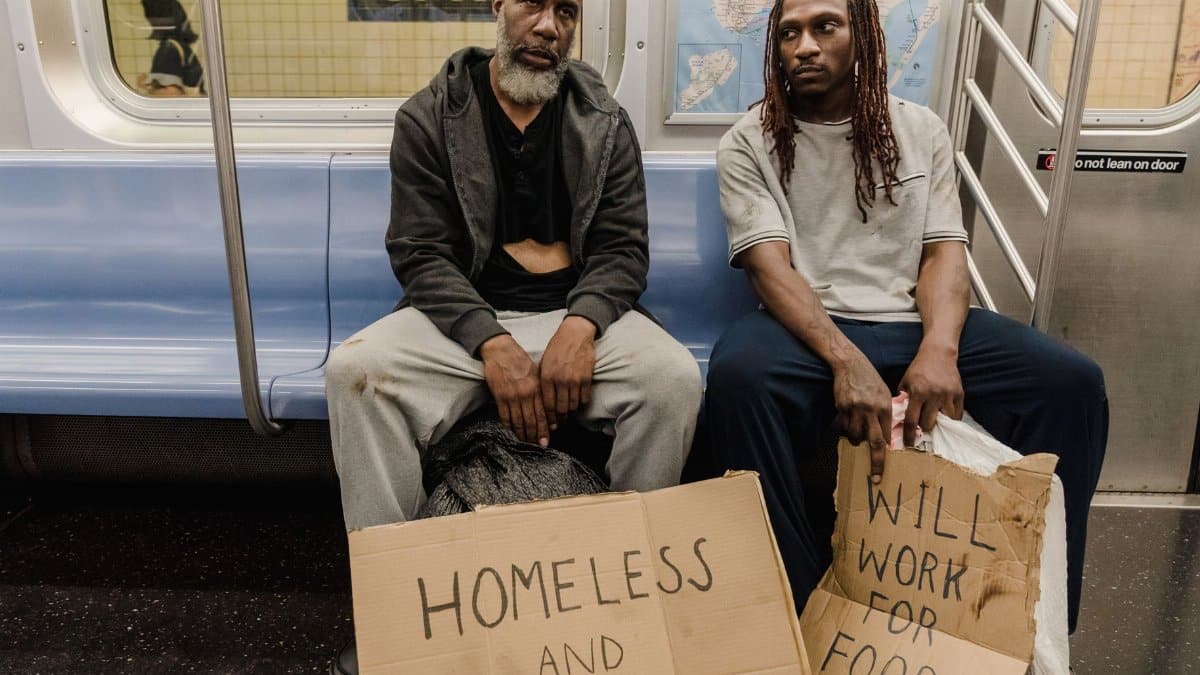
A hunger gap is not a slogan. It is the distance between what a household can buy and what a week of eating requires. Rent rises. A shift gets cut. A car repair arrives in the same month as a school fee. The grocery list shrinks in ways that do not show up in a single dramatic story. Parents skip meat. Older adults stretch soup. Teenagers eat at a friend’s house more often than they admit.
Local organizers describe the gap in pounds because pounds are countable and because countable things can be shared. Two thousand pounds will not close a regional shortage. It can fill refrigerators for a stretch of days, cover a school break, and keep a pantry from going empty between larger deliveries. The modesty of that claim is part of its honesty.
Why a harvest still matters in a city
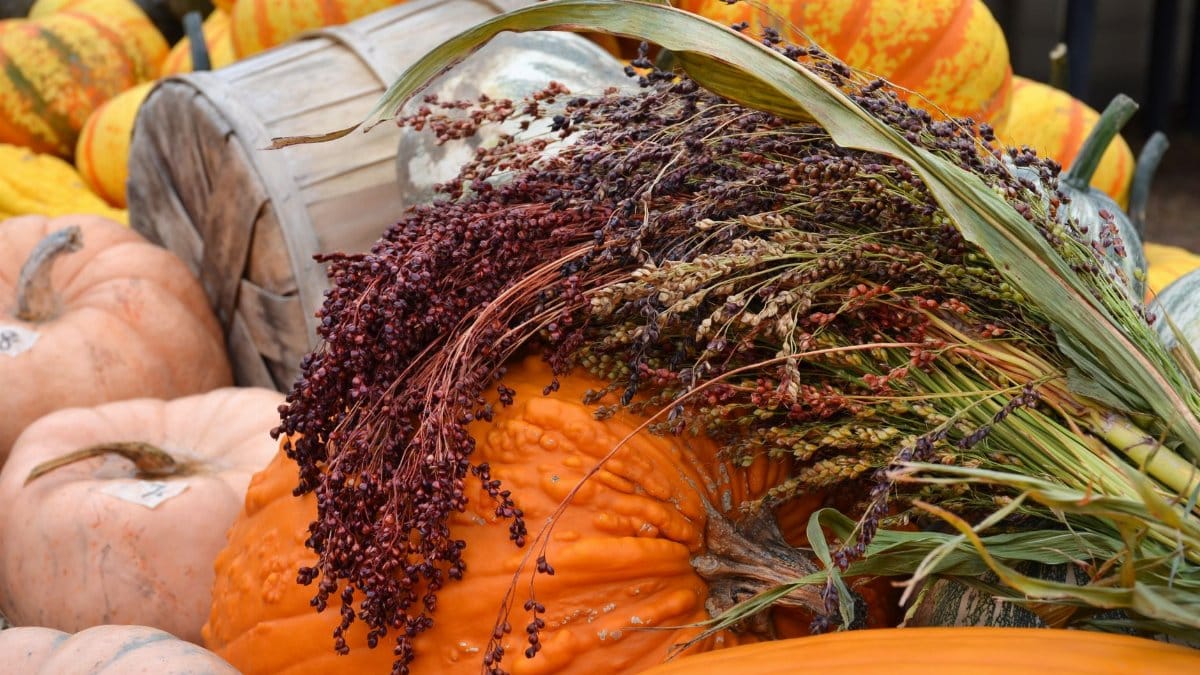
Harvest language can sound rural, as if food only arrives from distant fields. In a place like Blue Island the harvest is closer and stranger. It includes garden surplus, grocery donations, church collections, and produce rescued before it is thrown out. The labor is urban. The food still has to be picked up, weighed, cooled, and matched to people who can use it.
That matching is the quiet skill. A case of apples helps a family with children. A softer crate may suit a soup kitchen that will cook the same day. Canned goods travel farther than greens. Volunteers learn these distinctions the way line cooks learn a board. Nothing about it is glamorous. All of it prevents the familiar waste in which good food and empty cupboards exist in the same zip code.
Hunger Action Day as a public marker
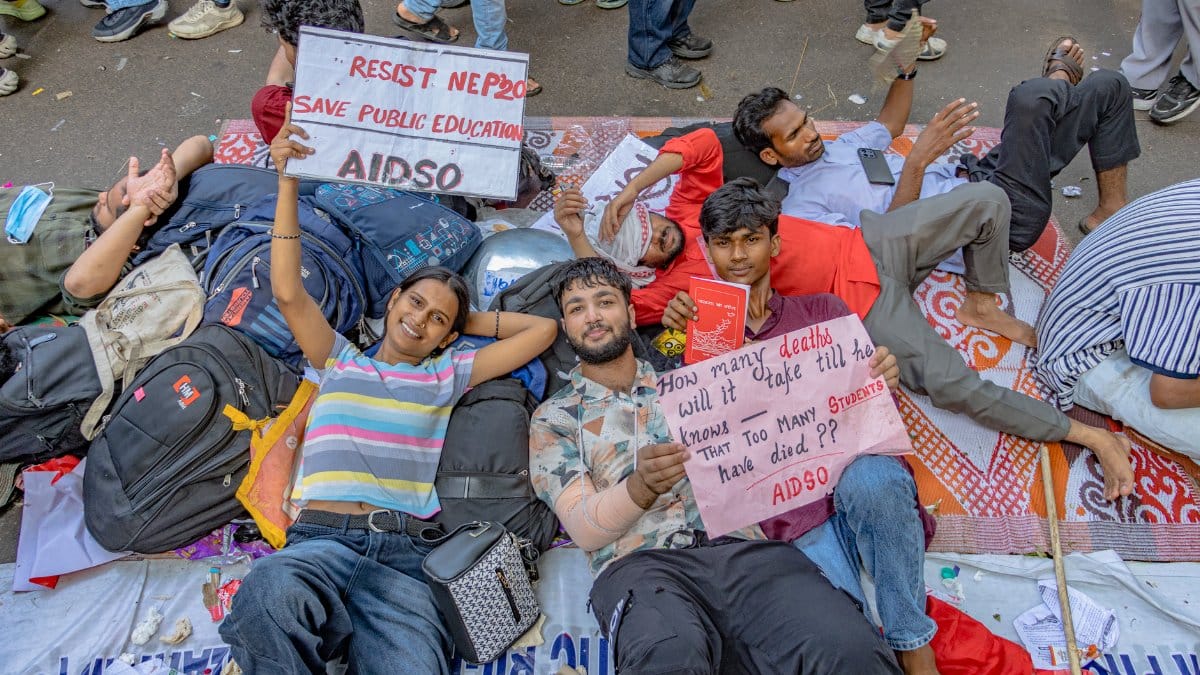
A named day can be empty ritual or it can be a deadline. In this case it functioned as a deadline. People who might donate once a season were asked to show up with a bag, a truck, or an hour. Congregations announced the date from pulpits and bulletin boards. Neighbors who do not share a sanctuary still recognized the appeal, because hunger does not sort itself by denomination.
Public markers also create a record. When a nonprofit can say it is closing in on 2,000 pounds, it gives donors a picture of scale without pretending the work is finished. The figure invites the next question, which is not how to celebrate but how to repeat the effort in November, in January, and in the weeks when attention moves on.
The path from donation to kitchen
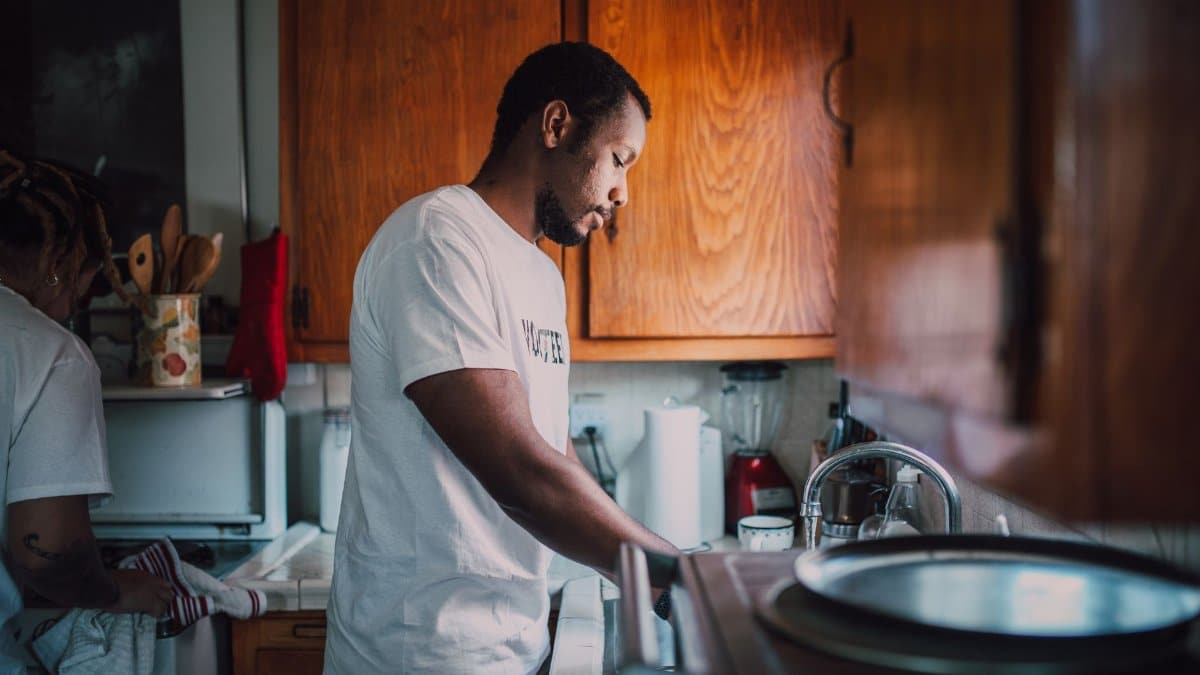
Food does not distribute itself. After the count comes the route. Someone confirms addresses. Someone checks whether a household can store perishables. Someone else keeps a simple rule: do not promise what the cooler cannot hold. These are operational details, and they are also ethical ones. A missed pickup is not a scheduling footnote if a family planned dinner around it.
Blue Island Hope Center sits in that narrow space between generosity and logistics. The name carries a moral hope. The daily job is closer to inventory and trust. Recipients should not have to perform gratitude for a sack of groceries. Donors should not be encouraged to think of surplus as a personality test. The center’s value, as neighbors describe it, is that it treats both sides as part of one local system.
Who shows up when the work is ordinary
The people who stay after the photos are usually the same people who stay for uncelebrated Tuesdays. Retirees with strong backs. Students who can lift. Parish volunteers who already know which families prefer rice to pasta. A few newcomers who came because a friend texted a time and an address. Ordinary labor has a way of revealing a town’s real schedule: who is free at ten in the morning, who can only come after a shift, who brings a child because childcare is the barrier everyone else forgets.
I have watched similar lines in other suburbs and the pattern is familiar. The first hour is talkative. The second hour is quiet. By the third hour the jokes thin out and the work becomes a kind of attention. You notice which box is crushed. You notice who has not eaten. You stop narrating your own helpfulness.
Faith communities and a civic task

Spiritual language gathers easily around hunger, sometimes too easily. Feeding the hungry is an old command in more than one tradition, and Blue Island has no shortage of congregations willing to quote it. The harder part is institutional. A church basement needs insurance, a schedule, a freezer that works, and a person who will answer the phone when a delivery runs late. Hope, in that setting, is less a mood than a set of kept appointments.
That does not drain the work of meaning. It locates meaning where it can survive a budget meeting. When a nonprofit rooted in a city of churches and storefronts treats hunger as a civic task, it gives religious conviction a public shape. Neighbors who do not share a creed can still share a route map. The trend worth noting is not a new doctrine. It is the decision to count pounds, publish a day, and keep the door open after the sermon ends.
What 2,000 pounds can and cannot do

Two thousand pounds sounds large until you divide it by households and by days. A modest family can move through fresh produce quickly. Canned protein lasts longer and costs more to replace if the donation stream thins. Organizers who know their pantry do not confuse a strong week with a solved problem. They ask what the next delivery replaces, and what happens if a grocery partner pulls back.
The honest accounting also includes what food cannot repair. It cannot raise a wage, lower a rent, or fix a medical bill. It can keep those pressures from becoming an empty refrigerator on a Wednesday. Local hunger work is often criticized for treating symptoms. The criticism is fair and incomplete. Symptoms are how people experience a system. Ignoring them while waiting for a larger reform is a luxury that pantries do not have.
A standard for the weeks after the day
The test of Hunger Action Day is the week after it. If the lists disappear and the cooler goes quiet, the day was a spike. If the same volunteers keep a rotation, and if donors hear a plain report of what moved and what is still needed, the day becomes a habit. Blue Island Hope Center will be judged, fairly, on that continuation rather than on a single total.
Readers outside the south suburbs can recognize the pattern without romanticizing it. Every region has a version of this gap and a handful of groups trying to narrow it with coolers, clipboards, and borrowed trucks. The useful response is specific. Give food that can be stored. Give time that can be repeated. Ask what the pantry is short of instead of assuming. Treat 2,000 pounds as a beginning that was counted in public, not as a finish line.
A city shows its character in small logistics. Blue Island, on this day, showed a willingness to harvest what was already nearby and to aim it at kitchens that needed it. That is not a miracle. It is a standard. Standards are how hope stays local enough to be believed.