
In a briefing that senators later summarized with unusual care, the Republican charged with defending the chamber delivered a line meant to quiet a familiar anxiety. Money, he argued, would not be the constraint. Allies of President Trump had already indicated that Senate GOP midterm cash would be available when advertising windows opened and when a late surprise required a fast response. The assurance arrived in a year when majority control looks less like a settled fact and more like a chain of costly local contests. Readers who track politics the way they track a storm season will recognize the usual instruments: maps, polls, and a fight for airtime. What feels newer is the public confidence that the checkbook itself will not be the weak joint.
A reassurance with a strategic purpose
Campaign chiefs do not speak only to donors. They speak to incumbents who must decide whether to stay in, to recruits who want a promise before they file, and to a White House that expects loyalty in return for help. Saying that cash will not be the problem is a way of telling that audience to stop treating fundraising as the excuse for every other failure. It is also a way of advertising strength to the other party. If Democrats believe Republican money will show up in October, they may spend earlier, or they may hesitate to stretch into a second tier of states.
The claim is not a blank check written in public. It is a political sentence. It tells nervous members that national allies intend to defend the majority, and it tells reporters that the story of this cycle will not be a Republican cash shortage. Whether the sentence holds depends on receipts that have not yet been filed and on races that have not yet hardened.
What a campaign committee can and cannot promise
The Senate Republican campaign arm raises money, recruits candidates, and decides where independent spending and coordinated help will land. It does not own every dollar that will touch a Senate race. Wealthy donors, party committees in the states, and outside groups all move on their own clocks. A promise from the campaign chief is therefore a signal about priority, not a guarantee that every vulnerable incumbent will be flooded on the same day.
That distinction matters for anyone trying to read the season honestly. National money follows polling, scandal, and the chance to flip or save a seat. A senator who looks safe in spring can look expensive by Labor Day. A challenger who looked exotic in January can look like a bargain after a primary. The committee’s real power is the ability to move late, not the ability to predict every invoice.
The map that dollars do not redraw

Cash can buy time on television and staff on the ground. It cannot redraw which states vote for Senate this year, and it cannot erase a president’s standing in a suburb that has been drifting for a decade. Several Republican seats sit in states where the national brand is a mixed asset. Several Democratic seats sit in states where a well funded challenge still has to find a candidate voters trust.
Strategists on both sides talk about the map as if it were a budget document. In practice it is a set of local arguments: cost of living, border policy, courts, health care, and the simple question of whether the incumbent still seems present. A national transfer of funds can amplify those arguments. It rarely invents them. When party leaders say money will not be the problem, they are implicitly admitting that something else might be: candidate quality, turnout, or a news cycle they do not control.
How national checks meet local races

The mechanics are less glamorous than the headlines. Campaigns reserve advertising months ahead, then rearrange those reservations when a poll moves. A coordinated party committee can pay for certain voter contact under federal rules. Outside groups can say harsher things, with less control from the candidate. Staff in Washington watch weekly numbers and decide which media market still deserves another week of spots.
For voters, the result looks like repetition. The same thirty second argument arrives during local news, then again before a ballgame. Senate GOP midterm cash, if it arrives in the volume being advertised, will mostly purchase that repetition in a handful of states rather than a national conversation. The rest of the country will see a presidential mood and a congressional ballot that feels distant until the ads, quite suddenly, are everywhere.
The other ledger
Democrats are not waiting to be outspent as a matter of fate. Their Senate committee, allied donors, and candidate campaigns have treated small dollar energy and large donor networks as a standing advantage in recent cycles. Public filings at the Federal Election Commission remain the only reliable scoreboard, and those filings lag the boasts. Anyone quoting a single weekend of pledges as if it were cash on hand is guessing.
A useful comparison is not which party issues the louder promise. It is which side converts promises into transferable money before booking deadlines, and which side wastes it on primaries. The Seattle Times account of the Republican message, available through national wires, framed the Trump orbit as ready to supply millions to hold the majority. Democratic operatives will answer with their own totals. Readers should treat both announcements as opening bids.
Voters who never see the buy

A large share of the electorate will not sit through the advertising the money is meant to buy. Some have already decided. Some get news from a church friend, a union hall, a group chat, or a local station that still covers the courthouse. Others will vote on the basis of a single impression of the president, for or against, and will treat the Senate line as an afterthought.
That is why veterans of these campaigns talk about money as necessary and insufficient in the same breath. A poorly matched candidate with a full account can still lose. A strong candidate with a thin account can still be drowned out in the final fortnight. The campaign chief’s sentence tries to remove the second fear. It does not remove the first.
The temptation to treat cash as destiny

American politics has a habit of mistaking resources for virtue. When a party says it will not lack funds, commentators sometimes slide into the claim that the party therefore will not lack votes. History is unkind to that slide. Well funded campaigns have lost wave years. Underfunded campaigns have won when the national current was strong enough to carry weak spots.
There is a quieter risk on the Republican side of this particular promise. If members believe Senate GOP midterm cash will appear whenever a race tightens, they may delay the unglamorous work of building their own donor lists and local volunteer networks. National money is a supplement. It is a poor substitute for a senator who has spent years being known in counties that do not watch cable news. The chief can direct resources. He cannot manufacture familiarity in October.
What the Trump orbit is really offering
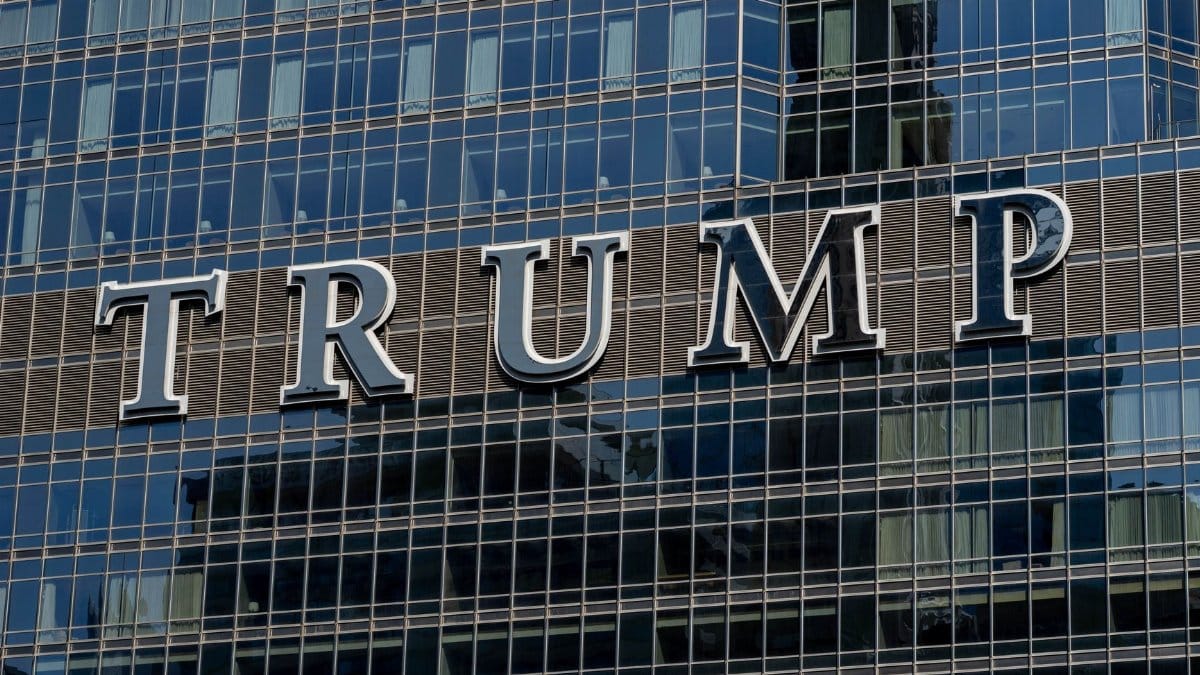
The political value of a Trump centered fundraising network is speed and symbolism as much as volume. Donors who want to stay close to the president will answer a call framed as defense of his governing majority. That can move money faster than a generic party appeal. It can also tie Senate contests more tightly to the president’s daily controversies. Every dollar that arrives with that branding carries a message about whose fight the race is.
Senators in states where the president is popular may welcome the tie. Senators in states where he is a complication may want the money with fewer fingerprints. Campaign finance law and political reality rarely allow that clean split. The help comes with a story about who is helping. Voters notice the story even when they cannot name the committee that paid for the spot.
Reading the filings instead of the boasts

Between now and November, the honest record will be dull and public. Quarterly reports, independent expenditure notices, and advertising reservations will show whether the promise became transfers or remained a talking point. Readers can follow those documents at the Federal Election Commission site rather than relying on a single briefing. Journalists can compare cash on hand, debt, and burn rate, not just money raised in a headline week.
A party that raises a great deal and spends it on the wrong markets has not solved its problem. A party that raises less but spends with discipline can still compete. The phrase Senate GOP midterm cash will keep appearing in political coverage because it is easy to count and easy to argue about. Counting it correctly means waiting for the paperwork.
What November will actually test

The election will test more than a treasury. It will test whether a Republican majority can be defended when the president’s coalition is asked to show up without his name at the top of every ballot in the same way, and whether Democrats can convert anxiety about that majority into candidate strength outside their safest states. Money will shape the volume of the argument. It will not choose the argument’s content.
If the campaign chief is right, Republicans will not lose the Senate for lack of funds. They may still lose it. If he is wrong, the shortfall will show up first as dark weeks in media markets that were supposed to be covered, and only later as a concession speech. Either way, the briefing was a bid to change the subject from fear of an empty account to the harder questions of message, map, and turnout. Those questions do not yield to a pledge, however large, issued in a private room.
A narrower way to watch the money

For readers who want a practical lens, ignore the superlatives and watch three things. Watch whether vulnerable incumbents build their own cash rather than waiting on Washington. Watch whether outside groups duplicate the party message or contradict it. Watch whether late money chases polls or tries to create them. Those three habits tell you more about a majority fight than any single sentence from a campaign chief.
Senate GOP midterm cash can be plentiful and still be late, mistargeted, or yoked to a national story that local voters have already rejected. It can also be exactly what a close race needs in the final month, the difference between a contest that voters hear and one that vanishes under the other side’s ads. The chief has said the first fear is misplaced. The country will learn, in filings and then in ballots, whether that was strategy or hope.