
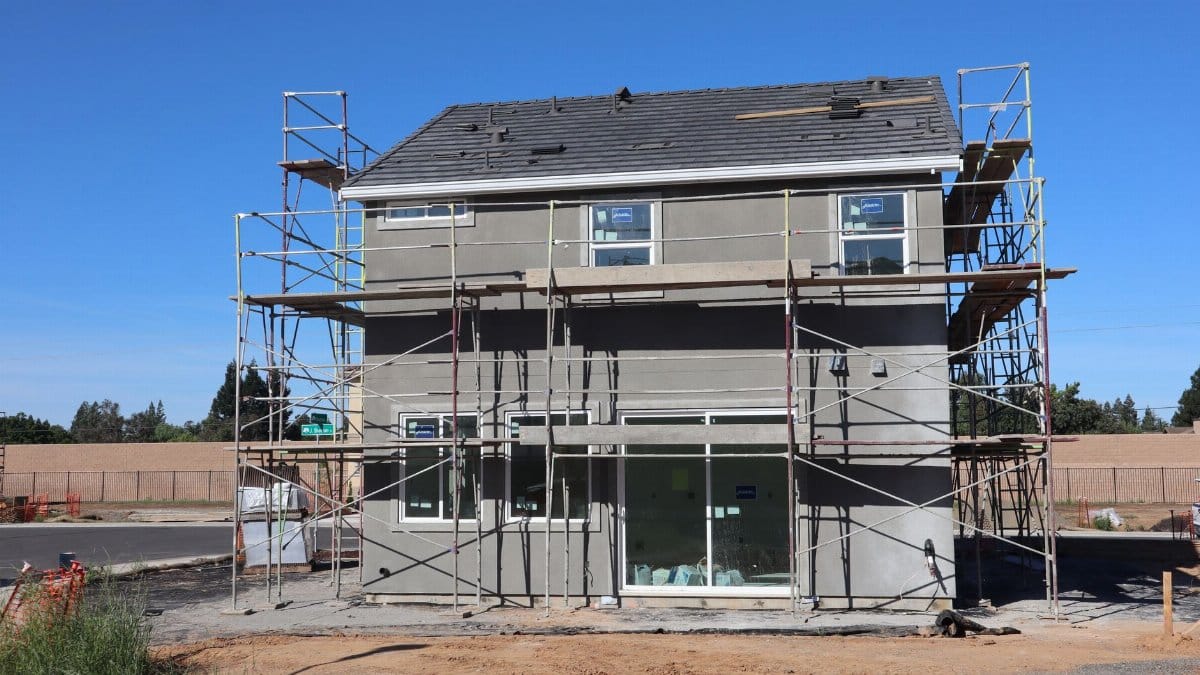
The lights in the council chamber stayed on late enough that the parking lot outside still held a scatter of pickup trucks when the tally was called. Residents who had come to talk about drainage, traffic, and the feel of a street of small lots heard a result that will shape a corner of Fort Bend County for years. The Rosenberg KB Home vote turned down a deal that would have extended city utility service to a 670 home project near Mennonite Road, four members against and three in favor.
A narrow rejection with a wide shadow

Four to three is the kind of margin that invites a second look. It is not a landslide, and it is not a shrug. It is a split house, a city saying no while nearly half the dais was ready to say yes. In a growing suburb, that split is the story as much as the project itself. Builders read it as a signal about risk. Neighbors read it as a signal about whether the city will draw a line. Future applicants will read the minutes and ask what, exactly, failed.
The question before Rosenberg was not a simple permit for a porch or a fence. It was whether the city would bind itself to serve hundreds of new households with water, sewer, and the other municipal connections that turn raw acreage into a subdivision people can actually live in. Without that agreement, the houses on paper remain houses on paper.
What the council actually refused

Council members rejected a utility arrangement for the KB Home project, a plan for 670 homes on small lots near Mennonite Road. The vote was against extending city services, not a theatrical ban on every nail and board in Fort Bend County. That distinction matters. Land can still sit in private hands. A builder can still seek other paths. What the city declined was the public handshake that would have made municipal service the backbone of the neighborhood.
Utility agreements sound technical because they are technical. They also decide who pays for pipes, who maintains them, and who answers when a main breaks on a holiday weekend. A yes vote would have pulled those households into the city’s service map. A no vote leaves that map unchanged, at least for now.
Mennonite Road and the small lot question

Place is not a backdrop here. Mennonite Road is a name that already carries a sense of older settlement in a county that has spent a generation filling in fields with rooftops. Small lots change the arithmetic of a street. More driveways per block. More school age children per acre, if the buyers are young families. Less yard for a garden, a workshop, or the quiet buffer that some longtime residents treat as the point of living outside a dense core.
Supporters of compact lots argue that smaller parcels keep prices within reach of teachers, nurses, and first time buyers who have been priced out of larger tracts. Critics answer that density without matching roads, drainage, and open space simply concentrates the strain. Both claims can be true at once. The council’s refusal did not settle the moral argument. It postponed the municipal commitment that would have made one version of that argument real.
Why utilities are the real gate

In Texas growth politics, the dramatic hearing is often about zoning or a variance. The quieter gate is service. Water plants have capacity. Sewer lines have slopes and limits. Fire protection depends on pressure and on streets a truck can turn through. When a city agrees to serve a subdivision, it is promising a standard of care that lasts longer than any single council term.
That is why a utility deal can feel larger than a land sale. The builder brings capital and a sales office. The city brings a lasting obligation. Residents who already pay taxes hear that obligation as a question about fairness. Will new pipes crowd out repairs on older streets? Will rates rise? Will the tax base from 670 homes eventually cover the cost, or will the gap land on everyone else?
The builder’s bet on Fort Bend

KB Home is a national builder with a familiar product: production houses aimed at buyers who want a new address without a custom architect. A 670 home community is not a cul de sac experiment. It is a multi year sales program, a sequence of phases, model homes, and marketing that assumes a path to occupancy. A refused utility deal interrupts that assumption.
None of that makes the company a villain or the council a hero. Production housing is how much of the Houston region has housed its workforce. It is also how some corridors have ended up with streets that feel unfinished, drainage that fails in a hard rain, and retail that never quite arrives. The Rosenberg KB Home vote sits in that regional argument, local in its tally and familiar in its stakes.
Neighbors who showed up
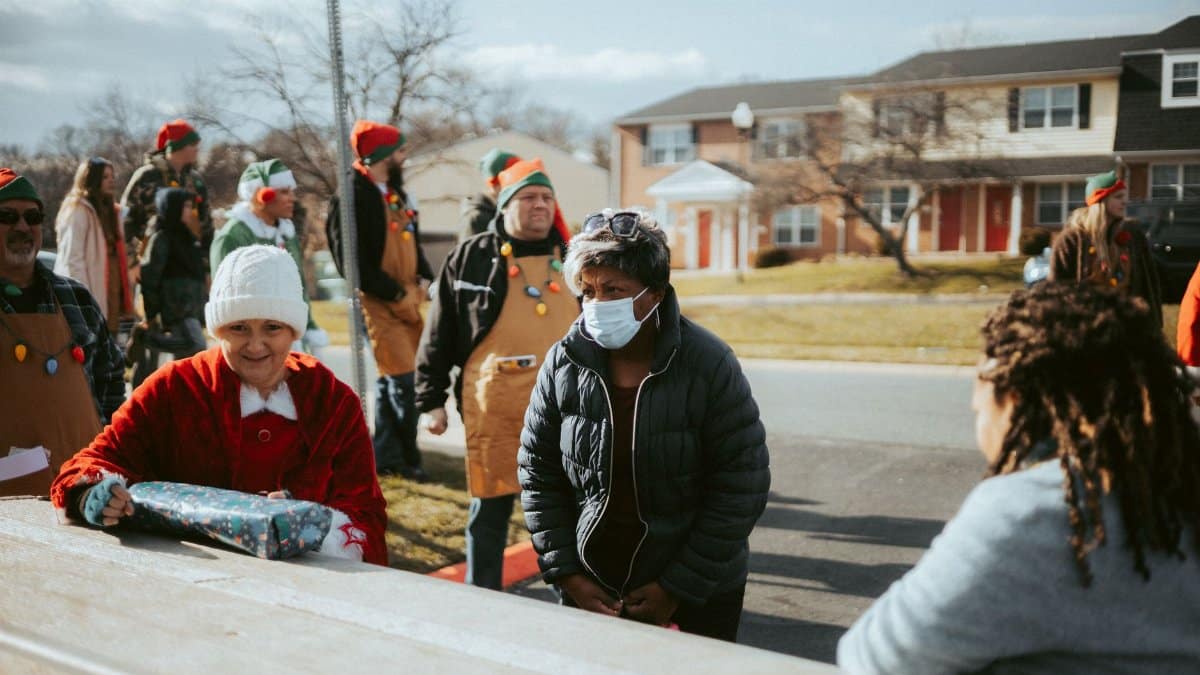
Public hearings rarely capture a whole city. They capture the people who can get a sitter, leave a shift, or drive in from the edge of town on a weeknight. Those voices still count. They are often the residents who already know which ditches overflow and which intersections back up when school lets out. When they speak against small lots near a named road, they are usually talking about a drive they make every day, not an abstract map.
A four to three vote suggests those concerns found a majority, barely. It also suggests that arguments about housing supply, property rights, and city revenue found a substantial minority. A durable policy would try to answer both rooms, not only the room that won on a single night.
Growth pressure without a simple slogan

Fort Bend County has been one of the fastest growing places in the country for long stretches of the past two decades. That fact is no longer news to anyone who has watched a farm road gain a signal light and then a grocery store. What remains contested is the pace and the form. Some cities chase rooftops because rooftops bring sales tax and a sense of momentum. Others slow the pipeline because momentum has a cost in flooding, school crowding, and the loss of rural character.
Rosenberg is not choosing between growth and stillness. The county around it will keep adding people whether or not this one agreement is revived. The choice is about terms. Who is served by the city, on what lot size, with what roads, and with what honest account of capacity? Refusal is one term. It is not the end of the pressure.
Money, capacity, and the unglamorous math

Opponents of large new service areas often worry about hidden subsidies. Proponents answer with impact fees, property taxes, and the claim that new customers help spread fixed costs. Both sides can produce spreadsheets. The honest version admits uncertainty. Buildout takes years. Interest rates move. A phase that sells quickly in a hot market can stall in a cool one, leaving infrastructure sized for a demand that has not arrived.
Council members who voted no may have decided that the math was not clear enough, or that the lot pattern was the wrong fit, or that Mennonite Road could not absorb the traffic without improvements the deal did not guarantee. Those are legitimate reasons to withhold a signature. They are also reasons that should be written down with enough specificity that the next applicant knows what would change a mind.
A spiritual reading of a civic no

Housing debates are filed under economics, but they brush against older questions about neighbor love and stewardship. Who is the stranger the city is willing to make room for? What do current residents owe the people who are not here yet? What do those future residents owe the land, the ditches, and the quiet that drew others here first?
A spiritual frame does not hand the council a vote. It does refuse the idea that pipes are only pipes. Water is a common gift administered by public bodies. To extend it is an act of welcome. To withhold it, when capacity or justice is in doubt, can be an act of care for people already carrying the load. The hard part is telling those two duties apart without using either as a costume for mere convenience.
What four to three does not decide

A single evening does not freeze a comprehensive plan. It does not annex the county. It does not tell every builder to look elsewhere, though some will. It does not promise neighbors that no other project will seek the same road. The Rosenberg KB Home vote decides the utility deal that was on the agenda. Everything beyond that is inference, and inference should be labeled as such.
Still, inference has power. Staff will brief the next applicant with this tally in mind. Residents will cite it when a similar plat appears. The builder will recalculate. In local government, precedent is often just the last close vote that people remember.
The case for a clearer standard

If Rosenberg wants fewer nights like this one, it needs standards that do not depend on who fills the chamber. Lot size, drainage design, traffic thresholds, and utility capacity can be written as rules rather than relitigated as morals every time a national builder options a tract. Rules will not erase conflict. They can make conflict about evidence instead of about whether this council happens to be in a cautious mood.
Clarity also protects the yes votes that may come later. A city that can say, in public, what a small lot project must provide before city service is even discussed will spend less time accused of arbitrary refusal. Applicants who meet that bar will have a fairer claim on a yes. Applicants who do not will have less room to call a no a surprise.
What residents can watch for next

The practical follow up is unromantic and worth doing. Watch whether the project returns with a revised service plan, a different lot mix, or a request that shifts costs more clearly onto the development. Watch county road plans near Mennonite Road. Watch whether other builders test the same corridor while this decision is still fresh. And watch the budget talks, because capacity arguments made in a hearing should show up later as line items, not as slogans.
People who care about housing affordability should ask where 670 attainable homes might go if they do not go here, and whether that alternative site is honestly better or merely farther from the voters who organized. People who care about rural edges should ask what protection looks like once the next tract is under contract. Both questions belong in the same conversation.
Living with a split decision

I have sat through enough local hearings to know that the losing side often leaves convinced the process was stacked, and the winning side leaves convinced the danger was obvious. Four to three should humble both instincts. A city this divided has not discovered a permanent truth about KB Home or about Mennonite Road. It has discovered that its leaders do not yet share a theory of growth strong enough to carry a supermajority.
That is not a failure of character. It is an invitation to do the slower work: measure the pipes, price the roads, listen to the people who drive the corridor, and say out loud what welcome requires. Until that work is done, close votes will keep arriving, each one feeling sudden and each one years in the making.
The record the city now owns

Rosenberg has a public record. It includes a refusal, a builder with a large plan, a road with a particular name, and a county that will not stop growing because one agreement failed. The Rosenberg KB Home vote will be cited by people who were in the room and by people who only heard the number. They will not all cite it fairly. The fairest reading is also the simplest. The council declined to extend city services to 670 small lot homes, by four votes to three, and left the harder argument about how this city intends to grow still open on the table.