

On a cold morning in Pilsen, the line outside La Casa del Pueblo Taqueria still formed the way it has for decades, with neighbors shifting their weight and talking about work, school, and who was coming home for the holidays. Inside, the griddle hissed and the radio played low. The ordinary rhythm made the legal trouble feel almost unreal, until someone mentioned the notice taped near the back and the words Pilsen taqueria eviction moved through the room like a draft. After sixty years, the family restaurant is fighting to remain open at least through December 26, long enough for one last Christmas in the place that has fed this corner of Chicago.
A kitchen that became a landmark

La Casa del Pueblo is not a new arrival chasing a trend. It is a family restaurant with sixty years of service in a neighborhood that has changed around it more than once. Customers describe it less as a destination than as a fixture, the kind of room where orders are remembered and absences are noticed. In a city of constant turnover, that kind of continuity is rare. The taqueria has outlasted fashions in food, waves of redevelopment, and the ordinary crises that close small businesses without ever making the news.
Its claim on the block is cultural as much as commercial. People come for tacos, yes, but also for the sense that someone is keeping a table for them. In Pilsen, where murals, parishes, and family shops have long marked the streets, a restaurant can function as a public living room. Losing it is not the same as losing one more option on a delivery app. It is the loss of a place that knows the neighborhood by name.
The request is modest and specific

The family’s public ask is strikingly limited. They are not promising a permanent victory or a rewritten lease. They want time. They want to stay through December 26, to serve one more holiday season, to close the year in the room their relatives built rather than in a storage unit or a temporary stall. In legal terms, that request may be small. In human terms, it is enormous. Christmas is when absence becomes visible. An empty storefront on that weekend would announce the end more loudly than any court filing.
I have covered enough small business disputes to know that “just a few more weeks” can sound sentimental to a landlord and essential to everyone else. Rent is a number. A last Christmas is a gathering of people who may not share another table. The tension between those two measures of value sits at the center of this fight.
What an eviction does to a holiday calendar

An eviction is a process, not a single dramatic moment. Notices arrive. Deadlines stack. Lawyers translate ordinary life into claims about possession, payment, and default. For a restaurant, the calendar is already full of orders, staffing, and food that cannot wait. Add a holiday rush and the process collides with the busiest weeks of the year. Cooks cannot pause a pot of broth because a hearing is pending. Customers do not stop needing lunch because a lease is in dispute.
The phrase Pilsen taqueria eviction captures that collision. It is local, specific, and heavy with consequence. A notice does not only threaten a business license and a set of keys. It threatens paychecks in December, when rent at home is also due, and it threatens the rituals that make a hard season bearable. Families plan around known tables. Take that table away in the final weeks of the year and the loss is felt in kitchens far beyond the restaurant.
Pilsen’s long argument over who belongs

Pilsen has spent years in a public argument about belonging. Rising rents, new residents, and the conversion of industrial buildings have been praised as revival and criticized as displacement, often in the same week. Longtime Mexican and Mexican American families have watched corners change hands. Some change is welcome. A safer street, a repaired facade, a new job nearby. Some change arrives as a lockbox and a for lease sign.
A taqueria with sixty years behind it sits awkwardly in that argument. It is not a symbol invented for a protest sign. It is a working business with suppliers, health inspections, and a payroll. Treating it only as a metaphor misses the labor. Treating it only as a tenant misses the history. Both facts are true at once, which is why the dispute resists a clean slogan.
Customers measure time in meals
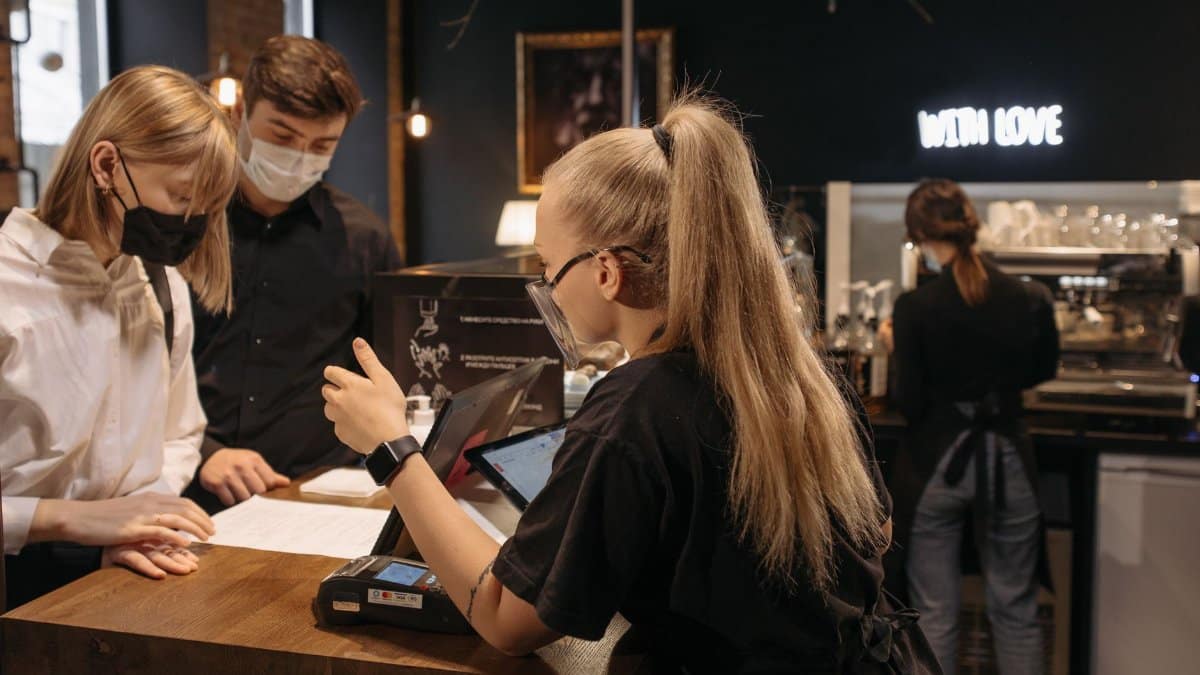
Ask regulars what they would miss and the answers are rarely abstract. They name a salsa, a weekend plate, the person who always asks about a parent’s health. Memory in a restaurant is edible. It is also social. People meet there after church, before a shift, after a funeral. In neighborhoods where formal community centers are scarce or overbooked, the corner table does quiet civic work. It is where news travels and where strangers become familiar.
That is one reason the holiday request resonates beyond the usual customers. December concentrates those meetings. People who moved away come back. Children home from college want the taste they cannot reproduce in a dorm. A final season is a chance to say goodbye in the only language the place has ever used, which is food served without ceremony and without apology.
Faith, food, and the sacred ordinary

This story sits, perhaps unexpectedly, in the realm of spiritual news, not because a doctrine is on trial but because sacred time often hides inside ordinary errands. Christmas in Pilsen is church and posada and also the paper plate passed across a counter. Many residents understand hospitality as a moral practice, not a marketing line. Feeding someone, especially at the end of a hard year, is a form of care that does not require a pulpit.
Places of worship in the neighborhood have long stood near family businesses, each reinforcing the other. When a landmark kitchen faces closure during Advent and the days after Christmas, congregants feel it as more than commerce. The question is not whether a taqueria is a church. It is whether a city can recognize that some rooms carry memory, gratitude, and obligation. The desire to remain open through December 26 is, in that light, a plea to finish a season of gathering before the doors go dark.
The landlord’s case is rarely simple
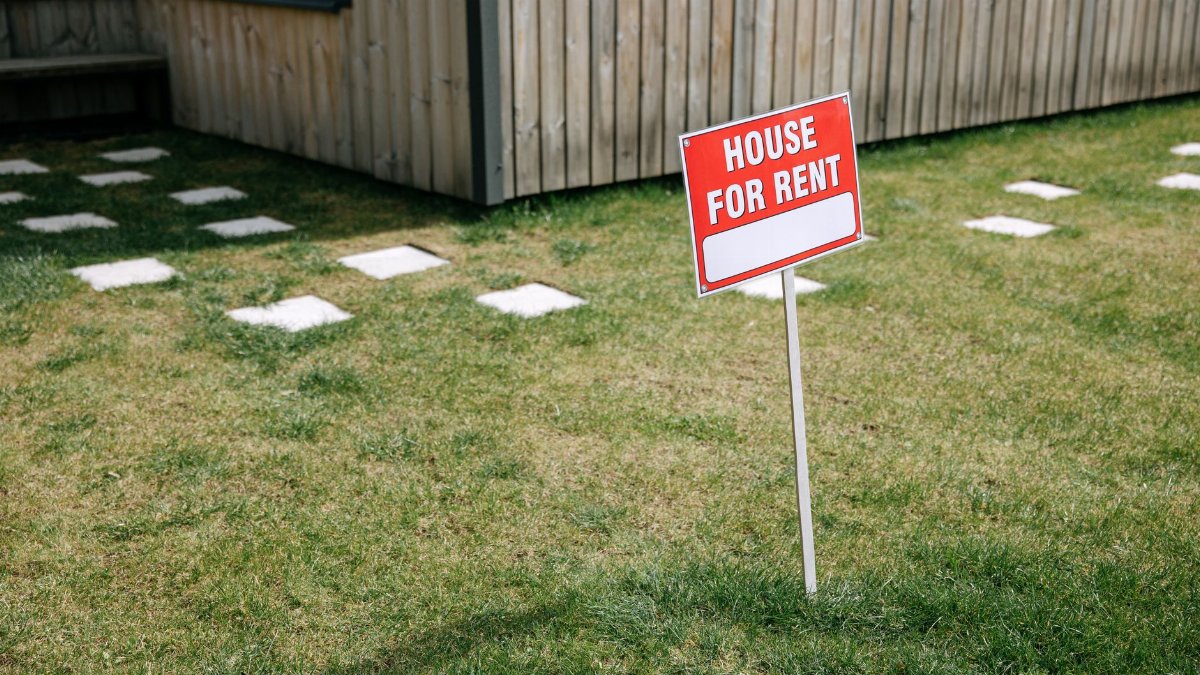
Fair reporting requires the other side of the ledger. Property owners have mortgages, taxes, insurance, and their own deadlines. A lease is a contract. If payments slipped, or if terms expired, the law gives owners tools to recover a space. Those tools can look cruel in December and still be lawful. Painting every landlord as a villain flattens a city where small owners are sometimes one missed rent check from trouble themselves.
What neighbors are asking, in conversations outside the restaurant, is not always for the law to vanish. It is for discretion. Extra weeks. A negotiated exit. A chance to sell down inventory and to tell staff in person rather than by text. Whether that discretion is offered will say as much about the block’s future as any zoning hearing. Power in these disputes is uneven. The party that holds the keys can choose haste or patience. Patience, here, has a date attached.
Workers who cannot pause for symbolism
Behind the counter are people whose stake is immediate. A cook does not experience closure as a think piece. It is lost hours, a gap in health coverage if any existed, and the scramble to find another kitchen in a month when hiring slows. Some workers have been at La Casa del Pueblo long enough that the job is also a social world. Ending that world during the holidays compounds the financial hit with isolation.
Any account of the Pilsen taqueria eviction that speaks only of heritage and not of wages is incomplete. Heritage is carried by labor. The same hands that make the restaurant a symbol also make it a livelihood. If there is a path to stay open a little longer, it protects more than nostalgia. It protects paychecks in the weeks when Chicago heating bills arrive and gift lists are already too long.
What staying through December 26 would change

Remaining open through December 26 would not erase the underlying conflict. It would not guarantee a new lease or a miracle investor. It would allow a controlled ending, or a pause with dignity, rather than an abrupt lockout in the middle of a season built around return. Customers could come once more. The family could mark sixty years without pretending the future is settled. Staff could plan. Suppliers could be paid down in an orderly way.
There is also a public interest, modest but real. Cities talk constantly about authenticity and then accelerate the conditions that erase it. Granting a family restaurant the chance to finish Christmas is a small act of alignment between rhetoric and practice. It costs less, in civic terms, than another vacant storefront photographed for a story about what the neighborhood used to be.
How neighbors can show up without turning a kitchen into a stage

Support, if it is serious, looks practical. Eat there while the doors are open. Pay in a way that helps cash flow. Share accurate information rather than rumors about court dates. Resist the urge to treat workers as props in a larger argument about gentrification. Ask what the family needs, and accept that the answer may be time, privacy, or a lawyer, not a viral video.
Journalists have a role too. The lure is to flatten the story into heroes and villains before the documents are read. A better account stays with the facts that are already plain. A sixty year family restaurant in Pilsen faces eviction. The people who run it want to serve through December 26. Everything else, including blame, belongs in the record only when it can be shown.
The last table is a kind of testimony

If the doors stay open for that final stretch, the testimony will be quiet. It will be in tickets spiked on a rail, in the scrape of chairs, in the way regulars linger because they are not sure they will be welcomed back to the same address. If the doors do not stay open, the testimony will be an absence on a corner that has rarely been empty at lunch. Either way, the city will have made a choice about whether sixty years earns a little patience.
I keep returning to the modesty of the ask. Not forever. Not a parade. One last Christmas, through December 26, in the room that already knows how to host it. In a season crowded with grand claims, that request is almost plain. It deserves a plain answer. The Pilsen taqueria eviction will be decided by leases and deadlines, but it will be remembered by whoever was, or was not, allowed to sit down one more time.