

On a clear September evening the Space Needle took on a wash of pink, the kind of civic gesture Seattle reserves for causes it wants seen from the freeway and from the deck of a ferry. People stopped on sidewalks with phones raised, not for a ticketed concert but for a date that has become a public ritual. Dolly Parton Day Seattle arrived as a mix of parade energy, donated books, and a color that has followed the singer for decades. Local coverage described pink lights, neighborhood processions, and drives to collect reading material for children. What looked like decoration was also a claim: that a country star from the Tennessee mountains still belongs in the civic imagination of a Pacific Northwest city that prides itself on a different soundtrack.
A tower that speaks in color
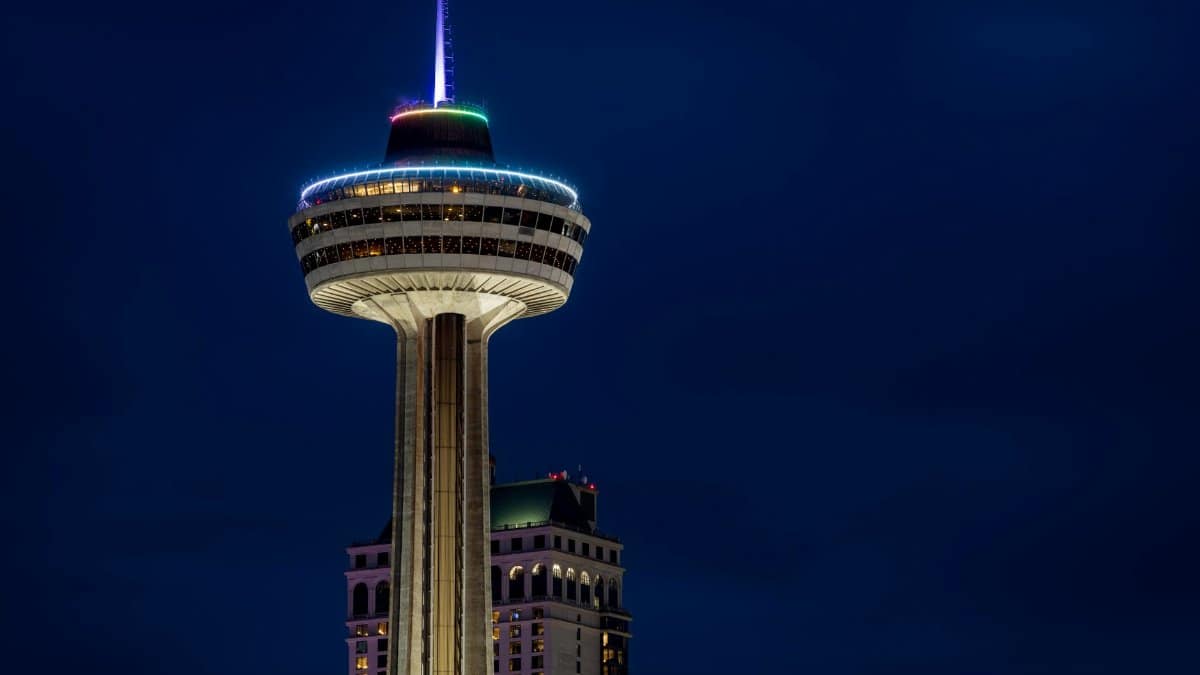
The Space Needle is a blunt instrument of municipal mood. When it changes color, the city is trying to say something that will travel farther than a proclamation taped to a door. Pink is not subtle, and in this case subtlety was not the point. Reports and photographs showed the tower lit for the tribute, a signal visible to commuters who might never attend a parade and to tourists who know the singer mainly as a wig, a laugh, and a handful of songs that have outlasted radio formats.
Color is a cheap form of consensus. It asks little of a budget and less of a theology. Yet it gathers strangers into the same glance. For a few hours the skyline did the work that a speech usually attempts, announcing that gratitude can be architectural. The choice also fit a performer who has never treated glamour as a private luxury. She has always offered sparkle as a public good, something a person of modest means might borrow for an evening and return undamaged.
Why this date keeps returning

September 25 is not her birthday. Fans and some city calendars have nonetheless treated it as a day for tribute, a second anniversary layered onto a career that already has plenty of official markers. Birthdays belong to family. A civic day belongs to whoever shows up. That distinction matters in a country where celebrity usually arrives as a product and leaves as a headline. A repeated date, even an unofficial one, lets ordinary people practice remembrance without waiting for a network special.
Seattle has a habit of adopting distant icons and testing them against local weather. A singer associated with sequins and mountain churches can seem, at first look, like an odd guest for a city of rain, ferries, and indie guitar bands. The oddness is useful. It forces the tribute to explain itself. People do not light a tower for a stranger unless the stranger has already done some quiet work in their households, often through a song a parent played in a car or a book that arrived because of a program with her name on it.
Books before the parade
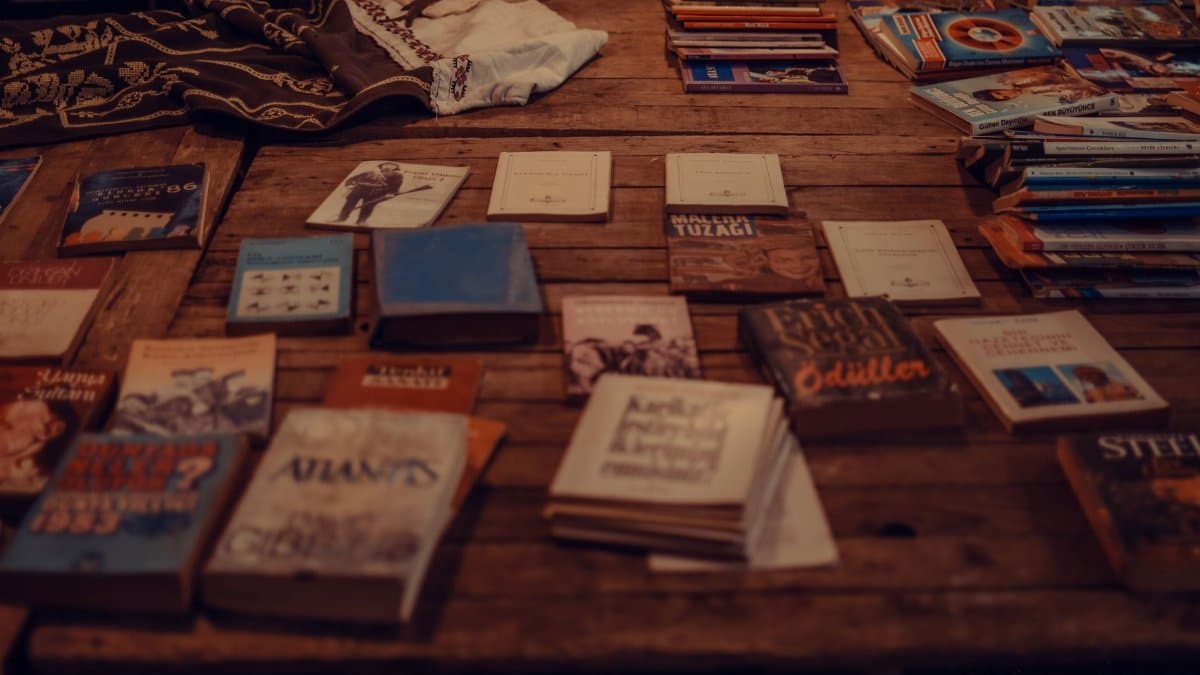
The more durable part of the day was not the lighting. It was the book drive. Organizers and volunteers, as described in local reporting, used the occasion to collect reading material for children, a gesture that matches the longest philanthropic project attached to her name. The Imagination Library, which she founded and has supported for years, mails books to young children on a regular schedule. The idea is almost plain enough to ignore: a child who owns books is more likely to be read to, and a child who is read to arrives at school with a different sense of what language can do.
A drive in a city park or a library lobby is a small echo of that system. It will not mail a million volumes. It can still put a paperback into a kitchen where the budget is tight and the evenings are short. Journalists sometimes treat charity as a soft sidebar to the real story of fame. In this case the charity is the story. The parade is the advertisement. Parents who have never bought a concert ticket have still met her through a package on a porch, and that meeting is harder to fake than a standing ovation.
What Dolly Parton Day Seattle asked of neighbors
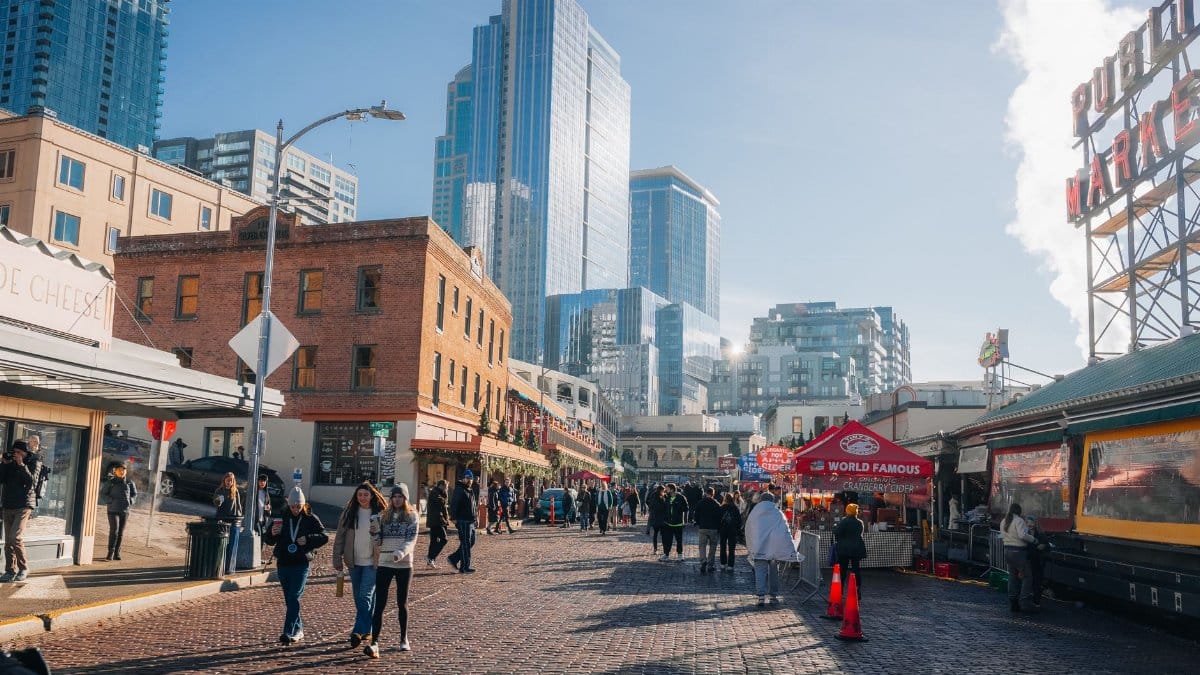
Dolly Parton Day Seattle did not require residents to agree about country music, politics, or the proper volume of a chorus. It asked for a smaller set of actions. Bring a book. Walk a few blocks. Notice the tower. Tell a child why the day exists. Those requests are modest, which is why they travel. A city cannot mandate affection. It can clear a little space in which affection becomes visible, and then step back before the ritual turns into a branding exercise.
Neighborhoods answered in the ways neighborhoods usually do. Some people dressed for the joke and the joy at once, sequins against fleece, wigs that would not survive a real mountain wind. Others came as they were, pushing strollers, carrying canvas bags already heavy with paperbacks. The mix kept the day from becoming a costume party for insiders. Recognition, not expertise, was the ticket. You did not need to rank her albums. You needed to know that a public person had spent decades insisting that poor children deserve the same first encounter with stories that richer children take for granted.
The pleasure of being recognized

Parades are inefficient, and that is part of their charm. They block streets so that people can look at one another moving slowly in the same direction. In a city organized around commutes, inefficiency can feel like a gift. Coverage of the day described processions alongside the lights and the drives, the three elements working as a single sentence: we see you, we read with you, we walk together for a while.
There is a particular pleasure in recognizing a voice that has been in the culture so long it feels like weather. Younger listeners may know her through a film song or a late career collaboration. Older listeners can place her beside radios in kitchens that no longer exist. The day did not sort those listeners into camps. It let them share a sidewalk. That is a small democratic achievement, and cities do not get many of those that do not also involve a ballot or a budget fight.
Generosity as a kind of faith

It is possible to talk about this tribute without turning it into a sermon, and it is also possible to notice the spiritual temperature of the event. Her public life has long mixed show business with a plainspoken ethic of giving, rooted in the church culture of the mountains and then widened until it no longer required a shared creed. The book in the mailbox is not a tract. It is still an act that resembles faith: a bet that a child you will never meet is worth an expense you will not recoup.
American celebrity often sells transcendence and delivers a merchandise table. The tension in her case is that the merchandise and the mercy have occupied the same stage for so long that audiences stopped treating them as opposites. A pink tower can look like marketing. A carton of donated picture books looks like something else. Spiritual trends in public life are not only about attendance at worship. They also show up when a secular city borrows the language of blessing, stewardship, and neighbor love without asking everyone to sign the same confession. The day in Seattle sat in that borrowable space.
Other cities, the same impulse

Seattle was not alone in marking the date. Reports from elsewhere described pink lights on familiar landmarks and collections of books stacked in library lobbies and school gyms. The repetition matters. A single city’s gesture can be a fluke of a mayor’s calendar. A pattern suggests that the audience has already decided what the honor should contain. Not a new album cycle. Not a controversy. A color, a procession, and a gift aimed at children who cannot yet read the news about the person being honored.
That pattern also limits the ego of any one skyline. Dolly Parton Day Seattle was local in its landmarks and national in its script. The Space Needle is not interchangeable with a bridge in another state, and residents are right to feel the difference. The underlying request was interchangeable, and that is a compliment. It means the tribute had a content beyond tourism. Visitors might photograph the tower. Residents might still be sorting donated books the next morning, which is a better measure of whether the day landed.
What the lights cannot finish
By the next night the tower would return to its ordinary palette, and the parades would be a set of photos losing resolution in group chats. That fade is not a failure. Public rituals are supposed to end, or they become background noise. The question is what they leave in circulation. A few hundred books can move from a folding table to a bedroom shelf. A parent who walked the route might read aloud with a little more intention. A teenager who rolled her eyes at the wigs might still remember that a famous woman treated literacy as a right rather than a luxury brand.
I have stood under that tower on ordinary nights when it is only white and steel, and the pink still struck me as a sentence rather than a stunt. Cities speak in infrastructure because infrastructure is what they trust. For one evening the infrastructure agreed to carry a softer message, aimed past the waterfront and toward kitchens where someone is sounding out a word for the first time. Fame will keep its noise. The quieter transaction, a book changing hands because a singer asked the culture to care about readers it cannot see, is the part worth keeping after the color drains out of the sky.