
On a humid Tuesday in Hialeah, a woman folded a letter from a Miami immigration court and slipped it back into a plastic sleeve. She had a hearing date, a lawyer she could barely afford, and no passport that any government would honor. Friends still called her Nicaraguan. Managua had said otherwise. In the narrow space between those two facts sits the problem now known, in legal aid offices and parish halls across South Florida, as Nicaragua stateless asylum.
A decree that tried to erase a people
In February 2023, the government of Daniel Ortega and Rosario Murillo stripped citizenship from more than two hundred political prisoners and put them on a plane to the United States. Later lists added journalists, clergy, business owners, and relatives of people already in exile. The official language treated citizenship as a privilege the state could revoke for treason. For the people named, the result was simpler and harsher. They woke up with no country willing to claim them on paper.
Citizenship is not a mood. It is the document that lets a consulate issue a travel paper, a jail accept a deportee, and a child inherit a legal identity. When a state cancels it as punishment, the person does not vanish. The person becomes a problem for every other government that must decide what to do next.
What daily life looks like without a country
Ask caseworkers in Miami what statelessness feels like and they do not start with treaties. They start with a bank that will not open an account, a landlord who wants a second form of identification, a parent who cannot get a birth record corrected because the consulate will not answer. Some people still carry old cedulas. Others have only a photocopy and a memory of a house they cannot safely visit.
Work permits, when they arrive, are late and fragile. A missed notice can freeze a job. A traffic stop can become an afternoon of explaining a status that even seasoned officers have rarely seen. The anxiety is not abstract. It is the fear that a clerical error will land someone in detention with no embassy to call.
Why Florida became the waiting room

South Florida already held a large Nicaraguan community, built across waves of departure after the revolution, the contra years, and the crackdown that followed the protests of 2018. When the 2023 flights landed, relatives were often already here. So were Spanish speaking lawyers, churches with spare rooms, and a rumor network faster than any official briefing.
That density is a mercy and a strain. It means a newly arrived person can find a plate of food on the first night. It also means immigration courts in the region absorbed another group of people whose cases do not fit the usual script of someone who can, in theory, be sent home if a judge says no.
Asylum law was not written for this
United States asylum turns on a fear of persecution tied to race, religion, nationality, political opinion, or membership in a particular social group. Many of the people Ortega targeted can tell that story in detail. They were jailed, beaten, watched, or threatened for protesting, reporting, or refusing to stay silent. The twist is what happens if a judge denies protection, or if a person never filed in time, or if a prior order of removal is still on the books.
In an ordinary case, denial can lead to a flight back. In a Nicaragua stateless asylum case, the flight may have nowhere to land. Nicaragua has refused to accept some of its former citizens. Other countries have no duty to take them. The person remains here, not fully admitted and not realistically removable. Lawyers call that limbo. The people living it call it a life on hold.
Removal when no runway will open
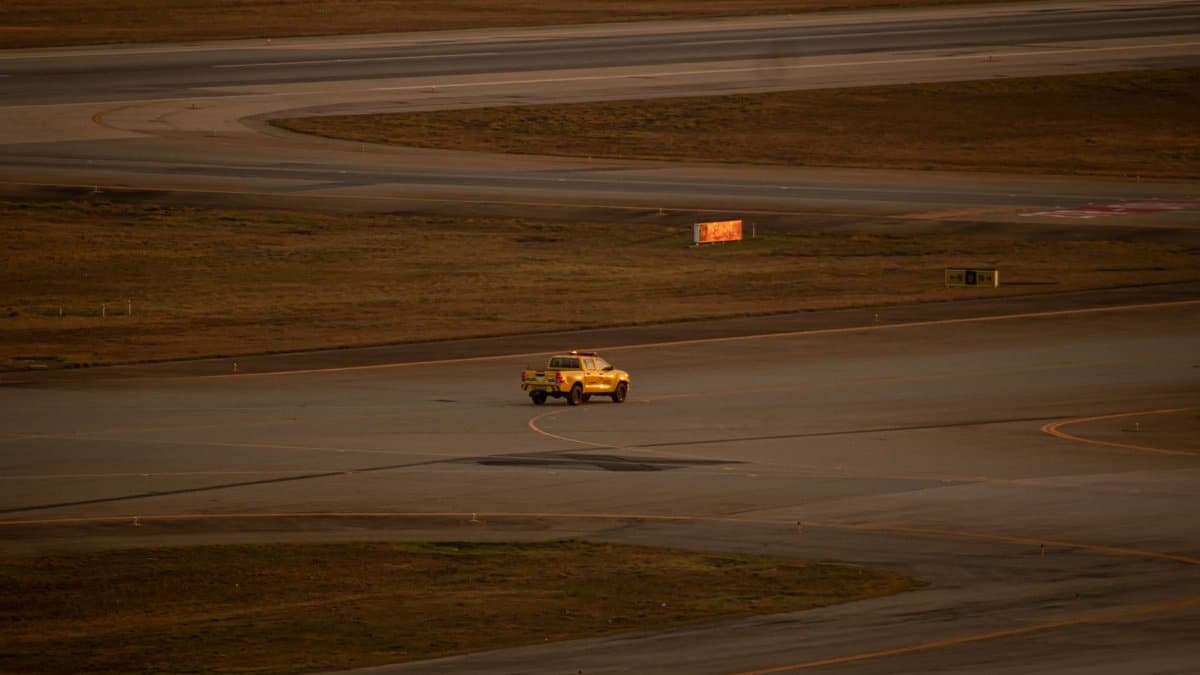
Immigration enforcement assumes a receiving state. Officers need travel documents. Pilots need permission to enter foreign airspace and to discharge passengers. If Managua will not issue papers and will not clear a landing, a removal order can sit in a file for years while the person checks in, wears an ankle monitor, or waits in a detention center that was never designed as permanent housing.
That stalemate is not a loophole anyone chose. It is the predictable result of one government using citizenship as a weapon and another government applying rules written for people who still belong somewhere. Each month of delay costs money, separates families, and leaves judges with options that feel more like management than justice.
The arguments lawyers are actually making
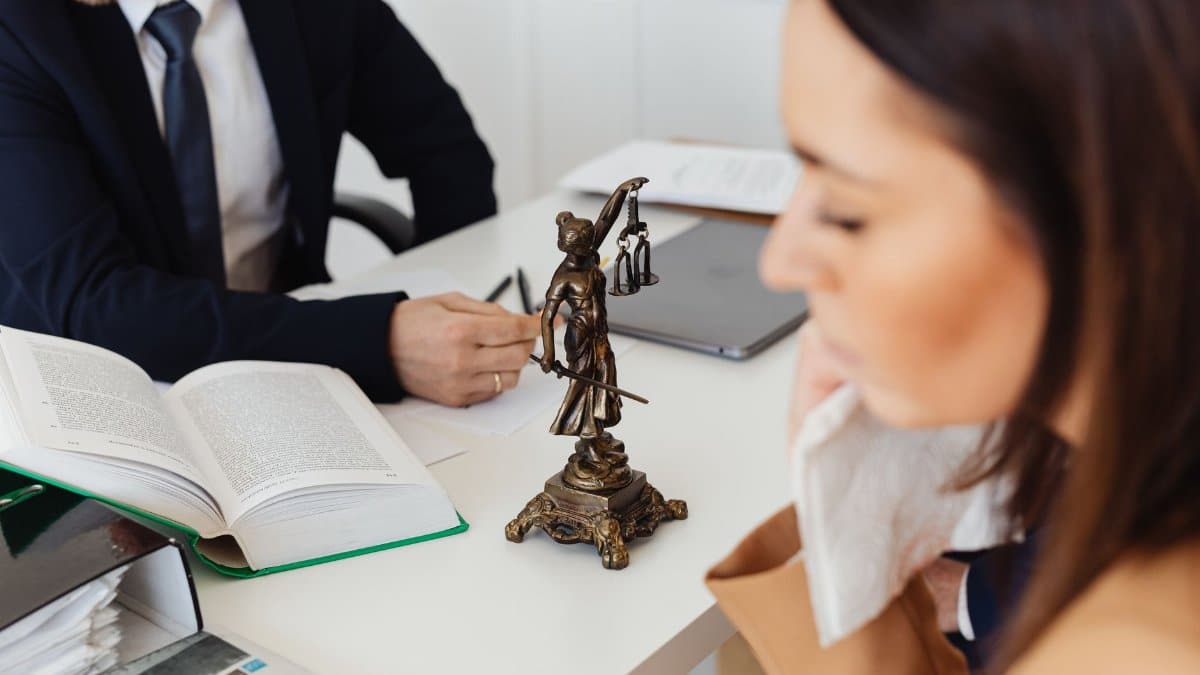
Advocates in Florida are not inventing a new country for their clients. They are pressing claims the statutes already contain. Some seek asylum or withholding of removal based on past persecution and a clear political opinion. Some argue that a person with no state should not be detained indefinitely when removal is not reasonably foreseeable. Others ask for humanitarian parole, prosecutorial discretion, or a chance to reopen an old case once the citizenship revocation became public.
None of these paths is automatic. Deadlines are unforgiving. A criminal conviction, even a minor one, can close a door. A missing translation can sink a filing. The phrase Nicaragua stateless asylum shows up in intake notes because it captures a cluster of facts, not because it names a formal visa. Winning still depends on evidence, credibility, and a judge willing to look past the missing passport to the reason the passport is missing.
Families divided by a list of names
The lists published in Managua did not only name activists. They named spouses and adult children. A mother in Miami may have status from an older asylum grant while her son, stripped of citizenship after a protest, waits on a different docket. A grandparent in Leon may refuse to speak on the phone because a neighbor listens. Remittances still move, but visits do not. Funerals happen on a screen.
Children born in Florida have American birth certificates and parents who cannot swear, on any current document, which nationality they hold. Schools ask for papers that do not exist in quite the right form. The household learns a second language of case numbers.
Parishes that opened the door first
Long before a hearing is set, many of these families walk into a church. Catholic parishes in Miami Dade and evangelical congregations with Nicaraguan pastors have become informal consulates. They store copies of letters, host legal clinics, and sit with people who cannot sleep. Faith here is not a slogan. It is a folding chair, a pot of soup, and a volunteer who knows which courthouse entrance has the shorter line.
Priests and pastors also carry a particular memory. Clergy were among those expelled and stripped of citizenship. For congregants, that fact turns an immigration case into a question about whether a state may punish belief and dissent by deleting a person from the civil registry. The sermons are careful. The hospitality is not.
Neighbors who recognize the pattern
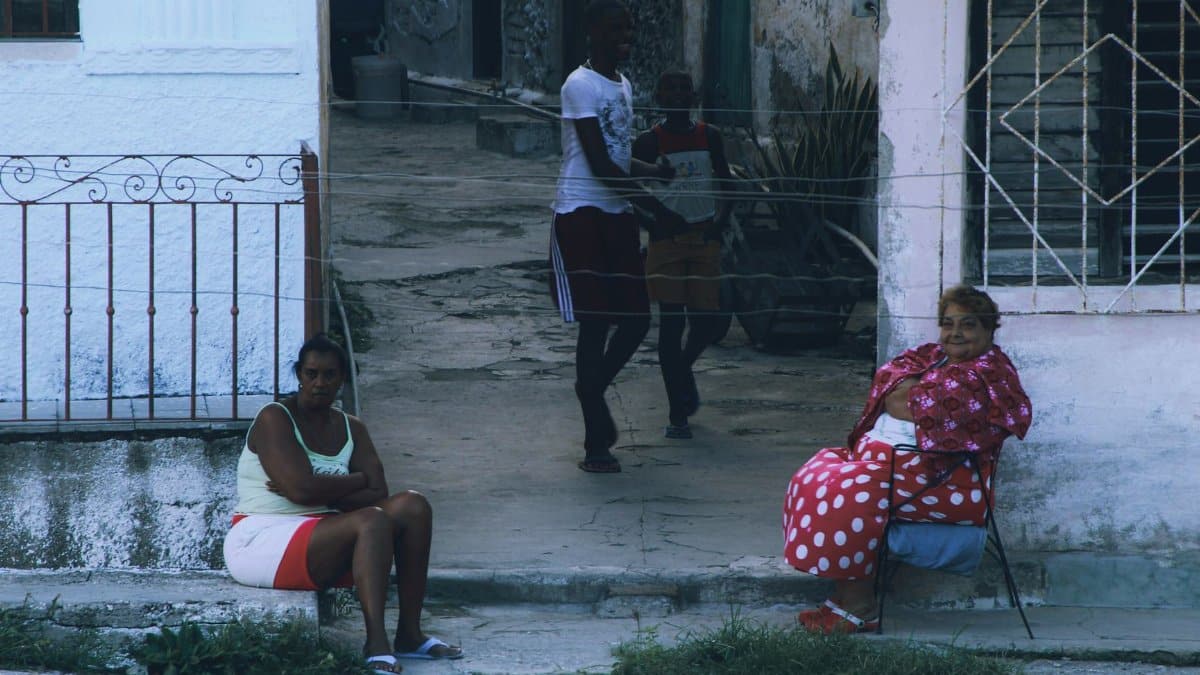
Cuban and Venezuelan exiles in the same neighborhoods hear an echo. They know what it means when a government treats opponents as non persons and then expects the rest of the world to absorb the consequence. Solidarity is real, and so is fatigue. Shelter beds are finite. Donation drives slow down. A community can be generous and still overwhelmed.
That tension should not be mistaken for indifference. It is the ordinary math of a city that has been a first stop for Caribbean and Central American flight for decades. Each new group arrives with a rightful claim on attention and a story that does not pause while the last one is still unfinished.
What Washington has not settled
Congress has not written a clean status for people rendered stateless by a foreign ruler. Temporary protections, when they exist, expire. Asylum backlogs stretch for years. Detention policy swings with each administration. A person can comply with every check in and still have no answer about whether a child will finish high school before a judge speaks.
International rules on statelessness urge countries not to leave people in permanent legal vacancy. Those rules do not, by themselves, create a green card. They do describe a duty to avoid pointless confinement and to offer some path to a stable identity. The gap between that duty and daily practice is where these cases live.
A spiritual unease under the paperwork

Readers who come to this subject through a church bulletin rather than a court filing still recognize the moral core. A government decided that dissent forfeits belonging. The people cast out did not stop being neighbors, parents, or believers. They simply lost the paper that proves a state will take them back.
Scripture and civic tradition both worry about the stranger who has no kin to claim them. You do not need a sermon to see the parallel. You need a look at a hearing notice and a revoked cedula in the same folder. The question is whether a democracy answers that folder with indefinite waiting or with a process that can actually end.
Living forward without a passport
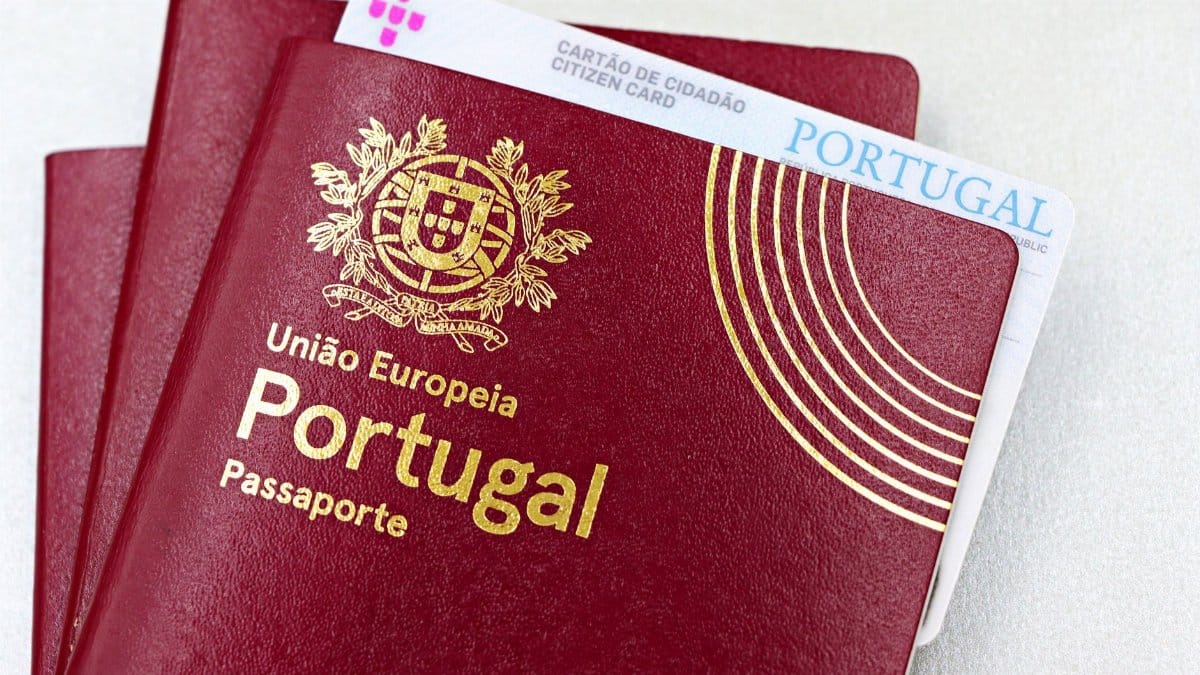
In the meantime, people work the jobs they can get, learn the bus routes, and keep every receipt. Some will win protection and, years later, a chance to naturalize. Some will remain in a supervised middle ground because no plane will take them and no statute clearly embraces them. A few will give up and try to move on to a third country that also does not want a stateless arrival.
The woman in Hialeah will return to that plastic sleeve before her next hearing. She will correct her lawyer if a date is wrong. She will not pretend that Managua still considers her a citizen, and she will not pretend that Miami has finished deciding what that means. Until a court or a statute speaks with more clarity, Nicaragua stateless asylum will remain less a slogan than a description of ordinary evenings spent waiting for a country to exist again on paper.