
On a late afternoon in Port au Prince, people stood near the airport fence with small bags and photocopied papers, waiting to learn where they would sleep. Some had boarded planes in the United States only a day or two earlier. Others had spent months in shelters, hearing dates shift and lawyers run out of hours. Officials in the capital used that scene to press a point they say foreign partners keep missing. Haiti migrants dignity is not a courtesy added after a removal is complete. It is the standard that should govern the removal itself, and the first night that follows.
A plea from a capital under strain

The prime minister spoke while the Haitian state is thin in many communes and missing in some. Armed groups tax roads. Clinics ration electricity. Teachers go unpaid. Into that setting, other governments continue to return people, and Haitians continue to leave because staying can feel like a bet against hunger or a bullet. A plea for humane treatment is therefore not a speechwriter’s ornament. It is a request that lawful removal not become one more blow against families who already cannot count on a police station, a hospital bed, or a school that stays open through the term. Partners who praise Haitian resilience from a distance are being asked to match that praise with conduct at the gate.
The hour after the door opens

What happens in the hour after a plane door opens is where policy becomes a life. A person may have a phone with a dead battery, a relative in another department, and no cash that a driver will accept. Haitian officials have said they need notice, documents, and help with reception if returns are to be anything but a drop at the curb. Dignity here is not a mood. It is a phone call placed before wheels touch, a list of medical needs shared in time, a child not separated from the adult who has traveled with that child, and a refusal to treat identity papers as optional. Without those plain acts, a government can claim it followed procedure and still abandon someone in a city they no longer know.
What the appeal is asking for

Reporting in the Miami Herald described the prime minister urging dignity for deportees and for migrants still on the move. The political point is narrower than a call to open every border, and broader than a request for softer language. He is asking states that remove people to do so in ways that do not humiliate them, and asking states that receive them, including Haiti, to be given the means to receive them as neighbors rather than as surplus. Haiti migrants dignity, in that framing, covers the person forced onto a flight and the person still sleeping in a church hall in Santiago or Miami, waiting on a hearing that may never feel fair. Law and mercy are not enemies in that sentence. They are the two conditions under which a border regime can claim to be civilized.
Faith at the edge of the runway
In Port au Prince and in the diaspora, pastors, priests, and lay visitors have become an unofficial reception system. A parish yard fills with mattresses. A deacon finds a cousin. A choir loft becomes a bedroom for a week. This is spiritual news in the most literal sense, because the people doing the work say they are answering a duty older than any immigration statute. They read psalms over people who have not slept. They argue, sometimes fiercely, about politics, and then they still carry water. Congregations in Florida, New York, and Montreal send money that is never enough and still matters. When they speak of Haiti migrants dignity, they are not drafting a communique. They are naming the person in the folding chair.
The life a person does not get back

Return is rarely a return to the life a person left. A young man sent back after a decade in the United States may speak Kreyol at the family table and still not know which street is safe at dusk. A mother may land with children born in the United States who have never sat in a Haitian classroom. Elders lose medications that were ordinary abroad. These are not sentimental details. They decide whether the first week ends in a relative’s house or in hiding. Officials who talk about order should be pressed on these facts, because order that ignores them is only speed. Families divided by a missing paper experience that speed as contempt. The prime minister’s language matters here because it refuses to let bureaucracy launder that contempt into routine.
Neighbors who host and neighbors who remove

The United States, the Dominican Republic, the Bahamas, and others have each, in different seasons, tightened the path for Haitian travelers. Some measures answer real strain on local services. Some answer domestic politics that reward harshness. It is possible to admit both without granting a moral blank check. A state may control its border and still forbid mocking, shackling for show, or dumping people without notice into a city in crisis. Haitian leaders, for their part, cannot ask the world for patience while armed groups empty neighborhoods, and then pretend that reception is only a foreign duty. Shared responsibility is the grown version of the argument. It assigns tasks: notice, documents, medical screening, a bed, and a plan that lasts longer than the visit of a camera crew.
A checklist instead of a slogan
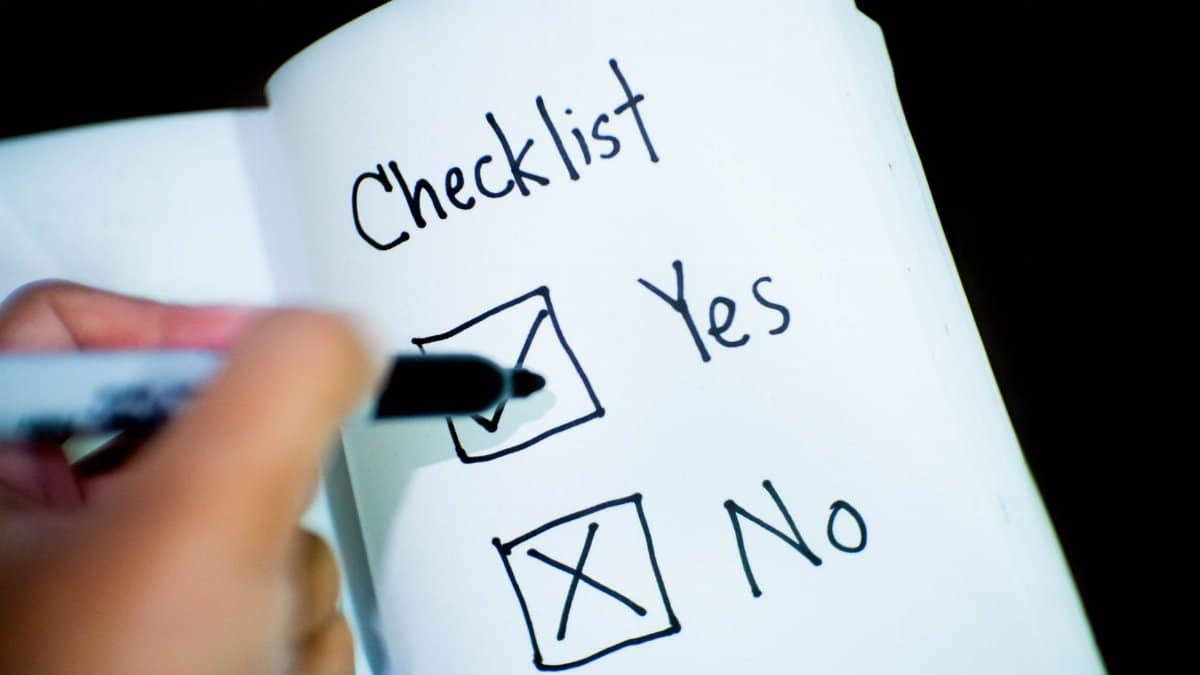
If dignity is to be more than a word in a communique, it needs a checklist that a sergeant and a clerk can follow. Give people their documents in a language they can use. Tell Haitian authorities who is coming, and when, and with what medical needs. Keep children with the adult who has cared for them on the journey. Do not film people at their most exposed for a domestic audience. Allow a phone call. These steps will not rebuild a state. They will keep a removal from becoming a spectacle. Officials who repeat Haiti migrants dignity should be willing to be graded on that list, in public, by journalists and by the churches that meet the flights. A standard that cannot be audited is a standard that will be skipped when the plane is late and the shift is ending.
The claim beneath the paperwork

There is a spiritual claim under the paperwork, and it does not belong to one denomination. In Christian parishes it sounds like the insistence that each person carries the image of God. In Vodou peristyles and in Muslim prayer rooms in the diaspora, the language differs and the refusal to discard a person does not. A politics of disposal, which treats a migrant as waste to be processed, collides with that refusal. Readers who do not share those faiths can still recognize the collision. A society that practices disposal on the vulnerable will eventually practice it more widely. That is not mysticism. It is the ordinary lesson of the last century, available to anyone who has watched a bureaucracy learn to speak about human beings as caseloads.
Flights still to come

Americans who follow this story from a quiet kitchen should resist two easy exits. One is pity that never asks what their own government did at the airport. The other is irritation that treats every Haitian arrival as an offense. Neither exit has much to do with Haiti migrants dignity. The harder posture is specific. Ask whether notice was given. Ask whether a child was kept with a parent. Ask whether the country receiving that person had a bed and a clinic, or only a speech. The International Organization for Migration describes its work in Haiti on a public country page, and that page is a better starting point than a rumor passed along a group chat. The prime minister’s appeal will be judged by flights still to come, not by the afternoon he made it. Dignity, if it is real, will be visible in the small acts around those flights, or it will not be real at all.