

On a weekday morning in Walnut Creek, the line that usually curled past the pastry case never formed. A paper notice on the glass told regulars the cafe would not open, and a few people stood with their phones out, rereading the same short message as if the wording might change. The scene was small, almost ordinary, yet it belonged to a larger retreat now moving through the region under the plain name Starbucks Bay Area closures. For commuters who treat the first cup as a private ceremony before email and traffic, the darkened storefront felt less like a business decision than an interruption of habit.
A week of locked doors
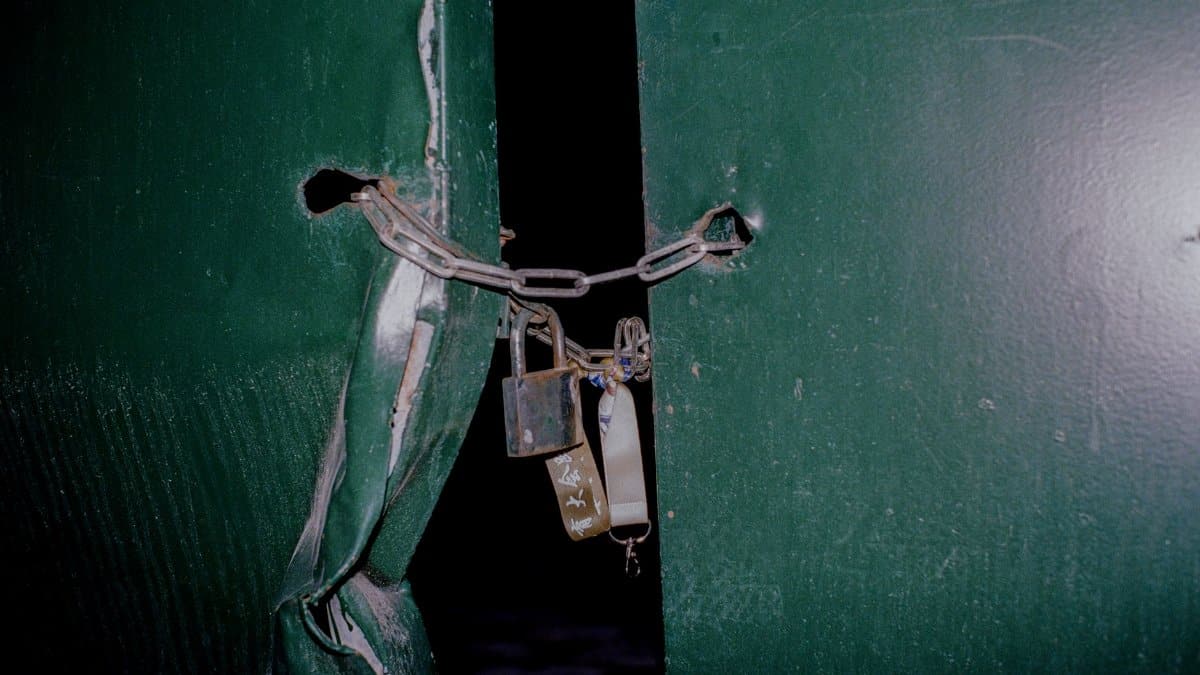
The coffee company is closing at least a dozen cafes across the Bay Area this week, part of a wider pullback that will shutter about 250 stores in North America. Local reporting has placed Lafayette, Walnut Creek, and San Jose among the communities losing a location, with other sites scattered through cities where Starbucks once seemed as fixed as a bus stop. The company has framed the cuts as a pruning of shops that no longer meet its standards for sales, traffic, or the experience it wants customers to have.
That language is tidy. The week itself is not. Landlords receive notices. Baristas learn whether a transfer exists. Regulars discover the change when the door does not yield. A closure announced in a corporate update becomes, on the sidewalk, a locked handle and a confused pause.
What the company says it is doing

Starbucks has spent the past year trying to rebuild a brand that grew enormous and, in the view of its current leadership, somewhat careless about the details that once defined it. Faster mobile orders, crowded counters, and stores that functioned more like pickup windows than places to sit all became part of the complaint, from customers and from investors. Closing weak locations is one tool in that repair. The argument is simple enough: fewer shops, better run, may protect the ones that remain.
Company statements of this kind rarely linger on a single suburb. They speak in portfolios. A store is underperforming, or the trade area has shifted, or the lease no longer makes sense. Those reasons can all be true at once. They also leave out the texture of a particular corner, the school pickup nearby, the hospital shift that ends at dawn, the office that still has not fully returned.
Lafayette, Walnut Creek, and San Jose

Lafayette is not a city that lacks coffee. Neither is Walnut Creek, nor San Jose. The loss is not of caffeine. It is of a known address, a predictable chair, a staff that recognized an order before it was spoken. In smaller downtowns, a chain cafe can function as informal infrastructure. People meet there because both parties can find it, park near it, and stay without renting a table by the hour.
San Jose, vast and stitched together by freeways, absorbs a closure differently than a compact town. A shuttered shop in one neighborhood may barely register two exits away. Still, for the people who used that specific counter, distance is not abstract. It is another ten minutes, another lot, another chance to skip the stop entirely. The Starbucks Bay Area closures land unevenly because the region itself is uneven, rich in some corridors and thin in others, dense with options until the option you actually used disappears.
The third place after the third place faded

Sociologists once used the phrase third place for the settings that were neither home nor work, where a person could linger without a reservation. Many of those rooms have thinned out: the independent bookstore, the all day diner, the civic club with dusty plaques. A coffee chain filled some of that vacancy, imperfectly and for a price. It was commercial, branded, and sometimes loud with blenders. It was also open, lit, and tolerant of a person who bought one drink and stayed through a difficult phone call.
That function is easy to mock and hard to replace. Public libraries do some of this work, with more dignity and fewer syrups. Parks do it when the weather agrees. Independent cafes do it when they can afford the rent and the patience. None of them owes a customer the exact hour, the exact corner, or the exact playlist that a chain standardized. When a standardized place closes, the standardization is what people miss, even if they never would have praised it out loud.
A ritual with a paper cup

There is a modest spiritual fact inside an ordinary order. Repetition gives shape to a day that otherwise dissolves into tasks. The walk from the car, the name called out, the first sip before the freeway: these are not prayers, yet they mark time the way a bell once marked an hour. People who would never describe themselves as devout still build small liturgies out of routes and cups. Take the route away and the morning loses a hinge.
This is not an argument that a corporation owes anyone transcendence. It is an observation about how meaning attaches to whatever is reliably there. In a region where housing moves, jobs move, and even friendships get rearranged by commutes, a stable counter can feel like a fixed star. The Starbucks Bay Area closures remind people how much of their calm was rented.
Rent, traffic, and the arithmetic
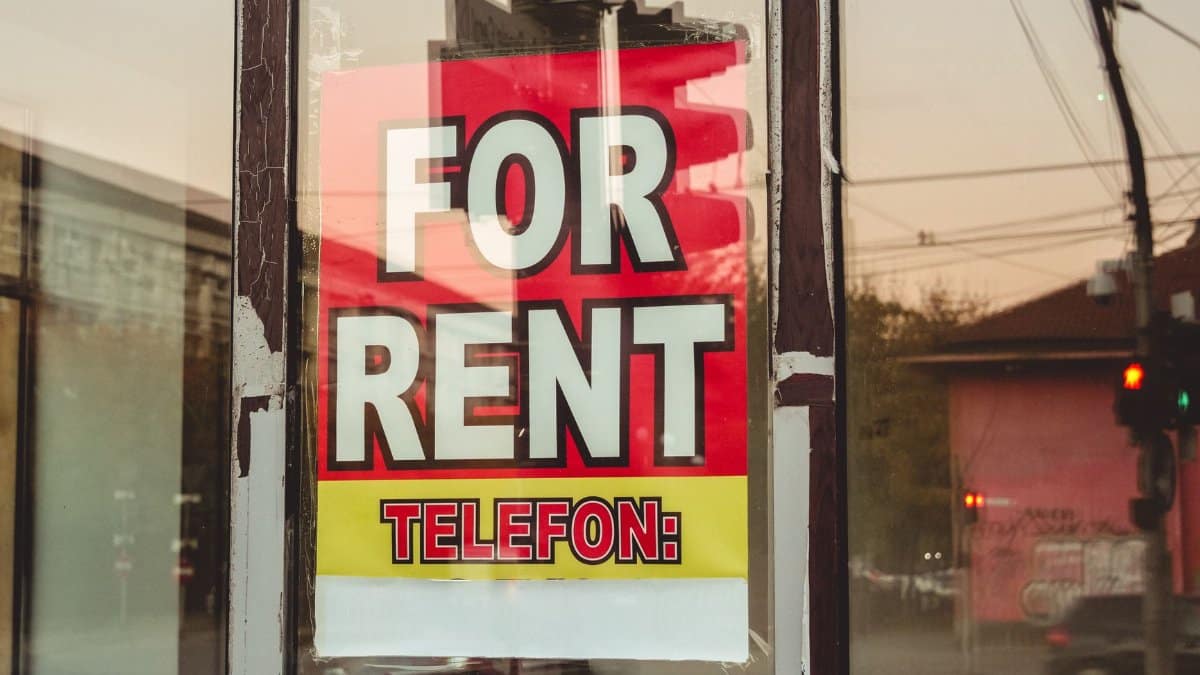
The Bay Area has never been a gentle place to operate a storefront. Rents punish a slow Tuesday. Labor costs rise with the cost of living that workers themselves cannot escape. Parking and theft shape hours. Mobile orders spike and then vanish with the school calendar and the tech layoff cycle. A cafe can look busy at 8 a.m. and still fail the spreadsheet by evening.
Customers see the line and assume health. Accountants see transactions per labor hour, waste, and the rent that does not care whether the line was cheerful. When a company decides a location no longer earns its keep, the public math and the private math rarely match. That gap produces the familiar local reaction: how can they close a store that always seemed full? Often the answer is that full, at these prices, was not full enough.
Workers between a shift and a transfer
A closure is a real estate story until it is a staffing story. Baristas in the region already navigate split shifts, long commutes, and customers who treat a delayed drink as a personal injury. Some will be offered moves to other stores. Some will find the new store too far, or the hours wrong, or the offer simply absent. Union campaigns at Starbucks have made staffing and scheduling national arguments. A week of shutdowns folds those arguments into something more immediate: who still has a job on Monday, and where.
Companies prefer to describe closures as strategic. Workers experience them as logistical. Child care does not relocate because a district map was redrawn. A second job across town does not become easier because a transfer looks good on a slide. The humane version of a retreat includes clear notice, real choices, and severance where transfers fail. Whether this week meets that standard will be known by the people packing up the pastry case, not by the paragraph in a press note.
What regulars actually lose

Ask around a closing shop and the answers are practical before they are poetic. One person loses the only restroom on a delivery route. Another loses a place to sit with a parent who cannot handle a louder room. A student loses an outlet and a table near a bus line. A manager from a nearby office loses the neutral ground where a tense conversation could happen without booking a conference room.
These uses were never on the menu. They were tolerated, which is a kind of civic generosity even when it is accidental. Independent owners sometimes protect that generosity more fiercely, and sometimes cannot afford to. Chains scale it, then withdraw it by memo. The withdrawal is legal. It still rearranges the day for people who had built a life around an assumption of openness.
Independents and the space left behind

Every chain closure invites a hopeful sentence about local business. Sometimes the hope is earned. A neighborhood roaster may gain the morning crowd. A bakery may extend its hours. Sometimes the hope is naive. The same rent that strained Starbucks will strain a newcomer with less capital, and the customers who wanted speed, an app, and a drink identical to the one in another city may not convert into patrons of a slower room.
The useful response from cities is not nostalgia for a logo. It is attention to what the block still offers: seating, bathrooms, late hours, lighting, a place to wait out a delay without buying a meal. Those are planning questions as much as market questions. A vacant cafe can become a nail salon, a vacant cafe, or a dark window for a year. Which future arrives depends on landlords as much as on taste.
The North American retreat behind the local signs
About 250 North American closures sound large until they are set against a chain that still counts its stores in the thousands. For the company, this is a correction, not a collapse. For the person staring at a sign in Lafayette, scale is irrelevant. Their store is not a percentage. It is the store.
Investors tend to reward discipline, a word that often means closing things. Customers tend to reward presence. The tension between those rewards has defined retail for a generation, from department stores to pharmacies to this coffee case. Starbucks is betting that a tighter map will restore confidence in the cups that remain. The bet may work in the aggregate and still fail the corner where someone needed a familiar door.
How a region reads a corporate map

Bay Area residents are practiced at interpreting retreat. Offices emptied, then partially filled. Restaurants opened with confidence and closed with a handwritten thanks. Transit lines promised frequency and delivered patience. Against that background, Starbucks Bay Area closures fit a pattern people already know: institutions that once expanded as if the map would always reward them are now editing the map.
The pattern does not mean every edit is wise, or cruel. It means residents have learned to treat permanence as a marketing claim. A store that looked eternal was a lease. A brand that looked local was a district number. Recognizing that does not have to produce cynicism. It can produce a clearer affection for the places that are actually rooted, and a clearer demand that large companies exit with honesty rather than with a shrug.
What the coming weeks will show

The immediate test is operational. Do nearby stores absorb the rush without becoming the crowded, impersonal counters the company says it wants to leave behind? Do workers land somewhere workable? Do the closed addresses get a clear public explanation, or only a generic notice and a dark interior?
The longer test is cultural. If the repair plan succeeds, the surviving cafes will feel slower in the right ways: orders that match what was requested, seats that are seats, staff who are not drowning. If it fails, the region will have lost convenient rooms and gained nothing but a shorter list. Either way, the week will be remembered less as a statistic than as a set of doors.
A cup is small, a route is not

No one should confuse a latte with a sacrament. Plenty of people will switch brands before the week is out and feel little more than annoyance. Others will feel a disproportionate grief, and they will be embarrassed by it, because the culture tells them that grief belongs to larger losses. Both reactions can be true. Annoyance is rational. Grief is also rational when a daily rite is broken without a substitute that fits the same hour and the same walk.
The Starbucks Bay Area closures will not decide the soul of the region. They will decide, for a while, where certain people stand while the day begins. That is a modest stake. Modest stakes are how most lives are actually organized. A city that understands this will notice the locked door, ask who is displaced by it, and resist the idea that a corporate edit is too small to matter simply because the product was only coffee.