
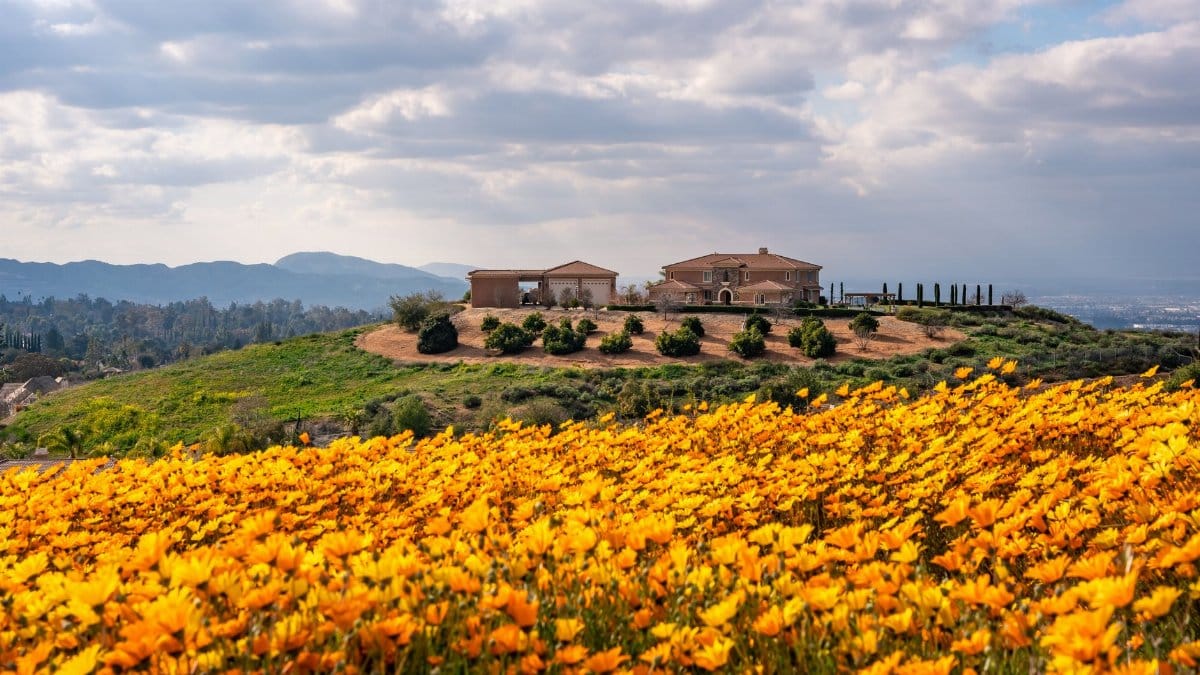
The sales office in Eastvale opens at ten, but the line on the sidewalk starts earlier. Couples compare mortgage quotes on their phones. A mother who left Huntington Beach says she never expected to shop this far from the coast. What she is seeing is no longer a local curiosity. Inland Empire home prices now sit close enough to coastal figures that the old bargain feels thinner every season, and the anxiety that once belonged to Los Angeles and Orange County has followed the freeway inland.
A market that stopped feeling like a refuge

For a generation, Riverside and San Bernardino counties offered a plain trade. Pay less for a house. Accept a longer drive. Keep a yard, a garage, and a school district that still had room. That trade has not vanished, but it has narrowed. Listings that once looked like a rescue from coastal bidding wars now draw the same weekend crowds, the same waived contingencies, and the same quiet fear of being priced out of the next neighborhood over.
Brokers describe buyers who arrive with coastal equity and local buyers who arrive with savings that no longer stretch. The two groups are not shopping the same life, even when they tour the same floor plan. One is buying space they could not afford near the beach. The other is trying to stay near parents, churches, and jobs that never paid coastal wages. When those buyers meet at an open house, the mood is polite and tense.
Why people keep driving east

The move is not mysterious. Coastal counties remain among the most expensive housing markets in the country. A household that sells a small house in Orange County can still put a large down payment on a larger place in Corona, Menifee, or Fontana. Remote and hybrid work, even after many employers called people back, left some households less willing to pay a premium for a short commute they no longer make five days a week.
Family math does the rest. A spare bedroom for a parent. A yard for a dog. A payment that, on paper, looks survivable if rates ever ease. The California Association of Realtors tracks how far typical incomes fall short of typical prices across the state, and those affordability readings have stayed bleak for years. Public summaries live at car.org. Inland cities still look better on that scorecard than Malibu or Santa Monica. Better is not the same as easy.
What the new price level does to local pay

The strain shows up most clearly when wages are set beside mortgages. Warehouse work, health care, teaching, and retail anchor much of the regional economy. Those jobs did not suddenly match the monthly cost of a loan on a house that appreciated through the pandemic and then refused to give the gains back. A buyer who qualifies on two incomes can still feel one layoff away from trouble. A renter who hoped to buy watches the goal move faster than any raise.
Economists at the Federal Reserve and the Bureau of Labor Statistics publish the wage and rate context that makes this gap visible, including series gathered at bls.gov and fred.stlouisfed.org. None of those charts need a slogan. They show a simple mismatch. Shelter costs rose faster than the paychecks of the people who stock the warehouses and staff the clinics that make the region run.
Renters meet the same squeeze
Ownership gets the headlines, but renters absorb the shock first. When would be buyers stay in apartments longer, vacancy falls and landlords raise rents. When investors buy houses to lease, a starter home becomes a rental that a local family cannot quite afford either way. Teachers, nurses, and warehouse supervisors describe the same loop. Save for a down payment, watch prices jump, renew a lease, start over.
Housing counselors say the conversations have changed. A decade ago, clients asked how to qualify. Now many ask whether qualifying is worth it if the payment leaves no room for child care, a car repair, or a parent’s medical bill. That is not a failure of thrift. It is arithmetic.
The commute that still sets the price
Distance remains the discount, such as it is. A house in Beaumont or Victorville can still cost less than a house in Pasadena, but the savings are paid in hours. The 91, the 60, the 10, and the 15 are not abstractions. They are the hours a parent misses at dinner, the fuel bill that behaves like a second rent, and the reason a cheaper mortgage can still feel expensive.
Some buyers accept that cost because relatives live nearby or because a logistics job starts before dawn on the valley floor. Others discover, after the first winter of rain delays, that the bargain was a transfer of stress from the listing price to the calendar. City planners hear both stories in the same week. People want housing near work. Work, in this region, is spread across ports, fulfillment centers, hospitals, and offices that still sit closer to the coast.
Rates paused the frenzy and did not restore the old market

Higher mortgage rates cooled the wildest bidding. They did not rewind prices to the years when an inland postal code reliably meant a modest payment. Owners with low rates stayed put, which kept supply thin. Buyers who needed a loan faced a payment that reflected both a high price and a costly rate. The result was a market that felt stuck. Fewer sales. Still dear listings. A lot of people watching from the sidelines.
That stall is easy to misread as calm. It is often postponed demand. Households doubled up with relatives. Others renewed leases they disliked. A drop in rates, if it comes, could pull those households back into the hunt at once. Anyone who lived through the last rush knows what a sudden return of buyers does to a thin inventory.
Cities try to build, slowly
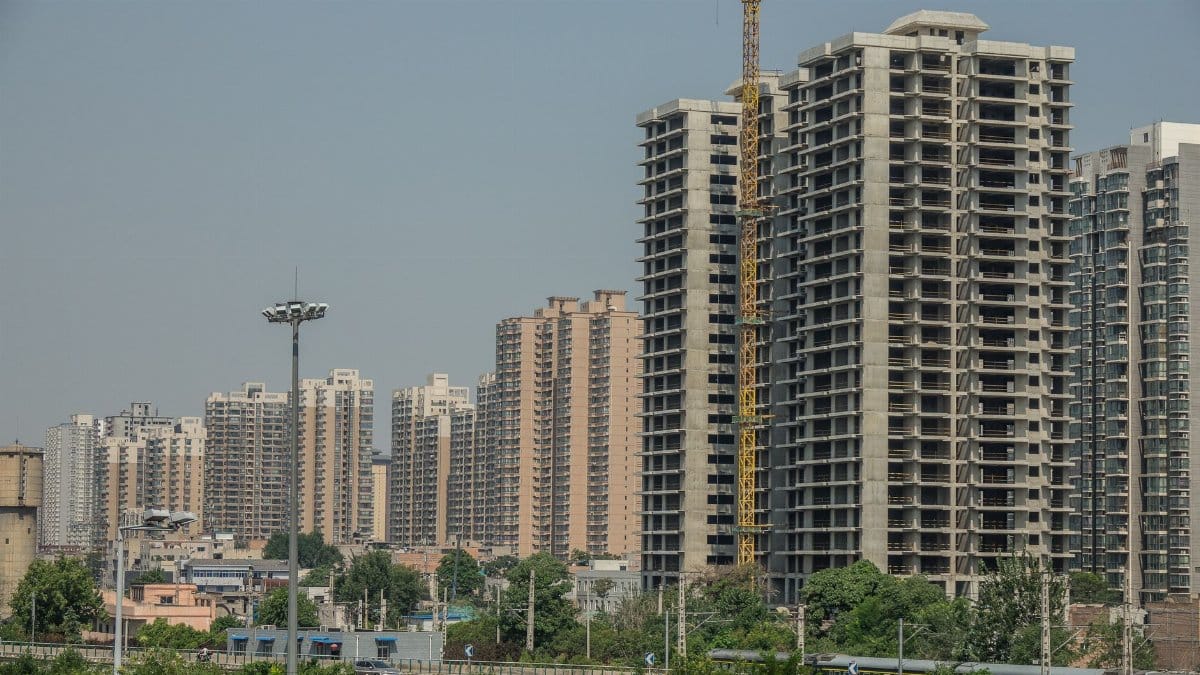
Local governments are not blind to the shortage. Master planned communities continue to rise on former dairy land and desert edges. Some downtowns court apartments near stations. State rules have pushed cities to plan for more homes, including housing that lower income households can actually lease. The gap between a zoning map and a finished building remains wide. Infrastructure, insurance, construction costs, and neighborhood opposition all slow the work.
Builders say the inland region is still one of the few parts of Southern California where new for sale houses appear in meaningful numbers. That supply matters. It is also aimed, more often than not, at the buyer who can qualify today, not at the warehouse worker whose rent just jumped. Without a deeper mix of price points, new rooftops can raise the profile of a city without housing the people who already live there.
Equity, exits, and the neighbors who cash out

Rising values are not only a burden. Longtime owners have equity they did not expect. Some use it to help children with down payments. Some sell and leave California entirely, trading a paid off house in San Bernardino for a cheaper market in another state. Those sales can free a listing. They can also remove a neighbor who knew the block, coached a team, or watched a porch for a traveling nurse.
The politics of that turnover are delicate. A homeowner who waited decades for appreciation does not experience a hot market as a crisis. A renter next door does. City councils sit between them, praised for growth and blamed for displacement in the same public comment period. Inland Empire home prices, in that room, are not a single story. They are a transfer of advantage from those who bought earlier to those who must buy now.
Anxiety that does not show up in a median
Medians flatten what people actually feel. A number can rise a few percent and still reorder a family. Couples delay children because a second bedroom is out of reach. Adult children stay in childhood rooms well into their thirties. Grandparents move in not only for culture or care but because one mortgage is the only mortgage the family can carry. Pastors and school counselors hear the money worry before real estate agents do.
The fear is specific. It is the fear of bidding against a buyer who sold in Irvine. It is the fear that a rate lock will expire. It is the fear that a job in logistics, sturdy until a contract shifts, will not cover a payment set at the peak of someone else’s equity. People do not need a lecture about supply and demand to recognize that feeling. They need a market in which a ordinary wage can still buy a ordinary home within a bearable drive.
What coastal money changes on the ground

New residents bring spending, volunteers, and sometimes a sharper eye for schools and parks. They also bid up the houses that used to turn over among local families. Coffee shops and youth sports fill in. So do complaints about traffic that the newcomers did not invent but did intensify. Old timers resent being treated as a backup plan for the coast. Newcomers resent being treated as invaders for doing what the price sheet invited them to do.
Neither caricature is useful. Most people in both groups are trying to keep a household together in a state where housing has been scarce for decades. The fairer question is whether inland cities can capture the tax base of higher values and spend it on the services strained by growth: roads, water, classrooms, and transit that makes the commute less brutal. Without that reinvestment, higher prices buy nicer listings and worse daily life.
Signals worth watching this year

Several gauges will tell whether the squeeze eases or hardens. Active listings, not just closed sales, show whether owners are willing to move. Days on market show whether coastal cash still sets the pace. Rent trends show whether tenants are getting any relief while they wait. Building permits show whether cities are adding homes or only talking about them. The Census Bureau’s housing tables, posted at census.gov, remain a sober check on local anecdotes.
Readers should treat any single month with care. A holiday slowdown is not a crash. A spring rush is not a permanent new plateau. What has lasted is the shift in expectation. People who once assumed the inland counties would stay a step behind the coast now shop as if that step has shrunk to a crack in the sidewalk.
A bargain that has to be rebuilt, not remembered

Memory is a poor guide to this market. The house a cousin bought in 2014 is not the house on offer now, even on the same street. Advice that begins and ends with leaving the coast misses the people who were already here. Advice that scolds new buyers for seeking space misses the failure of coastal cities to house their own workers. Both errors make Inland Empire home prices sound like a morality play. They are closer to a regional budget, and the budget no longer balances for a large share of residents.
There is still a case for hope, and it is practical rather than nostalgic. More homes at more price levels, wage growth that is not confined to a few professional niches, and commutes that do not swallow the savings from a lower sticker price would restore a version of the old bargain. Until then, the line outside the model home will keep forming early. Some people in it will celebrate a set of keys. Others will drive home to a rental and recalculate, again, whether the inland promise still includes them.
How households are adapting without pretending it is fine

Adaptation is already underway, and it is uneven. Some families buy smaller and older, trading granite counters for a payment they can sleep through. Some take on accessory units, officially or quietly, to offset the loan. Some leave for Arizona, Nevada, or Texas and accept that grandparents will see the children on holidays. Some stay and organize, pushing councils for apartments near jobs rather than only for houses at the urban edge.
None of those choices is glamorous. Together they describe a region that has joined the coastal affordability crisis instead of offering a clean exit from it. Inland Empire home prices will keep drawing outsiders for as long as they undercut the beach counties. The civic test is whether that gap can remain wide enough for the cashier, the technician, and the new teacher, not only for the household arriving with a paid off bungalow in the rearview mirror. If the gap closes from below, the inland counties will have imported the anxiety and exported the people who made the place livable in the first place.