
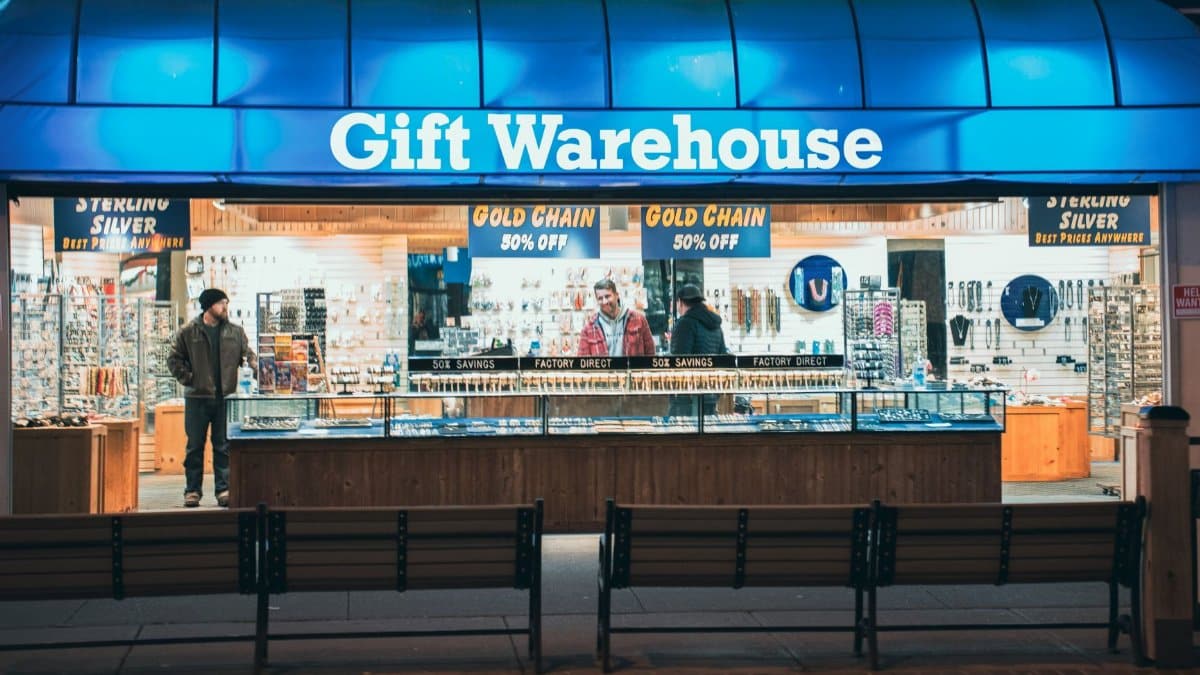
On a bright afternoon the sidewalks of Clement Street fill with people carrying produce bags, pharmacy receipts, and paper cups of coffee. Between the bakeries and the hardware counters, a proposal for a new gift shop has become the subject everyone seems to know by name. Therapy Stores Clement Street is no longer only a lease application. It is a test of whether a beloved shopping strip can absorb a chain without losing the particular mix that drew people here in the first place. The argument is local, but the question underneath it is familiar to any city that still has a street where independent counters outnumber logos.
A street that still feels assembled by hand
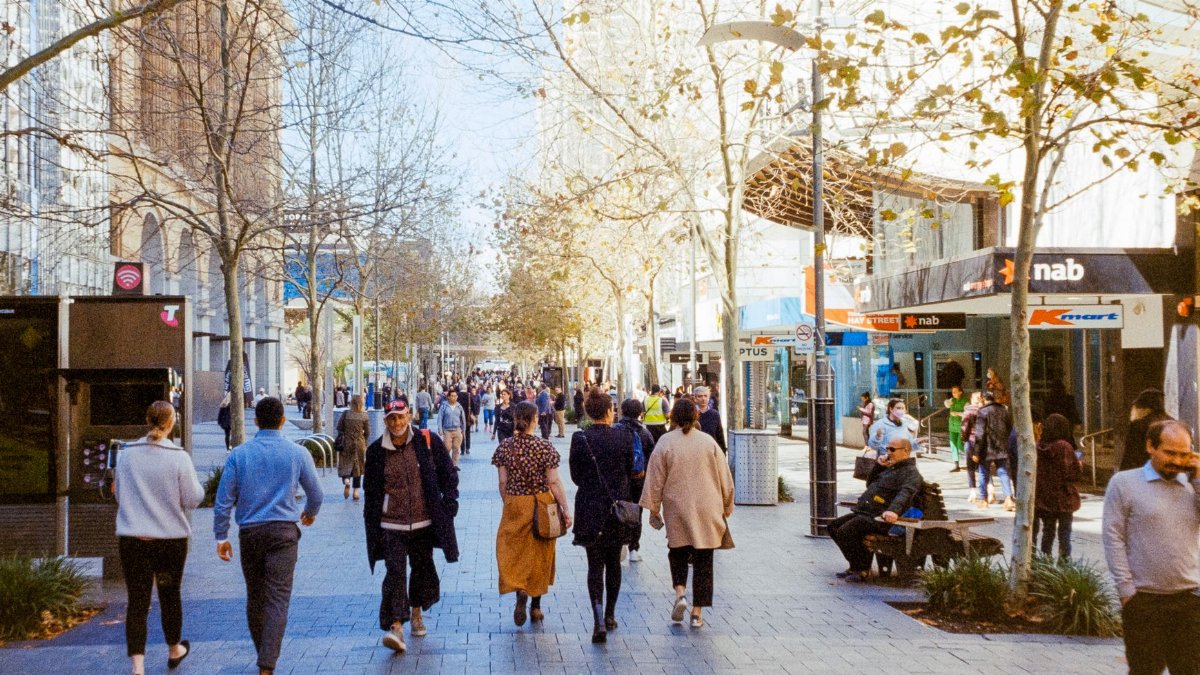
Clement Street in the Inner Richmond has long functioned as a practical main street rather than a destination mall. Dim sum rooms sit near stationery shops. Produce markets spill onto the pavement. Hardware, optometry, and small restaurants share blocks with places that sell incense, tea, and gifts for holidays that do not always match the national calendar. Residents talk about the corridor as a place they use several times a week, not as a brand they visit once a season.
That everyday quality is part of why a chain gift store feels, to some neighbors, like a category error. The shops that define the street tend to be specific: a family menu, a buyer with a point of view, an owner who knows which aisle holds the replacement part. A formula, even a charming one, reads as something imported. People who have walked these blocks for decades can name the businesses that survived recessions, ownership changes, and the long quiet months when office workers stopped crossing the city for lunch. They can also name the ones that did not. Memory, on this street, is a form of evidence.
What the city means by formula retail
San Francisco treats certain chain stores as a land use question, not merely a business decision. Under the planning code, formula retail generally describes a business with a substantial number of locations and standardized features such as merchandise, decor, or signage. In many neighborhood commercial districts, opening that kind of store requires a conditional use authorization. Planners and commissioners are asked to weigh whether the use is necessary or desirable, whether it will displace neighborhood serving businesses, and whether it fits the character of the street.
The process is public. Neighbors may write letters. Merchants may testify. A single storefront can become a proxy for anxieties about rent, vacancy, and the slow replacement of peculiar shops by concepts that could sit just as easily in another city. The file that neighbors shorthand as Therapy Stores Clement Street sits inside that larger rule. The rule exists because the city learned, over years of fights on other corridors, that waiting until after a lease is signed is often too late to protect a district that still has a distinct face.
The appeal of a polished gift shop

Therapy Stores sells the kind of goods that fill birthdays and hostess visits: cards, small objects, stationery, items meant to be given rather than used up. Supporters of the Clement Street plan argue that a well run gift shop can fill a gap, draw foot traffic, and occupy a space that might otherwise sit dark. They note that chains are not automatically extractive. A careful operator pays rent, hires locally, and keeps lights on after smaller tenants have given up.
For some merchants, the enemy is not a logo. It is an empty window. A corridor with too many vacancies loses the habit of walking. If people stop coming for one errand, the bakery and the pharmacy feel it too. In that telling, Therapy Stores Clement Street is a tenant with a business plan, not an invader with a blueprint for erasing the block. A polished interior, reliable hours, and a buyer who restocks before the shelves look tired can be a civic good, even if the concept was born somewhere else. Neighbors who work long shifts do not always have time to romanticize inconvenience.
The case against a template

Opponents answer that survival is not the same as character. They worry that once a formula retailer clears the political hurdle, the next application becomes easier to justify. Clement Street, they say, works because it is slightly inconvenient and highly particular. A national or international gift concept can outspend independents on rent, design, and marketing. Even if the first store is polite, the precedent is not.
There is also a softer objection, harder to write into a finding of fact. People who live nearby often describe shopping here as a small ritual: the same cashier, the same seasonal display, the sense that the block still belongs to the people who use it. A chain can be friendly and still feel interchangeable. For a street that includes temples, churches, and family altars in apartment kitchens a few blocks away, that sense of belonging is not trivial. It is how a neighborhood keeps faith with itself. Commerce and devotion are not the same thing, but on Clement Street they share a sidewalk, and both depend on the feeling that the place has not been standardized out of recognition.
Merchants who do not speak with one voice

The most important fact in the fight is the split itself. Clement Street is not a united front against outside capital, nor a welcome committee for any paying tenant. Some owners fear higher rents if a chain proves the block can support premium sales per square foot. Others fear the opposite: that resistance to new concepts will leave landlords with fewer serious offers.
Those positions cut across cuisine, tenure, and politics. A restaurant owner worried about lunch traffic may welcome any store that puts people on the sidewalk in the middle of the afternoon. A gift seller two doors down may see direct competition dressed up as neighborhood revitalization. The phrase Therapy Stores Clement Street now functions as shorthand for that disagreement, spoken with irritation in one shop and with cautious hope in the next. Anyone looking for a single merchant voice will not find one, and that absence is itself a kind of local truth.
Rent, vacancy, and the quiet pressure
Commercial rent in San Francisco remains a blunt instrument. Even after the shocks of the pandemic years, desirable blocks did not become cheap in any lasting way. Landlords with loans to service cannot treat sentiment as a business model. When an independent tenant leaves, the replacement is whoever can sign, insure, and build out. Formula retailers are built for that moment. They have architects, counsel, and a playbook for conditional use hearings.
Independents rarely do. Their advantage is knowledge of the block, not fluency in planning code. That imbalance shapes who shows up prepared, and it shapes how a controversy looks from the outside: a slick applicant against a scattered set of neighbors, or a reasonable tenant against a nostalgic veto. Both pictures are incomplete. A fair account has to hold two facts at once. Vacancy hurts a street. So does a slow conversion of every distinctive frontage into a concept that could be photographed in any downtown and labeled with the same caption.
What commissioners are actually asked to decide

A conditional use hearing is not a referendum on taste. Commissioners look at the district, the existing mix of uses, the size of the space, and the likely effect on nearby businesses. They can approve, deny, or approve with conditions. Conditions might limit signage, hours, or the share of the floor devoted to a particular kind of goods. They cannot easily legislate charm.
That limitation frustrates both sides. Supporters want a clear path for a legal business. Opponents want the city to protect a streetscape that zoning language only partly describes. Character is real, and also difficult to measure. A staff report can count stores. It cannot count the feeling of a Saturday morning when the sidewalk is crowded for reasons no marketing plan quite explains. The hearing still matters, because it forces the tradeoffs into the open, where neighbors can challenge assumptions instead of discovering a new logo one morning behind papered windows.
Lessons from other San Francisco corridors

Other neighborhood commercial streets have already lived this argument. In some districts a chain coffee shop or apparel store arrived and the block did not collapse. In others, a run of familiar logos changed who felt welcome and which independent leases were renewed. The record is mixed because streets are mixed. A formula retailer on a wide arterial with big floor plates is not the same proposal as a gift shop tucked into a narrow Clement Street frontage beside a produce market.
That distinction matters. Blanket praise for independents can ignore shops that are tired, understocked, or closed several days a week. Blanket faith in chains can ignore how quickly a street starts to look curated by the same landlords and the same national brokers. Commissioners are supposed to look at the actual space, not at a morality play. Clement Street deserves that specificity. It is not Union Square, and it is not a suburban power center. It is a walkable strip where a wrong bet shows up in the grocery line the next week.
Foot traffic is not a moral category

Much of the argument turns on foot traffic, as if bodies on a sidewalk were a verdict. More people walking can help a grocer and hurt a specialist if those people are shopping a different list. A gift chain may pull visitors who would not otherwise come to the Inner Richmond, or it may simply rearrange spending that already happens on Clement Street. Nobody in a hearing room can know that in advance with certainty.
What neighbors can know is their own pattern. They know which shops they would miss if the rent jumped. They know which vacant fronts make the walk feel thinner. Honest testimony sounds like that: specific, limited, unwilling to pretend that one lease will save or doom an entire corridor. The city is better served by that kind of witness than by slogans about either purity or progress. A street survives on repeat visits, and repeat visits depend on whether people still recognize the place as theirs.
A fight that will outlast one storefront

Whatever the city decides, the split among merchants will remain. Approval would put a chain gift shop into a street that has resisted looking like everywhere else. Denial would tell landlords and future applicants that formula retail still faces a high bar on this corridor. Either outcome will be cited the next time a recognizable name seeks a Clement Street address.
Therapy Stores Clement Street, as a phrase, already means more than a retailer and a map pin. It means a neighborhood arguing, in public, about how much sameness it can absorb before the walk to the market stops feeling like home. That argument is healthier than silence. It is also unfinished, because cities do not settle character in a single hearing. They settle it, slowly, in who can afford to stay, who is invited in, and what the sidewalk looks like on an ordinary afternoon when nobody is testifying at all.