
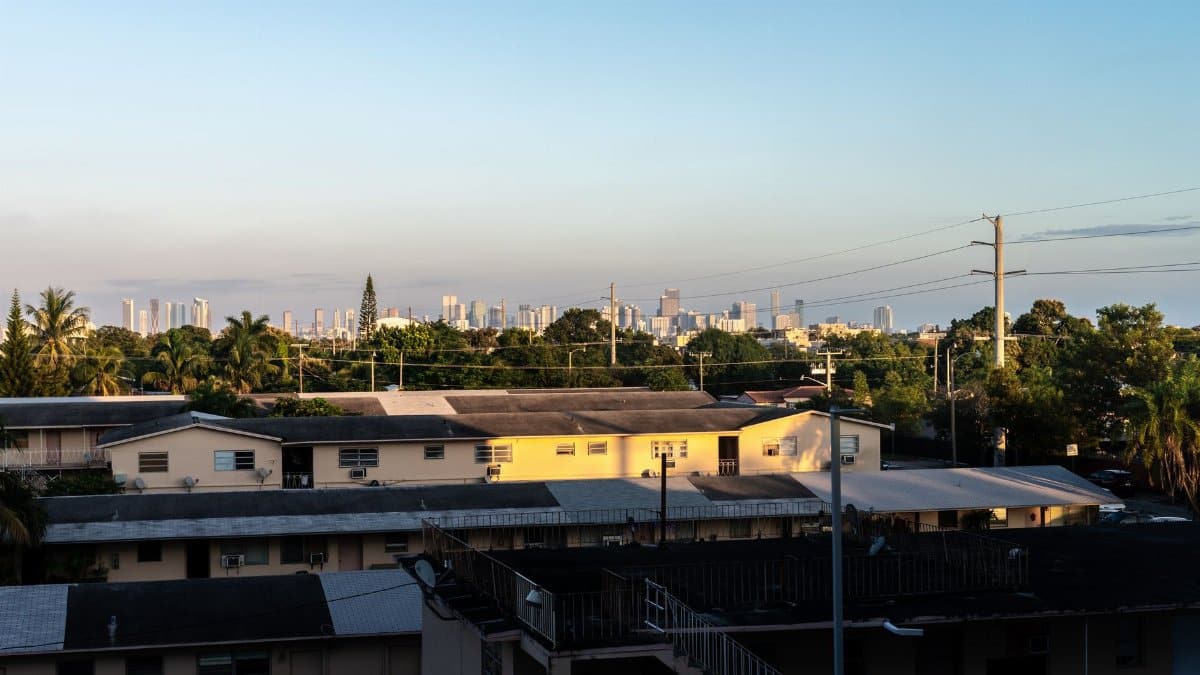
On a bright weekday along Coral Way, espresso steam rises from a sidewalk counter while a crane turns above a glass tower and a grocery facade waits for a new logo. That jumble is why the phrase Miami coffee condos Aldi now shows up in business talk as a compact picture of the city: a drink culture with national bragging rights, a condo market that sells names as well as square footage, and a discount grocer moving into a space residents already know. None of these stories is new on its own. Together they describe how Miami keeps rewriting ordinary blocks faster than many people can update their routines.
A ranking that flatters a daily habit

Miami has long treated coffee as more than a commute drink. Cafes function as offices, dating rooms, and informal civic halls. When WalletHub placed the city among strong markets for coffee lovers, the finding landed less as a surprise than as a receipt for a habit already visible on the sidewalk. The comparison, published among WalletHub city rankings for coffee lovers, looks at price, access, and the sheer number of places to sit with a cup. Residents do not need a spreadsheet to recognize the pattern. They see it in lines that form before office lights come on, and in the way a new roast can draw a crowd as quickly as a new restaurant.
A ranking is a snapshot, not a soul. It cannot tell you whether the barista knows the regular who takes milk on the side, or whether the shop survives August when tourists thin out. Still, the attention matters. Once a city is labeled a coffee town, landlords, franchises, and independent roasters all hear a signal. Some open. Some raise prices. Some discover that reputation alone does not pay the rent.
Why the cup became a status signal

Coffee in Miami is also a class marker, though not only a luxury one. A modest pour and a costly tasting can exist on the same street. The point is choice. Corridors heavy with tourism lean on recognizable brands. Residential stretches lean on independent roasters who know regulars by order, not by nameplate. That split shows the drink economy is not a single market. It is a stack of markets, from convenience to craft, and each one pulls wages, rent, and foot traffic in a slightly different direction.
There is a ritual quality to the morning cup that business pages rarely linger on, even when the category of the news is trend as much as trade. People return to the same stool because the hour feels like theirs before the day claims it. That attachment is easy to romanticize and easy to price. A shop that becomes a meeting place can also become a reason the corner lease resets higher next year. Affection and economics share the counter.
Condos that arrive with a famous name attached
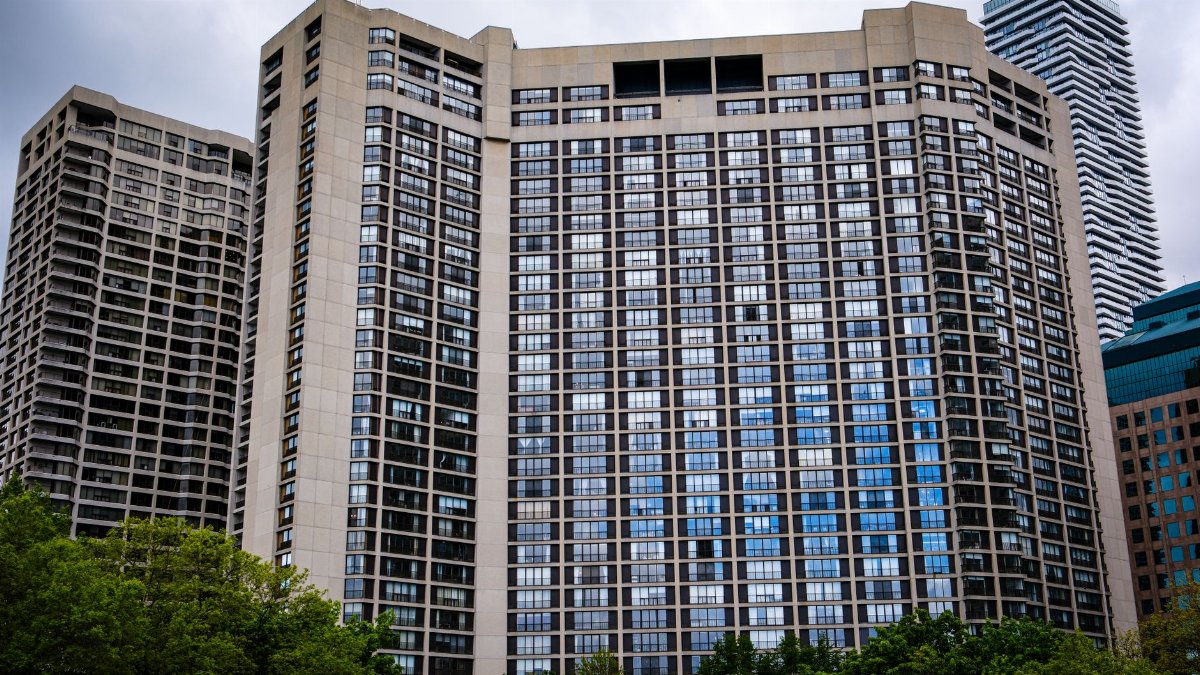
The condo side of the story is louder. Branded residences, including projects tied to the Bugatti name in local business coverage, sell more than a floor plan. They sell a story about speed, design, and arrival. Buyers in this tier often weigh Miami against other global cities, not against the apartment they rented five years ago. A famous badge can shorten the time it takes a project to become recognizable in a crowded skyline. It does not, by itself, guarantee that a building will feel like a neighborhood once the construction fence comes down.
Local desks have treated these unveilings as business news because the money and the marketing are both real, even when the lived experience is still a rendering. The Miami Herald has tracked that luxury thread alongside more mundane commercial shifts, a pairing that keeps the glamour from floating free of the street. A name on a tower is a sales tool. A name in a headline is a reminder that someone expects the public to care.
What a tower changes at street level
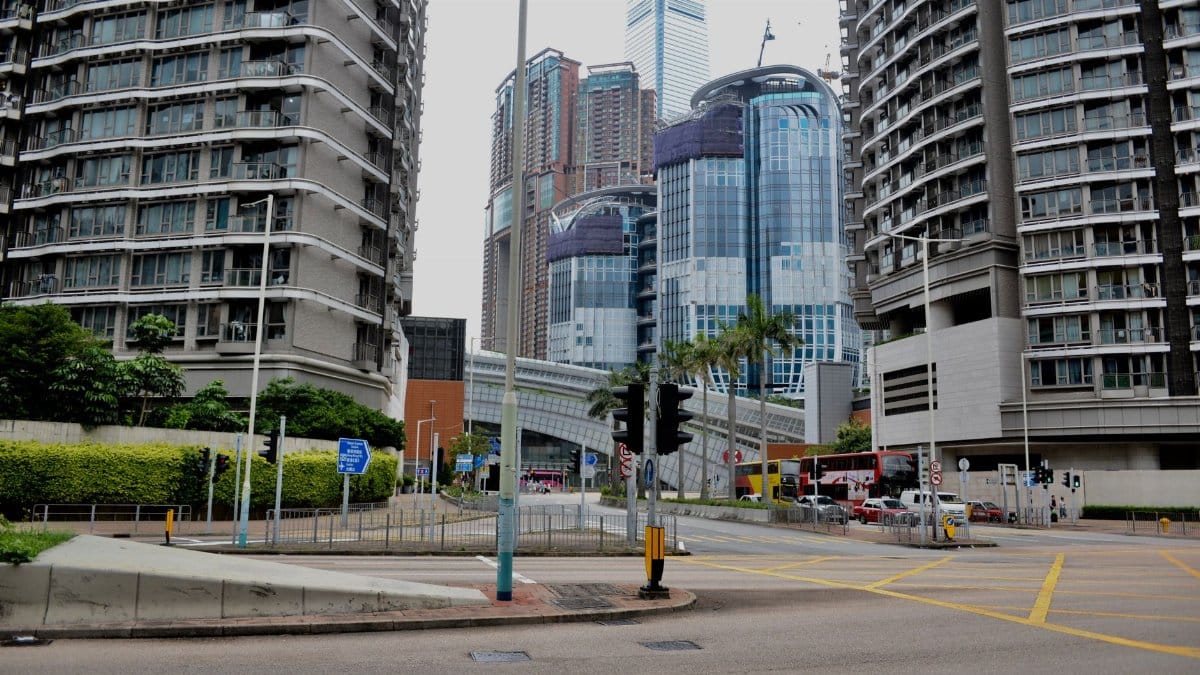
A new tower changes more than the skyline. It changes who walks to the cafe in the early morning, which languages fill the lobby, and whether the corner grocer sees more weeknight baskets or more weekend visitors. Condo sales earn headlines because the figures are large. The quieter effect is circulation. More full time residents can support a coffee counter that might otherwise depend on tourists. More absentee owners can leave a block polished and oddly quiet. Miami has both patterns, sometimes in the same zip code, which is why blanket claims about the condo boom rarely survive a walk around the block.
Insurance costs, assessments, and the long wait for a certificate of occupancy sit underneath the brochure. Those details rarely make the rendering, yet they decide whether a purchase is a home or a wager. Neighbors feel the construction first: the dust, the diverted traffic, the sudden appearance of a sales gallery with cold water and a scale model. By the time the first residents collect keys, the block has already rehearsed the change for months.
The Coral Way supermarket swap

Then there is the grocery plot, which may matter more to daily life than any penthouse unveiling. An Aldi conversion of an existing supermarket, the Coral Way swap described in Miami Herald business coverage, is a different species of change. It does not add height. It changes the price architecture inside a box people already visit. Discount grocers win on a tight selection, private labels, and a promise that the basket will cost less than it did under the previous operator. For households squeezed by insurance, rent, and storm season expenses, that promise is not a lifestyle flourish. It is arithmetic.
Conversions of this kind ask shoppers to relearn a room they thought they knew. Aisles move. Brands disappear. The quarter for a cart, the speed of the checkout, the absence of a familiar service counter: small frictions accumulate into a verdict. Some shoppers will cheer the lower total. Others will drive farther for the item the new store does not carry. Both reactions are rational. A supermarket is a public utility wearing a private logo.
Three tempos on one corridor

A single corridor can host a slow coffee ritual, a fast luxury sale, and a grocery reset that asks people to learn a new layout. Put those tempos together and the phrase Miami coffee condos Aldi stops sounding like a search accident. It sounds like a field note. The cafe wants you to linger. The condo gallery wants you to imagine a future. The discount aisle wants you to finish the list and leave. Cities are built from these conflicting invitations, and Coral Way happens to display them within a short drive of one another.
The temptation is to declare a winner. Luxury is winning, or thrift is winning, or the coffee culture is the real civic glue. The more accurate picture is overlap. A worker who stocks the new grocery may also buy a coffee on the way home and may never set foot in the branded lobby. A buyer who closes on a high floor may still want cheap olive oil. Markets do not sort people as neatly as headlines do.
Who feels the shift first

The people who feel a supermarket swap first are not the buyers flying in for a closing. They are shift workers, parents packing school lunches, and older residents who map the week by which day the old circular used to arrive. A new operator can be welcome if prices fall and the produce holds up. It can also be jarring if familiar brands vanish and the bus stop conversation has to relearn the store. Reporting on the Aldi move is useful because it treats that adjustment as news, not as a footnote to the luxury towers a few minutes away.
Coffee shops feel a different kind of first wave. A tower under construction brings hard hats at dawn and, later, residents with different hours and different expectations about noise, seating, and price. Some independents thrive on the new weekday trade. Others find that higher nearby rents arrive before the new customers do. The lag between a groundbreaking and a stable crowd is where small businesses either adapt or fold, usually without a press release.
Reading the boom without the brochure voice

These threads do not prove a single thesis about the soul of Miami. WalletHub can rank a coffee scene and still miss the cafe that matters to one block. A branded residence can sell on curiosity and still face the same insurance questions as any other tower. An Aldi can lower a grocery bill and still leave gaps for shoppers who needed a pharmacy counter or a specific brand. The honest read is narrower. Miami is very good at stacking unlike businesses into the same visual field, then asking residents to call the result normal.
Journalism should resist the brochure voice even when the subject is glamorous. A rendering is an advertisement. A ranking is a model with choices baked into the weights. A conversion announcement is a corporate plan, not yet a lived aisle. Readers deserve all three treated as claims to be checked against the block, not as destiny. The city is persuasive enough without extra varnish.
A note from an ordinary stop

I walked a similar stretch of Coral Way years ago and remember the grocery as a practical stop, not a symbol. The coffee was incidental, something grabbed because the light was long and the next appointment was not. Seeing those ordinary stops recast as business narratives is a little disarming. It is also fair. The ordinary stops are where the city either remains usable or becomes a backdrop for other people’s investments. Nostalgia is a poor planning tool, but memory is a decent check on hype.
What to watch in the next season

Watch the coffee shops nearest new condo lobbies and see whether they gain weekday regulars or only event traffic. Watch whether the Aldi conversion settles into a routine or keeps drawing comment because the old store’s habits die hard. Watch whether business desks keep filing these items as separate briefs or begin to treat them, as the cluster Miami coffee condos Aldi suggests, as one story about a neighborhood being repriced from several directions at once.
Also watch the unglamorous indicators: cart totals, commercial vacancies on the side streets, bus ridership to the grocery, and whether cafe hours expand or shrink after the first season of novelty. Those measures will not trend on social media. They will tell you whether the mix is durable. A city can absorb a famous tower and a new grocer in the same year. The question is what the year after looks like for people who never attended the opening.
The civic question underneath the commerce

A city can celebrate being a coffee destination and still fail the resident who needs milk and eggs without a car. It can cheer a famous residence and still owe the block a street that works after the sales office closes. The useful question is not which headline is more glamorous. It is whether the mix leaves room for people who live here on ordinary incomes. On that test, a supermarket conversion may be the most consequential item in the set, even if it never earns a rendering with a sunset behind it.
Spiritual language is the wrong register for a lease and a closing, yet the underlying hunger is familiar: a wish for a place that feels like it still belongs to the people who use it every day. Ritual, shelter, and bread are old needs. Miami is meeting them with espresso bars, branded towers, and discount aisles. The forms are contemporary. The stakes are not.
Keeping the record straight

For readers who want the paper trail, the coffee comparison lives in WalletHub’s public city rankings, and the condo and grocery items have been carried in Miami Herald business reporting on the Coral Way supermarket account. This is not a forecast of prices and not a verdict on any developer. It is a note that the three subjects keep arriving in the same news cycle because the growth story is no longer only about towers. It is also about what people drink, where they sleep, and what they can afford to put in a cart. That is the practical meaning of Miami coffee condos Aldi, stripped of slogan and left as a description of a city in motion.