
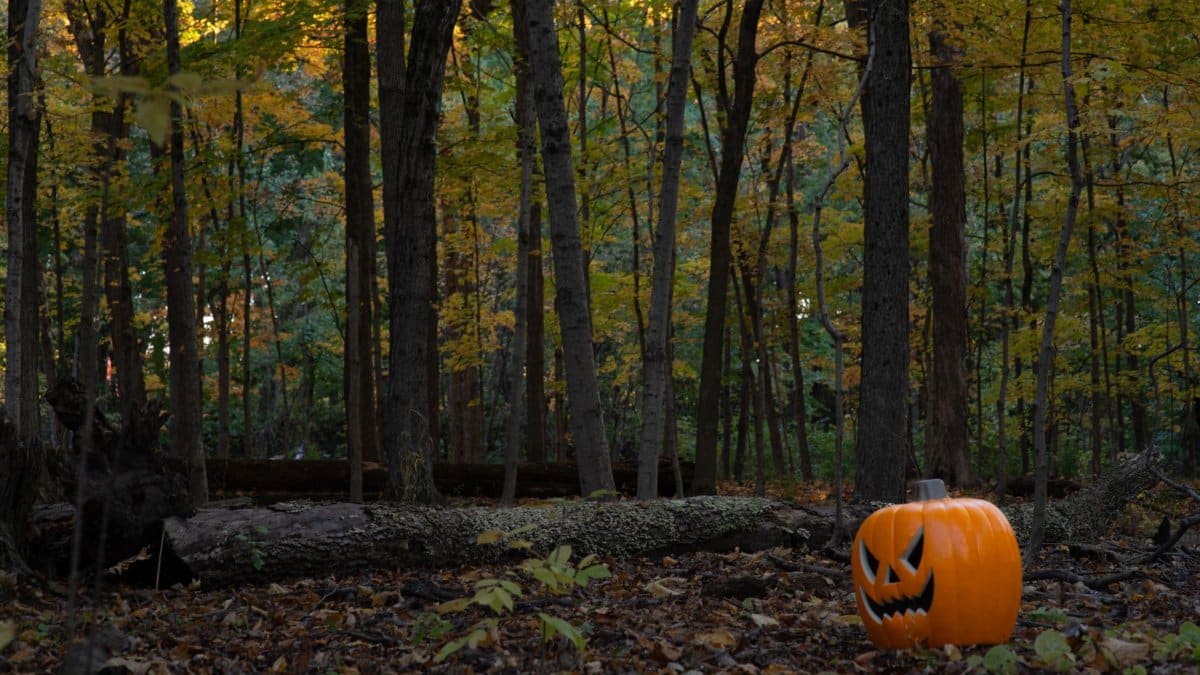
On a warm September afternoon along the Schuylkill, the river path still looks like late summer. Sycamores hold their green. A first red leaf on a black gum is easy to miss if you are watching cyclists instead of branches. People in Philadelphia have started asking the seasonal question anyway, because the trees have a way of becoming a civic calendar. Philly fall foliage 2026 is already turning up in group chats and weekend plans, and the early read from people who watch these cycles is oddly specific. Color could crest near Halloween, if September keeps its nerve and does not cook the pigments out of the canopy before they ever form.
A forecast that still has a month to change

Foliage forecasts are not like a storm track. They are a stack of conditions that have to arrive in the right order, and any one of them can rewrite the ending. Cool nights, bright days, enough rain to keep leaves attached, and a lack of early hard frost all matter. Right now the cautious expectation is a later show than the postcard version of October, with the richest reds and golds arriving as costumes come out of closets.
That timing is not a promise. It is a working theory built on how the region has behaved in recent warm autumns, when summer lingered and the maples took their time. Travelers who book a single Saturday in early October may find a city that is only beginning to turn. Those who can wait until the last week of the month, or the first days of November, may walk into the week everyone remembers.
September still holds the pen

Ask a forester what decides a good year and you will hear less about October than about the month before it. September sets the moisture in the soil and the stress in the leaf. A stretch of gentle rain and mild afternoons lets trees finish the season in good health. A sudden dry spell, or a run of nights that never cool, can mute the reds that visitors come to see.
Anthocyanins, the pigments behind scarlet and burgundy, form when sugars build up in leaves under sunny days and chilly nights. If nights stay warm, that chemistry slows. If drought bites too hard, leaves brown and drop before the color has a chance to read as color at all. The phrase experts keep returning to is simple: September weather will decide whether the year is late and spectacular, or merely late.
What a Halloween peak would actually look like

A peak is not a single afternoon when every tree agrees. In a city as varied as this one, it is a rolling front. Street trees in South Philadelphia and along busy avenues often turn and shed earlier than the deeper woods of the Wissahickon. River bottoms stay green longer. A north facing slope can look a week behind a slope that takes the afternoon sun.
If the crest lands around Halloween, expect a patchwork rather than a uniform blaze. Sugar maples and red maples should be the stars if the nights cooperate. Tulip poplars go gold and then go bare with little ceremony. Oaks tend to rust and brown, and they hold on, which means a walk in early November can still feel full even after the famous reds have passed. For Philly fall foliage 2026, the practical advice is to think in neighborhoods and elevations, not in one magic weekend for the whole region.
Parks that usually carry the show
Fairmount Park remains the easiest large canvas, especially where the drives and trails rise above the river and the canopy closes overhead. The Wissahickon, with its gorge and its mix of hardwoods, rewards anyone willing to leave the widest paths. On a clear late October morning the stone and the water make the yellows look louder than they are.
Farther out, the same weather pattern that colors the city colors the ring of public land around it. Ridley Creek, Tyler, and the hills toward Valley Forge often hold color a little longer than center city streets, because the woods are deeper and the pavement is farther away. Morris Arboretum and Longwood give a more curated version of the same season, useful if you want labeled trees and a shorter walk. None of these places needs a perfect year to be worth the trip. A good year simply makes the ordinary routes feel briefly unfamiliar.
Why warm years keep sliding later

The pattern is not a mystery, even if the exact weekend remains one. Longer warm seasons push the chemical shutdown of chlorophyll into late October. Leaves stay green because the tree has not yet received a strong signal to stop feeding them. When that signal finally arrives as a string of cool nights, the change can be fast, which is why a dull third week of October can still become a memorable first week of November.
There is a cost to that delay. Leaves that hang into a warmer fall are more exposed to storms, to sudden wind, and to fungi that spot and curl them. A spectacular year needs the delay without the damage. That is the narrow path Philly fall foliage 2026 is walking. Too much heat and the reds never deepen. One violent rain and the branches are bare on the morning everyone circled on a calendar.
How to read the color without a gimmick

The useful habit is local and a little dull. Watch one tree you already know, the same maple on the same corner, and note when it begins to pale. Compare it with a tree in a park a few miles away. If the street tree is turning and the woods are not, you are early. If both are halfway there, you are inside the window, even if a tourism map still says next week.
Guides that paint whole states in a single shade are rough instruments. They cannot see a frost pocket or a dry ridge. They also cannot see the difference between a healthy red maple and one that has been thirsty since August. Use them to choose a region and a week. Use your own eyes, and a walk you can repeat, to choose the day.
What visitors should plan around
If you are coming from out of town, build slack into the dates. A Friday arrival and a Monday departure covers more of a moving peak than a single packed Saturday. Mornings after a clear night usually photograph better than bright middays, when the canopy flattens into one tone. After rain, wait for the paths to firm up. The Wissahickon in mud is a different outing than the Wissahickon in color.
Transit and traffic deserve the same honesty as the leaves. Popular lots fill when the forecast finally says go. A walk reached by regional rail, or a loop that starts before nine, saves the hour you would rather spend under branches. Pack for a swing of twenty degrees between dawn and afternoon. Late October in this region can feel like two seasons before lunch.
A city that treats the season as a shared appointment

There is a reason the question spreads so early. Philadelphia does not have a single mountain overlook that settles the matter. It has thousands of street trees, creek valleys, and campus quads, and people compare notes the way they compare notes on a parade route. Someone in Germantown reports gold. Someone in Fishtown says not yet. Both can be right on the same afternoon.
That scattered attention is part of the pleasure. You do not need a summit or a reservation to participate. You need a block you walk often enough to notice when it changes. For many residents, Philly fall foliage 2026 will be judged less by a regional map than by the tree outside a kitchen window and the one at the end of a commute. If those two turn well, the year will feel successful even if a famous overlook had an off week.
The risks that can still flatten the year

Drought remains the blunt instrument. Leaves that lack water do not blush. They scorch, curl, and fall in a brown litter that no forecast can romanticize. A very wet September brings a different problem, holding fungi on the leaf surface and weighing branches before pigment peaks. Wind is the thief that works in a single night. A strong frontal passage in the third week of October can end a promising year between dinner and breakfast.
Early hard frost is less common here than in the Poconos, but a surprise freeze can still nick the most tender color. None of this is reason to cancel a plan in August. It is reason to treat any Halloween prediction as a range, not a bell. The people who enjoy the season most are the ones who go twice, once while the change is incomplete and once when it is loud.
What to notice if you only have an hour
You do not need a full day in the woods to take the measure of the year. A loop through Rittenhouse or Fitler will not match the gorge, but the street trees there turn on a schedule you can learn. Bartram’s Garden puts color against the river in a way that feels larger than the acreage. A short climb above the Wissahickon, even if you turn around at the first good view, tells you whether the hills have committed.
Look at the ground as well as the crown. Fresh leaves on the path mean the show is moving. Leaves that are still supple and bright mean you are inside it. Leaves that are dull, spotted, and already crisp mean you are late for that species and should hunt the oaks and beeches, which keep their own slower clock. That small literacy is worth more than any single ranked list of viewpoints.
A season that asks for patience

There is a modest spiritual habit hiding in all of this, if you want one, and it does not require a doctrine. Waiting on trees is a practice in not forcing the week you wanted. The color arrives when the weather has finished its argument, not when a headline needs a date. People who walk the same path in September, again in October, and once more after the first cold night see a story that a single peak photo cannot hold.
If Philly fall foliage 2026 does crest near Halloween, the city will have a rare overlap of costume nights and true color, porch lights under branches that are finally doing their work. If September turns hot and dry, the overlap will be thinner, and the honest report will say so. Either way the assignment is the same. Go outside more than once. Let the month revise you. The leaves have never kept a cleaner calendar than the one the weather writes, and this year that writing is still unfinished.