
The windows of the Pennsylvania State House were shut against the late summer heat, and the men inside had already spent a season testing one another’s patience. On September 17, 1787, most of those still present put their names to a plan of government that none of them loved in full. Constitution Day 1787 is the phrase many readers now reach for when that signing comes around again, a compact way of naming both a calendar date and a civic argument that refuses to retire.
What the column is really marking
A “today in history” note can look slight on the page. A date, a sentence, a reminder that something happened. The September 17 entry earns more room than that, because the signing in Philadelphia did not close a debate. It opened one that legislatures, courts, pulpits, and kitchen tables have kept alive ever since. I have watched readers treat the anniversary as either sacred script or outdated relic. Both habits miss the harder fact. The document was a political bargain struck by flawed people under pressure, and it became the operating charter of a republic that still argues about what those bargains require.
The Tribune’s annual glance at the date sits in that tension. It recites the signing, then sets other events beside it. The effect is not to shrink the Constitution. It is to remind a broad audience that history does not arrive in a single lane. One September 17 can hold a constitutional signature, a battlefield, a diplomatic handshake, and the reopening of a stock exchange after national shock. Memory has to hold more than one picture at a time.
Inside the Assembly Room
Thirty nine delegates signed. Several notable figures had already left, some in protest. George Washington presided. James Madison kept the notes that later generations would treat as a window onto the bargaining. Benjamin Franklin, old and often carried into the room, urged colleagues toward doubt about their own certainty. His reported wish that the rising sun on the chair back might prove a rising rather than a setting sun has been quoted so often it can sound like decoration. In context it was a plea. Unity, he suggested, might matter more than any single man’s perfect text.
The text itself was not a sermon. It was a design for offices, elections, courts, and limits. It counted some human beings in fractions for representation and left slavery’s contradiction for a violent later reckoning. Honest commemoration has to say that plainly. Admiration that sands away the compromise is not history. Neither is contempt that pretends the framework of separated powers and enumerated rights has no continuing use. Middle aged readers who came of age during arguments over war powers, privacy, and voting rules already know the document is a living site of conflict, not a museum label.
From a signing day to a public holiday
The holiday Americans mark in mid September did not spring fully formed in 1787. Schools, civic clubs, and later federal recognition turned the anniversary into Constitution Day and Citizenship Day, a pairing that links the charter to the act of joining the political community. Naturalization ceremonies often fall near the date. New citizens recite an oath in courtrooms while older citizens, if they notice the day at all, may encounter it as a social media graphic or a short classroom exercise.
That uneven attention is part of the story. A republic can possess a foundational text and still treat it as background noise. The annual column exists partly to interrupt that noise. It says: this date is not only yours if you teach civics. It belongs on the same page as other public memories, which means it has to survive contact with readers who are busy, skeptical, or weary of patriotic performance.
A secular charter with a moral vocabulary
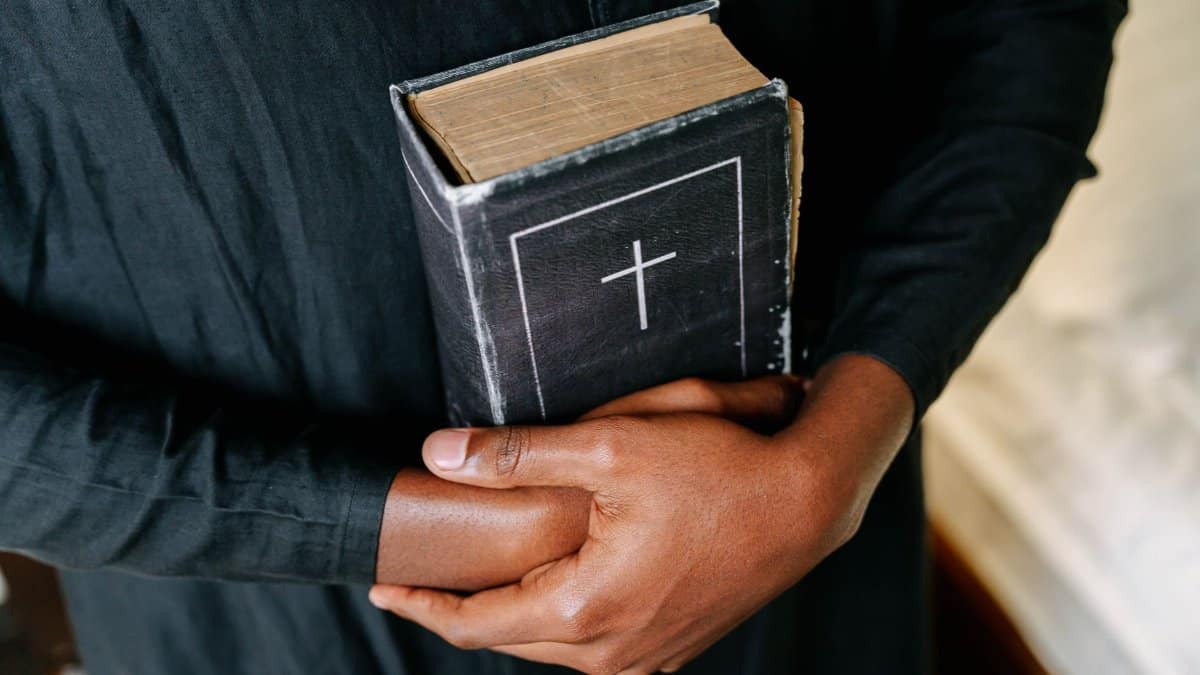
Readers who come to this subject through spiritual news may expect a hymn. They will not find one in Article I. The Constitution does not establish a church, does not name a creed, and forbids religious tests for federal office. That silence is itself a moral choice. It tells a religiously plural people that political membership does not depend on belonging to the right congregation.
Yet the surrounding culture has long spoken about the document in language borrowed from faith. Covenant. Promise. Blessing. Stewardship. Franklin’s doubt and Washington’s gravity lent themselves to that register. Congregations across traditions still host discussions on the anniversary, not because the text is scripture, but because conscience and citizenship keep colliding. What do people owe a government they did not personally sign? What does a government owe people it once excluded? Those questions have a legal face and a spiritual one. A serious column can acknowledge both without baptizing the Founders or pretending the First Amendment is a suggestion.
Other events that share the date

September 17, 1862, brought the Battle of Antietam, the bloodiest single day of the Civil War, a struggle that tested whether the union described in 1787 would survive its original sin. The Emancipation Proclamation followed in the political wake of that campaign. To place Antietam beside the signing is not to confuse the two events. It is to show how a constitution’s promises are sometimes enforced, and sometimes exposed, by violence the signers hoped to avoid.
On September 17, 1978, the Camp David Accords were signed, a diplomatic effort to cool a different conflict. On September 17, 2001, the New York Stock Exchange reopened after the attacks of September 11, a gesture of continuity under grief. None of these moments explains the Constitution. Together they illustrate why a daily history feature resists single theme simplicity. Public life is crowded. Anniversaries share a square on the calendar the way strangers share a train.
How classrooms and newsrooms handle the same facts

In many schools the day produces a reading of the Preamble and a worksheet on branches of government. That ritual has value. It also risks turning a fierce negotiation into a list of vocabulary words. Newsrooms face a related risk. Compress the signing into a sentence and readers learn the date without the dispute. Stretch it into folklore and they learn devotion without the dispute. The better practice, in a classroom or a column, is to hold the procedure and the argument together.
Procedure matters. How a bill becomes a law, how a court checks a president, how an amendment moves from proposal to ratification: these are not trivia. They are the machinery that lets disagreement stay inside politics rather than spill into private force. Argument matters just as much. The Federalist essays, the Anti Federalist warnings about distant power, later fights over the Bill of Rights, Reconstruction, and the expansion of the vote: each layer tells readers that interpretation is not a modern invention. It began before the ink dried.
The preamble as a public sentence
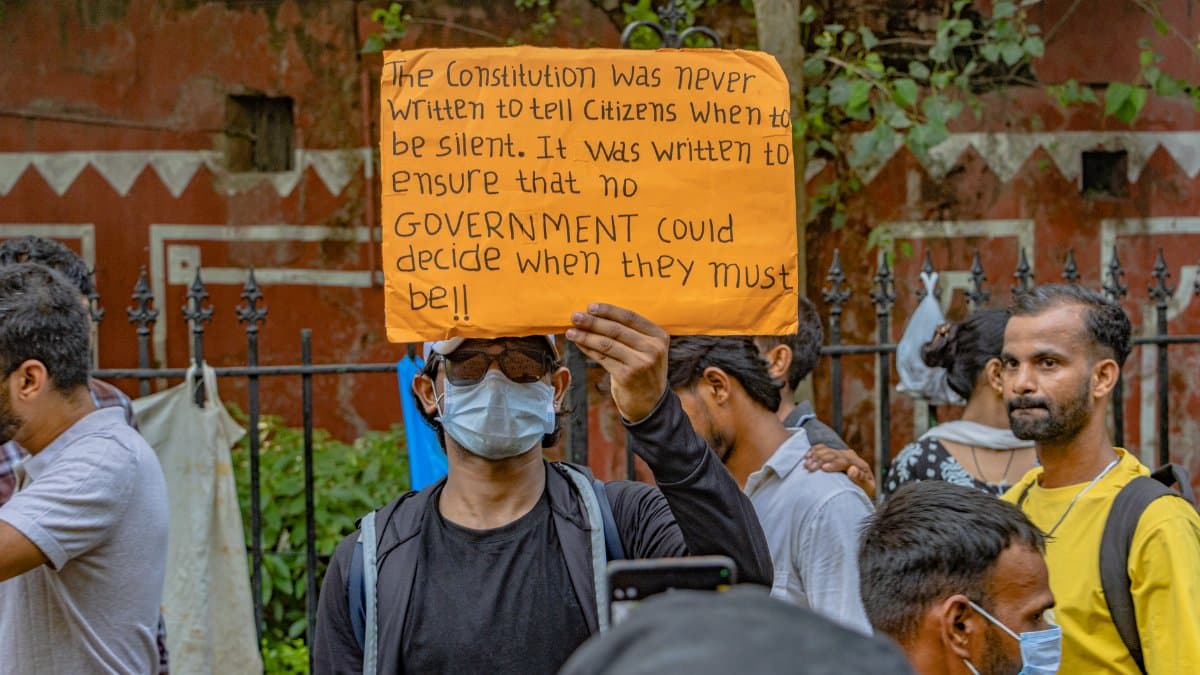
We the People is the most quoted opening in American political life, and also one of the most contested. Who counted as the people in 1787 was narrower than the phrase suggests. Who counts now is broader because later amendments and statutes dragged the phrase toward its own implication. That gap between wording and practice is where civic education either becomes honest or becomes advertising.
I find the sentence useful precisely because it is demanding. Ordain and establish are verbs of intention, not of automatic success. A more perfect union is a comparative, not a completion certificate. Domestic tranquility, common defense, general welfare, the blessings of liberty: each phrase has been used to justify policies that other citizens reject. The preamble does not settle those fights. It names the goods a fight is supposed to serve. On an anniversary, that is worth more than a slogan.
Rights, limits, and the habit of rereading

The Bill of Rights arrived after the signing, as a condition of broader support. Speech, religion, arms, searches, trials, reserved powers: the list is familiar enough that familiarity itself becomes a problem. People quote a clause when it protects them and narrow it when it protects someone they dislike. Constitution Day, if it does any work, should make that habit visible.
Rereading is a civic discipline, closer to examination of conscience than to trivia night. What does due process require when the accused is unpopular? What does free exercise mean when neighbors’ practices unsettle a town? What does equal protection mean after a court shifts? These are not abstract seminar prompts. They show up in school boards, immigration courts, and statehouses. A history column cannot brief every case. It can insist that the date is an invitation to look again, not a permission slip to stop looking.
Faith communities and a shared civic calendar

Houses of worship do not own Constitution Day, and they should not pretend to. Many of them do, however, sit at the intersection the holiday now names: belief, belonging, and the rules that keep belief from capturing the state. A sermon that treats the Constitution as divine writ misreads both theology and law. A sermon that ignores the day entirely may miss a chance to talk about neighbor love in institutional form. Fair courts, honest elections, and protection for minorities are not only legal designs. For many believers they are moral duties expressed through ordinary offices.
Interfaith observances around the anniversary often focus on religious freedom and on welcoming new citizens. That focus fits the text better than nostalgia does. The no establishment rule and the free exercise rule are a paired instruction: the state does not pick a winner among faiths, and it does not lightly crush practice. In a country as varied as this one, that pairing is not a small achievement. It is also not self executing. Congregations that celebrate the day might spend less time praising the past and more time asking how their own members treat people whose scriptures, or lack of scriptures, differ.
What disagreement looked like then and now

The Philadelphia debates were not genteel in the way costume drama sometimes suggests. Delegates threatened to walk. Regional interests hardened. Small states feared large ones. Slaveholding interests demanded protection. The result was a bundle of compromises, some of them shameful, some of them ingenious. Later generations amended what they could and litigated what they could not. The habit of structured disagreement is the part of the inheritance that still has to be practiced.
Contemporary politics makes that practice feel fragile. Cable argument rewards certainty. Social platforms reward speed. A constitution built for delay, filters, and divided authority can look obstructive to people who believe their cause is urgent. Sometimes obstruction is cowardice. Sometimes it is the point. Telling those apart requires more history than a headline and more humility than a thread. An anniversary column will not supply either in full. It can model the tone: specific, unsentimental, unwilling to flatten 1787 into a mascot.
Why a newspaper still prints the date

Print and digital calendars of history persist because readers want orientation. The world feels continuous and loud. A dated fact is a stake in the ground. On this stake the paper can hang a short account of Philadelphia and a few neighboring memories. The format is old. The need is not. People still ask what they are supposed to remember, and who gets to say.
There is a modest spiritual claim hidden in that newspaper habit, if spiritual means attention to meaning rather than doctrine. To pause on a date is to admit that time is not only a stream of updates. Some days carry obligations forward. September 17 carries an obligation to know the charter, to know its failures, and to know that citizenship is a practice. The column’s restraint, its refusal to turn every anniversary into a lecture, is part of the courtesy it offers. It trusts readers to finish the thought.
A reader’s way through the anniversary

No one needs a parade to mark the day, though some towns still hold them. A plausible private observance is simpler. Read the Preamble once without skipping. Read one article you think you already understand. Notice who is missing from the original signature page and who entered the political people later. If you belong to a congregation, ask how religious liberty is discussed when it protects a faith you do not share. If you do not, the same question applies in civic dress. Whose rights feel optional this year?
That line of questioning will not produce unanimity. It should not. The signers did not have it. What they produced, and what later amendments repaired and extended, was a way to keep arguing without dissolving the union every time the argument grew hot. Whether that way still holds is the live question behind every calm recitation of the date.
Holding the signing in ordinary time

Constitution Day 1787 returns each September whether the country feels proud, angry, or simply distracted. The Philadelphia signing remains the center of the observance: a specific room, a specific compromise, a specific list of names. Around it, the calendar keeps other stories, from Antietam to Camp David to a stock exchange opening its doors after an attack. A good history note lets those stories sit near one another without forcing them into one moral.
The lasting demand is quieter than ceremony. Learn the machinery. Admit the exclusions. Protect the liberties you would want if you were the unpopular party. Treat the charter as law, not as magic, and as a trust, not as a trophy. In that sense the anniversary belongs as much to spiritual reflection as to civics class. It asks what kind of people keep a promise they inherited and did not earn, and what they owe the neighbors who must live inside the same promise. The Tribune’s September 17 column, brief as the form requires, points back to that question every year the date comes due.