

On a clear October morning in Golden Gate Park, the grass still holds the night cool and the first listeners arrive with blankets folded under their arms, as if the lawn itself were a sanctuary. They do not buy tickets. They do not pass through velvet ropes. They simply walk in, the way people once walked toward a chapel bell. Into that long ritual comes news that has already moved through the city with unusual speed: Plant Hardly Strictly 2026, the confirmation that Robert Plant will stand on one of those open stages with his band Saving Grace. For a festival built on generosity rather than spectacle, the booking feels less like a coup than like an invitation to listen more closely.
A free gathering with the weight of a pilgrimage
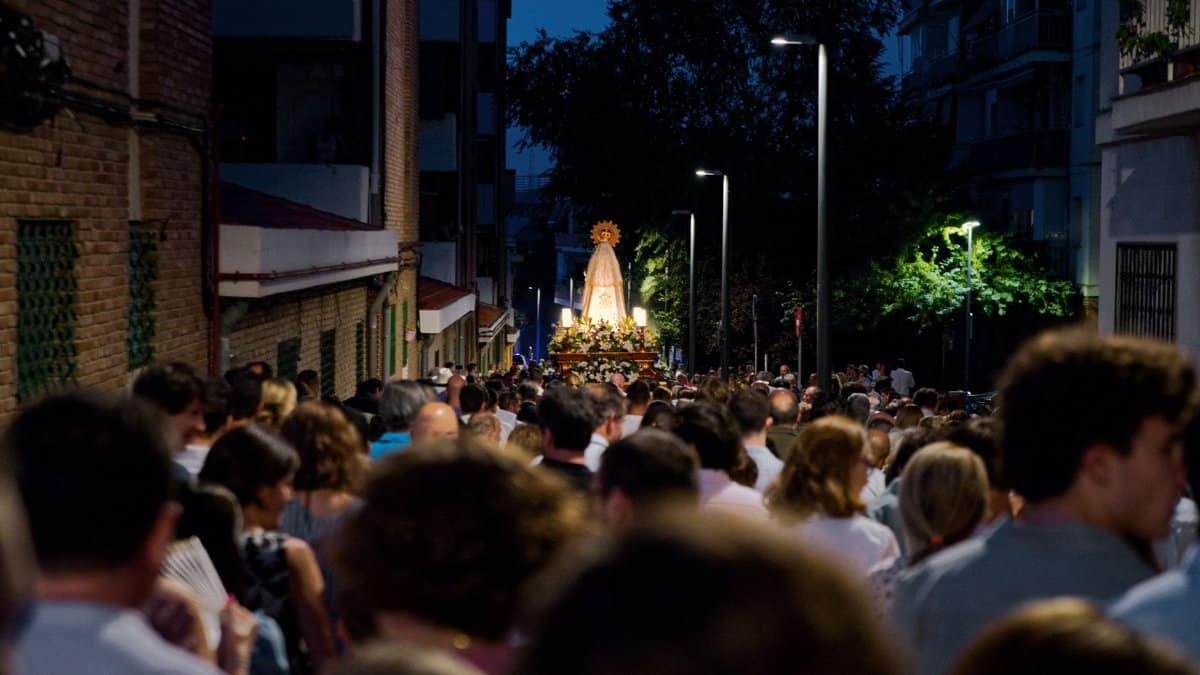
Hardly Strictly Bluegrass began as the private conviction of Warren Hellman, the San Francisco financier who believed a great city deserved music that asked nothing at the gate. He funded the festival himself and kept it free, a decision that still shapes how people behave once they reach the meadows. Strangers share food. Children nap under folding chairs. Older fans stake out a patch of shade and stay for hours, not because a schedule demands it, but because the day has a shape of its own.
That shape is closer to devotion than to entertainment industry logic. People return year after year, sometimes from other states, sometimes from a few blocks away. They speak of particular afternoons the way congregants speak of a hymn that landed at the right moment. The addition of a voice as recognizable as Plant’s does not break that pattern. It tests whether fame can still kneel inside a setting that refuses to sell the lawn.
Why this singer belongs among the old songs

Robert Plant spent his youth as the unrestrained tenor of Led Zeppelin, a band whose volume and myth still follow him whether he wants the company or not. The later chapters of his work have been quieter in intention if not always in volume. With Saving Grace he has turned toward traditional songs from Britain and America, spirituals, blues fragments, and folk narratives that predate the arenas where he first became famous. The repertoire treats grief, wandering, and mercy as ordinary human weather.
That turn matters at a festival whose name is a joke with a serious core. Hardly Strictly has always stretched the word bluegrass until it covers gospel, country, jazz, rock, and the unclassifiable. Plant arrives not as a mascot of classic rock but as a singer who has spent years submitting to older material. Listeners who know only the stadium years may be surprised by how much of the set asks them to lean forward rather than throw their arms up.
Saving Grace and the discipline of accompaniment

Saving Grace is not a nostalgia vehicle. Alongside Plant, vocalist Suzi Dian and a small circle of players treat harmony as a moral practice. Songs are passed between voices. Tempos breathe. A banjo or a guitar can carry a line that once belonged to a full electric band, and the absence of spectacle becomes the point. In a park where the sky is the ceiling, that restraint reads as respect for the room, even when the room is several meadows stitched together by footpaths.
There is a spiritual habit in this kind of bandleading. The famous name does not occupy every bar. Space is left for other singers, for the audience murmur, for the wind off the eucalyptus. People who have followed Plant through his collaborations with Alison Krauss already know this instinct. Saving Grace extends it, less as a brand extension than as a continuing apprenticeship to songs older than any living career.
What the meadows do to a famous voice

Golden Gate Park changes the terms of performance. Sound drifts. Fog can erase a hillside in minutes. A jet on approach to the airport may pass during a quiet verse. None of this is a flaw in the festival design. It is the condition of gathering outdoors in a living city. Artists who thrive here tend to be those who can treat interruption as part of the music rather than as an insult to it.
Plant has played enormous rooms and also rooms small enough that a cough in the back row is audible. Hellman Hollow, the heart of the festival grounds, sits somewhere between those extremes. Tens of thousands may be within earshot, yet many will be half turned toward a conversation, a child, or the late light on the trees. The test is whether a voice can still feel addressed to one person. His recent work suggests he is interested in exactly that test.
The city that keeps a gift intact

San Francisco has not always been gentle with its own traditions. Rents rise. Stages disappear. Beloved rooms close and reopen as something else. Against that churn, a free festival in a public park is a civic argument: that culture can remain a common holding rather than a luxury good. Hellman died in 2011, and the event continued under a structure designed to protect his original terms. Each October since has been a kind of annual proof that the gift was not a one time gesture.
Local listeners understand the stakes without needing a speech about them. They know which paths flood after rain. They know where the sound is kindest. They know that a lineup announcement is also a promise that the meadows will again be lent to anyone willing to sit on the ground. When a global name joins that promise, the city measures the booking by a simple standard. Does it enlarge the circle, or does it turn the circle into a brand activation?
Memory, myth, and the songs underneath

Every return of a Led Zeppelin song to a set list carries baggage. Some in the crowd will hope for a fragment of the old catalog. Others will hope he leaves it alone. The more interesting question is what those old songs were built from. Blues laments, folk warnings, spiritual imagery, and stories of departure sit inside the band that made Plant famous. Saving Grace does not erase that history. It walks back toward the source material with the volume turned down and the narrative turned up.
In spiritual terms, this is less conversion than recollection. A singer revisits the well he drank from before the lights were bright. Audiences who came for recognition may leave having heard a murder ballad or a hymn they cannot name. That exchange is one of the quiet functions of Hardly Strictly. Fame gets people through the trees. The repertoire does the slower work.
How listeners are already preparing

In the neighborhoods around the park, preparation has its own liturgy. People compare folding chairs. They argue, gently, about which meadow holds the best balance of sightline and shade. They text relatives who have not visited in years. None of this requires a purchased pass, which is precisely why the emotion runs high. Access is broad, and therefore the choice of where to stand feels personal.
For Plant Hardly Strictly 2026, that preparation includes a second kind of homework. Fans are pulling up recordings of Saving Grace, noticing how a familiar melody can be rebuilt around two voices and a small acoustic frame. Younger listeners, some of whom know Zeppelin mainly as a parental record collection, are meeting the songs as present tense music rather than as museum pieces. The festival has always been good at that collision of generations. A single booking can restart it.
The ethics of a headliner on a gift stage
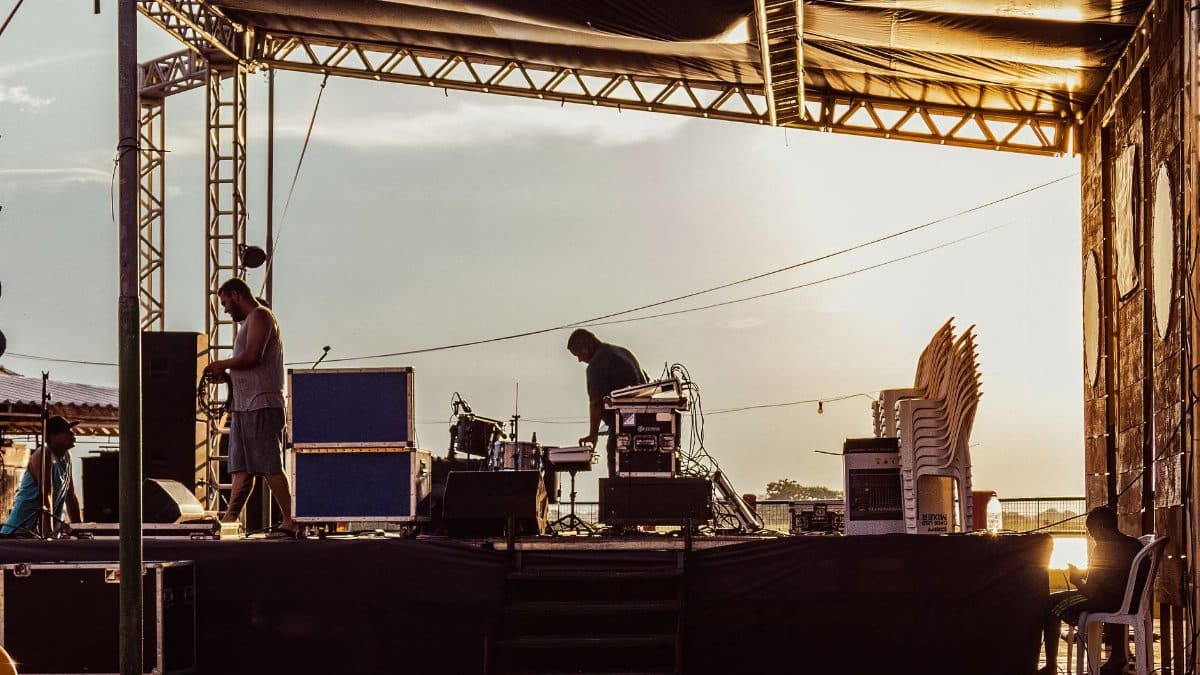
There is a fair criticism of star bookings at community festivals. A famous name can pull attention away from artists who depend on these stages for a living. It can also tempt organizers to drift toward the logic of commercial tours. The counterargument is equally plain. A widely known performer can carry new ears toward pickers, singers, and songwriters those ears would never have sought out. The moral difference lies in proportion. One meadow cannot be allowed to swallow the weekend.
Hardly Strictly has generally kept that proportion by spreading excellence across multiple stages and by refusing to let any single act define the price of entry, which remains no price at all. Plant’s presence will draw cameras. It should not redraw the map. The most faithful version of this booking is one in which people wander from his set toward a gospel group, a string band, or a songwriter they cannot yet name, and stay because the next song asked them to.
What transcendence sounds like without a roof
Writers sometimes reach for religious language too quickly when describing concerts. Not every swell of feeling is sacred. Still, there is a recognizable moment in outdoor music when conversation drops, when a chorus lands cleanly, and when a crowd that did not arrive as a congregation briefly behaves like one. It can happen during a fiddle tune as easily as during a ballad about mercy. The setting helps. Open sky removes some of the theater that indoor venues supply.
Plant has spent decades chasing that moment under very different lights. If it arrives in the park, it will not be because a production design forced it. It will be because a song, possibly centuries old, found enough silence around it. That is a modest definition of transcendence, and it suits a festival that has never needed pyrotechnics to justify its existence.
A lineup as a kind of pastoral care
It may sound odd to describe a music schedule as care. Yet the people who return to these meadows are not only chasing novelty. Many are marking anniversaries, mourning someone who used to claim the same patch of grass, or introducing a child to a ritual that predates the child. A thoughtful booking acknowledges that the audience is not a market segment. It is a temporary parish with no doctrine except attention.
In that light, a singer associated with excess who now traffics in traditional song is an apt guest. The arc of the career itself models a change that many middle aged listeners recognize: the wish to keep the fire without burning down the house. Plant Hardly Strictly 2026 names a calendar fact. It also names a hope that virtuosity and humility can share a stage without one canceling the other.
Practical grace for a crowded meadow
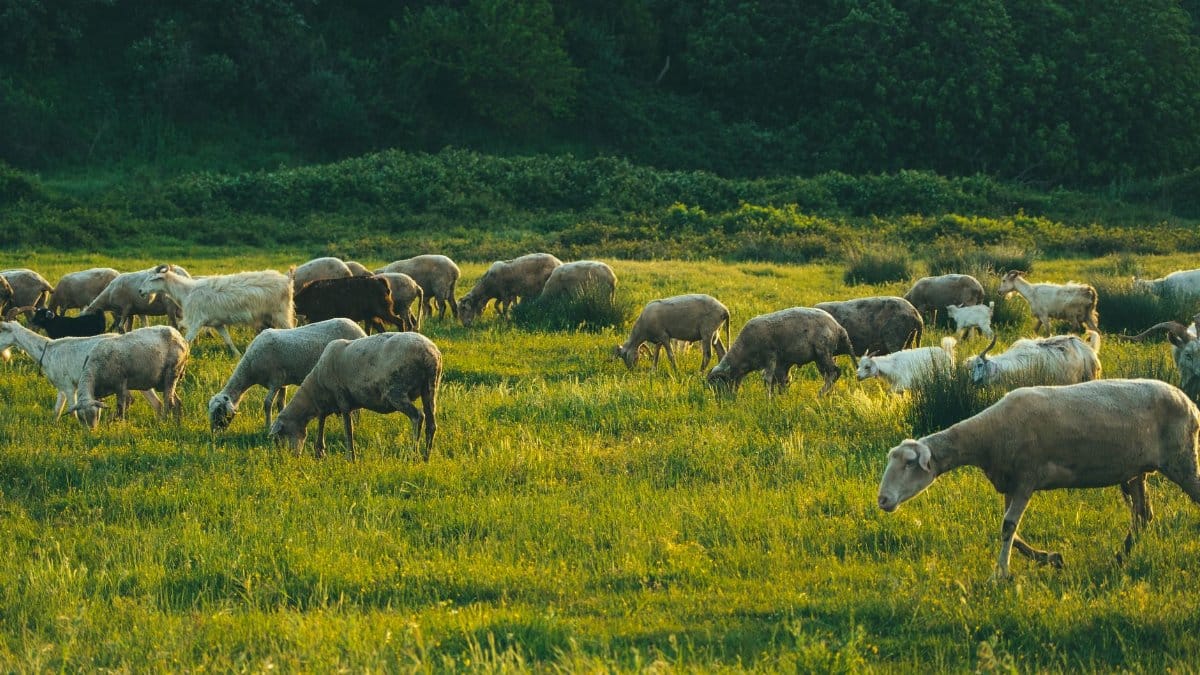
None of the meaning survives poor stewardship on the ground. The festival works when people leave room to walk, when sound bleed is managed with care, and when those who need to sit are not forced into a crush. Veterans of the event already know the courtesies: arrive earlier than pride suggests, carry water, yield the path, and resist the urge to film an entire song at the expense of the person behind you. These are small ethics. They are also the only way a free gathering of this size remains worthy of the word community.
Artists feel those conditions. A singer can tell when a field is restless and when it has decided to listen. Saving Grace, built for dynamics rather than for constant climax, will benefit if the meadow grants it the same patience it grants a quiet string band. That patience is part of the local culture Hellman helped fund into being. It is not guaranteed. It is practiced.
After the announcement, before the first note

Between a lineup notice and the weekend itself there is a long interval in which imagination does most of the work. People argue about set lists. They recall the last time they stood in that grass. They wonder whether fog will cooperate. This interval is not empty. It is how a city rehearses gratitude in advance, which is a rarer skill than it should be.
When the weekend arrives, the announcement will matter less than the first unamplified moment of attention, the one that happens just before the drums or the guitar take hold. If Plant and Saving Grace meet that moment without armor, the booking will have done what the best Hardly Strictly bookings do. It will send people home with a song they did not know they needed, and with the knowledge that the park will offer the same open door again.
A name on the bill, a standard underneath

History will not remember every name on every meadow. It will remember whether the festival remained free, whether the audience remained mixed, and whether the music still had room for both revelry and reflection. Robert Plant can serve those standards. He cannot replace them. The former Led Zeppelin singer walking onto a gift stage with Saving Grace is a story about fame bending toward folk tradition. The deeper story is the one Hellman wrote into the grass: come as you are, pay with your attention, leave the place intact.
That is why Plant Hardly Strictly 2026 has landed with more than celebrity heat. In a season when so much culture is metered, gated, and optimized, a public meadow still proposes an older economy. You bring your body. You receive a song. You owe the person beside you the courtesy of not blocking the view. If the weekend holds to that proposal, the famous voice will be a guest in a ritual larger than his catalog, which is exactly the right size for him now.