
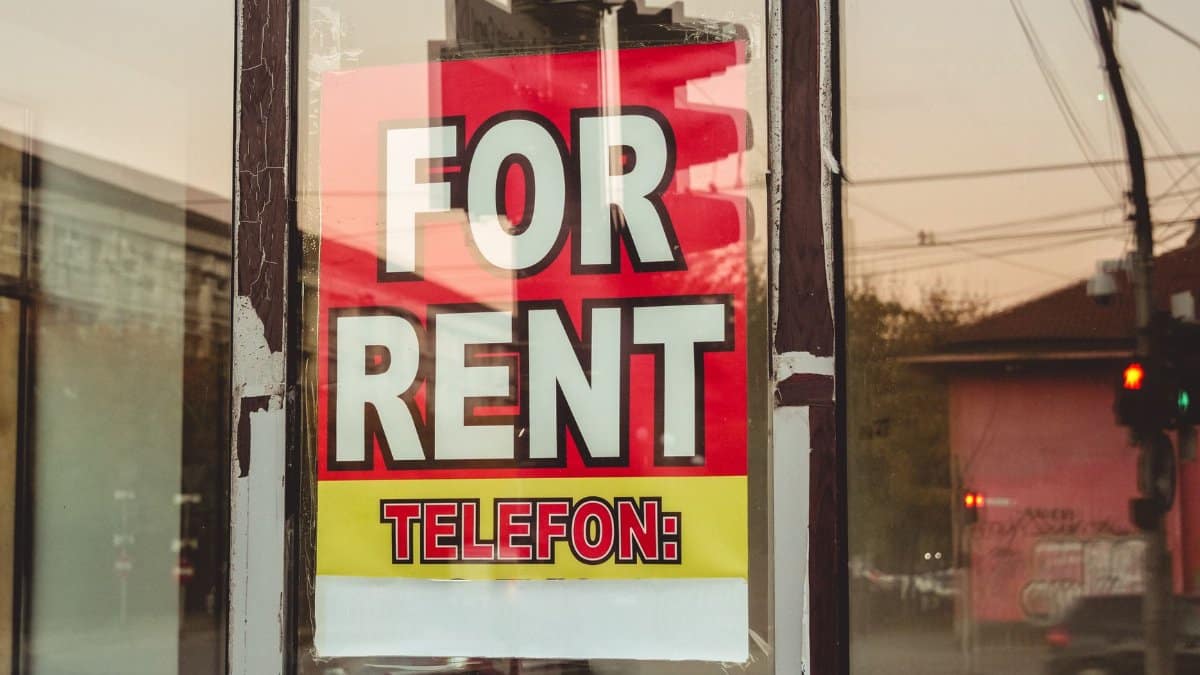
On a Tuesday evening in the Richmond District, a public school teacher spread a lease renewal across her kitchen table and did the math twice. The new figure was not a nudge. It was a number her salary, already pulled thin by groceries and a monthly bus pass, could not absorb. Scenes like that one now sit behind a City Hall argument Mayor Daniel Lurie has cast as an emergency of the artificial intelligence boom. In that argument, Lurie SF rent ordinances has become shorthand for a wager that local rules can slow a market moving faster than wages.
A city that already knew scarcity

San Francisco did not discover expensive housing last quarter. Gold, shipping, finance, and software each rewrote who could live near a park, a school, or a hospital. What feels different now is the speed. Companies chasing artificial intelligence talent are leasing space and recruiting engineers at pay levels that reset what a vacant apartment is thought to be worth. Neighbors outside that industry feel the draft in renewal letters, in roommate searches, and in the quiet decision to leave a neighborhood they have served for years.
The teacher in the Richmond is not a metaphor prepared for a hearing. She is one resident among many watching advertised rents climb while job postings in her own field stay flat. Longtime tenants remember earlier booms that hollowed out blocks and then, for a while, eased. They also remember how little comfort that memory offered when the next wave arrived. Memory is not a lease.
What the mayor put before the board

Lurie has asked supervisors to treat the spike as more than a market story. His package, six renter protection measures grouped under what observers are calling Lurie SF rent ordinances, is meant to give tenants time, information, and a narrower path for sudden displacement while the wider housing shortage remains unsolved. The San Francisco Chronicle reported the proposal alongside a jump in median rents of nearly 26 percent, a figure large enough to turn a routine renewal into a household crisis. The link is here: San Francisco Chronicle coverage of the rent emergency proposal.
The political bet is plain. A mayor early in his term can name an emergency and still fail if the Board of Supervisors treats the package as theater, or if landlords convince neighbors that every new rule is a hidden tax on the people who kept buildings standing through quieter years. Ordinances do not pour concrete. They can, if written with care, change the terms on which a family is told to leave.
The rent spike that forced the label

A rise of nearly 26 percent in median rents is not a rounding error. For a household already spending half its income on shelter, that kind of jump can mean a second job, a longer commute from a cheaper county, or a move that pulls a child out of a school midyear. City officials and housing researchers have long warned that San Francisco’s supply of homes lagged its job growth. The present spike arrives on top of that old gap, not instead of it.
Calling the moment an emergency does rhetorical work. It tells renters the mayor sees them. It tells the board that delay has a cost measured in notices, not in press releases. It also invites a harder question. If the emergency is real, what counts as a response that matches it, and what is merely a sentence in a proclamation? Labels can focus a government. They can also exhaust the public if the follow through is thin.
Tenants who never left and still cannot stay

The people most exposed are not only newcomers priced out of a first lease. They include nurses, cooks, bus drivers, and elder caregivers who stayed through the last downturn and assumed loyalty to a block would count for something. Under the debate over Lurie SF rent ordinances, their ask is modest and radical at once: a little more time, a little more notice, and a rule that does not treat a working life as incidental to a vacant unit’s highest bidder.
Tenant advocates argue that without those guardrails, the AI hiring surge will sort the city by employer. Engineers with signing bonuses can absorb a spike that a classroom aide cannot. That sorting is not abstract. It shows up in who volunteers at the school fair, who staffs the night shift, and whose children still walk to the same campus. A housing market can empty a civic life without ever announcing that it meant to.
Owners who say rules can backfire

Landlords, especially smaller owners with one or two buildings, hear the same numbers and reach a different conclusion. They point to insurance, maintenance, taxes, and loans that did not pause when rents softened a few years ago. Some say tighter rules will push them to sell to larger operators, or to keep units off the market rather than risk a tenancy they cannot exit. Those fears are not always a talking point. A retired couple living on the rent from a duplex is not a cartoon villain, and policy that pretends otherwise will not survive contact with the board.
The useful argument is narrower. Protection for tenants and a functioning supply of rentals are not enemies, but they are not the same tool. A city can write notice rules, relocation standards, and limits on abusive practices without promising that every owner will applaud. It cannot, by ordinance alone, make a mortgage cheaper or a contractor appear. Honesty about that limit is part of taking owners seriously.
An industry boom and a thin pipeline

Artificial intelligence has concentrated money, office demand, and high salaries in a city that already struggled to approve homes. The result is a familiar mismatch with a new accent. Firms can hire in months. Apartments, if they are approved at all, take years. When demand snaps back faster than construction, advertised rents do what prices do in any tight market. They rise until someone leaves.
Housing advocates have spent a decade arguing that San Francisco must permit more homes near transit, including homes that are not priced only for the top of the wage scale. That argument does not vanish because a mayor is now talking about renter protections. If anything, the spike makes the supply failure harder to romanticize. A city can cherish its vistas and still admit that vistas do not house a teacher.
What a local ordinance can and cannot fix

Even a well drafted local package has edges. State law shapes how far a city may go on rent caps, just cause, and new construction. Courts will read whatever supervisors pass. A landlord with counsel will test ambiguous language. A tenant without counsel may never learn a right exists. Implementation, not the headline, decides whether Lurie SF rent ordinances change a Tuesday night at a kitchen table.
There is also the problem of vacant promise. If the measures slow displacement but the city keeps blocking homes, the emergency becomes permanent policy by another name. If the city builds and ignores the people already here, the boom simply replaces one population with another and calls it growth. The adult position is to hold both thoughts: protect people in place, and add homes so protection is not a rationing system for a shrinking stock.
Politics in the early stretch of a mayoralty

Lurie came to office with a fortune, a nonprofit résumé, and a promise to make city government feel less stuck. Housing is the test that does not care about résumé. Supervisors will want amendments. Neighborhood groups will want exemptions. Business groups will want a signal that San Francisco is not hostile to the companies writing the paychecks behind the rent spike. A package of six measures can splinter into six arguments, each reasonable on its own and collectively too slow for the households reading renewal letters now.
Voters have heard emergency language before. They will measure this one by notices withdrawn, units that stay occupied, and cranes that are not only a rendering. Cynicism is easy in a city that has workshopped its housing crisis for a generation. It is also a luxury for people who are not calculating whether March rent clears.
Who the emergency is meant to protect

Strip away the hearing room and the question is almost plain. Who is San Francisco for when a single industry can bid up the cost of staying? Lurie SF rent ordinances will not answer that in full. No local package can. They can still mark a choice: that a teacher, a cook, and a caregiver are not residual categories in an economy organized around the highest offer.
The teacher in the Richmond will not read the ordinance language the way a lawyer will. She will learn the outcome in a number on a page, or in a conversation with a landlord who has more time because the law required it. If that number still does not fit, the emergency label will sound like weather report, accurate and useless. If it buys her another year in the classroom down the street, the package will have done the small, serious thing city law is sometimes able to do. It will have refused to treat her exit as the natural price of someone else’s boom.