

On a weeknight in north Minneapolis, rows of folding chairs filled faster than the microphones could keep up. Parents clutched printed maps. Students wore school colors that may not match next year’s building. The room was not arguing about test scores so much as about whether a familiar door would still open in the fall. That tension sits at the center of Minneapolis school closures, a phrase that now describes three district proposals that could shutter more than a dozen campuses and redraw attendance lines across the city. For a system long proud of neighborhood schools, the choice is no longer abstract. It is a list of buildings, bus routes, and childhood routines that may not survive the next budget.
A smaller map for a smaller student body

Minneapolis Public Schools has been living with a blunt mismatch. The district built and staffed a network for more children than it now enrolls. Families left for charter schools, suburban districts, private schools, or other cities. Births declined. Housing costs pushed some households past district lines. The pandemic accelerated departures that were already underway. Empty seats remained after the emergency faded, and the buildings did not shrink with the roster.
Leaders have floated scenarios that could close as many as 16 campuses, merge programs, and send students to schools farther from the corner they know. The number is large enough to reshape daily life in several neighborhoods at once. It also signals that small adjustments, a grade shift here and a program move there, no longer match the gap between revenue and the footprint of the system. A city that once argued about where to add classrooms is now arguing about which doors to lock.
Money, maintenance, and the price of every open door

School finance in Minnesota follows enrollment. Fewer students means fewer state dollars, even when the principal, the boiler, and the night custodian remain. Aging facilities add pressure of their own. Roofs, windows, and accessibility work do not pause because a school is underenrolled. Board members describe a choice between spreading limited funds across too many sites and concentrating them so remaining schools can hold onto arts, languages, counselors, and stable class sizes.
Skeptics have heard this bargain before and do not trust the ending. Promised programs can vanish after the disruption. Savings from a closed building are often smaller than public talking points imply once moving costs, longer bus routes, and debt on unused space are counted. Both readings can be fair. Closing schools can trim some fixed costs. It rarely yields a clean windfall, and it always sends a bill to children who did not vote on the spreadsheet.
What the three proposals ask families to accept

The plans differ in which buildings would go and which programs would move, but they share a logic. Attendance boundaries would shift. Some schools would absorb students from shuttered sites. Magnet and specialty programs might relocate rather than disappear, though a new address is its own kind of loss for a community that built identity around a particular door, mural, and mascot.
Parents reading the scenarios are doing private math. How long is the new bus ride. Will siblings stay together. Does the receiving school have room for special education services that already work. Will a fifth grader have to start over with a year of school left. Those questions do not fit neatly on a district slide, yet they decide whether a plan feels like stewardship or like a notice to clear out.
Race, geography, and an old wound

Any map of Minneapolis schools is also a map of racial and economic history. Closures rarely land evenly. Neighborhoods with lower incomes, larger shares of Black, Latino, Indigenous, and immigrant families, and less political insulation have often absorbed more disruption when urban districts shrink. Leaders say the current models try to avoid repeating that pattern. Residents will judge the claim by street addresses, not by assurances offered from a podium.
Integration goals complicate the picture. A closure that looks efficient on a spreadsheet can deepen separation if students sort themselves into the remaining schools by race and class. A closure that tries to rebalance enrollment can feel coercive to families who already distrust the district. Minneapolis school closures therefore sit inside a longer argument about who the city educates together and who is asked to travel for that ideal.
Teachers and the fragile continuity of a staff

Buildings close. People have to land somewhere. A strong school is often a cluster of adults who know which student needs a quiet corner and which family will not answer a robocall. Scattering that staff can erase gains that took years to build, even if the new building is newer and the class sizes look better on paper. Continuity is not a sentimental extra. It is part of how children learn.
Classroom teachers tend to focus on placement rules, workload, and whether specialty roles survive a merger. A music teacher split across three sites is not the same resource as a music teacher rooted in one building. Counselors already carry heavy caseloads. Adding a wave of students in transition, some of them grieving a school they did not choose to leave, is not a neutral administrative event. It is a surge in need that arrives on the first Monday.
The bus ride as a hidden policy
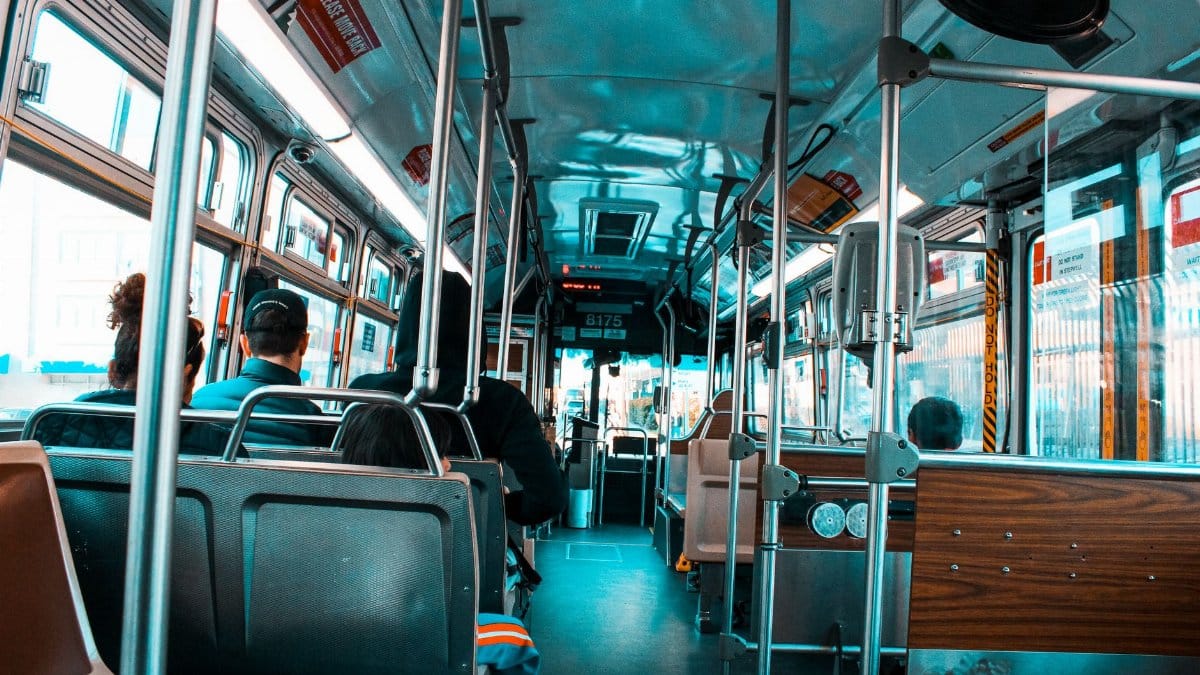
Transportation is where abstract boundary lines become minutes and missed breakfasts. Minneapolis already runs a complex mix of neighborhood schools, magnets, and citywide options. Redrawing lines can shorten some routes and lengthen others. For younger children, an extra transfer or an earlier pickup is not a minor inconvenience. It changes sleep, after school care, and whether a parent can still reach a conference without missing a shift.
Officials often treat transportation as a logistics problem that software can solve. Families treat it as a test of whether the plan was designed with their actual day in mind. If Minneapolis school closures push more students across the river or across highway corridors, the public will feel that cost every morning, long after the board vote fades from the news cycle.
Neighborhood memory stored in brick
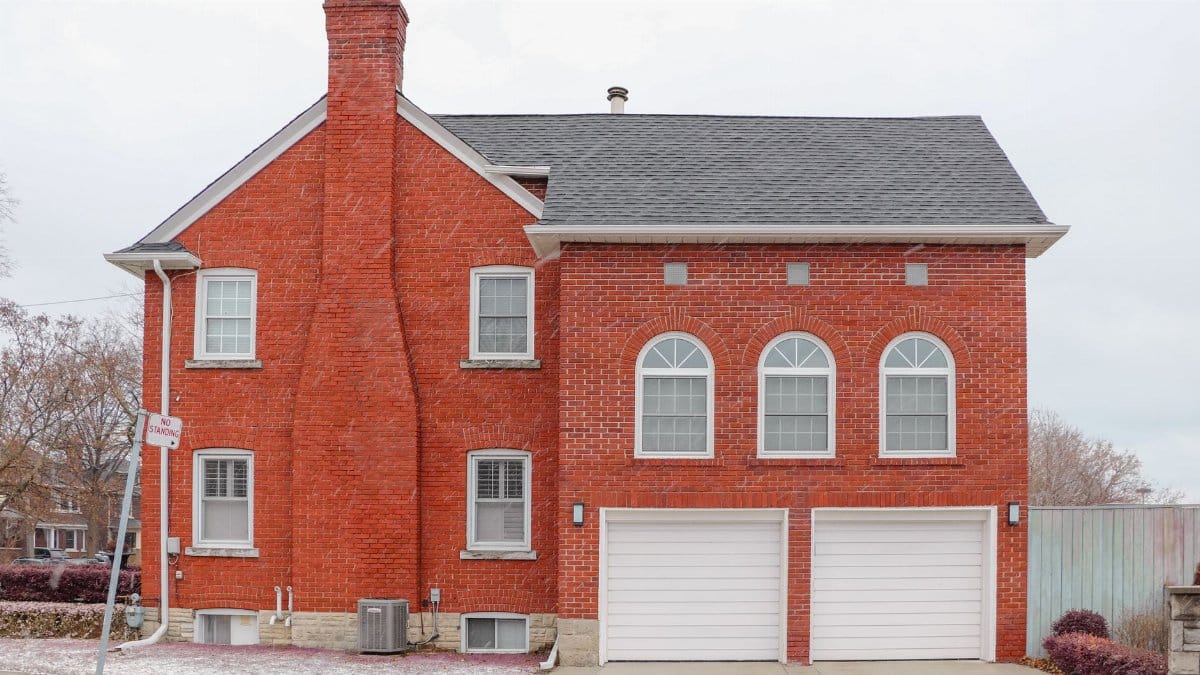
A school is a public building with a private archive. Trophy cases, mural paint, the smell of the gym, names carved into a picnic table behind the playground. When a campus closes, the district may reuse the site, sell it, or let it sit. Neighbors worry about vacant property, and they also worry about losing the last civic room within walking distance. A locked school changes the feel of a block even for people who no longer have children inside it.
Other cities have converted closed schools into early childhood centers, clinics, or housing. Those second lives can be worthy. They do not replace the daily ritual of walking a child to a door where the secretary knows the family by name. In listening sessions, people rarely speak in the language of utilization rates. They speak about a building that held funerals, festivals, and the first day of kindergarten.
What leaders say they are trying to save
Messages around the proposals emphasize sustainability. Keep enough schools to serve students well. Stop spending scarce dollars on half empty buildings. Protect electives, intervention staff, and safe facilities by refusing to pretend that every campus can remain open at current enrollment. That argument has a moral core. A district that cannot pay for basics is not honoring neighborhood tradition. It is postponing a harder cut and calling the delay loyalty.
The counterargument has a moral core too. Stability is itself an educational good. Children who change schools lose academic time and social trust. Communities that watch public institutions depart receive a lesson about whose routines are expendable. A responsible plan has to hold both truths without using one to silence the other. Efficiency that ignores trust will fail in practice, even if the arithmetic is tidy.
How a vote could still go wrong
Process will shape whether the city accepts the outcome. Families need plain maps, clear timelines, and honest accounts of which programs move with students and which do not. They need to know how special education, English learner support, and advanced courses will be staffed at receiving schools before they are asked to bless a closure list. Vague promises of richer programming have a poor record in urban reorganizations. People remember the promise more clearly than the footnote.
The politics of Minneapolis school closures will turn on those details, and on whether the board shows its work. A rushed calendar, a map released late, or a hearing that feels theatrical will confirm the fear that the decision was made before the public was invited in. Transparency will not make the losses painless. It can make them legible, which is the minimum owed to families who are being asked to rearrange a childhood.
A decision that will outlast the meeting

Whatever scenario advances, the effects will not end at a locked front door. Sibling groups will split across years of transition. Realtors will mention school assignments in the same breath as porch size. Teachers will spend a fall rebuilding routines that used to be automatic. Some students will thrive in a fuller building with more peers and more course options. Others will feel, correctly, that their school was the one the city decided it could spare.
Minneapolis school closures are not only a facilities story. They are a test of whether a public system can shrink without concentrating the pain. The three proposals now in view make that test specific: more than a dozen buildings, new lines on the city map, and a generation of students who will remember whether adults told them the truth about why their school had to change, and whether the schools that remained were actually better for having absorbed the loss.