

Before sunrise on a quiet Tuesday in the Richmond District, a small crew waited for the fog to lift just enough to read a face. The scene itself was ordinary, two people talking on a corner that could have been staged in a dozen other cities. What made the morning notable was the ledger behind it. After years of watching shoots slip toward places with richer rebates, San Francisco widened SF film production incentives, and the first tallies suggest the city is getting cameras back.
A rebound measured in permits and dollars

City figures, as reported by the San Francisco Chronicle, show permitted film and television shoots up 28 percent after the local rebate was expanded. Production spending nearly doubled over the same stretch. Those two numbers do not describe the same thing, and treating them as twins would be a mistake. Permits count activity. Spending counts money that actually moved through payroll, locations, vendors, and hotels. A modest rise in permits alongside a much larger rise in spending usually means the jobs that stayed, or returned, were bigger.
That distinction matters for anyone tempted to declare a renaissance from a single percentage. A student short and a streaming series both need paper from the city. Only one of them fills a block of rooms at a union hotel and keeps a grip truck rented for three weeks.
What the local rebate is built to do

SF film production incentives are not a blank check and they are not a glamour subsidy in the Hollywood sense. They are a partial refund of qualified local spending, designed to shrink the gap between filming here and filming somewhere cheaper or easier. Producers still pay crews, still rent stages or streets, still carry insurance. The city returns a slice after the work is done and the receipts are real.
The political theory is straightforward. A production that would have left takes the rebate and stays. Money that would have been spent in Georgia, New Mexico, or British Columbia lands instead on payroll checks with San Francisco addresses. The skeptical theory is equally straightforward. Some of those shoots would have come anyway, for the bridge, the hills, and a story that cannot be faked on a backlot. Public money then rewards a decision already made.
Why the cameras left in the first place

San Francisco did not lose productions because directors suddenly disliked the city. Costs rose. Permitting felt slow to producers who could get a yes faster elsewhere. Street closures angered neighbors. Housing got so expensive that even well paid crew members struggled to live near the work. Other jurisdictions built purpose made stages and wrote larger credits into law.
California has long run its own film tax credit, a competitive program rather than an automatic one. A local rebate sits on top of that state machinery. It cannot repeal geography or rent. It can, at the margin, make a location scout pause before booking a flight to another state. Margins are where a lot of production decisions actually live.
Reading a near doubling without romance

A near doubling of spending is the kind of figure that ends up in a press release and then in a skeptical follow up. Both reactions are fair. If the base year was thin, doubling is easier. Pandemic years crushed location work everywhere, so a rebound can look like a boom when it is partly a return to something closer to normal. The honest question is not whether the number is large. It is whether the new level holds once the easiest shoots have already come back.
Still, spending is harder to fake than vibe. Vendors invoice. Payroll companies file. Hotels know when a production has taken a floor. If those channels are moving more money, the city is not merely issuing more pieces of paper.
Permits as a rough civic pulse
The 28 percent rise in permitted shoots is a pulse, not a diagnosis. It tells you that more productions asked the city for permission and received it. It does not tell you whether those days were ten hour exteriors or weeks of night work. It does not tell you whether the story on screen will ever mention San Francisco, or whether the skyline is only a background the audience will half recognize.
For residents, permits are often the only visible trace. A notice on a lamppost. A lane closed before commute. A generator humming past the hour when a neighborhood wants quiet. Any serious account of SF film production incentives has to hold that friction next to the payroll story. The benefit is diffuse. The annoyance is local and immediate.
The competition is not abstract

Producers shop. They compare rebate percentages, stage availability, crew depth, and how many emails it takes to close a street. Los Angeles remains the industry’s center of gravity, but it is also expensive and crowded. Other states have spent years marketing themselves as simpler. Canada offers a currency advantage on top of credits. A city that wants the work has to answer a spreadsheet, not a postcard.
San Francisco’s answer has always been specificity. Certain stories want this light, these stairs, this bay. Incentives do not create that desire. They keep it from being outbid. When a showrunner can write “San Francisco” and then shoot a dressed street in another country, the local rebate is competing with illusion as much as with another city hall.
Labor, rooms, and the quiet multiplier
The people who feel a production most directly are not always on camera. Location managers, drivers, electricians, caterers, and the small shops that rent expendables see the difference between a busy month and a dead one. A series that stays for a season can mean steady weeks rather than a frantic three day guest spot. Hotels near a base camp fill on weeknights that would otherwise sit empty. Restaurants get a lunch order large enough to matter.
Economists argue, correctly, that multipliers are easy to overstate. Some of that spending would have happened in other local industries. Crew members are mobile. A dollar rebated is a dollar not spent on something else the city also values. None of that erases the narrower fact that film work is portable in a way many service jobs are not. If it leaves, it does not simply reappear as another kind of local hire.
What a rebate cannot fix

No incentive repairs a permitting office that answers late. No rebate makes parking appear on a hill street or turns a skeptical block association into a partner. Producers who have worked here often praise the look and complain about the process in the same breath. If the expanded program brings more applications, the administrative side has to keep up. A slow yes is sometimes the same as a no.
Housing sits underneath all of this. A city that cannot house the people who build its sets will keep importing labor or losing it. Incentives can tilt a single production. They cannot substitute for a labor market people can actually live inside. That limit should be said plainly, not as a reason to dismiss the rebate, but as a reason not to ask it to do civic work it was never designed to do.
Neighbors and the cost of a closed street
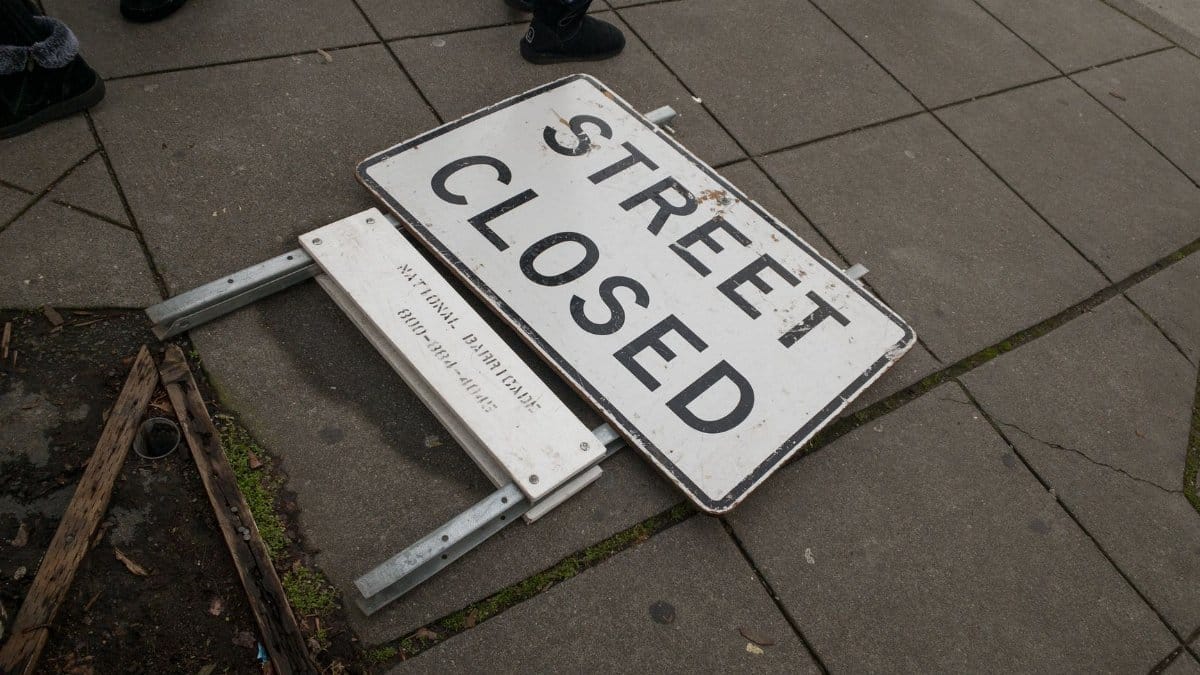
Film commissions like to talk about economic impact. Neighbors talk about the morning they could not get a car out of a driveway. Both are describing the same event. A mature program treats community friction as a design problem, not as public relations. Clear notice, shorter closures where possible, and a real person to call when something goes wrong will not make everyone happy. They will make the political bargain survivable.
San Francisco has a long memory for civic deals that sounded better in a hearing than on a sidewalk. If SF film production incentives are going to last past one good year of statistics, the people who live next to the work need to see that the city is not only counting dollars. It is also counting disrupted mornings.
The state credit and the city add on

Local rebates operate in the shadow of Sacramento. California’s film and television tax credit is larger, more competitive, and more studied. Projects that win a state allocation and then add a San Francisco rebate are in a different position from projects that have only the local tool. Stacking can be decisive. It can also concentrate public support on productions that were already strong enough to win a statewide contest.
That is not automatically a flaw. Chasing every small shoot is not the same goal as keeping a handful of high spend productions that hire locally for months. Officials should say which goal they are buying. The recent spending jump suggests the second goal may be the one moving. The permit jump suggests the first is moving too. A program can serve both, but it should not pretend they are identical.
A cautious way to watch the next year

The useful test is not whether this season looks better than a depressed one. It is whether productions that used the expanded rebate would have filmed here without it, and whether they come back when the first checks have already been cashed. Surveys of producers are self interested. So are victory laps. Somewhere between them sits a boring audit: qualified spend, jobs with local addresses, repeat productions, and complaints that actually got fixed.
I have walked enough closed blocks in this city to know that a film set can feel like an imposition dressed up as culture. I have also watched crews spend money in places that do not show up in a skyline shot. Both impressions can be true. The new numbers, a 28 percent rise in permitted shoots and a near doubling of spending, are evidence of motion. They are not yet evidence of a settled industry.
What success would look like

Success would be dull in the best way. A production office that answers. A rebate that pays on a published timeline. Crews who can afford to stay. Neighbors who are warned before the trucks arrive. Stories that use the city because it is the right place, not because a spreadsheet forced a compromise no one believes. If SF film production incentives help that ordinary competence along, they will have earned a longer look.
If the spending fades as soon as the announcement glow fades, the city will have bought a good year and a lesson. Either outcome is worth reporting without cheerleading. San Francisco has spent too long treating its own image as a substitute for the unglamorous work of making a place function. Cameras are a small part of that work. They are also, this year, a measurable one.