
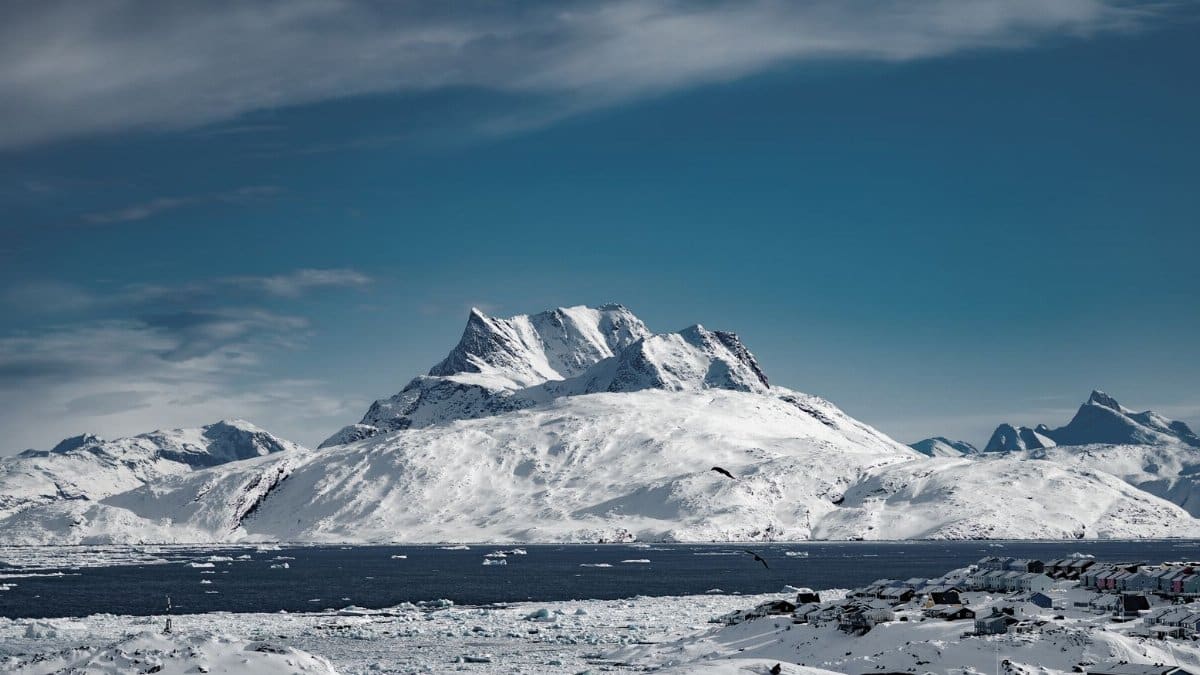
On a winter morning when the Arctic sun barely clears the horizon, a familiar argument returned to Washington, Copenhagen, and Nuuk. President Donald Trump said the United States and Denmark had reached an understanding that would expand the American military role in Greenland while leaving the island under Danish sovereignty. The phrase that traveled fastest was the Trump Greenland Denmark deal, a shorthand for a claim that still sits ahead of the public paperwork. For readers who remember his earlier talk of purchasing the island, the newer version sounds less like a property pitch and more like a security bargain. The difference matters. Bargains between allies are judged by what is written down, what parliaments accept, and what people who live on the ice are willing to live with.
What the president says he secured

Trump has described the arrangement as a pact to strengthen the American military presence in Greenland without transferring the territory itself. In his telling, Denmark remains the sovereign partner, Greenland remains inside the Danish realm, and the United States gains room to do more of what it already does in the high north: watch the skies, track missiles, and keep a foothold on the shortest routes between continents. That is a narrower claim than ownership. It is also a claim with a long shadow. American forces have operated in Greenland for generations under agreements with Denmark, most famously at the installation now known as Pituffik Space Base. A promise to bolster that role can mean more personnel, more equipment, more exercises, or simply a louder political endorsement of work already underway. Until texts, maps, and budgets appear, outsiders cannot tell which of those meanings is real.
I have covered enough summit theater to know that a sentence from a podium can outrun a treaty by months. The useful question is not whether a president likes the sound of a bargain. It is whether the other parties will repeat the same sentence in their own capitals, in their own languages, with the same verbs.
Why the island matters more than its population suggests
Greenland is vast, thinly settled, and parked between North America and Europe on a map that flat projections still manage to distort. Its ice holds climate history. Its coasts hold harbors that grow more interesting as summer sea ice retreats. Its location holds radar and runway value that generals have prized since the early Cold War. None of that turns a society of fewer than sixty thousand people into a blank strategic tile. It does explain why foreign ministries keep returning to Nuuk with offers of investment, scientific partnership, and security cooperation. When Washington speaks of a Trump Greenland Denmark deal, it is speaking into a contest that already includes Moscow’s Arctic bases, Beijing’s interest in minerals and shipping, and Europe’s worry that the northern flank is no longer a quiet back room of the alliance.
Denmark’s interest in staying the sovereign

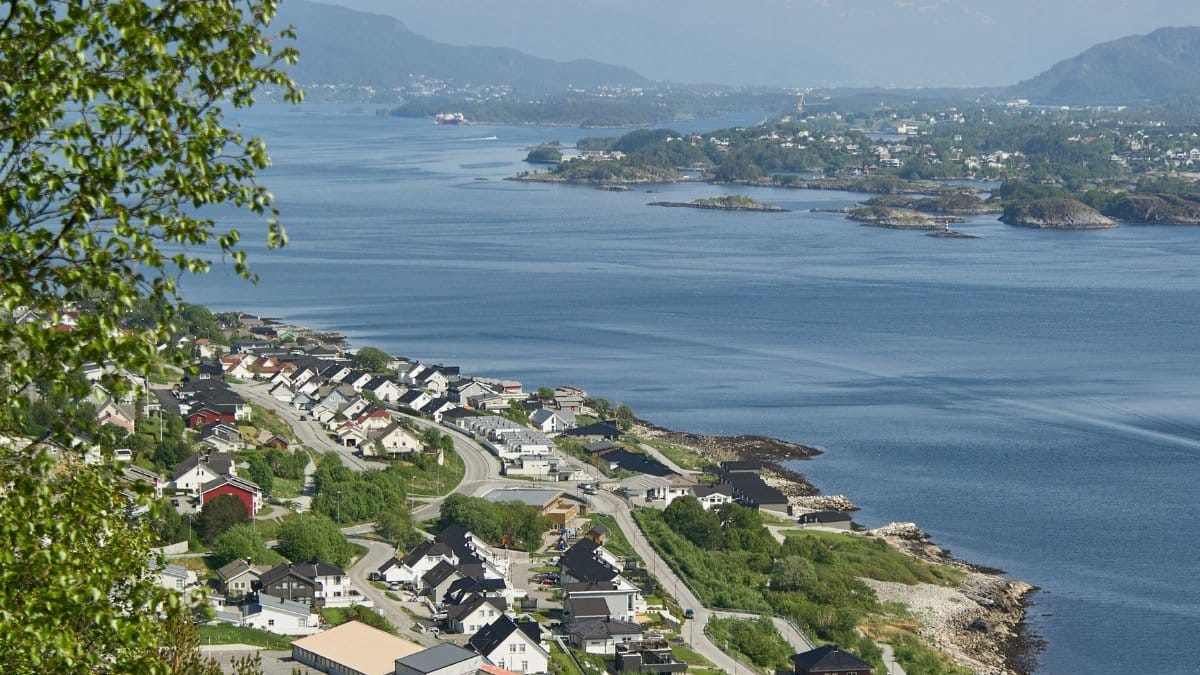
Copenhagen has spent years trying to hold two ideas at once. Greenland should have more say over its own future, including the option of independence if its voters and its economy can bear it. Denmark should not be pushed into a rushed sale, a forced lease, or a humiliation that would ripple through the kingdom. Danish leaders have rejected any notion that Greenland is available for purchase. They have also kept the defense relationship with Washington, because geography does not pause for domestic politics. A carefully worded acceptance of a larger American role can look, from Copenhagen, like a way to satisfy an ally without surrendering the flag. It can also look like a concession extracted under pressure. European officials tend to prefer the first reading in public and to argue about the second in private.
Any durable arrangement will have to pass through Danish constitutional habits, not only through a social media post. Defense agreements, base rights, and spending commitments touch parliaments, legal advisers, and the Greenlandic government in Nuuk, which is not a spectator. Treating the island as a bilateral trophy between two capitals would repeat the oldest mistake in Arctic diplomacy.
The people who actually live there

Greenlanders have their own parties, their own grievances, and their own arguments about mining, language, and the pace of separation from Denmark. Many want investment. Many also want outsiders to stop speaking about their home as if it were an empty lot beside a runway. Past talk of an American purchase landed badly in Nuuk, not because residents are naive about power, but because the framing skipped them. A security pact that leaves Danish sovereignty in place may be easier to discuss than a sale. It is not automatically welcome. More soldiers can mean jobs and infrastructure. They can also mean noise, environmental risk, and a sense that decisions are being made in rooms where Greenlandic votes do not count.
Local consent is not a courtesy. It is the difference between a base that functions and a political crisis that allied diplomats will be cleaning up for years. If the Trump Greenland Denmark deal is to be more than a headline, Nuuk has to be in the sentence, not in a footnote added after the applause.
The footprint that already exists

American military history in Greenland did not begin with this presidency. The 1951 defense agreement between the United States and Denmark set the framework for a presence that has ebbed and flowed with strategy and budgets. Pituffik, on the northwest coast, remains central to missile warning and space surveillance. That fact undercuts two caricatures at once. The United States is not arriving on a deserted shore. Nor does an existing base prove that a new expansion is modest, cheap, or uncontroversial. Adding aircraft, sensors, housing, or naval access would raise questions about cost sharing, environmental review, and who commands what in a crisis. Allies can share a mission and still fight over the invoice.
Readers should also separate presence from ownership. A larger garrison does not confer title. It creates dependence, leverage, and habits. Those are powerful. They are not the same thing as a deed.
Minerals, sea lanes, and the contest around them

Security language often arrives with an economic twin. Greenland holds deposits of rare earth elements and other minerals that manufacturers and defense planners covet, though extraction is slow, expensive, and politically fraught. China has shown interest in Arctic resources and in shorter shipping routes as ice retreats. Russia has rebuilt military infrastructure along its northern coast and treats the Arctic as a core interest, not a hobby. Western officials worry about a future in which Chinese capital and Russian hardware shape a region that NATO once treated as peripheral. That worry is real. It does not, by itself, justify every proposed base, mine, or exclusive deal. Some projects fail on geology. Some fail on community opposition. Some fail because the promised strategic payoff was a brochure.
A serious policy would rank these risks in public. Missile warning is not the same task as locking up a mineral concession. Conflating them makes it easier to sell a package and harder to oversee it.
What NATO can absorb and what it cannot
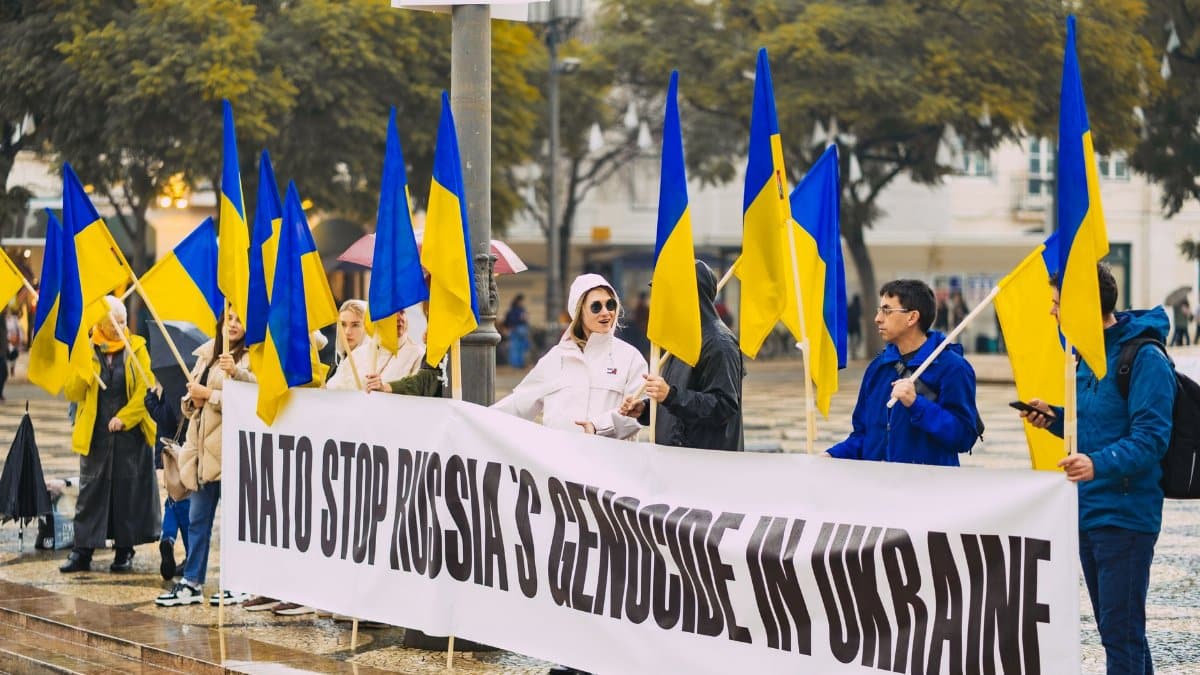
Denmark is a NATO ally. Greenland’s defense is tied to that alliance even though the island is far from the European plain that most Americans picture when they hear the word. A stronger American role can reinforce NATO if it is coordinated, funded, and explained as collective defense. It can strain NATO if it looks like one member pressing another for territory, access, or silence. Alliance politics run on the assumption that sovereignty is not a bargaining chip to be mocked in public. When that assumption wobbles, smaller members start asking what else might be negotiable. The health of the pact is not measured only in radar coverage. It is measured in whether Copenhagen and Washington can describe the same arrangement without one of them wincing.
European leaders have their own Arctic strategies, their own budgets, and their own voters who are tired of being told that every new commitment is existential. Coordination is dull. It is also the only way a northern buildup stays inside an alliance rather than becoming a bilateral drama with alliance stationery.
The politics waiting at home

In the United States, Greenland can be made to sound simple. A president points to a map, names a rival, and promises strength. Congress then has to appropriate money, oversee the Pentagon, and decide whether a wider mission matches a strategy that already stretches from the Pacific to Eastern Europe to the Middle East. Military construction in the Arctic is slow and costly. Weather punishes schedules. Supply lines are long. A deal announced in winter may still be a line item argument in the next budget season. Democrats and Republicans can both support Arctic awareness and still split on whether this particular expansion is prudent, legal, or mostly theatrical.
There is a domestic audience in Denmark as well, and it is not obligated to treat American campaign language as settled foreign policy. If voters there hear disrespect, the room for quiet cooperation shrinks. That is a practical constraint, not a matter of hurt feelings.
How to read a claim that is still larger than the paper

Journalists should treat the Trump Greenland Denmark deal as a claim under test, not as a completed transfer of power. Useful tests are ordinary. Do Danish and Greenlandic officials confirm the same scope. Are there new authorities, or a restatement of old ones. Is there a timeline, a spending figure, and a map of sites. Are environmental and local consent processes named, or waved away. Does the language preserve the right of Greenlanders to choose a political future that may, someday, include independence. A pact that cannot survive those questions is a press release. A pact that can survive them might still be controversial, but it would at least be a policy.
History offers a caution without offering a script. Great powers have long described other people’s land in the vocabulary of necessity. Sometimes the necessity was genuine. Often the vocabulary hid a simpler appetite for advantage. Readers can hold both thoughts. The Arctic is more contested than it was a generation ago. That fact does not entitle any capital to skip the people who will hear the aircraft overhead.
What the next months should clarify

Watch the paperwork, not the adjectives. If Washington, Copenhagen, and Nuuk publish a joint description, compare it with the presidential summary line by line. If they do not, the gap is the story. Watch whether new activity clusters around existing defense tasks, such as warning and surveillance, or spreads into harbors, minerals, and political influence operations dressed up as partnership. Watch how opposition parties in Denmark and community leaders in Greenland respond once the glow of the announcement fades. And watch whether allies in Canada, Norway, and the rest of NATO are invited into the planning or left to read about it.
A stronger American posture in Greenland may be defensible on narrow military grounds. It will be durable only if it is specific, paid for, and accepted by the governments and citizens who share the island’s fate. Until then, the Trump Greenland Denmark deal remains a phrase in search of a document, and the Arctic remains what it has always been for outsiders: easier to covet from a distance than to govern up close.