

On a still morning in late summer, the smell of wet ash gave way to pine and cold lake water along the border of Minnesota and Ontario. Paddlers who had waited through weeks of closures finally heard the sentence they wanted. Federal officials declared the Boundary Waters fires fully contained after lightning in July 2026 set off a run of blazes that together burned more than 70,000 acres. For people who measure a year by ice out and the first portage, the Boundary Waters fire season had become a long lesson in waiting, smoke, and the limits of a map.
What full containment does and does not promise
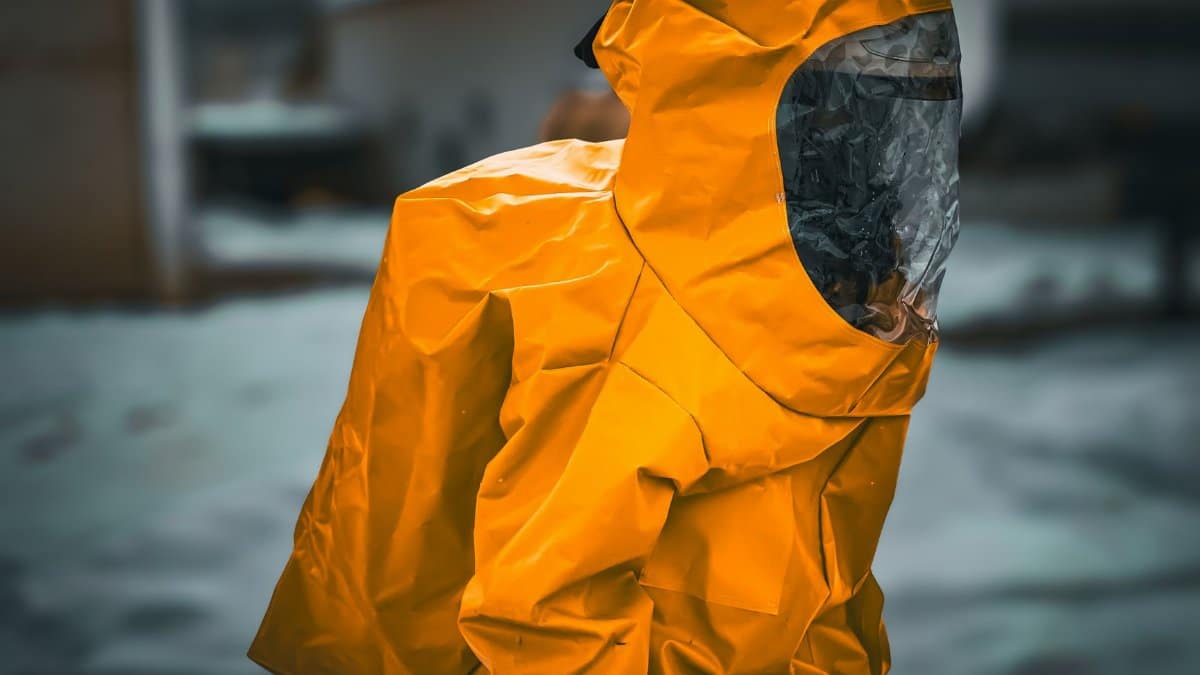
Containment is a technical word that sounds like an ending. In wildland fire it means crews have built and held a line they believe will stop the fire from spreading under expected weather. It does not mean every ember is cold. It does not mean every trail is open, or that a blackened shoreline is safe to camp on the day the notice goes out. Roots can smolder. Snags can fall without warning. Peat and duff can hold heat long after the canopy looks quiet.
Federal land managers use that distinction because visitors hear contained and picture a green light. In canoe country the green light comes later, after hazard trees are cut, portages are walked, and campsites are checked for weakened ground. The July fires closed a large share of a wilderness that people treat as a summer rite.
How lightning found dry fuel in July
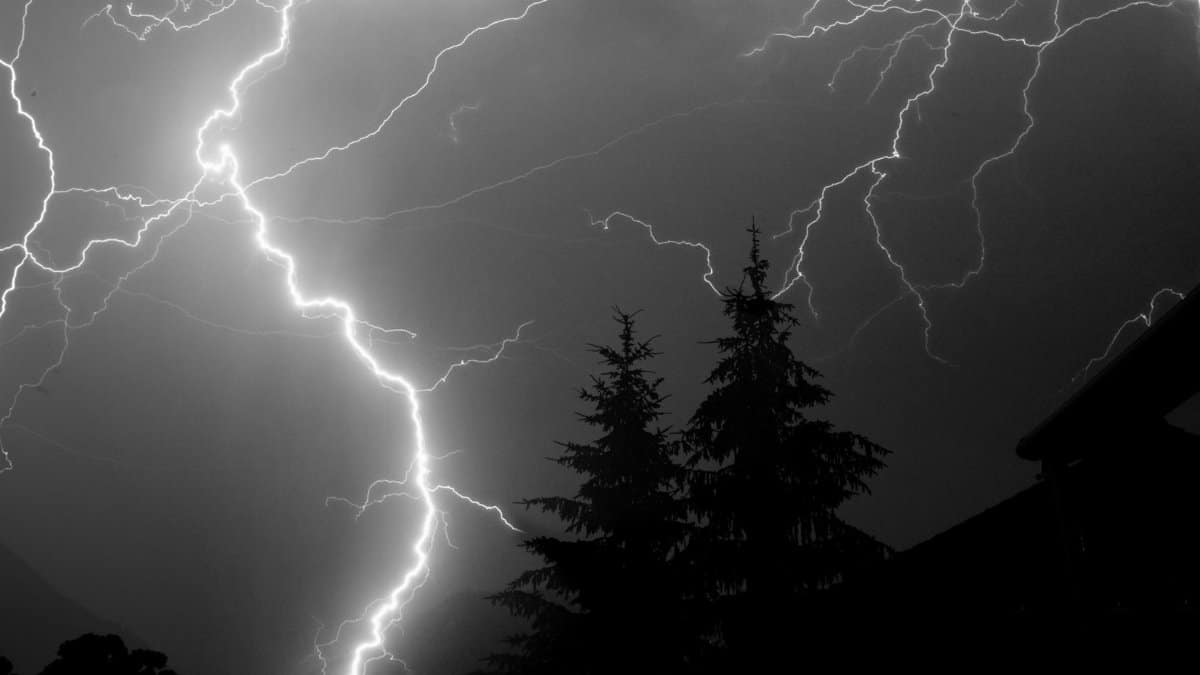
The fires began the way so many northern fires begin, with storms that brought more electricity than rain. Lightning struck a landscape already leaning dry. Springs in the upper Midwest had been uneven, and by midsummer fine fuels in the understory could carry flame from one jack pine stand to the next. Officials later described a complex of lightning fires rather than a single ignition, a pattern that forces managers to split crews across lakes they cannot drive between.
More than 70,000 acres is a large number in a place where travel is measured in paddle strokes. An acre here is not a flat field. It is granite, bog, island, and narrows. Fire can run a ridge and stall at a beaver pond, then spot across open water when wind lifts embers. That geography is why a fire season in this region can look modest on a satellite image and still reorder an entire summer for outfitters in Ely, Grand Marais, and the small towns that feed the entry points.
A summer measured in smoke and canceled plans

For weeks the question at boat landings was not which lake to fish but whether the air would clear. Smoke settled into valleys and drifted south, turning sunsets copper over cities that rarely think about the Quetico country until something burns. Parents rewrote family trips. Guides lost the weeks that pay for the quiet months. Some travelers rerouted to the North Shore and found even those roads under haze.
The Boundary Waters fire season has always been part of the calendar, but recent summers have made the phrase feel less like a specialist term and more like a public condition. People who do not own a canoe still tasted it. Air quality notices reached classrooms and clinics. The wilderness stopped being a postcard and became weather.
Why this country is built to burn
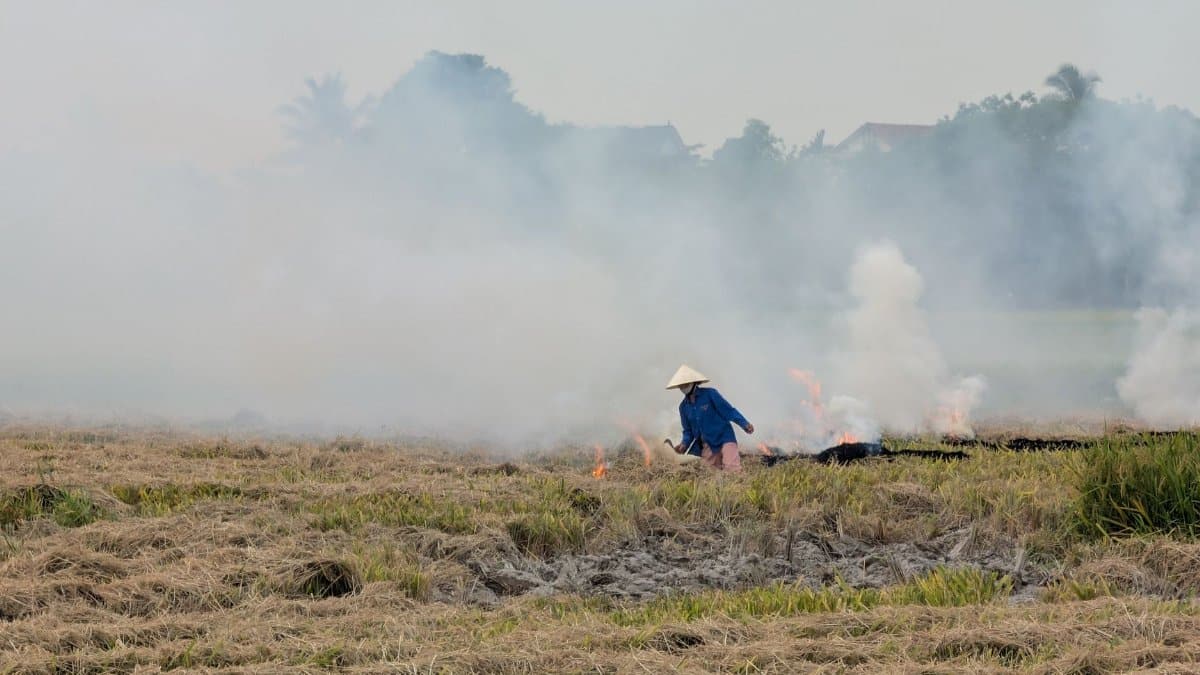
The Boundary Waters is not a garden that fire invaded by mistake. Jack pine, black spruce, and paper birch grew up with flame. Jack pine cones often stay sealed until heat opens them, a strategy that turns a crown fire into the next generation of trees. Aspen and birch sprout from roots when the canopy is stripped. Blueberries can come back thick on ground that looked ruined in August.
None of that romance erases the cost. A stand that needs fire on a century scale can still destroy a summer, a cabin outside the wilderness boundary, or a season of wages. Managers walk a narrow path. They suppress fires that threaten lives, property, and adjacent forests, and they also know that excluding fire forever stores fuel for a larger event. The July complex sat in that tension.
The work that happens after the headlines fade

Containment is announced. Then the less visible labor starts. Firefighters grid the interior, feeling for heat with their hands and with tools that read temperature in the soil. They fell trees that fire has hollowed. They watch wind forecasts because a contained fire can still throw sparks if a dry front arrives before the mop up is done. In a roadless wilderness that work moves by canoe, by float plane, and by foot on portages slick with ash.
Support crews haul pumps, hose, and food across the same lakes visitors use for leisure. The romance of the north woods does not survive a twelve hour shift in a black spruce swamp. Yet that labor is what makes a declaration credible. When officials said the fires were 100 percent contained, they were reporting a judgment earned in mud, not a slogan.
Towns that live on the edge of the map
Ely, Grand Marais, Tofte, and the communities scattered toward the Gunflint have economies braided to permits and coolers. A closed entry point is not an abstract policy. It is a motel with empty rooms and a grocery that ordered for a crowd that never came. Outfitters spent July answering the same email: when can we go. The honest answer was often not yet, and then a date that moved.
Residents also know the other side of the ledger. Fire crews fill restaurants. Some local people join the effort as packers, boat drivers, or agency staff. Pride and fatigue travel together. When the Boundary Waters fire season finally loosened its grip, the relief in those towns was practical. People wanted the lakes back, and they wanted the extraordinary pace of an incident to end so ordinary work could resume.
What returning paddlers will see
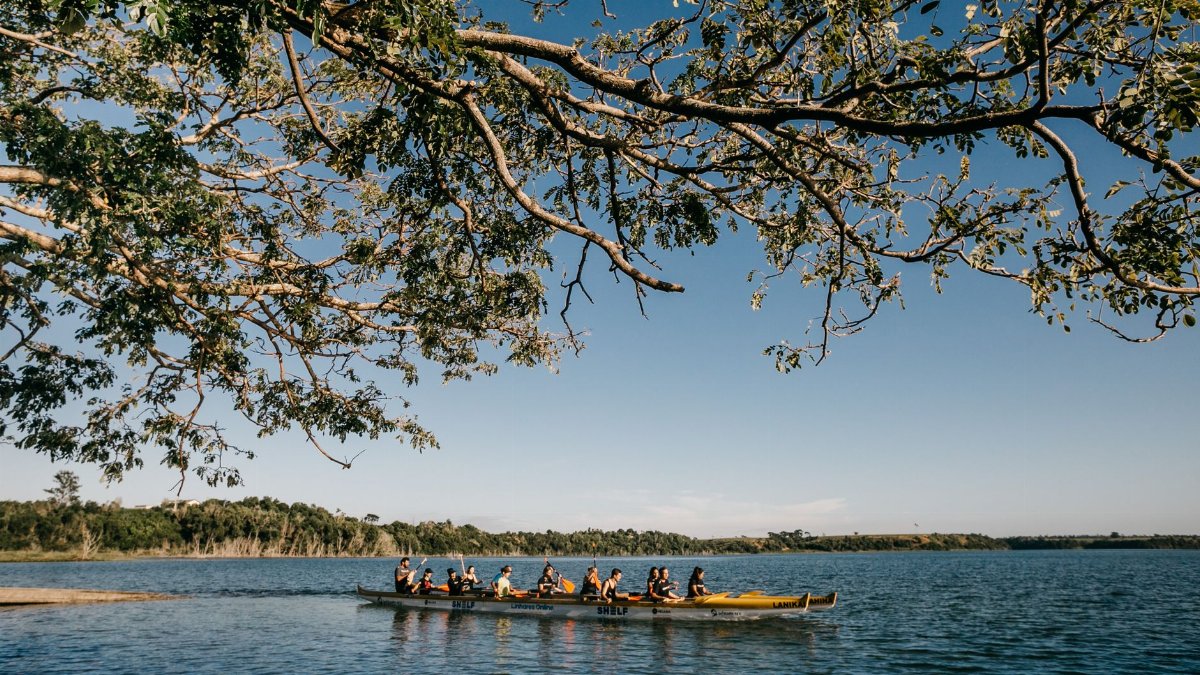
A contained fire does not restore a view. Travelers who enter burned areas in the coming months will pass shorelines where green meets black in a hard line. Some campsites will be closed because trees are unstable. Others will open onto a brightness that feels unfamiliar, with more sky than the old canopy allowed. Loons will still call. The water will still be cold. The portage will still hurt in the same places, plus a few new ones where tread is soft.
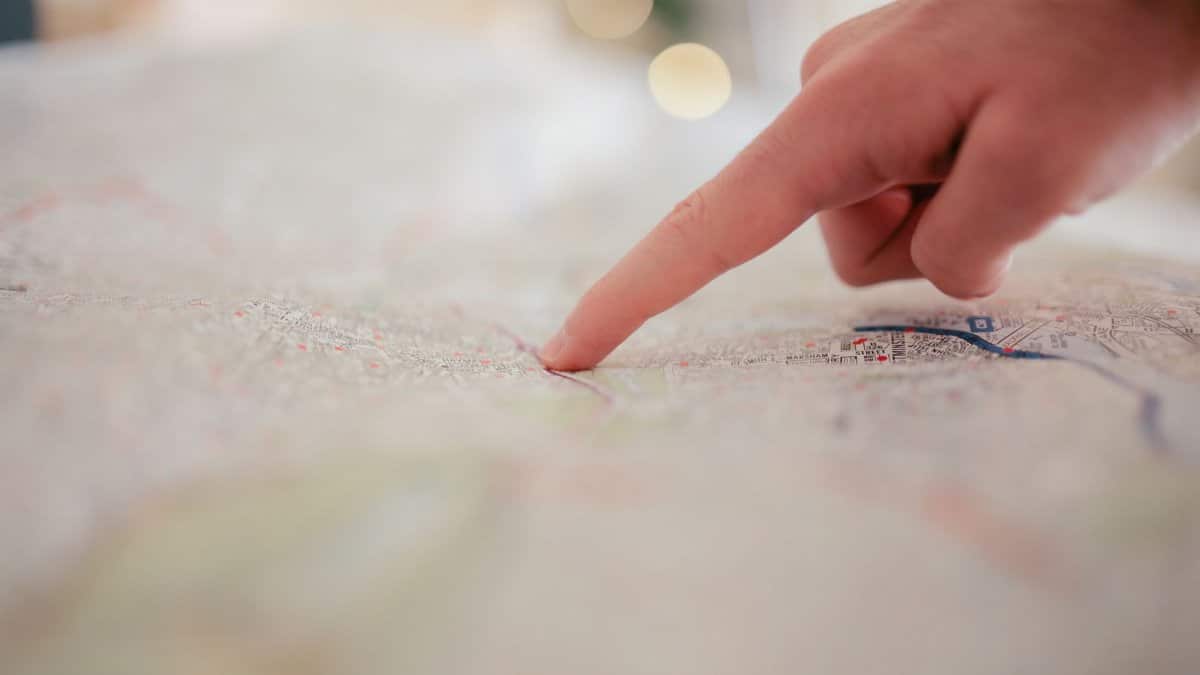
Veterans of this landscape tend to give the same advice. Go if the agencies say the zone is open. Carry the map that shows current closures, not last year’s memory. Do not treat a burned forest as a curiosity to wander off trail. Snags fall. Ash pits can hide hollow ground. The wilderness rules did not relax because the fire stopped growing.
Fire, reverence, and a harder kind of love

There is a spiritual habit in the way people talk about the Boundary Waters, even those who would never use that word. They speak of silence, of a first morning without a motor, of a humility that arrives when weather is larger than a plan. A fire season tests that habit. It is harder to romanticize a place when the place is closed, or when the silence is the silence of a crew resting between shifts.
A truer reverence might include the burn. It might include the people who held a line so someone else’s trip could happen next year, and the trees that will use this scar as a start. Faith traditions and secular awe meet in the same clearing: the land is not a backdrop for human plans. The Boundary Waters fire season made that old idea specific. More than 70,000 acres burned. The fires are contained. The country is still itself, only more visibly mortal.
The season ahead is already being written

Containment closes one chapter and opens the record keeping. Agencies will map severity, note where fire burned hot enough to consume the duff, and watch regeneration over years rather than weeks. Scientists and foresters will argue, as they always do, about fuel, climate, and the interval between big fires. Those arguments matter, but they will not fit on a sign at an entry point.
What fits on the sign is simpler. The July 2026 lightning fires are 100 percent contained. Travel will return in stages. Anyone planning a trip should read the latest notice before they pack, because a wilderness does not update itself to match a headline. The Boundary Waters fire season of this year will be remembered as the summer the north woods stopped pretending to be endless.