
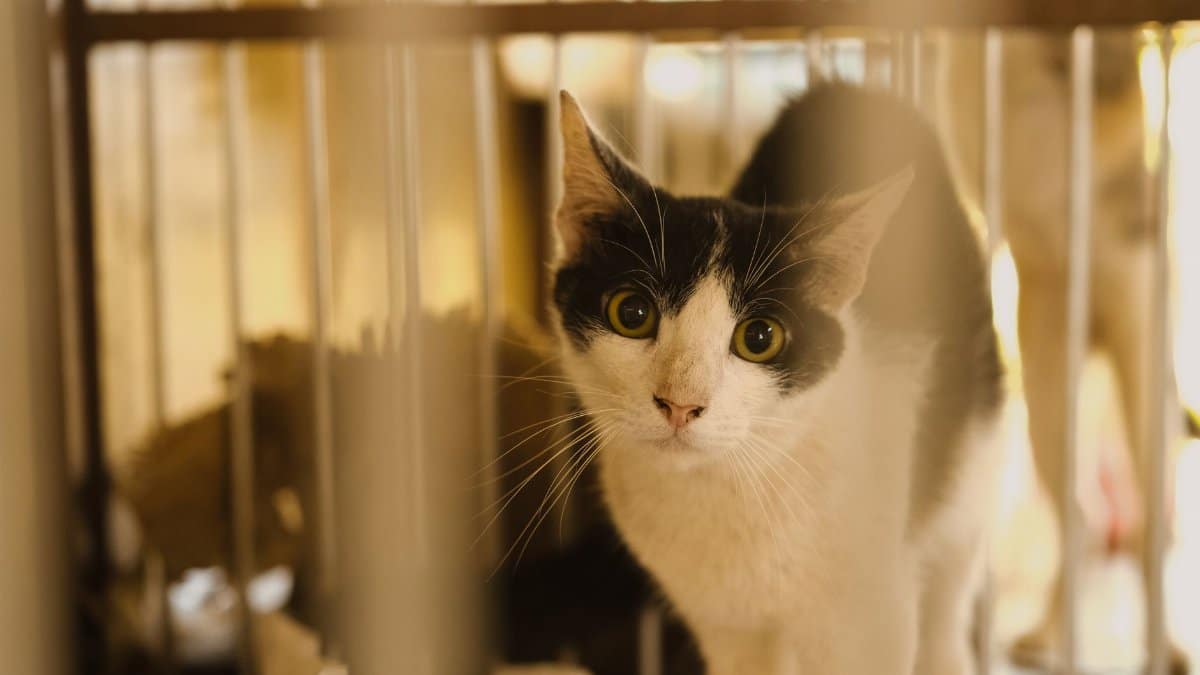
Across South Florida animal shelters face mounting challenges from a highly contagious feline illness that spreads rapidly in close quarters. Veterinarians across Miami Dade and Broward counties have reported clusters of severe cases this season leaving many facilities stretched thin. The situation highlights ongoing needs for better preventive care amid fluctuating rescue intakes. Local experts note that feline panleukopenia Florida has appeared more frequently in recent weeks prompting renewed calls for routine shots.
Current Shelter Conditions in the Region

Facilities in urban areas report higher volumes of sick arrivals than in prior years. Staff members work overtime to isolate affected animals and prevent further transmission through shared spaces. Limited funding often restricts the ability to expand quarantine areas or hire additional help during peak periods.
How the Illness Spreads Among Felines

Transmission occurs mainly through contact with contaminated surfaces or bodily fluids. The resilient pathogen survives in environments for extended periods making thorough cleaning essential yet demanding. Shelters with high turnover see faster outbreaks when new intakes bypass initial health screenings.
Vaccination Campaigns Gain Momentum

Clinics have stepped up outreach to promote core immunizations as the primary defense. Community events offer low cost options to owners who might otherwise skip visits due to expense. Data from participating sites shows improved survival rates when shots are given early in life.
Role of Rescue Groups in Containment

Volunteer networks coordinate transport and fostering to ease burdens on main shelters. These groups also educate adopters on monitoring for early symptoms and maintaining isolation protocols at home. Their efforts help reduce the overall load during busy months.
Effects on Local Veterinary Resources
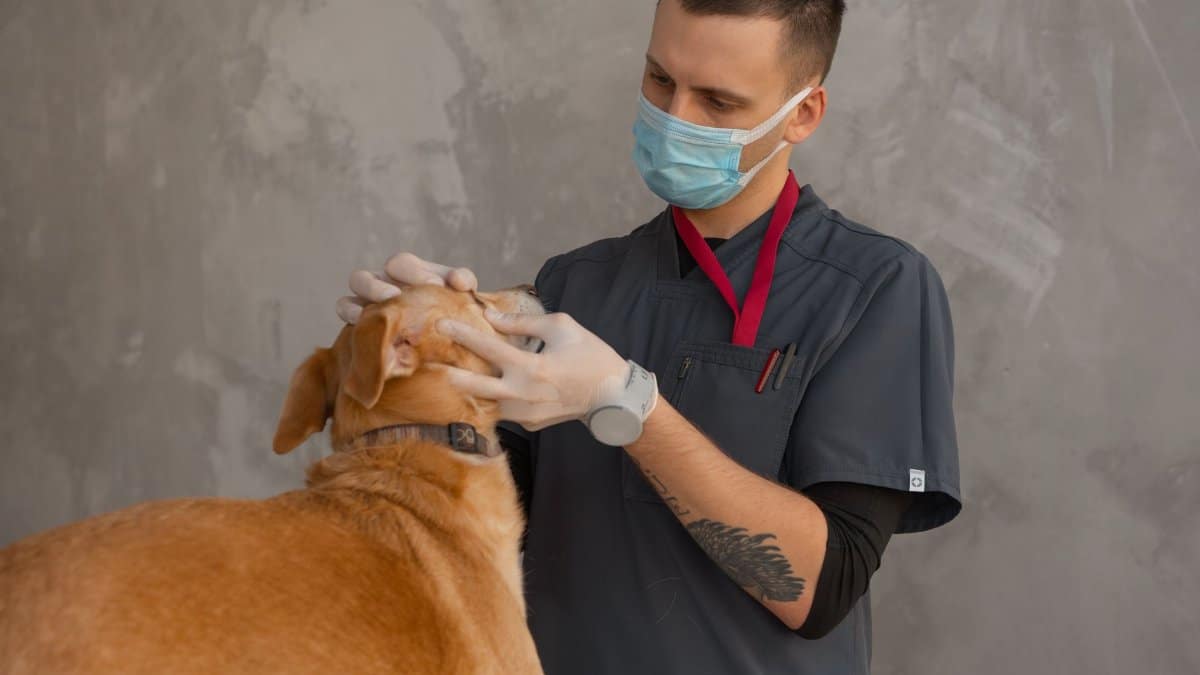
Hospitals treat rising numbers of dehydrated patients requiring intravenous support and round the clock observation. Some practices extend hours or partner with neighboring offices to handle overflow. This strain affects routine services for other pets in the area.
Public Awareness Efforts Underway
Information sessions at libraries and pet stores aim to reach middle aged households that often care for multiple animals. Printed materials explain basic hygiene steps that lower exposure risks in multi cat homes. Radio segments further amplify these messages to broader audiences.
Longterm Strategies for Prevention

Officials advocate for consistent record keeping on vaccination status during adoptions. Partnerships with supply distributors seek to stabilize costs for essential medicines used in treatment. Such measures build resilience against future waves of illness.
Stories from Frontline Workers

Technicians describe the emotional toll of caring for young kittens hit hardest by the disease. Many find motivation in successful recoveries that allow animals to find permanent homes. Support networks among staff help sustain morale through demanding shifts.