
As families across the Houston region prepared for what promised to be an ordinary start to the week the sudden shift in weather patterns brought a wave of adjustments that touched every household. Parents checked messages and local updates while children wondered about their routines amid forecasts of heavy rain and strong winds. The developments surrounding Edouard school closures highlighted how quickly communities must adapt when nature intervenes in daily schedules. Districts such as Conroe and Willis made swift decisions to pause in person learning on the second of September after Tropical Storm Edouard reached the upper Texas coast.
Community Response to Unexpected Weather
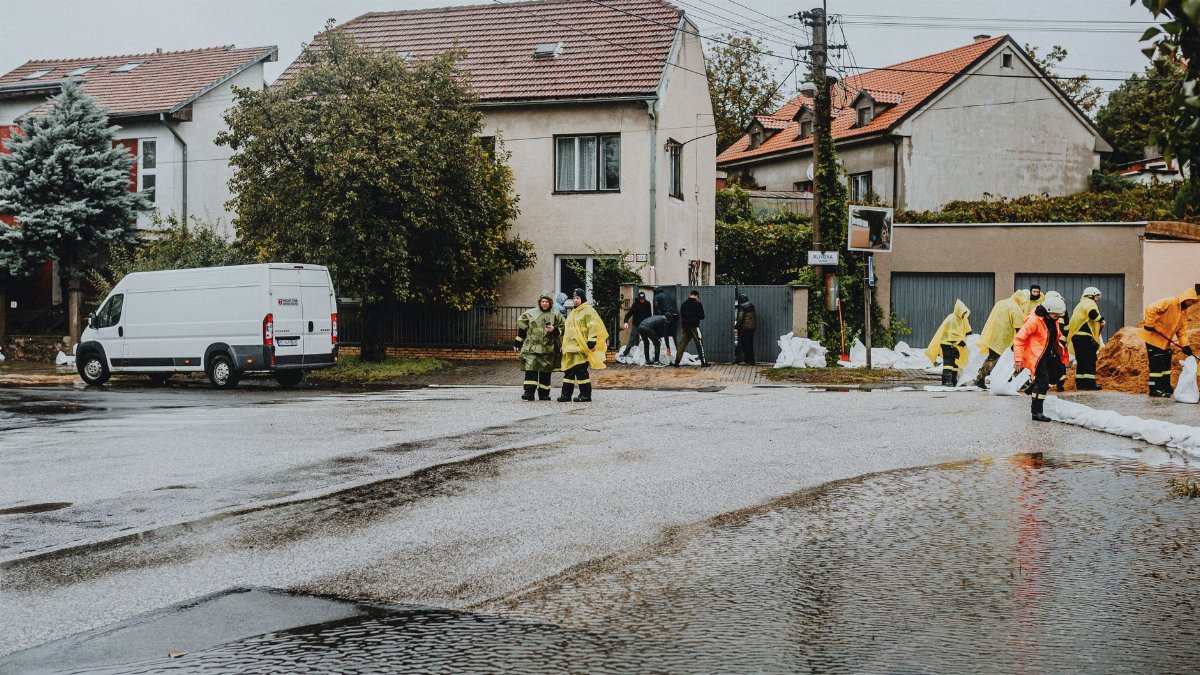
Residents in affected areas turned to local officials and school administrators for guidance during the period of uncertainty. Many expressed appreciation for the clear communications that helped families arrange childcare or alternative activities. The focus remained on safety as roads became slick and visibility dropped in some neighborhoods. Volunteers from neighborhood groups offered support to those needing extra assistance with transportation or supplies.
Impact on Student Learning Routines

Educators quickly pivoted to digital resources where possible so that lessons could continue in some form despite the pause in regular classes. Students accustomed to structured days found themselves with more time at home which sometimes led to creative projects or extra reading. Teachers noted the importance of maintaining connections through online platforms to reduce feelings of isolation during the disruption.
Role of Local Districts in Decision Making

Administrators in Conroe and Willis worked closely with emergency management teams to assess conditions before announcing the changes. Their choices reflected a priority on protecting students and staff from potential hazards associated with the storm. Past experiences with similar events informed the process allowing for faster responses this time around.
Broader Effects on Family Schedules

Working parents faced the task of rearranging commitments to stay with younger children who would otherwise have been in classrooms. Some turned to relatives or neighbors for help while others took time off work. The situation underscored the interconnected nature of school operations and household economics in the region.
Historical Patterns of Storm Related Adjustments

Records show that coastal Texas communities have dealt with comparable interruptions over the years often leading to refined protocols for future incidents. Lessons from previous seasons helped shape current approaches to announcements and support services. This continuity in planning aims to minimize long stretches without educational access.
Preparation Steps for Similar Events

Experts recommend that families maintain updated contact lists and emergency kits even when storms appear distant at first. Schools continue to refine their notification systems to reach households promptly. Such measures build resilience in the face of recurring weather challenges along the Gulf.
Looking Ahead to Recovery and Return

Once conditions improved districts planned to resume normal operations with attention to any needed makeup days or adjusted calendars. Community leaders emphasized unity and shared responsibility in moving forward. The episode served as a reminder of the value placed on consistent education amid variable external factors.