
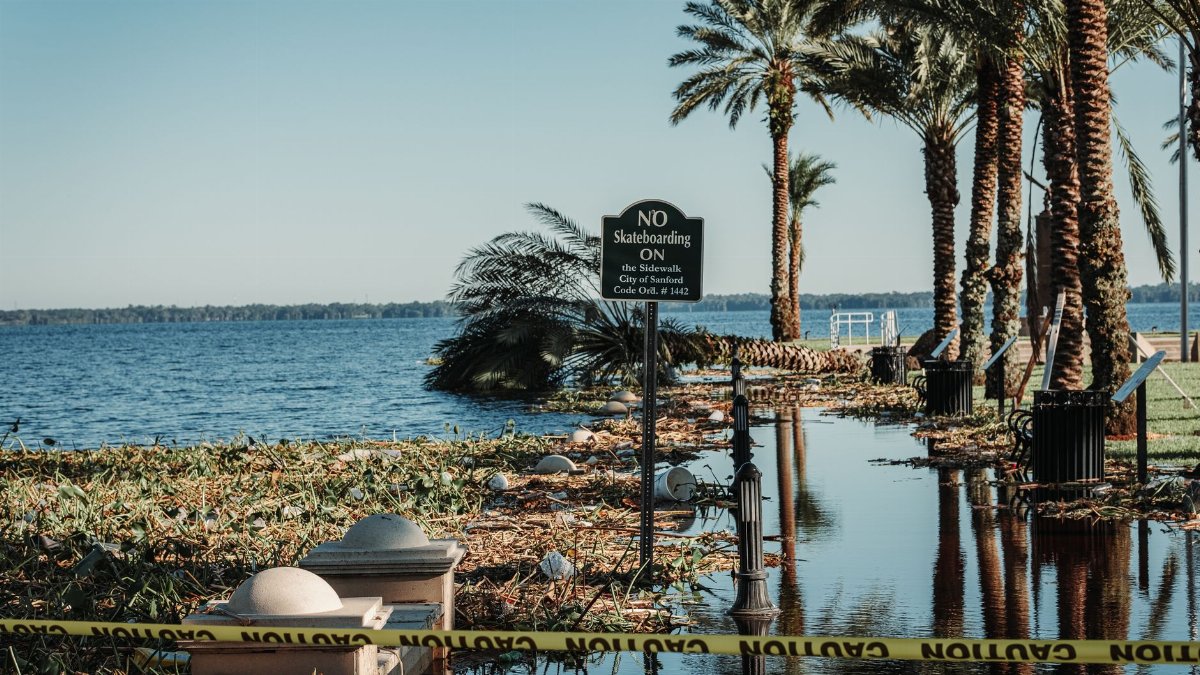
Inland communities across Florida have watched as summer storms grow more intense each year, turning quiet streets into rivers and overwhelming drainage systems built decades ago. Local leaders in places like Lake County and parts of the Panhandle argue that state funding streams overlook their needs. The Resilient Florida grants program, launched in 2021, has directed the bulk of its resources toward shoreline protection rather than the repeated flooding that disrupts inland lives and economies.
Program origins and early priorities
State officials created the grants to prepare communities for rising water risks. Early rounds emphasized projects along developed coastlines where property values run high and tourism drives revenue. Inland applicants submitted plans for upgraded culverts and retention ponds yet received smaller awards or none at all.
Funding patterns revealed in recent data

Review of state distribution records shows coastal counties captured more than three quarters of total dollars allocated so far. Inland counties with documented flood complaints received shares that often fell below ten percent of their requested amounts. The imbalance persists even as weather records indicate heavier rainfall events moving farther from the shoreline.
Stories from Lake County residents
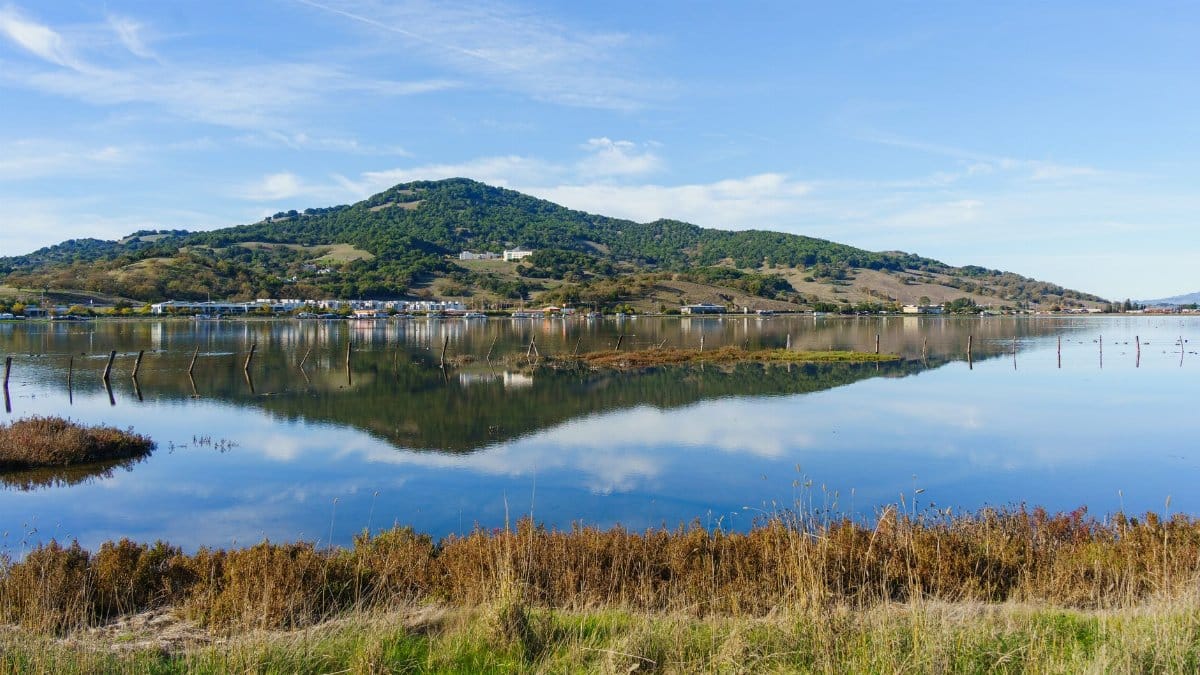
Farmers near Tavares describe fields that stay saturated for weeks after heavy rains, damaging crops and delaying harvests. County engineers submitted proposals for improved stormwater basins but watched larger coastal projects advance first. Families report repeated damage to homes that lack the elevation standards required for federal aid.
Coastal projects versus inland needs
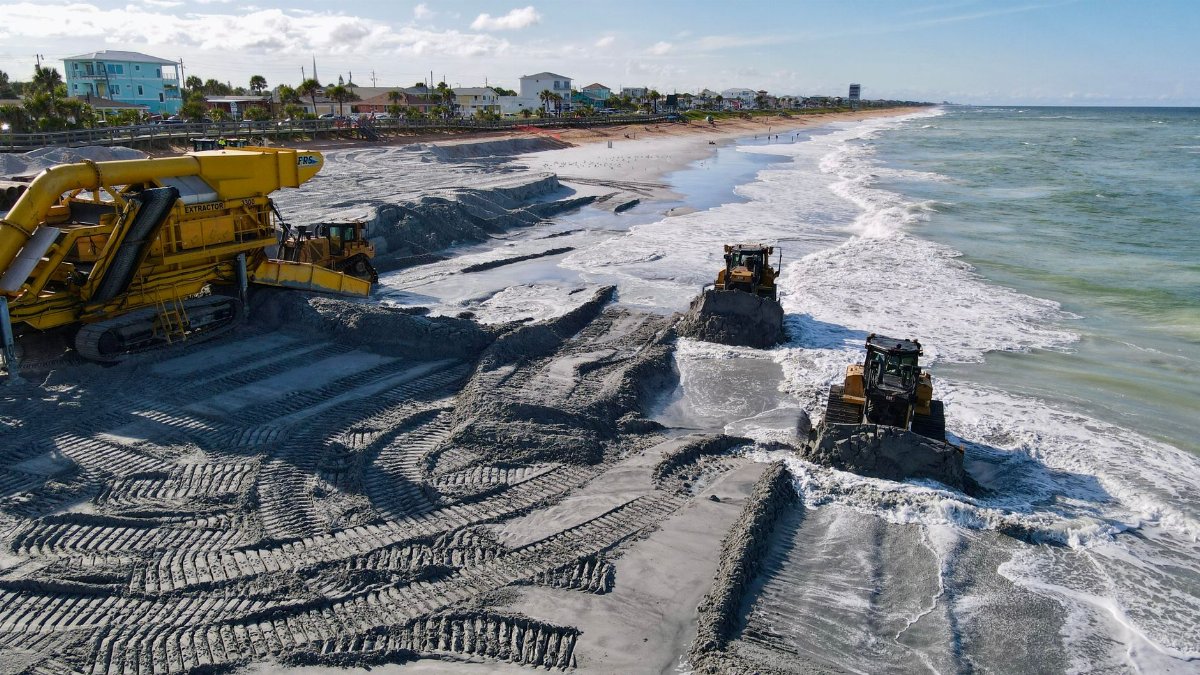
Beach nourishment and seawall upgrades receive steady support because they protect high value real estate. Inland requests focus on drainage networks and road elevation in low lying neighborhoods. Both sets of needs address flood risk yet compete for the same limited pool of state money.
Local officials speak on allocation fairness

Mayors from smaller inland municipalities say application requirements favor jurisdictions with large planning staffs. Coastal cities maintain dedicated resilience offices that produce polished proposals quickly. Rural counties often rely on part time engineers who juggle multiple roles.
Weather trends affecting central Florida
Rainfall totals during tropical systems have increased in interior counties over the past decade. Saturated soils leave little room for additional water before streets flood. These patterns differ from coastal surge events yet produce comparable economic losses for residents.
State response and future rounds

Program administrators note that applications must demonstrate measurable risk reduction. They point to a recent round that included some central Florida awards for pump stations. Officials add that total funding levels remain modest relative to the scale of statewide needs.
Economic stakes for inland economies
Agriculture and small manufacturing depend on reliable access to markets. Repeated flood closures raise insurance costs and discourage new investment. Business owners worry that continued underfunding will accelerate population loss as younger workers seek drier locations.
Calls for revised criteria

Advocates propose weighting formulas that account for repeated rainfall flooding rather than solely for storm surge exposure. They suggest set asides for smaller counties that lack matching funds. Lawmakers have begun discussing adjustments ahead of the next application cycle.
Broader lessons on state climate spending
The current distribution highlights tensions between visible coastal assets and quieter interior vulnerabilities. Similar patterns appear in other states where population centers on the shore draw the largest shares of resilience money. Inland communities continue to press for recognition that flood damage does not stop at the tide line.