

The latest employment numbers caught many observers off guard and prompted a swift reassessment of monetary policy expectations. With more positions added than projected the data has elevated the prospects for an interest rate adjustment at the upcoming Federal Reserve meeting. This development ties directly into the ongoing discussion around the jobs report rate hike dynamic that markets have been monitoring closely. Investors reacted by pulling back from equities as bond yields climbed in anticipation of tighter policy. The broader implications extend beyond immediate trading as businesses and consumers alike begin to factor in potential increases in borrowing costs.
Equity Markets Show Decline
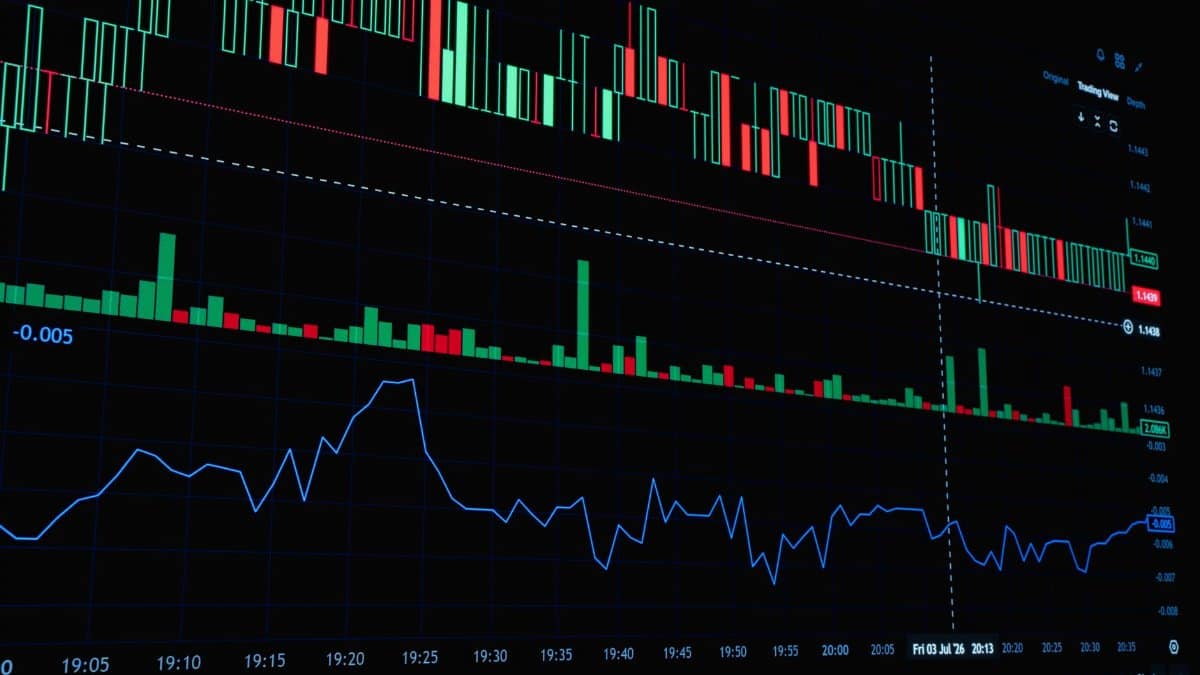
Share prices retreated across major indexes as participants absorbed the stronger hiring data. Technology and consumer discretionary shares led the downward move while defensive sectors held up better. Trading volumes picked up notably during the session reflecting heightened uncertainty over the path of policy.
Employment Figures Surprise Forecasters

Payroll gains exceeded consensus estimates by a wide margin and the unemployment rate held steady at low levels. Wage growth remained moderate yet the overall picture pointed to a resilient labor market. Analysts noted that such outcomes often influence central bank deliberations in the months ahead.
Federal Reserve Policy Outlook Shifts

Market based measures now assign a higher probability to a policy tightening at the September gathering. Officials have signaled that decisions will depend on incoming information and the recent report adds to the case for vigilance. Forward guidance may be adjusted accordingly in coming statements.
Bond Yields Move Higher

Treasury yields rose across the curve with the ten year note posting its largest daily advance in weeks. Investors sold existing debt as the chance of near term rate action increased. This repricing has ripple effects on mortgage rates and corporate borrowing expenses.
Investor Sentiment Turns Cautious

Portfolio managers reported reducing equity exposure in favor of cash or shorter duration fixed income. Volatility measures ticked up though they remained within recent ranges. The episode serves as a reminder that labor data can alter asset allocation decisions rapidly.
Sector Performance Varies Widely
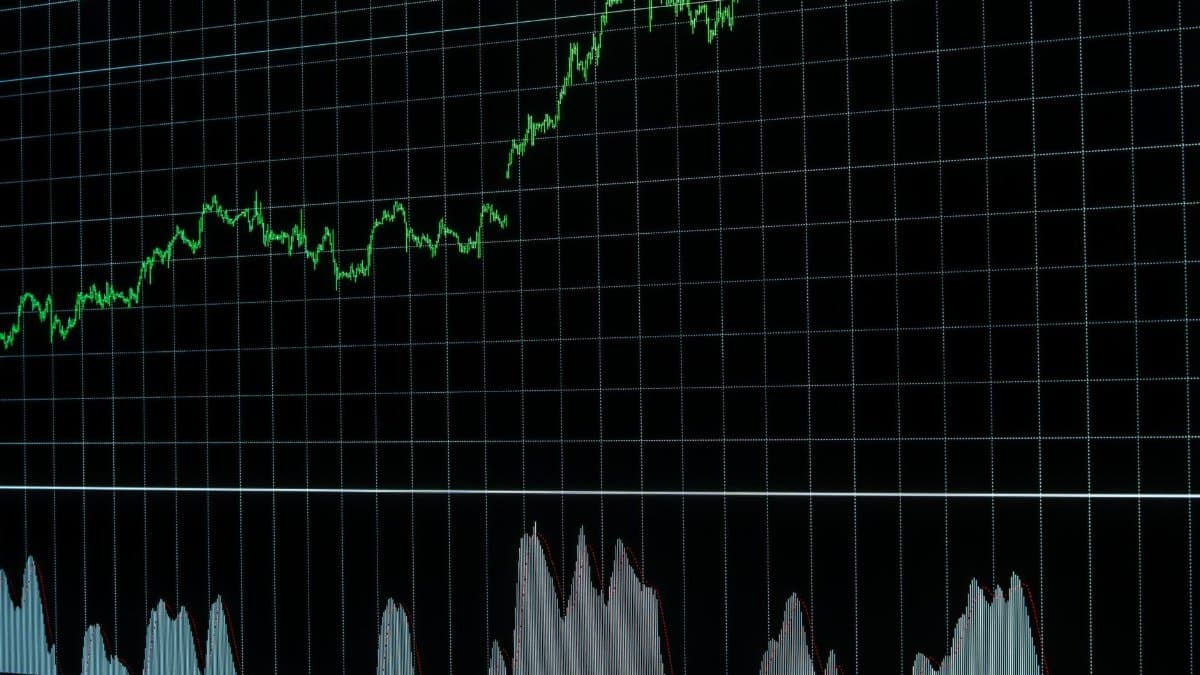
Financial companies posted gains on the prospect of wider net interest margins while real estate investment trusts faced pressure from higher borrowing costs. Energy shares fluctuated with commodity prices and health care names showed relative stability.
Global Markets React to U.S. Data

Overseas exchanges followed the domestic lead with modest losses in early trading. Currency markets saw the dollar strengthen against several major peers as rate differentials came into focus. Commodity prices also moved in response to shifting growth expectations.
Longer Term Economic Implications

Persistent labor market strength could support consumer spending yet also risks overheating if policy does not respond. Businesses may delay expansion plans amid uncertainty over financing costs. Policymakers face the task of balancing growth and inflation objectives in the periods ahead.
The jobs report rate hike narrative is likely to remain central in financial commentary through the fall. Additional data releases will provide further clarity on whether the recent trend persists. Observers continue to watch for signs of moderation in hiring or wage pressures that might alter the current assessment.