

In the wake of intense summer weather across Gloucester County, local leaders faced tough choices about when to resume normal activities for families. Roads blocked by fallen trees and flooding created immediate hazards, forcing a postponement that caught many by surprise. The decision pushed the opening of classes in one New Jersey township to September 8, giving crews time to clear paths and restore access. This Mantua school storm delay offers a window into how small towns balance safety with the need to keep education on track amid unpredictable conditions.
Effects on Student Schedules

Families had prepared for an earlier return with supplies bought and routines set. The change meant extra weeks of summer for some children while others adjusted childcare plans. Teachers used the time for additional preparation though some lessons required rescheduling. Parents noted the disruption but appreciated the focus on safe travel routes.
Road Conditions After the Weather Event
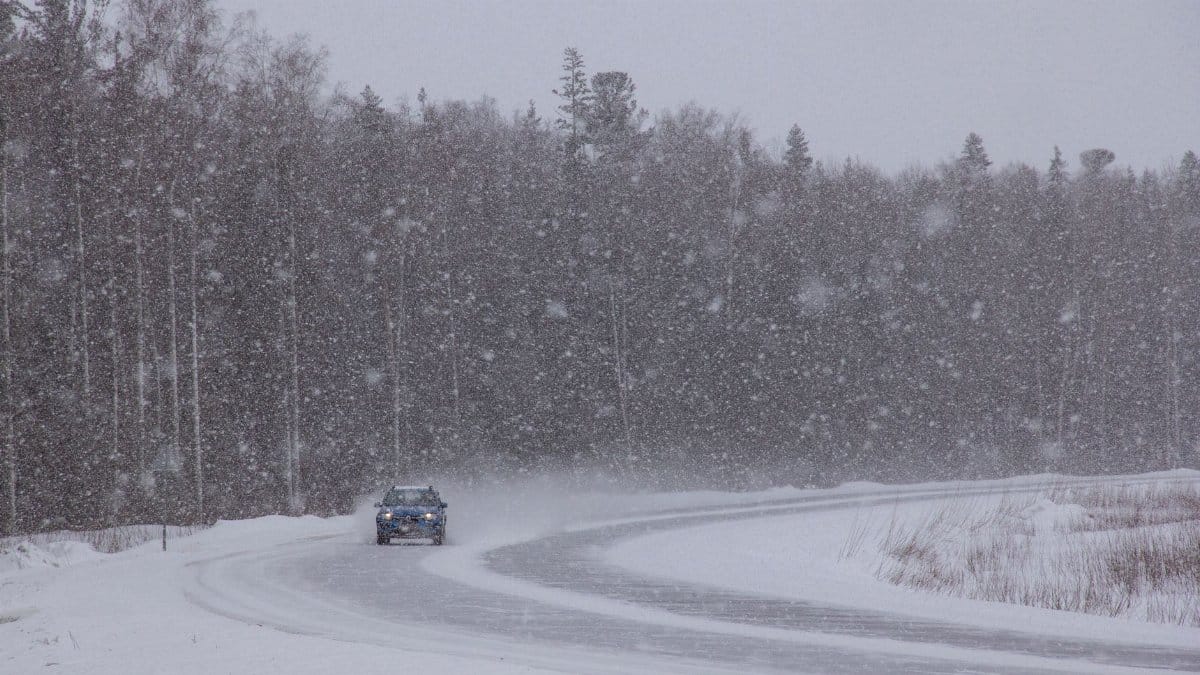
Crews worked around the clock to remove debris and repair surfaces damaged by heavy rains. Several key arteries remained closed for days, making bus routes impossible in their original form. Officials mapped alternative paths and communicated updates through local channels. These efforts helped restore basic mobility but revealed vulnerabilities in rural infrastructure.
Role of Local Government in Crisis Management
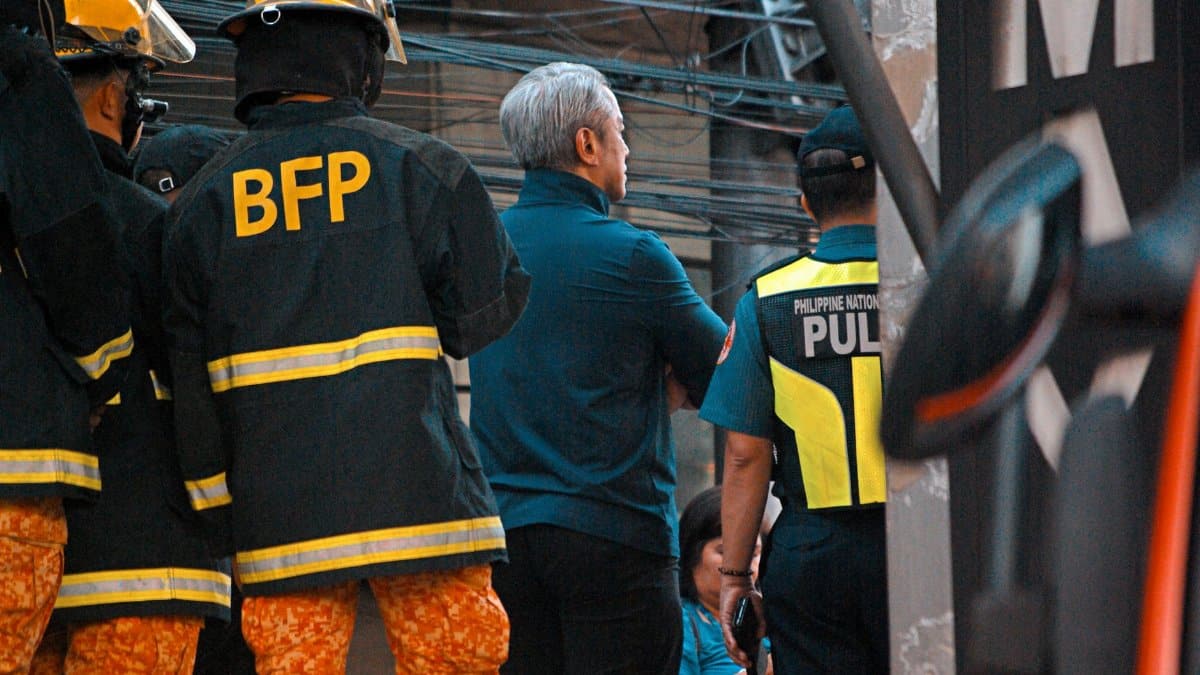
Township administrators coordinated with county emergency teams to assess damage and prioritize fixes. Regular briefings kept residents informed about progress and revised timelines. Such collaboration proved essential when standard procedures could not cover the scale of cleanup needed. Decisions reflected input from public works and school leaders alike.
Community Support Networks in Action

Neighbors shared rides and resources to ease burdens on working parents. Churches and civic groups opened spaces for informal gatherings during the extended break. These informal efforts filled gaps left by official services and strengthened ties among residents. Many saw the episode as a reminder of shared reliance in times of trouble.
Extended Planning for School Districts

Administrators reviewed calendars to fit required instructional hours without major cuts. Makeup days were considered along with possible adjustments to holidays later in the year. Such flexibility allowed the district to meet state standards while addressing immediate safety concerns. Future weather events may prompt earlier contingency planning.
Safety Measures for Young Learners

Bus drivers received updated training on navigating changed conditions. Crossing guards were stationed at new locations near cleared areas. The emphasis remained on preventing accidents during the return to classes. Feedback from parents helped refine these steps before students boarded vehicles again.
Broader Implications for Regional Education
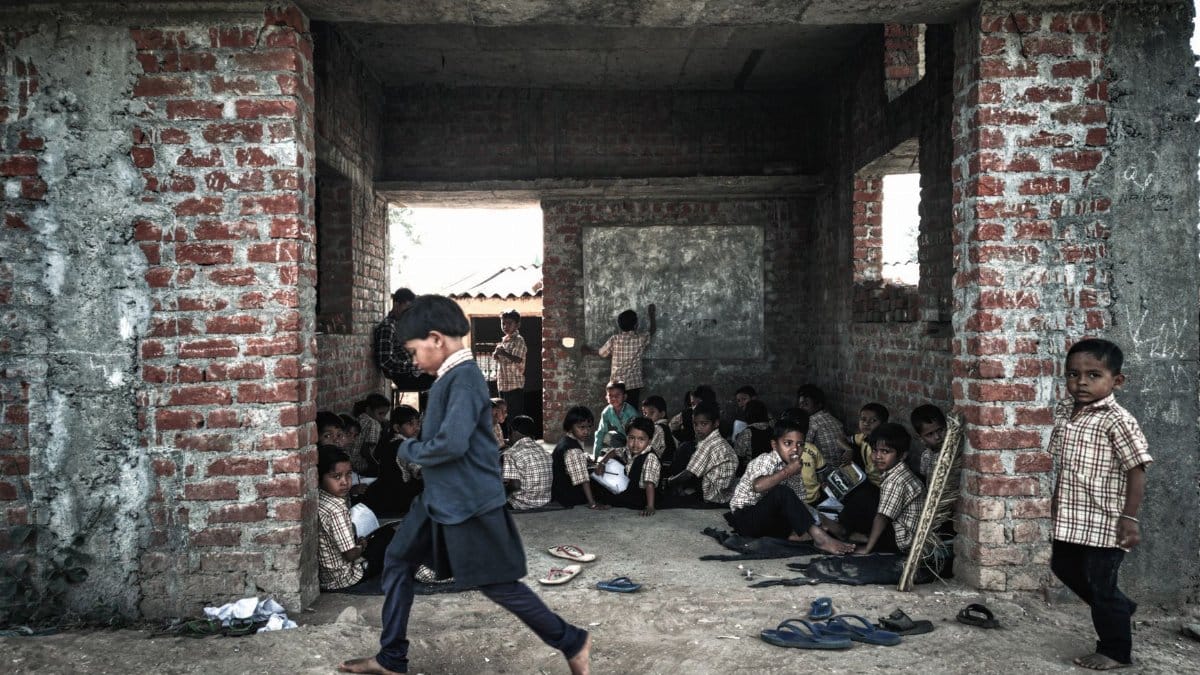
Nearby districts watched the situation closely for lessons on their own preparedness. Similar storms could affect other areas with comparable geography and limited alternate routes. Discussions began about shared resources for rapid response across county lines. The episode underscored connections between weather patterns and daily operations in public institutions.
Reflections on Resilience and Adaptation
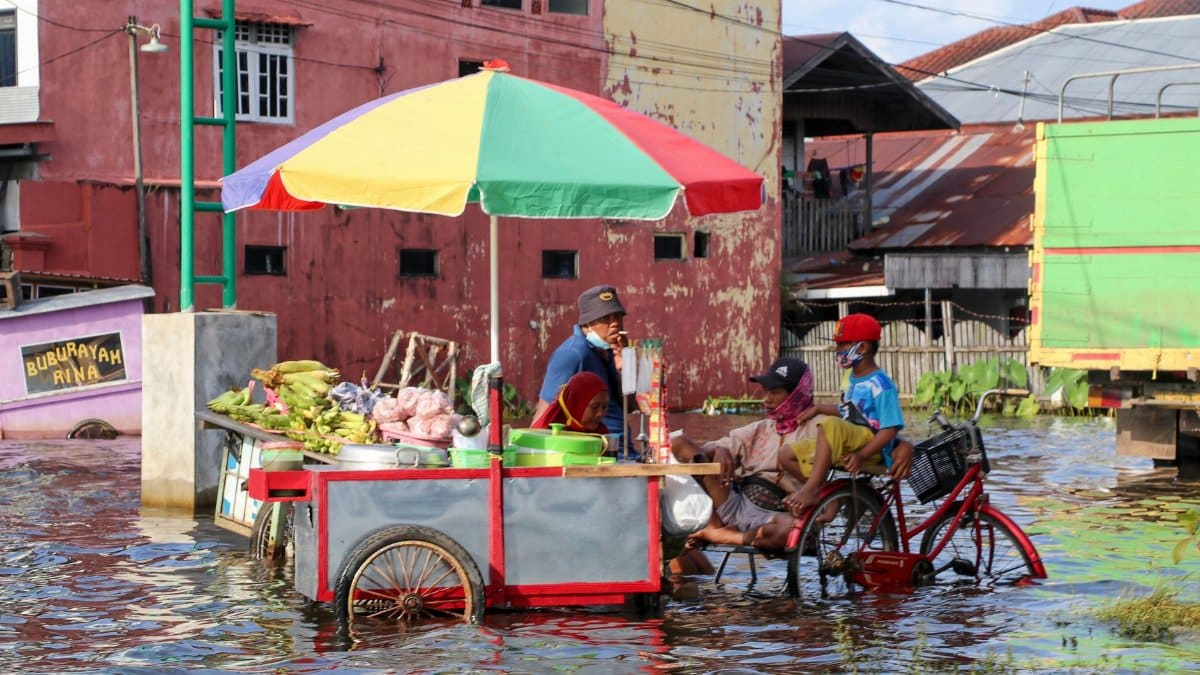
The episode tested the patience of a community accustomed to steady routines. Yet the orderly shift to a later date demonstrated practical problem solving under pressure. Residents expressed hope that investments in infrastructure would reduce future interruptions. Education continued to serve as a central thread binding daily life in the township.