
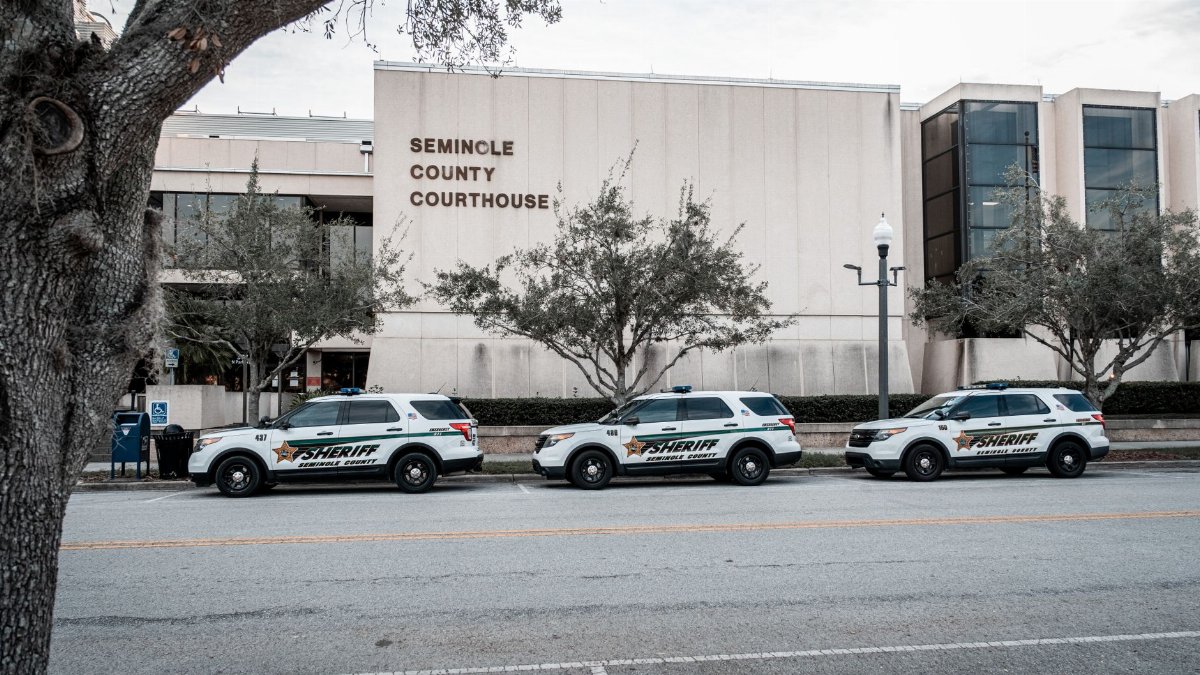
In a surprising turn of events that highlights tensions between local government and oversight bodies a recent court decision has brought attention to the LA sheriff records lawsuit. The ruling points to potential issues in how legal representation is handled when different county entities find themselves at odds over access to important files on deputy actions.
The Origins of Oversight Demands

Local watchdogs have long sought greater access to internal documents detailing how law enforcement handles critical incidents. These efforts stem from years of public calls for accountability in a region where trust in policing has faced repeated tests. The push gained momentum as community leaders emphasized the need for open records to foster better relations between residents and authorities.
Role of the Oversight Commission

An independent panel charged with monitoring sheriff operations stepped forward to request files on incidents involving force. This group operates with a mandate to review practices and recommend changes aimed at improving conduct. Their legal action underscores a commitment to shedding light on processes that affect many lives in the area.
The Judges Assessment of Representation

During proceedings the court identified a clear problem with one office attempting to represent both sides in the dispute. Such dual involvement was described as creating an unavoidable tension that could undermine fair handling of the case. The decision stressed the importance of separate counsel to ensure each party receives unbiased guidance.
Broader Effects on County Operations
This conflict raises questions about how administrative arms of government manage competing interests when disputes arise internally. Officials may need to rethink structures that allow one entity to serve multiple roles in sensitive matters. The outcome could prompt reviews of similar arrangements across other departments.
Public Interest in Record Access

Residents and advocates argue that details on deputy conduct belong in the public domain to support informed discussions about safety and justice. Without such transparency patterns of behavior might remain hidden limiting opportunities for meaningful reform. The LA sheriff records lawsuit serves as a focal point for these ongoing conversations.
Legal Precedents and Future Cases

Prior rulings on government transparency have set expectations that agencies must balance privacy concerns with the right to know. This latest development adds to that body of law by clarifying boundaries around representation conflicts. Observers expect it to influence how similar requests are processed going forward.
Challenges in Balancing Privacy and Openness

While some argue for protecting certain details to avoid compromising ongoing work others maintain that broad access strengthens community bonds. Finding middle ground requires careful policies that respect both needs. The current case illustrates the difficulties in striking that balance effectively.
Voices from Affected Communities

Families touched by past incidents express hope that greater disclosure will lead to changes preventing future harm. Their stories add a human element to the legal debate showing why record access matters beyond abstract principles. These perspectives remind everyone involved of the real stakes involved.