
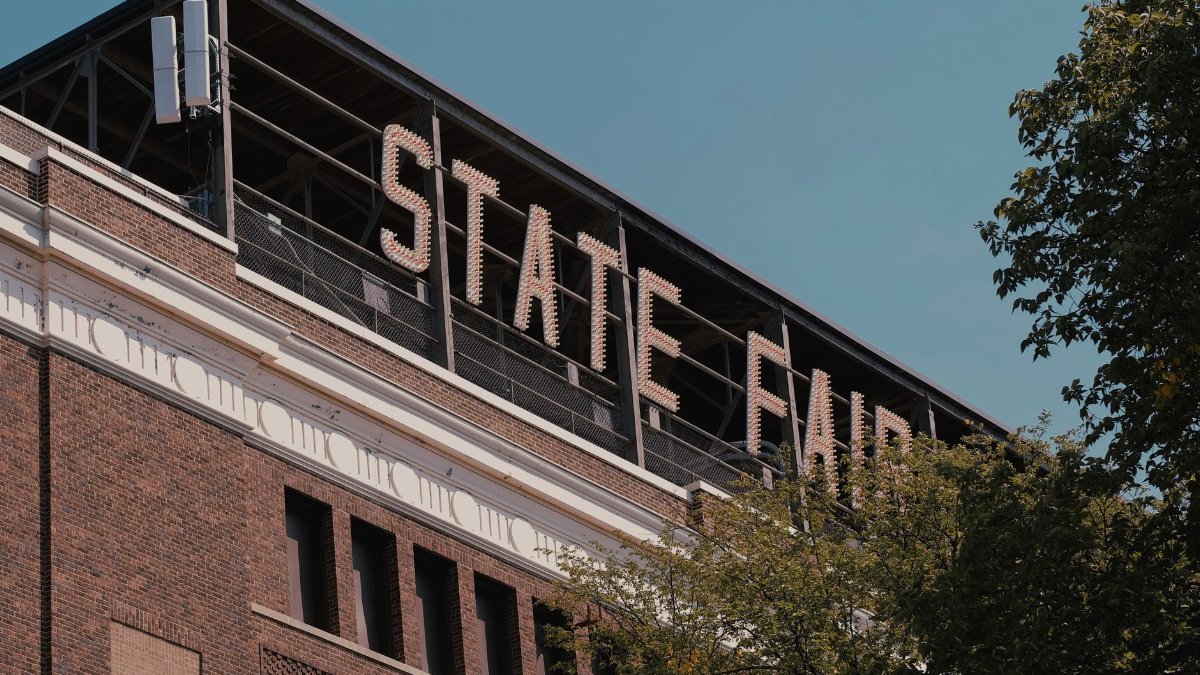
Crowds filled the grounds of the Minnesota State Fair this past summer with the usual mix of families livestock shows and food vendors creating a familiar scene of seasonal celebration. Despite a strong start that broke previous marks for early days the final count for State Fair attendance came in lower than the year before leaving organizers and visitors to reflect on shifting patterns in public turnout.
Final Numbers Reveal Modest Decline

The total reached 1923325 visitors for the 2026 event representing a drop of roughly 17500 from the prior edition. Officials noted the figure still ranks among the stronger showings in recent decades yet falls short of the peak achieved in 2025. Daily tracking through the run showed consistent crowds on weekends while midweek visits tapered more than expected.
Opening Days Create Early Optimism

The first weekend delivered record breaking numbers that fueled hopes for an overall surge. Clear skies and popular new exhibits drew families from across the region eager to sample fresh offerings. This burst of energy highlighted how initial momentum can shape perceptions even when later results moderate.
Weather Patterns Influence Mid Run Attendance

Mild temperatures early gave way to scattered rain and humidity in the second week which appeared to dampen some spontaneous visits. Organizers pointed to historical data showing similar dips during comparable conditions in past fairs. Visitors who did attend often stayed longer once on site seeking shelter in indoor displays and performance areas.
Economic Factors Shape Visitor Choices
Rising costs for travel lodging and on site purchases may have prompted some households to limit their trips this season. Surveys conducted at entry gates indicated a slight increase in local attendees offsetting fewer out of state guests. Vendors reported steady sales in staple items like dairy treats yet noted softer demand for higher priced souvenirs.
Community Traditions Maintain Strong Draw
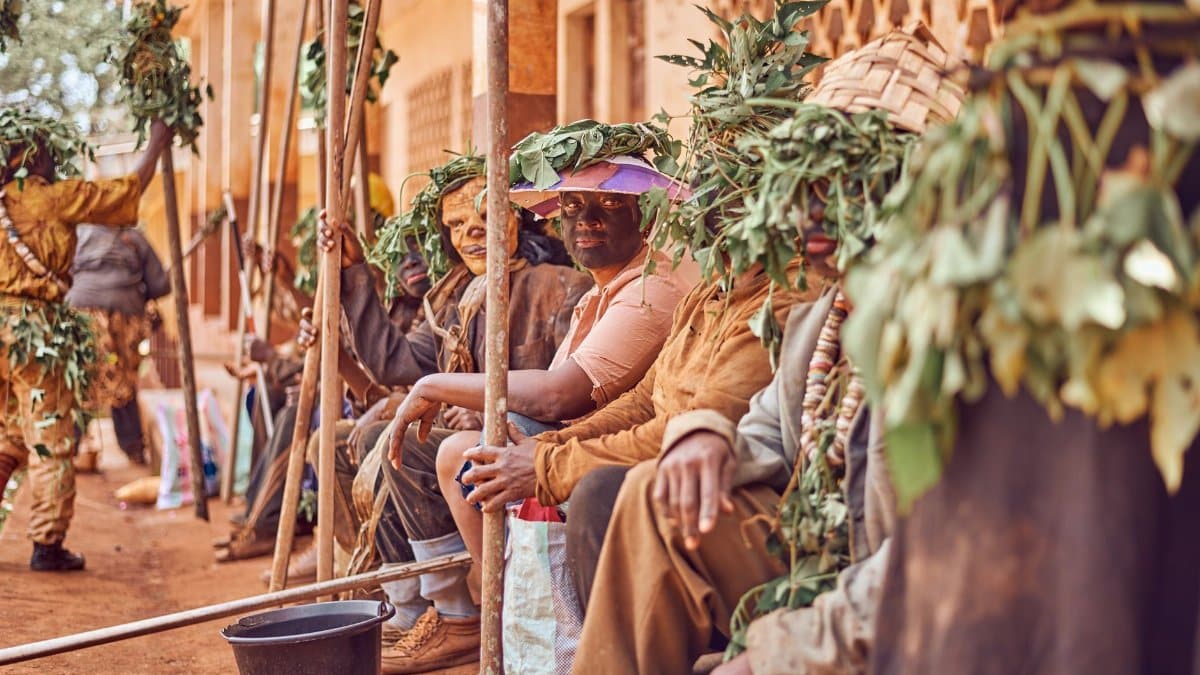
Longstanding elements such as the livestock competitions and evening concerts continued to anchor the experience for many returning families. These gatherings foster a sense of shared heritage that transcends mere entertainment. Participants described the fair as a yearly ritual reinforcing regional identity and personal connections formed over decades.
Youth Engagement Offers Signs of Continuity

School groups and 4 H clubs brought large numbers of young people introducing new generations to classic attractions. Interactive displays on agriculture and science sparked interest among students who might otherwise skip such events. This influx helped sustain energy levels during slower weekday periods.
Looking Ahead to Future Planning

Fair management plans to review transportation options and promotional strategies based on this years data. Discussions include expanded digital ticketing and partnerships with regional transit to ease access. Such adjustments aim to build on existing strengths while addressing barriers that may have contributed to the modest shortfall.