
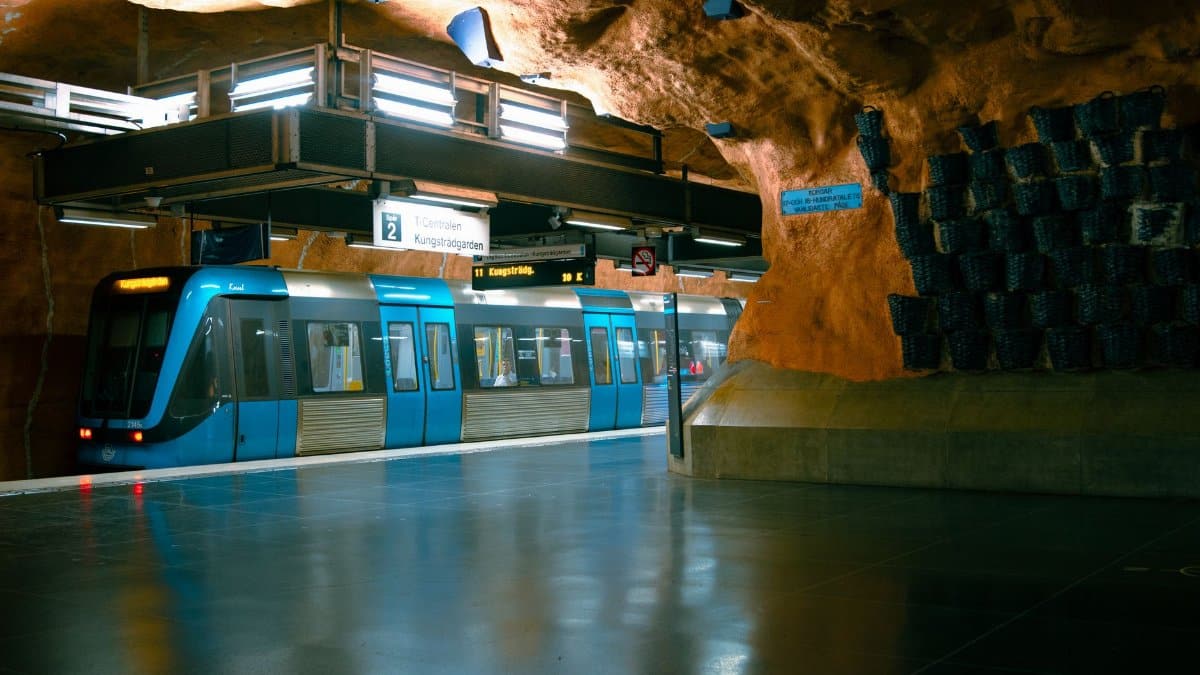
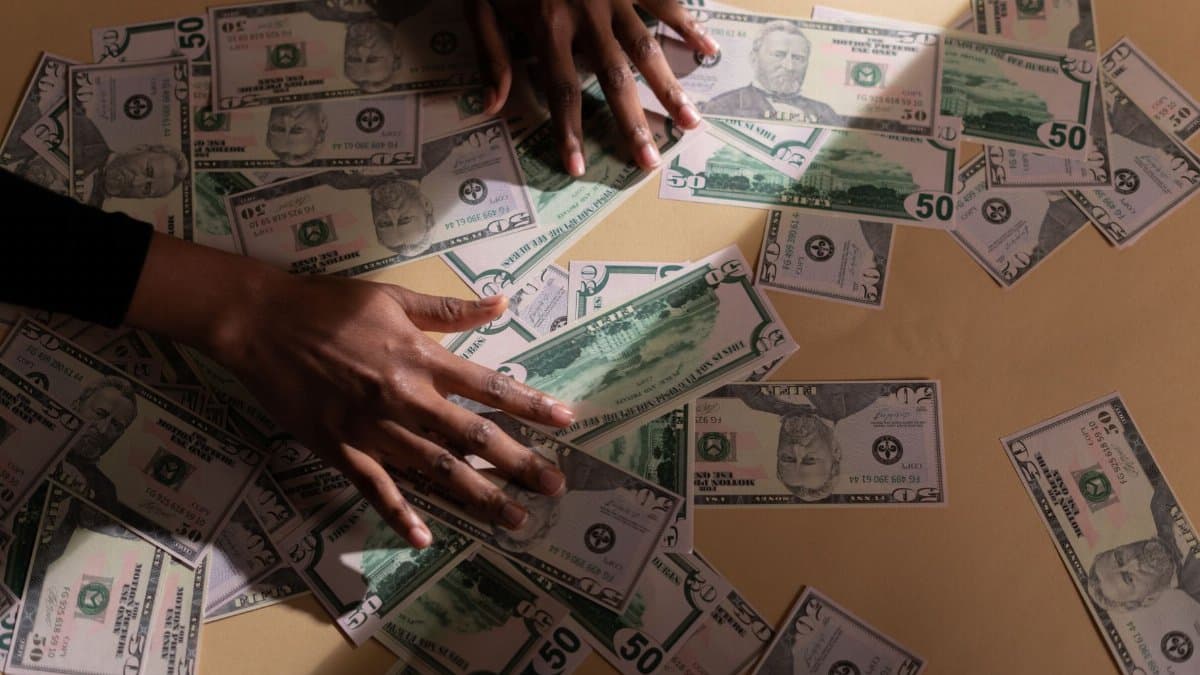
In the bustling corridors of Minneapolis where daily commutes shape the rhythm of life for thousands discussions about transportation infrastructure have taken center stage. County leaders now face a critical shortfall in resources needed to advance a key project. Blue Line light rail funding stands at the heart of these efforts with officials seeking additional support to bridge a substantial gap before pursuing larger federal contributions. The request for two hundred twenty five million dollars more highlights the intricate layers of planning that define modern urban development in the region.
Local Leadership and Budget Realities
Hennepin County officials have outlined the need for extra resources from the Metropolitan Council to move forward on extending the line. This step comes after careful reviews of construction costs and projected timelines. Without the added sum the project risks delays that could affect surrounding neighborhoods and business districts alike. Leaders emphasize that securing this amount represents a necessary foundation before any application for federal transit dollars can proceed in earnest.
Federal Support and Matching Requirements
The county aims to unlock seven hundred fifty two million dollars in national funding once the local gap closes. Such federal programs demand clear commitments from regional partners to demonstrate viability. Past projects in similar cities show that strong local backing often determines success in these competitive processes. Analysts note that timely action on the current shortfall could position the extension favorably among other proposals nationwide.
Community Impacts Across Neighborhoods
Residents along the proposed route anticipate improved access to jobs and services if the extension advances. The line would connect growing areas with established employment centers reducing reliance on personal vehicles over time. Local advocates have voiced support while stressing the importance of inclusive planning that considers all voices in affected areas. Economic studies from comparable extensions suggest potential rises in property values and new commercial activity near stations.
Historical Context of Rail Development
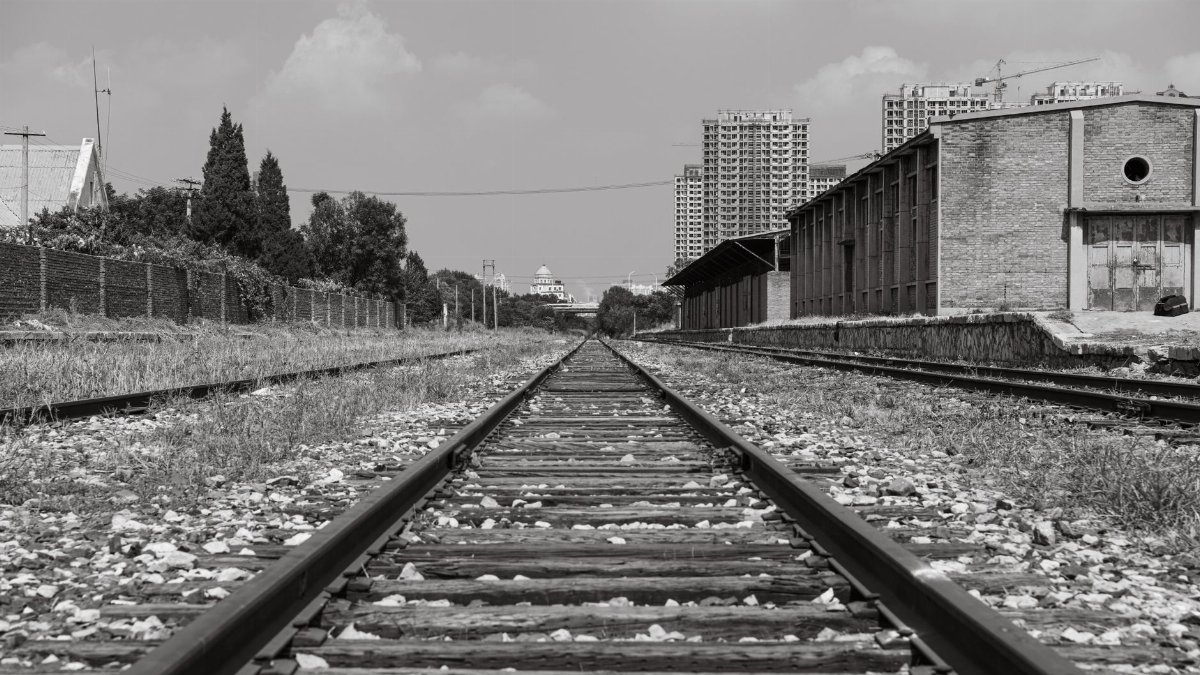
The Blue Line has served as a vital artery since its initial opening connecting downtown Minneapolis to the airport and beyond. Extensions build on that legacy by expanding reach into underserved corridors. Planners draw lessons from earlier phases to refine approaches for future segments. This evolution reflects broader shifts in how cities prioritize sustainable mobility options amid changing population patterns.
Environmental Considerations in Planning
Transportation choices influence air quality and energy use across the metro area. An extended line could contribute to lower emissions by offering reliable alternatives to driving. Environmental reviews form a standard part of the approval sequence ensuring compliance with regulations. Supporters highlight these benefits as part of a larger strategy to meet regional climate goals without compromising growth.
Economic Benefits and Job Creation
Construction phases alone promise hundreds of positions in skilled trades and related fields. Ongoing operations would sustain roles in maintenance and customer service. Business owners near future stations often report increased foot traffic once lines open. These outcomes align with patterns observed in other metropolitan rail investments that have spurred revitalization.
Challenges in Coordination Among Agencies

Multiple entities including the county and the Met Council must align on priorities and timelines. Differences in funding cycles sometimes create friction that slows progress. Regular meetings and shared data help address these issues as they arise. Success depends on continued dialogue to keep the project on track toward its milestones.
Public Engagement and Future Outlook
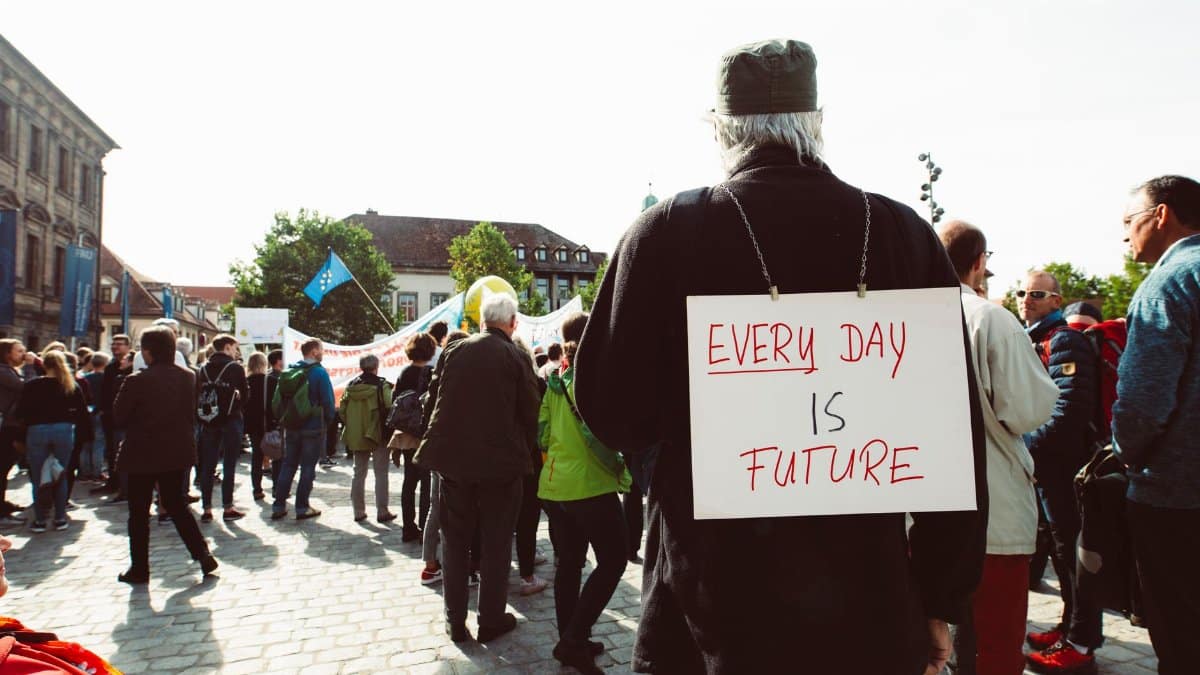
Forums and surveys allow residents to share input on station locations and service features. Such participation strengthens the case for funding by showing broad backing. Looking ahead officials remain optimistic that the requested resources will materialize enabling the next phase to begin. The extension represents one piece of a larger vision for connected communities.