

Voters in communities from Pittsburgh to the Philadelphia suburbs are confronting steeper bills for housing, groceries and fuel as the 2026 contest for governor takes shape. Both major candidates have placed living costs at the center of their platforms, making Shapiro Garrity affordability a defining test of their visions for the state economy.
Background on the Leading Candidates
Gov Josh Shapiro has held the office since 2023 and now seeks another term while Treasurer Stacy Garrity positions herself as a fiscal watchdog ready to challenge the incumbent record. Each brings distinct experience to the debate over how state policy can ease pressures on household budgets.
Current Pressures on Household Budgets

Residents report that the price of daily needs has climbed faster than wages in many regions. Data from state agencies show utility rates and rental costs leading the upward trend, leaving middle aged families to adjust spending habits in ways that were less common a decade ago.
Shapiro Record on State Spending

During his first term Shapiro advanced several initiatives aimed at expanding tax credits and energy assistance programs. Supporters credit these steps with providing targeted relief, yet critics argue the overall size of the state budget grew without delivering broad relief on living costs.
Garrity Approach to Fiscal Oversight

Garrity has highlighted her work auditing state accounts and pushing for greater transparency in public contracts. Her campaign materials stress the need to curb what she describes as wasteful outlays that indirectly raise the burden on taxpayers through higher fees and local levies.
Public Reaction Across Key Regions

Town hall meetings in central Pennsylvania reveal a consistent message from attendees who want concrete numbers on future tax rates and utility caps. Many say they will weigh each candidates detailed plan rather than party affiliation when they reach the ballot box.
Policy Proposals on Energy Costs
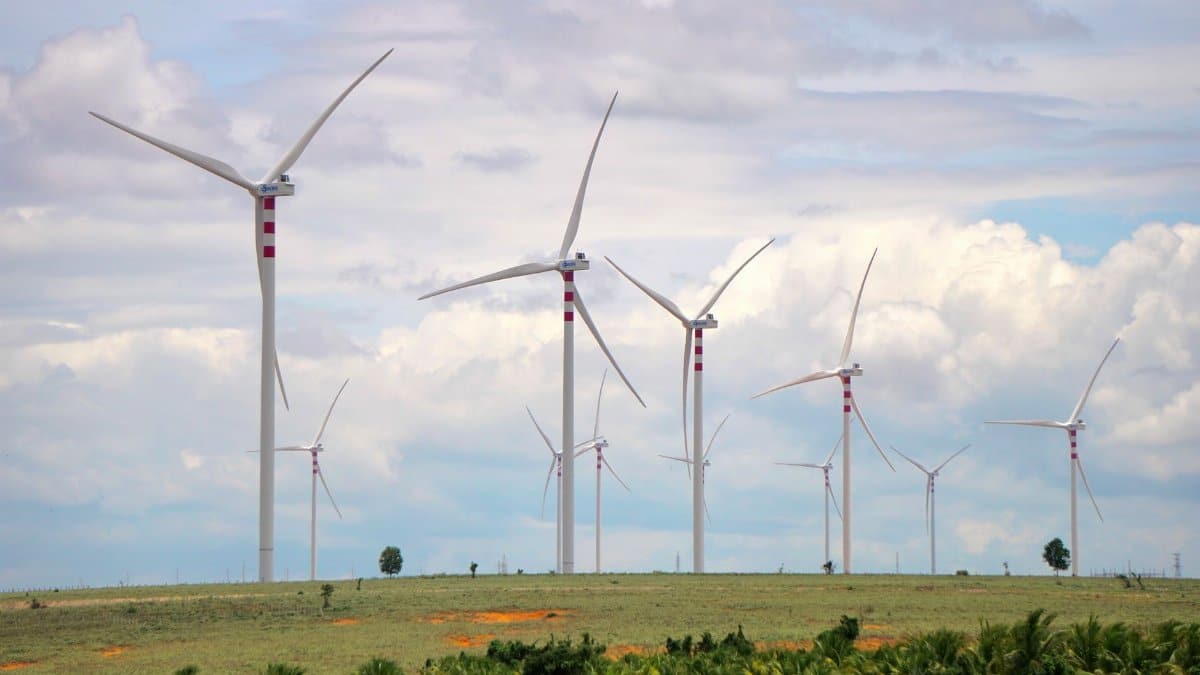
Both camps have offered ideas for stabilizing energy prices, ranging from incentives for local generation to reviews of existing utility regulations. Observers note that success will depend on cooperation with the legislature and federal regulators who control parts of the power grid.
Impact on Small Business Operations

Owners of modest enterprises say elevated operating expenses force them to delay hiring or raise prices, which in turn affects customer traffic. The candidates have each met with business groups to discuss possible state level adjustments that could improve cash flow without new mandates.
Looking Ahead to Election Season
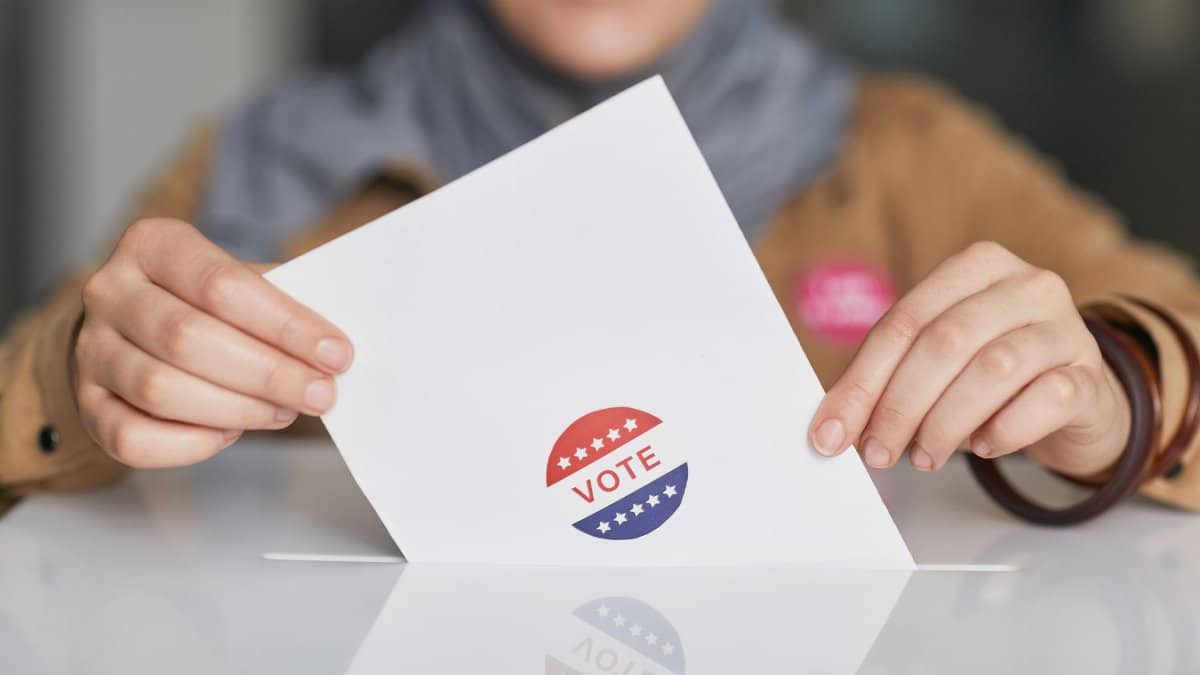
With more than a year until primary voting the contest is expected to feature repeated exchanges over economic data and personal stories from residents. Analysts anticipate that the candidate who can tie specific proposals to measurable improvements in Shapiro Garrity affordability will gain an edge in swing counties.