
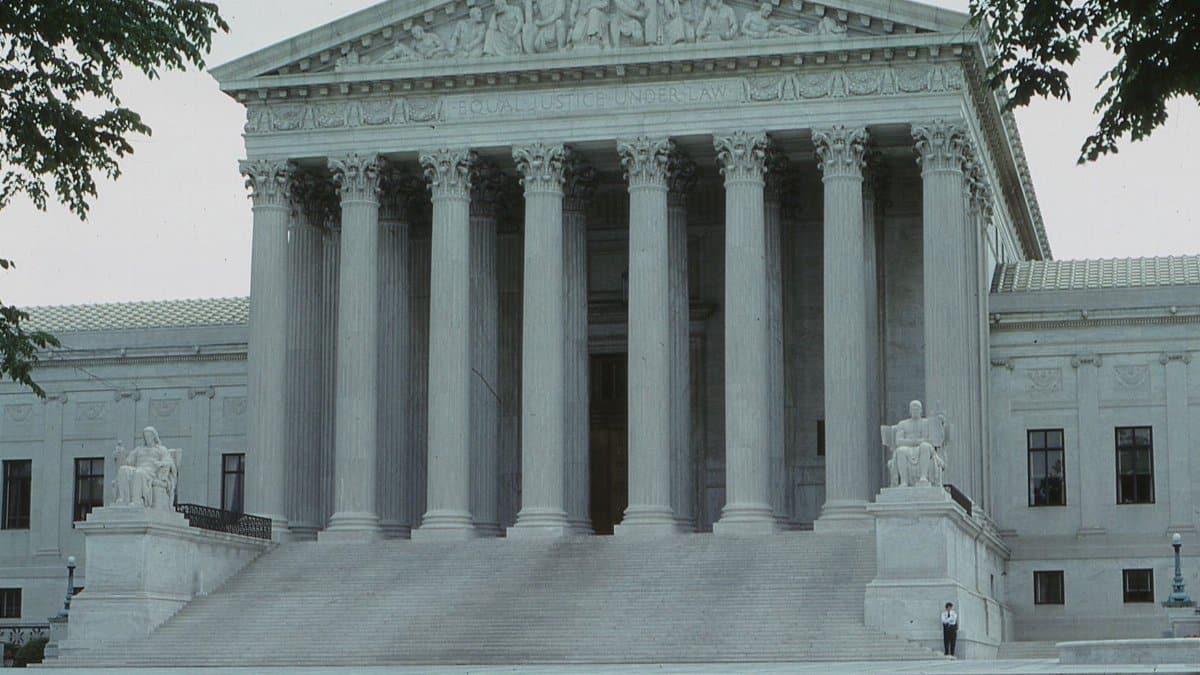
The recent ruling from the nations highest court has preserved an important mechanism for mail voting in the Pacific Northwest preserving access for many citizens who rely on the postal system amid busy lives and unexpected delays. This outcome maintains the Washington ballot deadline as a practical standard that allows ballots postmarked on time to be counted even if they arrive shortly afterward. For middle aged voters juggling work family and civic duties the decision offers continuity in a process already strained by shifting national trends in how people participate in elections.
Background on the Legal Challenge

The case reached the Supreme Court after lower courts examined whether the arrival rule violated equal protection principles or federal statutes governing elections. Supporters of the existing framework argued it accommodates real world postal variability while opponents claimed it created unfair advantages in close races. The five to four split left the rule standing without broader commentary from the majority.
Impact on Voter Participation Rates
Data from recent cycles shows that mail ballots have grown in popularity among those over forty who prefer avoiding crowded polling places. Keeping the Washington ballot deadline intact likely sustains turnout levels by reducing fears that a late arriving envelope will be discarded. Election officials note fewer rejections compared to states with stricter cutoffs.
Reactions from State Officials
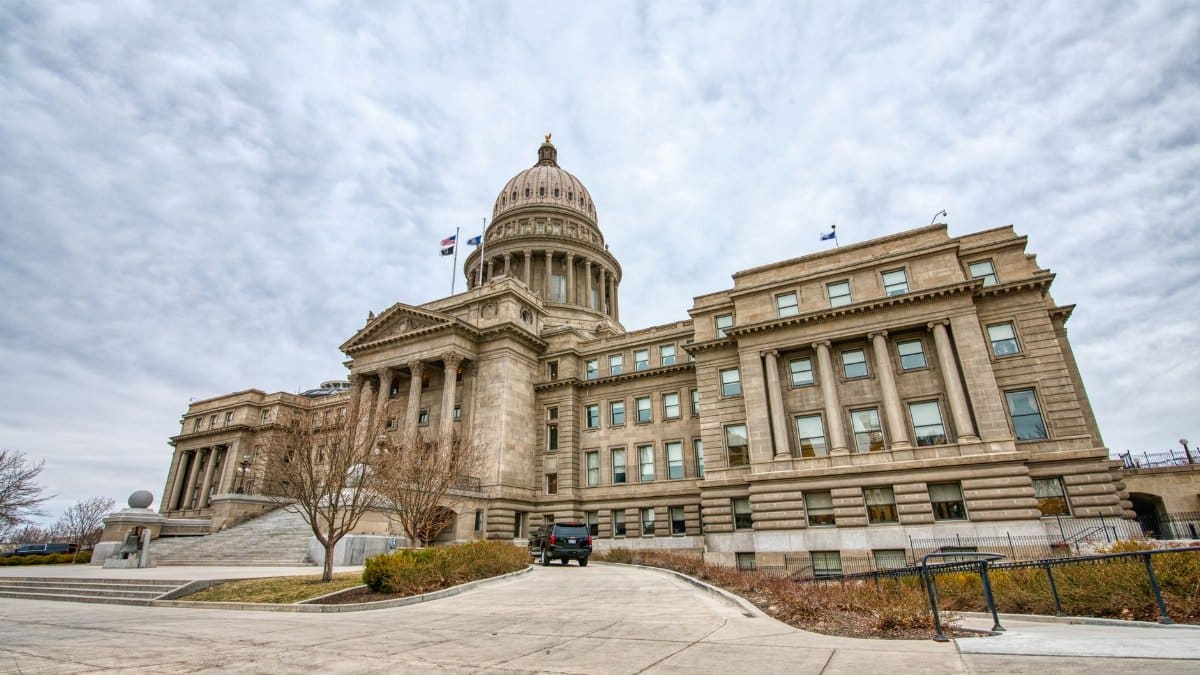
Washington leaders expressed relief that no immediate overhaul of canvassing procedures would be required. County clerks can continue their established routines for verifying signatures and postmarks without new training or software adjustments. This stability helps smaller jurisdictions manage limited budgets during high volume periods.
Comparisons with Other States
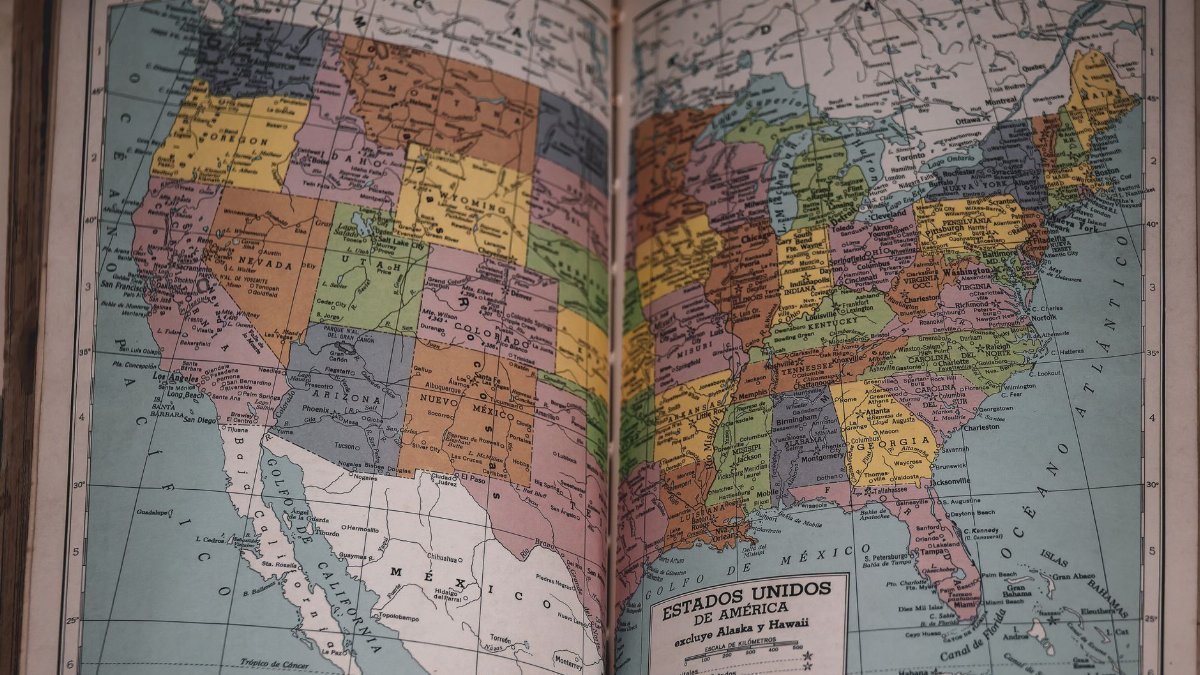
Neighboring states employ varied approaches some demanding receipt by election day others allowing a grace period similar to the preserved rule here. Observers suggest the Washington model balances security with accessibility avoiding the disenfranchisement seen elsewhere when mail slows unexpectedly.
Potential Effects on Future Campaigns

Candidates and parties may adjust strategies knowing the deadline remains unchanged. Outreach efforts could emphasize early mailing to give ballots ample travel time rather than last minute submissions that risk missing the window. This encourages smoother logistics for volunteers handling large volumes of returns.
Public Sentiment and Civic Engagement

Surveys indicate broad support for rules that count every valid vote without rigid arrival hurdles. Middle aged citizens in particular value systems reflecting the practical realities of modern mail service and personal schedules. The ruling reinforces confidence that participation matters even in an era of polarized debates over election mechanics.
Considerations for Election Integrity

Advocates on both sides agree that safeguards like signature checks and postmark verification remain essential regardless of arrival timing. The intact Washington ballot deadline fits within a layered process designed to prevent fraud while honoring voter intent. Ongoing audits continue to monitor compliance across precincts.
Historical Evolution of Mail Voting Rules
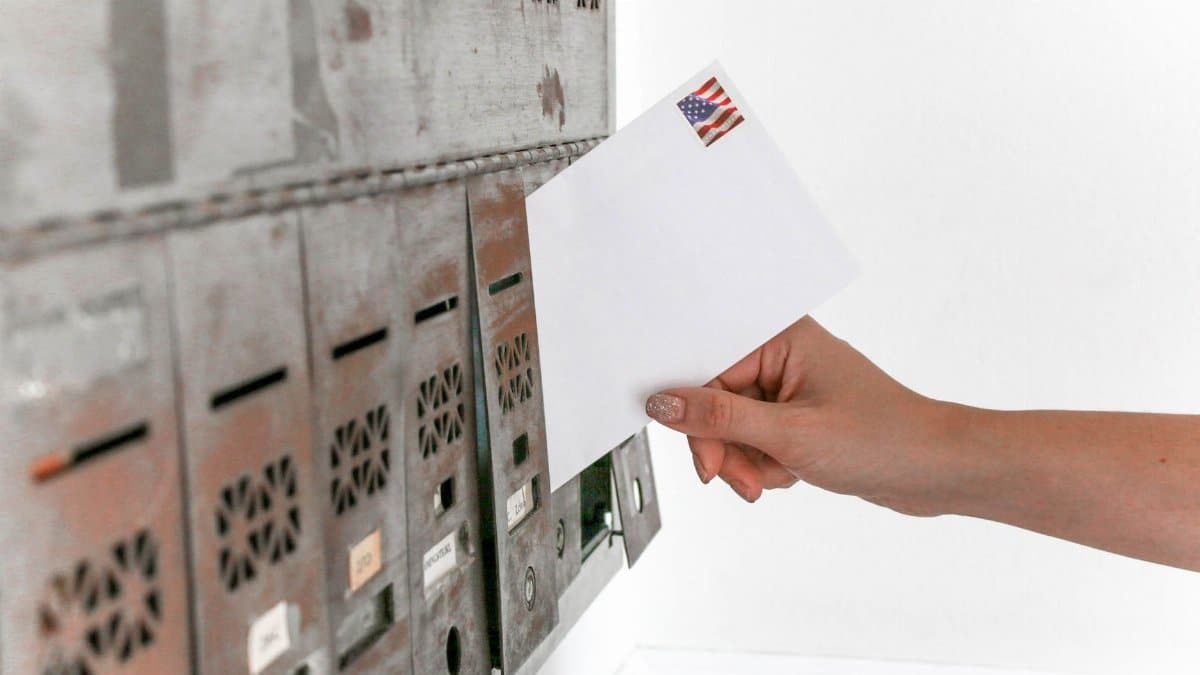
Washington expanded mail options decades ago becoming a leader in no excuse absentee processes. The current deadline emerged from efforts to adapt to population growth and geographic spread making it easier for rural residents to participate. Court involvement has tested these adaptations periodically without overturning core elements.
Advice for Voters Planning Ahead
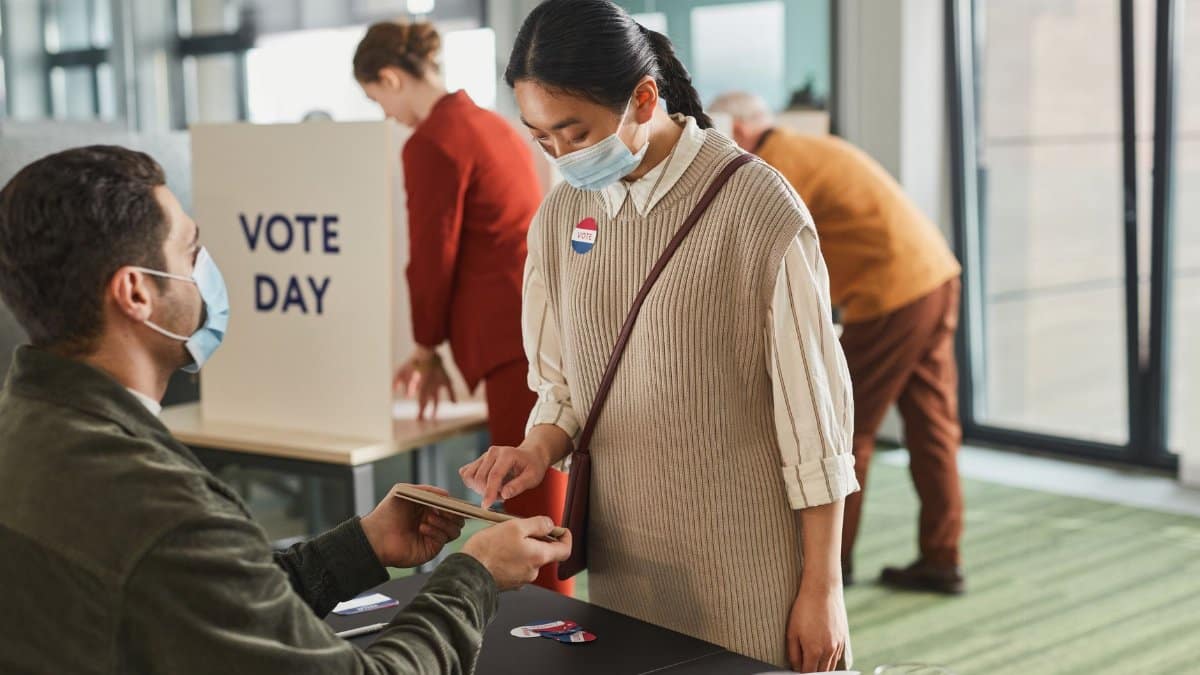
Those preparing for upcoming cycles should check postmark requirements and allow extra days for delivery especially during peak holiday seasons. Local election websites provide updated guidance on tracking ballots to confirm receipt. Early action remains the simplest way to meet all criteria comfortably.
Broader National Implications

The decision signals reluctance at the federal level to disrupt state level innovations in voting access. Other jurisdictions watching closely may retain or adopt similar grace periods to match changing demographics and postal patterns. This preserves a patchwork approach rather than imposing uniform national standards.