
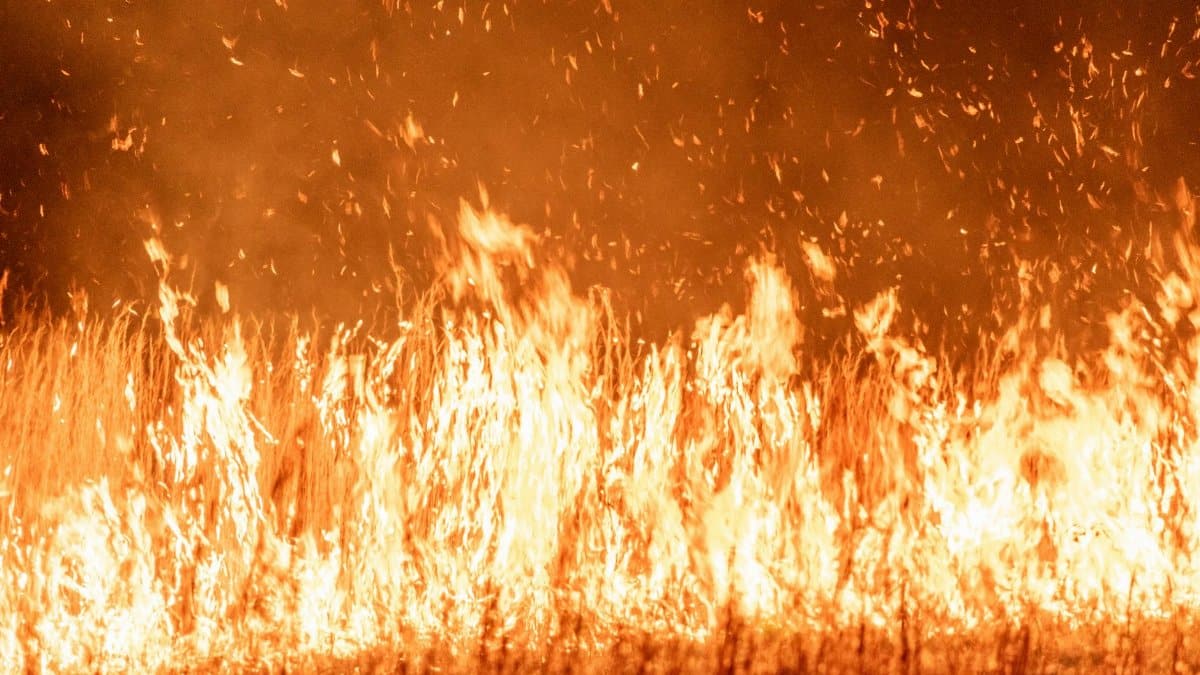
In the quiet expanses of Texas a sudden outbreak of flames known as the Ellis County grass fire caught many by surprise on a dry afternoon. Residents near Highway 85 found themselves facing an urgent situation as winds fanned the blaze rapidly across open fields. Emergency teams responded with determination to protect lives and property while the community watched with concern. The event highlighted the ongoing challenges of managing wildfires in changing climate conditions and brought neighbors together in shared vigilance.
Immediate Actions Taken by Emergency Crews
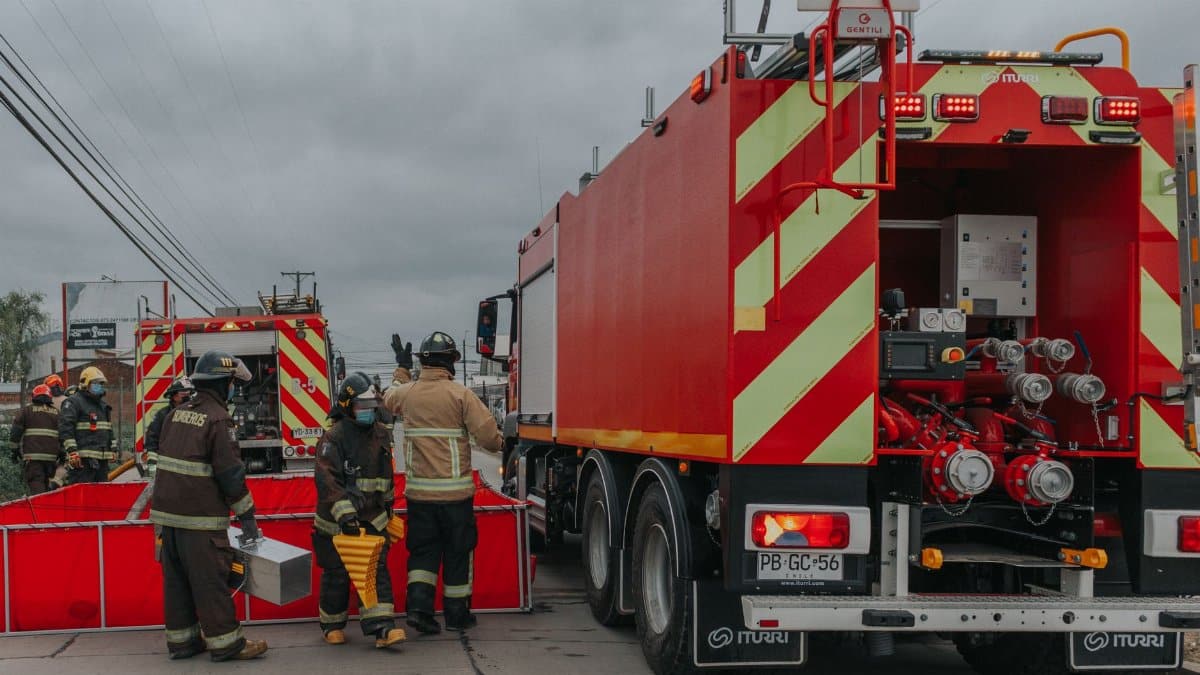
Firefighters from multiple districts arrived quickly to establish control lines around the burning area. Their coordinated efforts focused on preventing further spread toward nearby homes and roads. Water drops from helicopters proved essential in cooling hot spots that threatened to expand the fire front.
Evacuation Procedures Along Key Routes

Authorities issued notices for homes close to the affected zone urging people to leave for safer locations. Families gathered essential items and pets before departing in an orderly manner. Shelters opened at local community centers to provide temporary housing and support services during the incident.
Role of Weather Conditions in Fire Behavior
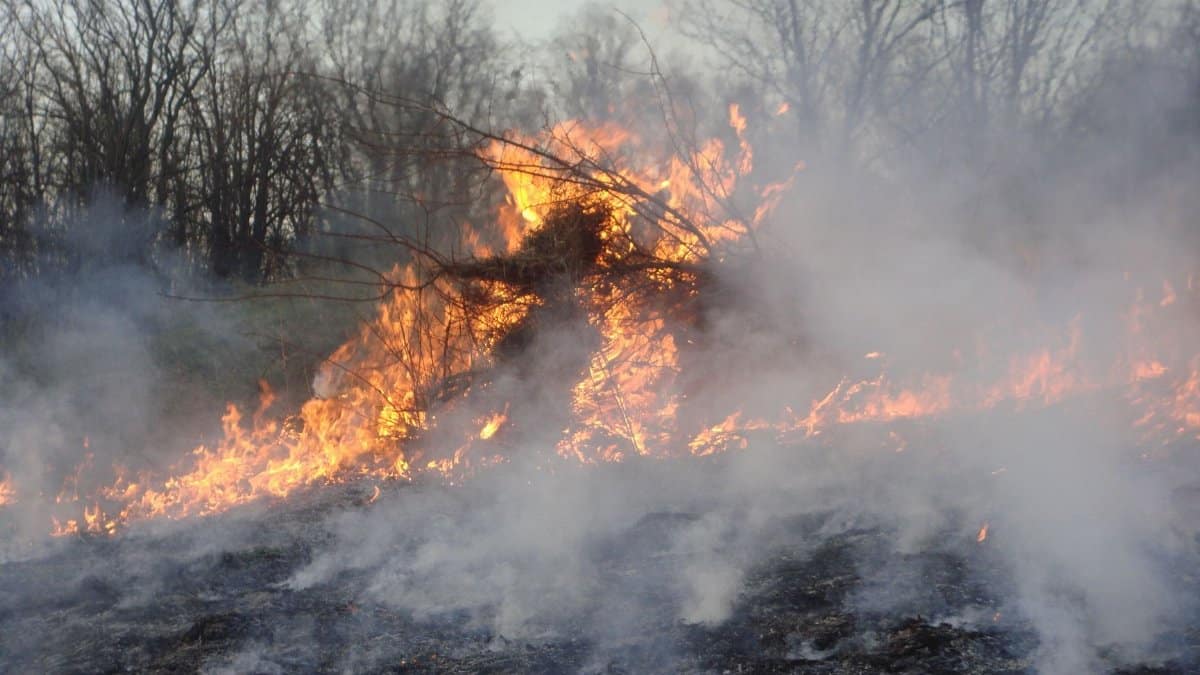
Dry air and gusty winds combined to accelerate the flames movement across grasslands. Forecasters had noted elevated fire danger levels in the days leading up to the event. Such patterns underscore the need for constant monitoring of atmospheric factors that influence wildfire intensity.
Community Support Networks in Action

Local churches and civic groups mobilized to offer meals and emotional comfort to displaced residents. Volunteers coordinated supply drives for clothing and hygiene items. These efforts reflected a deep sense of solidarity that often emerges during times of regional stress.
Environmental Impact on Local Ecosystems

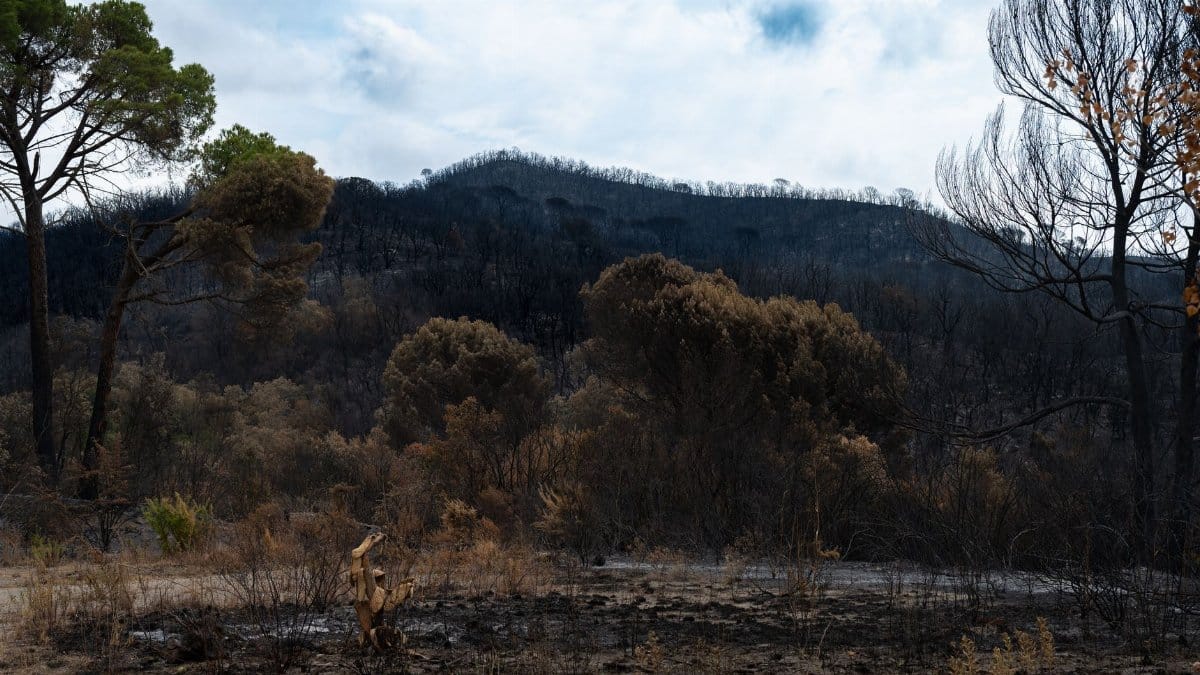
The burned grassland will require careful assessment to determine recovery timelines for native plants and wildlife. Soil erosion risks rise after such events making restoration projects a priority for land managers. Experts emphasize long term strategies to rebuild habitat resilience.
Lessons for Future Wildfire Preparedness
Officials plan to review response timelines and communication methods to improve outcomes in similar situations. Public education campaigns may expand to teach residents about defensible space around properties. Collaboration between agencies stands as a key factor in effective management.
Personal Reflections from Area Residents
One homeowner described the tension of watching smoke rise while awaiting updates from officials. Another noted the relief felt when containment lines held firm. These accounts reveal the human dimension behind official reports and statistics.