
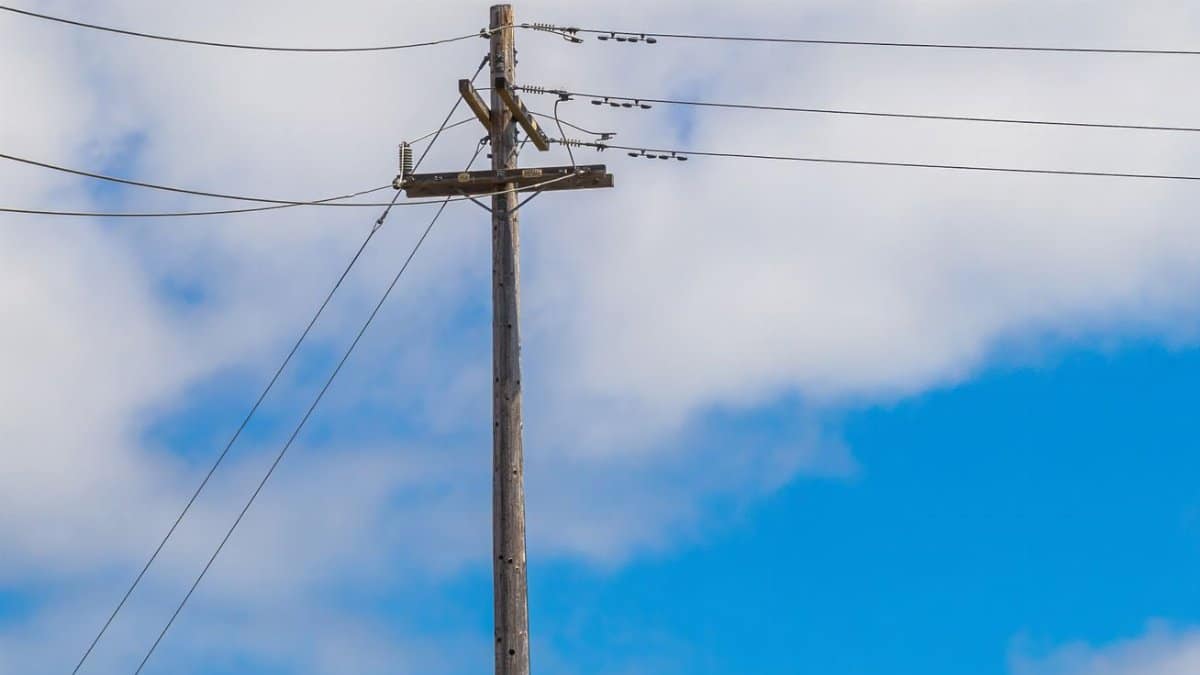
In the sunbaked plains of West Texas where oil fields stretch to the horizon a new kind of energy corridor is emerging to meet surging electricity demands across the state. Regulators have given the green light to a major transmission effort that forms the initial segment of what industry observers refer to as the Permian power superhighway.
Regulatory Approval Clears Major Hurdle

The Public Utility Commission of Texas endorsed two high voltage lines rated at 765 kV marking the first portion of a broader grid initiative valued at 14 billion dollars. This decision responds to requests from Houston based energy companies seeking to move power from the Permian Basin to population centers farther east.
Scope of the Initial Construction Phase
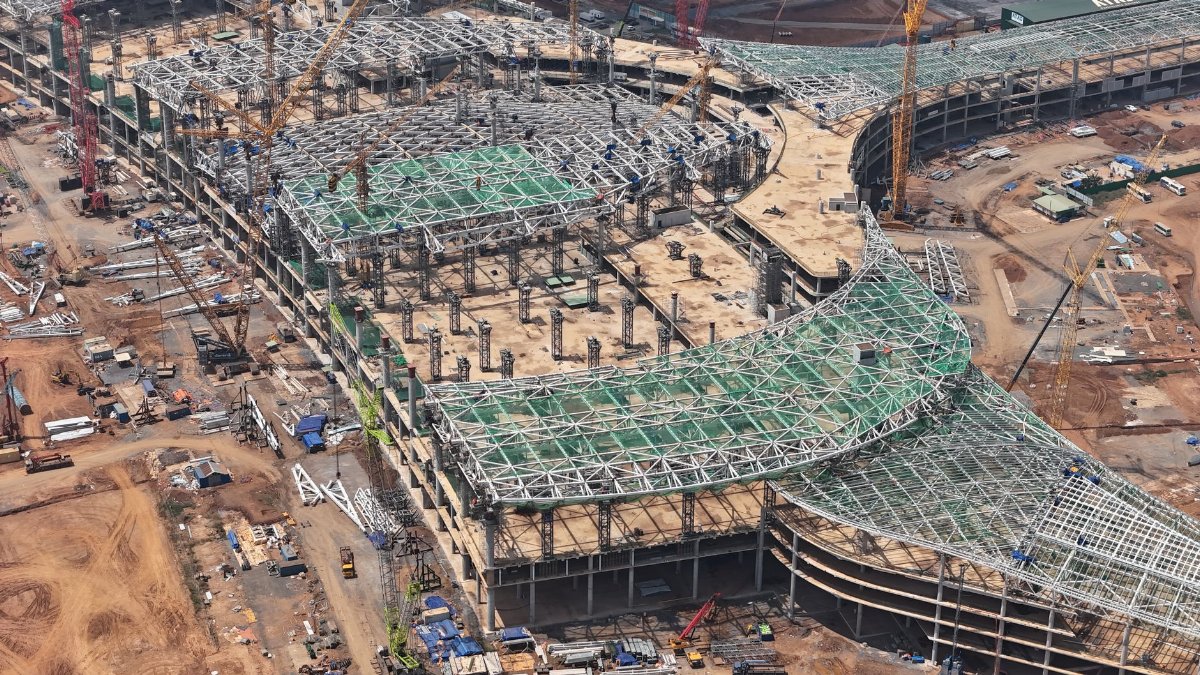
Engineers plan roughly 300 miles of new lines that will connect remote generation sites to existing substations. The project focuses on reliability during peak summer months when air conditioning loads strain the current network.
Economic Drivers Behind the Expansion
Population growth and industrial activity in Texas continue to push electricity consumption higher each year. Data centers and manufacturing facilities add to the pressure requiring fresh pathways for power delivery from oil and gas rich regions.
Environmental Considerations in Route Selection

Planners evaluated multiple corridors to minimize disruption to ranch land and wildlife habitats. Public hearings allowed landowners to voice concerns about property impacts and visual changes to the rural skyline.
Technical Specifications of the New Lines
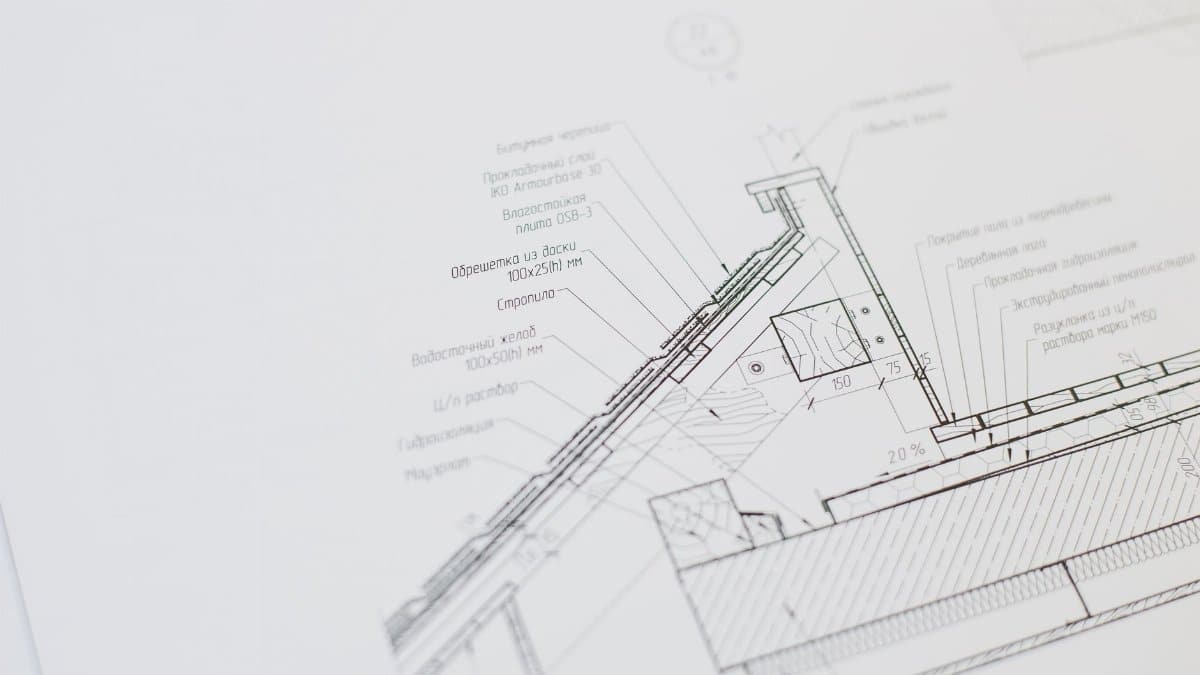
The 765 kV design allows greater capacity than older 345 kV circuits reducing the total number of towers needed for the same amount of energy transfer. This choice reflects advances in transmission technology that improve efficiency over long distances.
Role of Houston Energy Firms in Planning

Companies headquartered in Houston initiated the proposal after studies showed potential shortfalls if no action was taken. Their filings included projections of demand growth tied to both residential development and commercial operations.
Comparison to Earlier Grid Projects
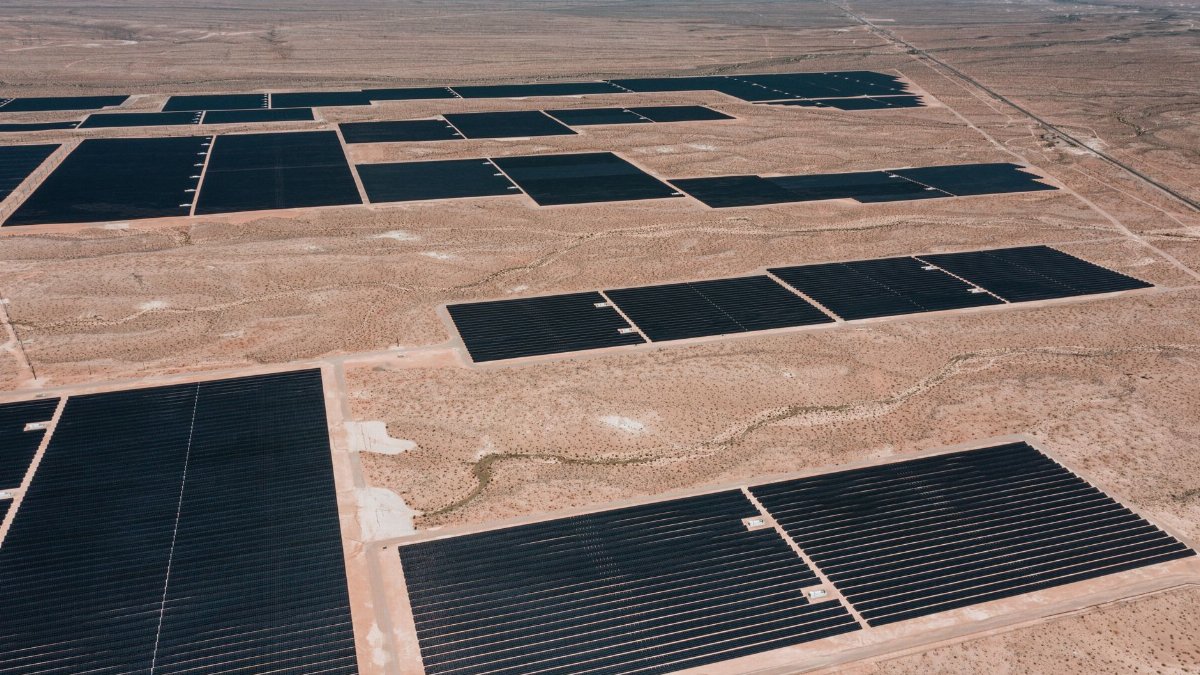
Previous transmission builds in Texas often faced delays due to local opposition or funding shortfalls. The current effort benefits from streamlined review processes established in recent legislative sessions aimed at accelerating infrastructure work.
Impact on Permian Basin Operations
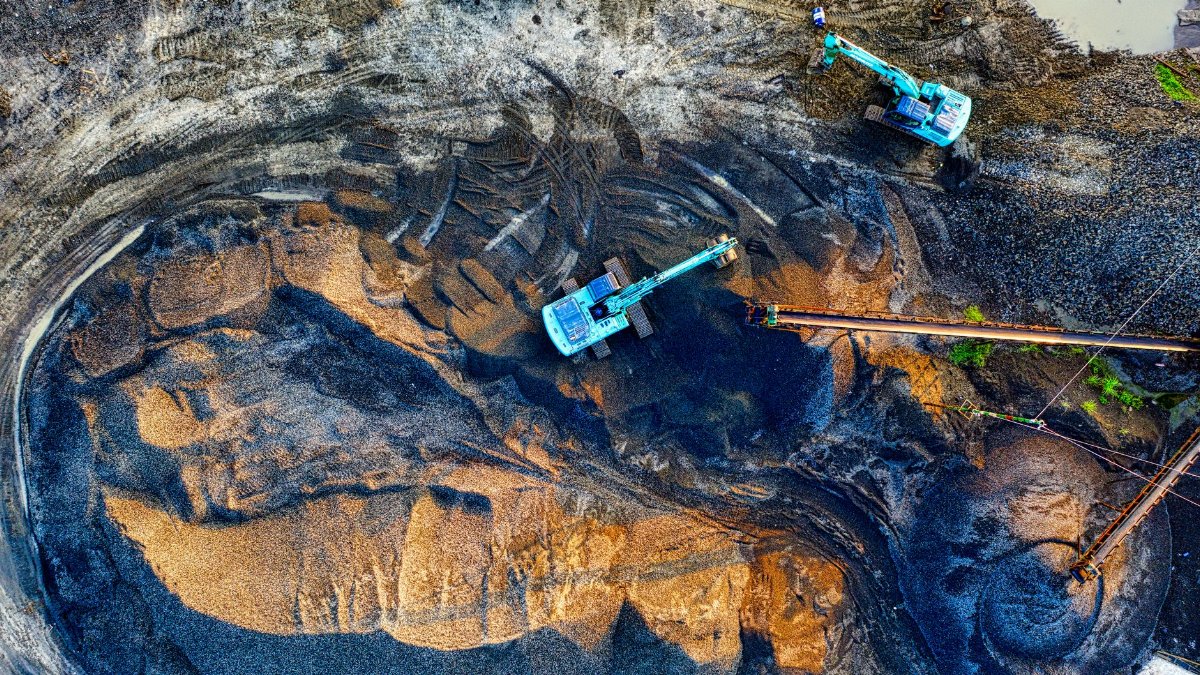
Producers in the region gain more outlets for associated electricity generation reducing the need to curtail output during times of high wind or solar production elsewhere. Stable transmission supports continued activity in one of the nations most active energy zones.
Funding Mechanisms and Ratepayer Effects

Costs will be recovered through utility rates spread across the state over several decades. Officials estimate modest monthly increases for typical households once the lines enter service.
Future Phases of the Larger Initiative

The approved segment represents only the starting point of a 33 billion dollar vision that could eventually link additional generation sources across multiple regions. Subsequent segments await further regulatory review and engineering studies.
Grid Resilience During Extreme Weather
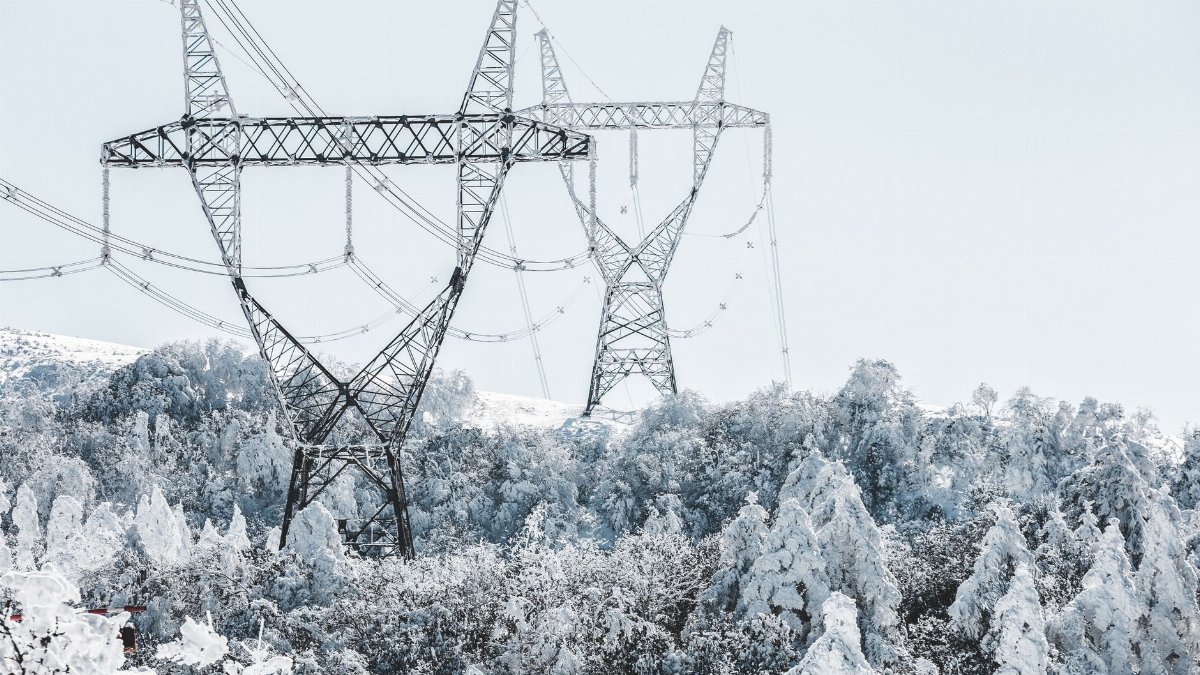
Recent winter storms highlighted vulnerabilities in the Texas power system prompting calls for diversified transmission routes. New lines offer alternative paths that could help avoid widespread outages in similar future events.
Stakeholder Reactions Across the State

Business groups welcomed the approval as a step toward economic competitiveness while some environmental advocates urged additional safeguards for sensitive areas. The commission incorporated several modifications based on feedback received during the comment period.