
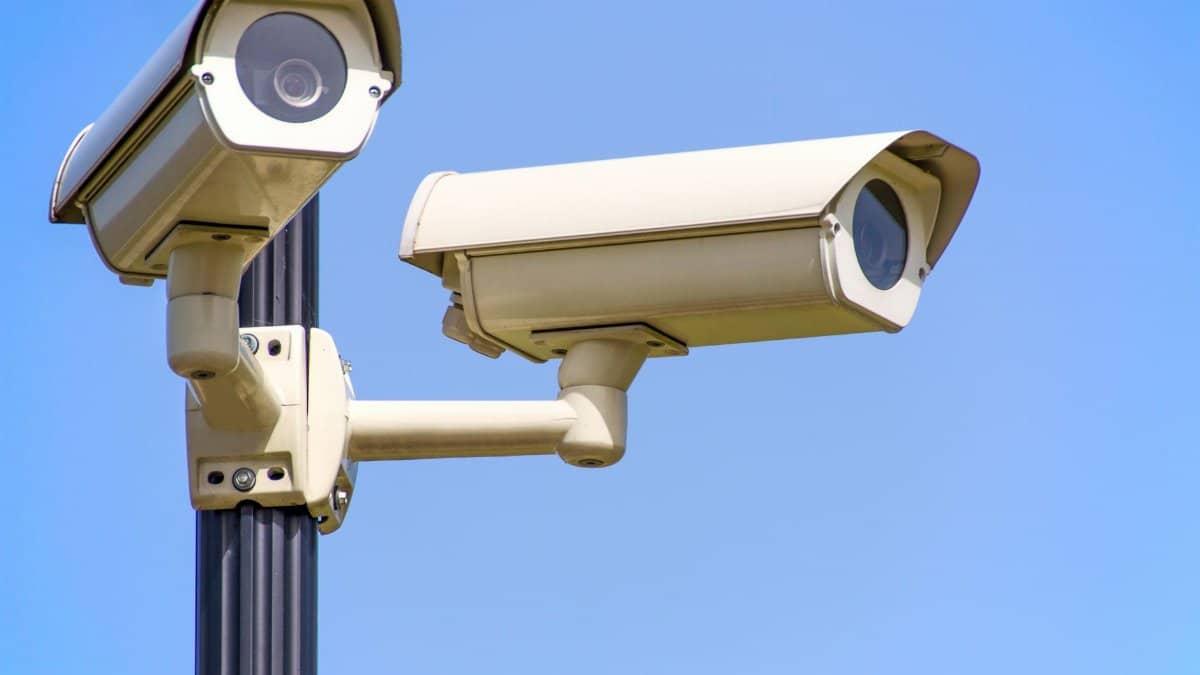
In recent years residents across the region have grown accustomed to the quiet presence of automated license plate readers mounted on utility poles and traffic signals. These devices capture images of passing vehicles as part of routine traffic monitoring yet they have also sparked ongoing debates about how much personal movement should be recorded by local authorities. The story of Flock cameras South Florida illustrates how such technology can become woven into everyday infrastructure even when higher level directives call for its removal from certain public roadways.
Background on statewide directives

State officials issued guidance last year directing transportation agencies to discontinue use of the cameras along major highways and state maintained routes. The policy aimed to address concerns over data storage practices and the potential for broad surveillance without individualized warrants. Despite the directive many local governments retained the equipment because the devices sit on municipal or county property rather than state right of way.
Local retention patterns in South Florida

Municipal police departments in Miami Dade Broward and Palm Beach counties report that the majority of their units remain active on residential streets and commercial corridors. Officials note that these placements fall outside the scope of the state order leaving each city free to decide whether to keep the system. In practice most departments have chosen to maintain operations citing improved response times for stolen vehicle recoveries.
Privacy considerations for everyday drivers

Advocates for stronger data protections argue that continuous recording of license plates creates a detailed map of personal travel that can be accessed by multiple agencies. They point out that even brief stops at a grocery store or medical appointment become part of a searchable database. Some community members have begun asking city councils to require periodic deletion of records and to limit sharing with federal databases.
Public safety claims from law enforcement

Police spokespersons emphasize that the cameras help solve crimes ranging from hit and run incidents to organized retail theft. They describe cases in which an image captured hours earlier allowed investigators to identify a suspect vehicle before evidence disappeared. Departments publish quarterly summaries showing the number of alerts generated though independent verification of those figures remains limited.
Technical specifications of the equipment

Each unit consists of a weatherproof housing containing multiple cameras and an onboard processor that reads characters on license plates in real time. The system compares the characters against lists of wanted vehicles and sends notifications to officers within seconds. Data is stored locally for a period set by each agency before it is either purged or transferred to a central server.
Community reactions and town hall meetings

Residents who attended recent public forums expressed mixed views. Some welcomed the added layer of monitoring in neighborhoods that have experienced repeated vehicle break ins. Others voiced unease about the lack of transparency regarding who can query the database and for how long records are kept. A few speakers suggested placing the cameras under the same rules that govern traditional traffic cameras with public reporting requirements.
Legal challenges still in progress

Civil liberties organizations have filed petitions asking courts to clarify whether local retention of the devices violates state privacy statutes. The cases focus on whether images collected without individualized suspicion amount to an unreasonable search. Judges have issued temporary orders in related matters but no final ruling has addressed the full network in South Florida.
Comparison with neighboring states

Georgia and Alabama maintain similar networks yet both states require annual legislative approval for continued funding. Florida lawmakers have not adopted a comparable review process leaving decisions largely to city and county administrators. This difference helps explain why the technology has persisted more broadly in South Florida than in some adjacent regions.
Future outlook for data management

Several cities are exploring software updates that would automatically blur images of vehicles not linked to active investigations. Proponents say the change would reduce the volume of stored information while preserving the core function of alerting officers to serious crimes. Implementation timelines vary and some departments have postponed upgrades pending budget reviews.
Role of private vendors in local contracts

The company that supplies the cameras offers subscription based services that include maintenance and software updates. Contracts typically run for multiple years and include provisions for data access by the vendor during troubleshooting. City attorneys have begun inserting stricter language about data ownership and audit rights in newer agreements.
Impact on tourism and seasonal visitors

South Florida attracts millions of out of state drivers each winter. The cameras record these vehicles the same way they record local plates creating records that remain in databases long after visitors return home. Tourism officials have not taken a formal position yet some hotel associations have asked for clearer signage at entry points to major attractions.
Calls for uniform countywide policies

Commissioners in at least two counties have proposed creating a single set of rules that would apply to every municipality. The goal is to avoid a patchwork in which one city deletes records after thirty days while a neighboring jurisdiction keeps them for a year. Draft ordinances are under review and public comment periods are scheduled for the coming months.
Conclusion on entrenched infrastructure
The cameras continue to operate on thousands of local roads despite the statewide directive because authority over those locations rests with individual governments. As discussions continue the technology remains a fixture of the South Florida landscape raising questions that extend beyond any single order or policy change.