

Residents in eastern Houston have been grappling with the consequences of heavy rainfall and poor drainage systems in recent days. The remnants of a tropical system have left many areas submerged prompting officials to issue warnings about continued hazards. Tropical Storm Edouard flooding has proven particularly challenging for those living near low lying areas and waterways that have overflowed their banks. Local authorities are working around the clock to assess damage and provide assistance to affected families. This event serves as a reminder of how vulnerable urban centers can be to intense precipitation even after a storm has passed its peak intensity. Recovery efforts continue with a focus on safety and rebuilding.
Community Responses to Rising Waters
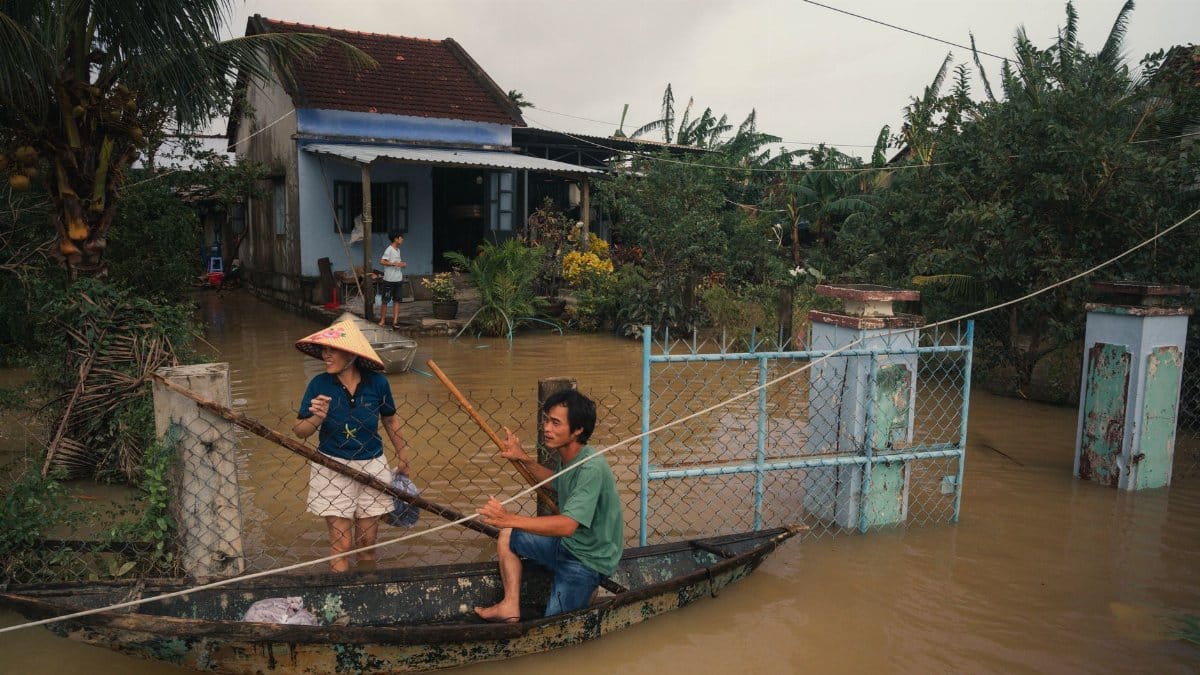
Neighbors have come together in remarkable ways to share resources and check on one another during this difficult period. Volunteers from nearby churches and civic groups have distributed food and supplies to those displaced by the high water levels. Stories of generosity emerge daily as people open their homes to strangers in need. Such actions underscore the strength found in collective action when natural forces disrupt daily routines.
Weather Patterns Behind the Event

Meteorologists tracked the slow movement of the system which allowed for prolonged rainfall across the region. Saturated soils could not absorb additional moisture leading to widespread runoff into streets and homes. Forecasts indicated that similar conditions might persist for several more days before drier air moves in.
Role of Local Government in Mitigation
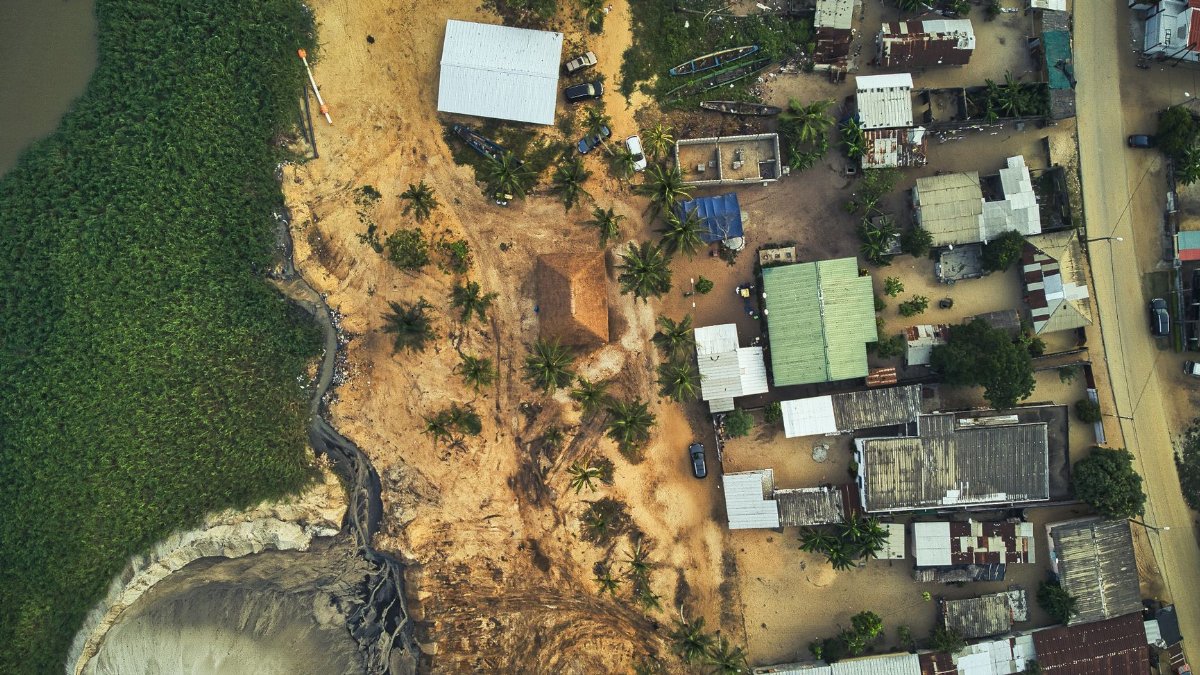
City leaders activated emergency operations centers to coordinate responses across multiple agencies. Pumps were deployed to key locations while sandbags protected critical infrastructure. Officials emphasized the importance of heeding evacuation orders issued for the most vulnerable zones.
Long Term Implications for Urban Planning
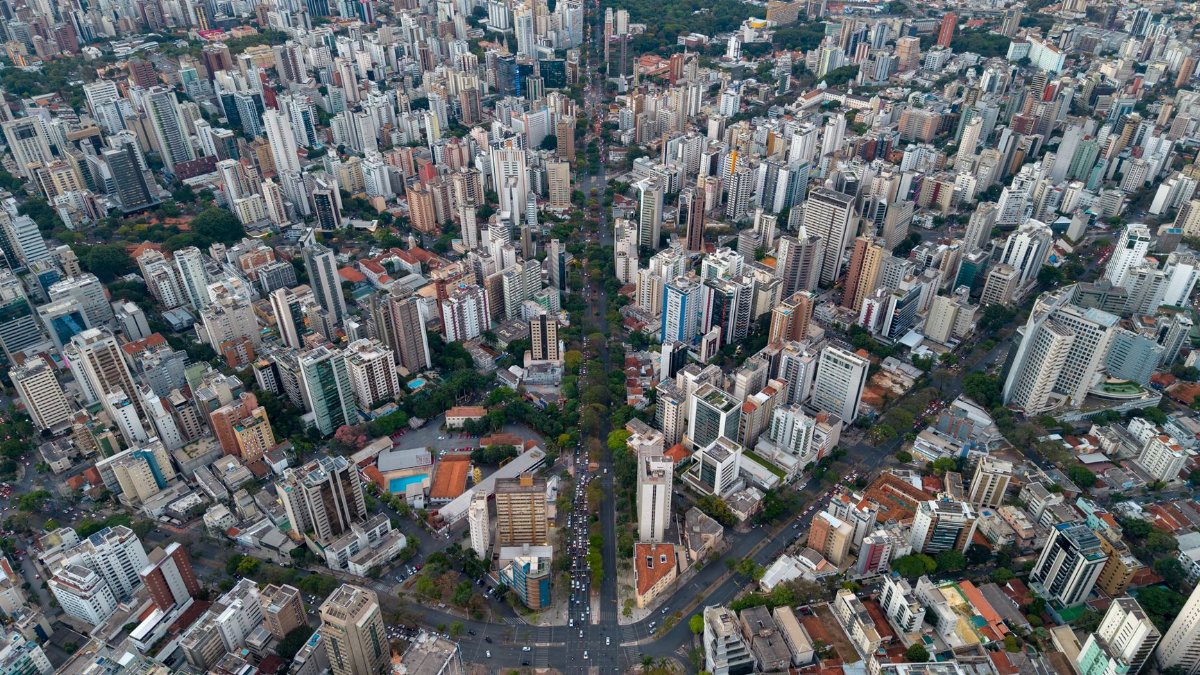
Experts suggest that events like this highlight the need for improved drainage systems and green spaces that can better manage excess water. Discussions have begun about updating building codes to account for more frequent heavy rain scenarios. Investments in such measures could reduce future disruptions.
Personal Stories from Affected Residents

One family described watching water creep into their living room overnight forcing a hasty retreat to higher ground. Another resident spoke of losing irreplaceable photos and documents yet expressed gratitude for the safety of loved ones. These accounts reveal the human side of weather related challenges.
Support Networks and Recovery Resources

Nonprofit organizations have set up centers to help with insurance claims and temporary housing. Mental health professionals are also available to assist those dealing with stress from the ordeal. Access to these services remains a priority for recovery teams.
Broader Lessons on Climate Resilience
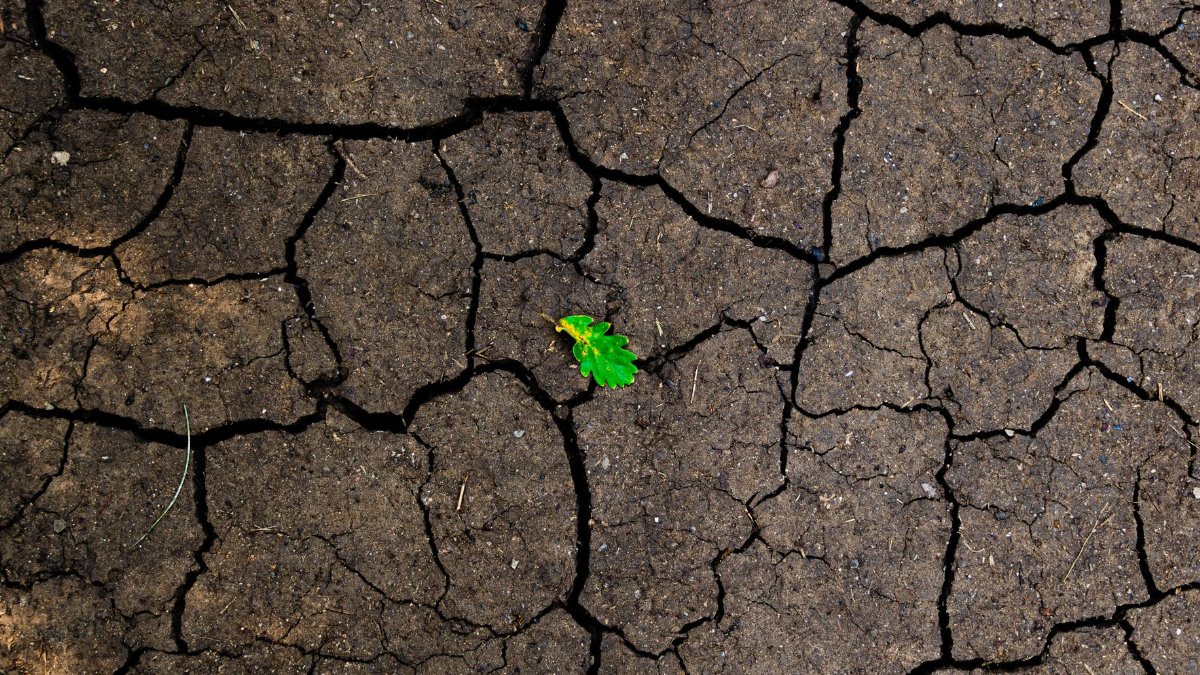
This situation adds to ongoing conversations about preparing cities for changing weather trends. Education campaigns aim to inform the public on steps individuals can take to safeguard their properties. Collaboration between scientists and policymakers will be essential moving forward.